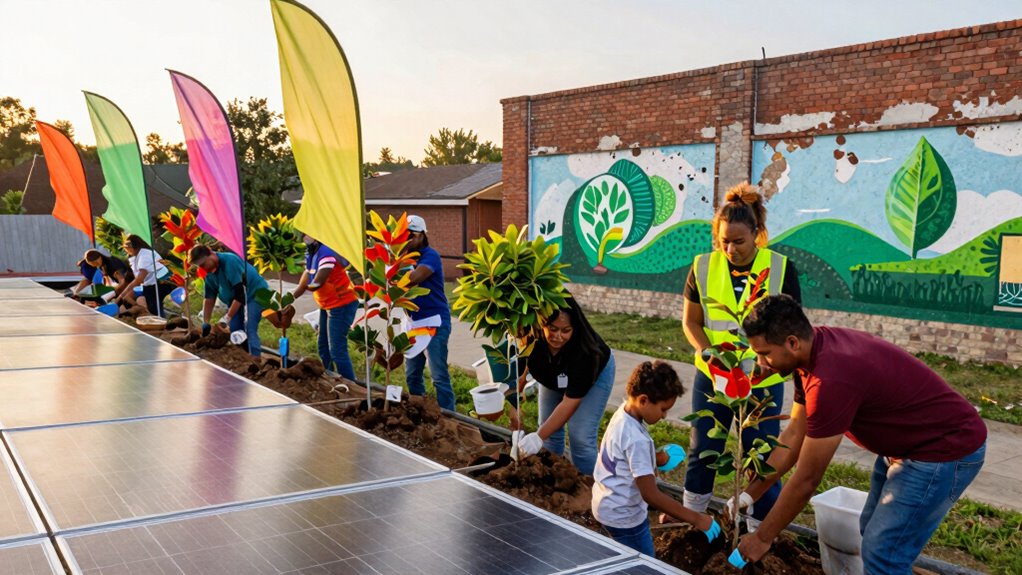

Community organizing supports green shifts by inspiring you to take collective action, advocate for sustainable policies, and participate in local initiatives like clean-ups and tree planting. It empowers you to influence policymakers and embed environmental priorities into decisions that affect your community. Through grassroots involvement, systemic change, and neighborhood resilience efforts, you can help build a greener future. If you keep exploring, you’ll discover more ways your efforts can create lasting environmental change.

Get garden gear delivered free — and shop member deals
- Fast, free delivery on millions of items
- Access to Prime Big Deal Days deals on October 6–7
- Prime Video, Amazon Music and more included
Key Takeaways
- Facilitates collective action and idea-sharing to drive sustainable environmental practices.
- Influences policy decisions by engaging with local officials and advocating for green legislation.
- Promotes grassroots participation through local projects like clean-ups and tree planting.
- Monitors environmental changes and ensures regulatory compliance via community surveillance efforts.
- Demonstrates community support through petitions and pilot projects, inspiring systemic environmental change.
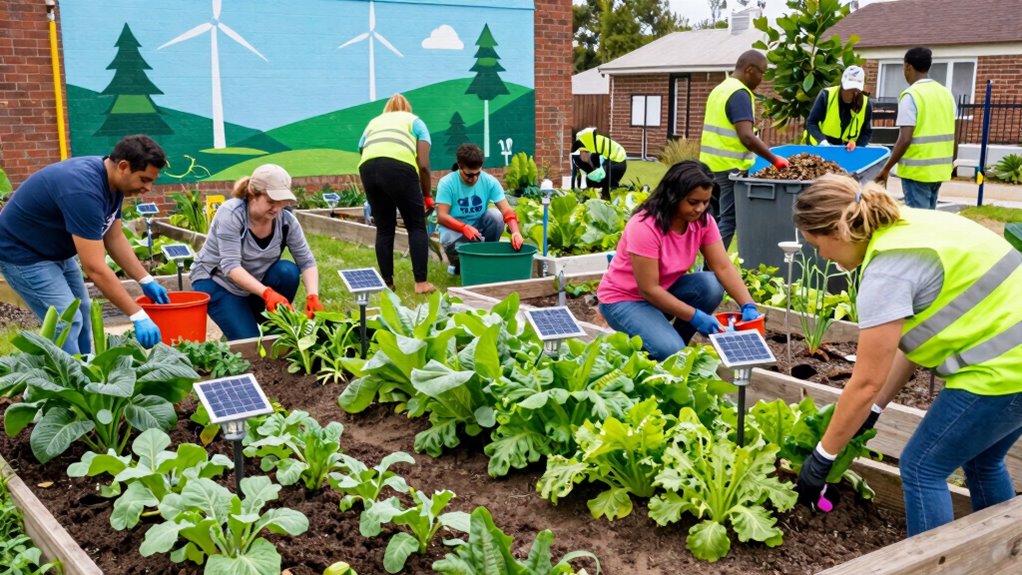
Have you ever wondered how communities can drive meaningful change toward a greener future? It starts with you and your neighbors coming together, sharing ideas, and taking action. Community organizing plays a crucial role in shaping sustainable policies and fostering a collective commitment to environmental change. One of the most powerful tools you can use is policy advocacy. By engaging with local officials, attending city council meetings, and pushing for legislation that supports renewable energy, waste reduction, or green infrastructure, you help guarantee that environmental priorities are embedded into decision-making processes. Your community’s voice becomes a catalyst for change, influencing policies that might otherwise be overlooked or delayed. Building biodiversity in your area through local initiatives can also create a resilient and thriving ecosystem that benefits everyone.
Engage with local officials and advocate for policies supporting renewable energy and green infrastructure to drive community environmental change.
Grassroots engagement is equally critical in this effort. When you and others participate in neighborhood clean-ups, tree planting events, or educational workshops, you build a sense of shared responsibility and ownership over local environments. This direct involvement makes the idea of a greener community tangible and achievable. It also amplifies your collective voice, making it harder for policymakers to ignore the community’s needs. As you engage at the grassroots level, you create a ripple effect—encouraging more residents to get involved, which strengthens the movement and increases its impact. Additionally, fostering community resilience can help neighborhoods better adapt to environmental challenges and climate-related impacts. Drawing on surveillance and spy technology innovations can even assist in monitoring environmental changes and ensuring compliance with local regulations, further supporting green initiatives. Developing local engagement strategies can enhance participation and ensure that environmental efforts reflect community priorities. A well-organized community can also leverage public participation to influence long-term sustainability planning, ensuring that environmental considerations are prioritized in city development.
Community organizing isn’t just about individual actions; it’s about creating a network of motivated people who can push for systemic change. When you work together, you can hold local governments accountable for implementing sustainable practices. You might organize petitions or sit-ins to press for better recycling programs or renewable energy incentives. These actions demonstrate widespread support, giving policymakers the confidence and mandate to prioritize green initiatives. Your group’s persistence shows that environmental issues matter deeply to the community, and that collective effort can lead to tangible results.
Furthermore, community-led initiatives often serve as pilot projects or models for larger-scale change. For example, a successful community solar project or urban garden can inspire neighboring areas to adopt similar strategies. By organizing around these projects, you showcase the benefits of green shift efforts, making them more appealing and feasible for broader adoption.
Frequently Asked Questions
How Do Community Groups Secure Funding for Green Projects?
You secure funding for green projects by developing effective funding strategies and applying for grants. Start by researching available grants from government agencies, foundations, and environmental organizations. Craft compelling grant applications that clearly demonstrate your community’s needs and project impact. Building partnerships and showcasing community support can strengthen your case. Additionally, consider crowdfunding or local fundraising events to supplement grants, ensuring a diverse funding base for your green initiatives.
What Are Examples of Successful Community-Led Green Initiatives?
You can look at examples like urban sustainability projects where communities have transformed vacant lots into urban gardens or implemented renewable energy initiatives. Grassroots activism often drives these successes by rallying local support and securing funding. These initiatives demonstrate how community-led efforts shape sustainable environments, promote eco-conscious living, and inspire broader change. Your involvement in such projects can help foster resilient, eco-friendly neighborhoods that benefit everyone.
How Do Organizers Address Resistance Within Communities?
You address resistance within communities by fostering community empowerment, encouraging open dialogue, and listening to concerns. You tackle cultural barriers by respecting local values and traditions, adapting messages to resonate culturally. Building trust is key, so you involve community members in decision-making, making them feel valued and heard. This approach helps break down opposition, creating a shared sense of purpose that supports the green shift effectively.
What Role Do Local Policies Play in Supporting Community-Led Transitions?
Local policies play a vital role in supporting community-led shifts by enabling policy advocacy and fostering local collaborations. You can push for regulations that prioritize renewable energy or sustainable practices, making green initiatives more feasible. Collaborating with local stakeholders helps you develop policies that reflect community needs, increasing buy-in. These policies create an environment where community efforts thrive, making the change to greener practices more effective and sustainable.
How Can Individuals Get Involved in Community Green Efforts?
You can get involved in community green efforts by exploring volunteer opportunities like local cleanups or community gardens. Attend education programs to learn about sustainable practices and meet like-minded people. Supporting or initiating neighborhood projects can make a real difference. Remember, your active participation not only raises awareness but also helps build resilient, eco-friendly communities. Small actions, like joining a local initiative, can spark big change toward a greener future.
Conclusion
By embracing community organizing, you hold the power to ignite a green revolution that could change the entire planet overnight. Your voice, your actions, your unity can turn the tide against climate chaos—making impossible dreams of a sustainable future not just reachable, but inevitable. When communities come together, there’s no force stronger, no challenge bigger, and no future brighter. So, step up now—because your grassroots effort could be the spark that saves the world.
Fall Picks
fall essentials
As an affiliate, we earn on qualifying purchases.