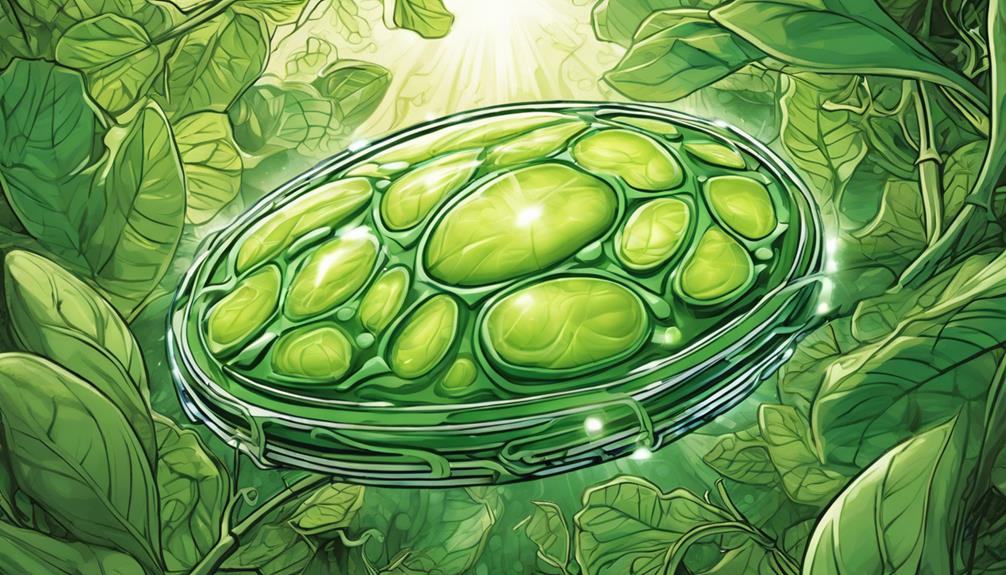
As I immerse myself in plant biology, I’m fascinated by chloroplasts – the tiny powerhouses that capture solar energy. These organelles are enclosed by a double membrane containing thylakoids that absorb light energy through pigments like chlorophyll. This energy is then transferred swiftly to fuel chemical reactions, allowing plants to thrive. But that’s not all – plants have evolved adaptations like waxy coverings, strategic chloroplast arrangement, and optimized leaf structures to maximize energy production. It’s amazing to think about how these intricate mechanisms work together to harness the sun’s power. And there’s still so much more to uncover about these miniature marvels.

Get garden gear delivered free with Prime
- Fast, free delivery on millions of items
- Prime Video, Amazon Music and more included
- Member-only deals all year
Key Takeaways
- Chloroplasts’ unique double membrane structure enables efficient solar energy capture and conversion into chemical energy for plants.
- Chlorophyll pigments in thylakoids absorb light energy, initiating chemical reactions that drive photosynthesis and energy production.
- The arrangement of pigments and proteins within chloroplasts ensures efficient energy transfer, minimizing energy loss and optimizing energy production.
- Chloroplasts are strategically positioned within leaves to maximize solar energy absorption, with leaf structure and arrangement playing a crucial role.
- Plants have evolved adaptations, such as waxy coverings and optimized leaf tilts, to enhance chloroplasts’ efficiency in harnessing solar energy.
As an affiliate, we earn on qualifying purchases.
Chloroplast Structure and Function

As I explore the intricate world of chloroplasts, I find that these tiny organelles, tucked away within plant cells, have a unique structure that enables them to harness solar energy with remarkable efficiency.
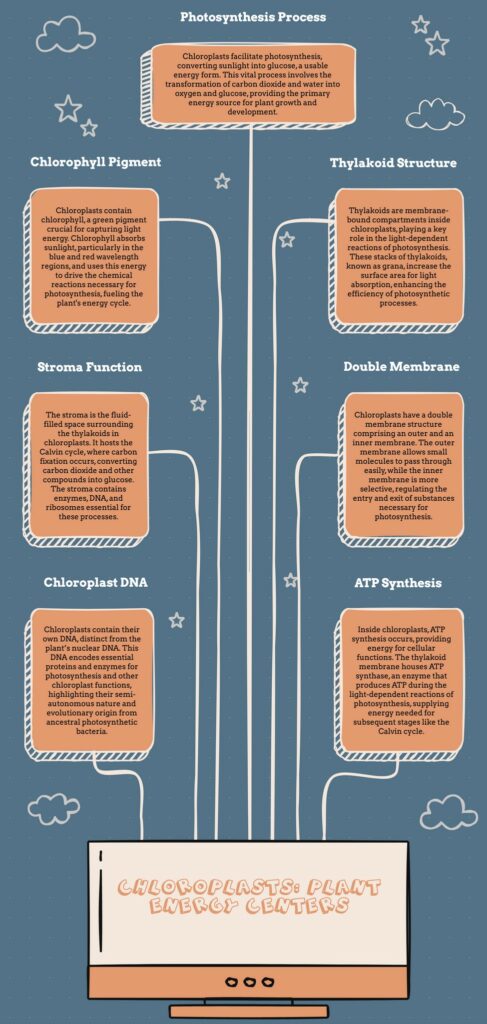
Enclosed by a double membrane, chloroplasts contain thylakoids organized into grana, where the magic happens. Chlorophyll pigments, responsible for that iconic green color, absorb light energy, initiating a cascade of chemical reactions that convert light into glucose.
This intricate structure is essential for plants’ solar energy utilization, allowing them to thrive in a world where sunlight is the primary energy source. By understanding chloroplast structure, I gain insight into plants’ remarkable ability to capture and convert solar energy.
Pigments and Light Absorption

I explore the realm of pigments and light absorption, where specialized molecules like chlorophyll and carotenoids play an important role in capturing solar energy during photosynthesis.
These pigments are embedded in thylakoid membranes within chloroplasts, forming light harvesting complexes. Chlorophyll, responsible for plants’ green color, is the most vital pigment, absorbing light energy and initiating chemical reactions. Carotenoids, on the other hand, absorb excess energy and protect the plant from damage.
The arrangement of these pigments within the complex ensures efficient energy transfer, allowing plants to harness solar energy effectively. Understanding the intricate mechanisms of light absorption and energy transfer is essential for appreciating the remarkable process of photosynthesis.
Energy Transfer Mechanisms
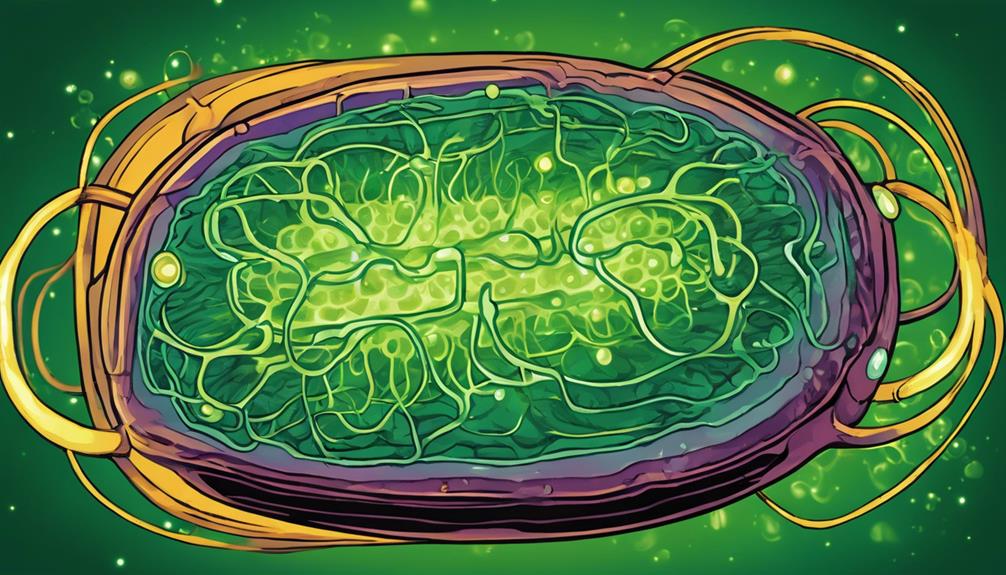
As I explore the world of chloroplasts further, I’m captivated by the intricate energy transfer mechanisms that occur within these light harvesting complexes.
Within these light harvesting complexes, energy transfer mechanisms kick in. Absorbed light energy is swiftly passed along to the reaction center, triggering a cascade of chemical reactions that ultimately fuel plant growth.
Efficient energy transfer: Proteins and pigments like chlorophyll and carotenoids work in harmony to make sure that light energy is transferred with a minimum loss, allowing plants to maximize their energy output.
Lightning-fast reactions: The energy transfer process happens at an incredible speed, enabling plants to respond rapidly to environmental changes.
Optimized for survival: These mechanisms have evolved to enhance energy production, giving plants the edge they need to thrive in a competitive environment.
Adaptations for Efficiency
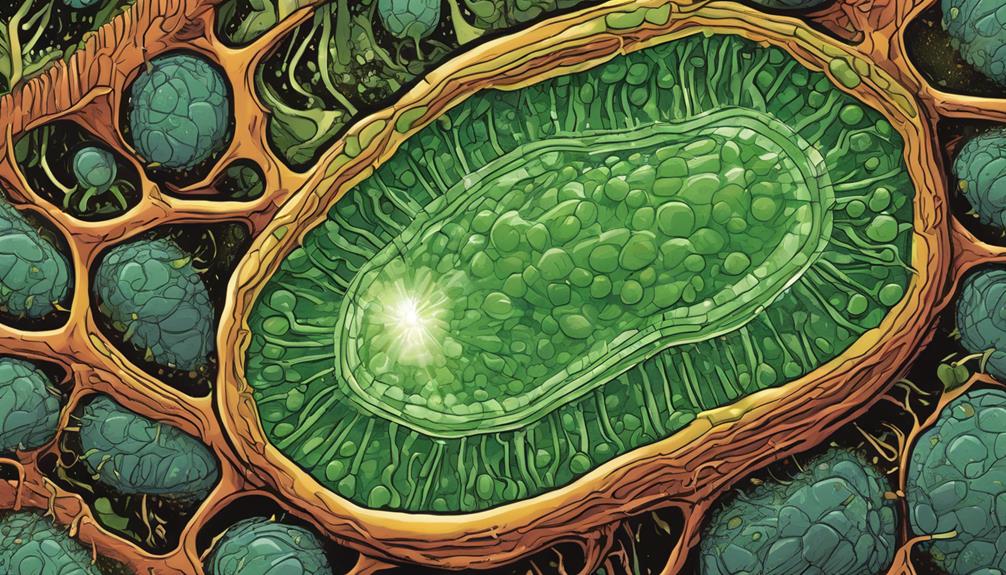
As I explore the world of plant solar energy capture, I’m struck by the clever adjustments that have evolved to maximize efficiency.
Plants have evolved an arsenal of adjustments to optimize their solar energy utilization, from the waxy covering on their surfaces to the strategic arrangement of chloroplasts within their leaves.
The waxy covering reduces water loss and protects against intense sunlight, while stomata regulate gas exchange and water loss to optimize photosynthesis.
Chloroplasts themselves are packed with chlorophyll, the pigment responsible for capturing sunlight and initiating glucose synthesis.
These adjustments enable plants to effectively harness solar energy, and understanding them is essential for appreciating the intricacies of plant solar energy capture.
Leaf Structure and Arrangement
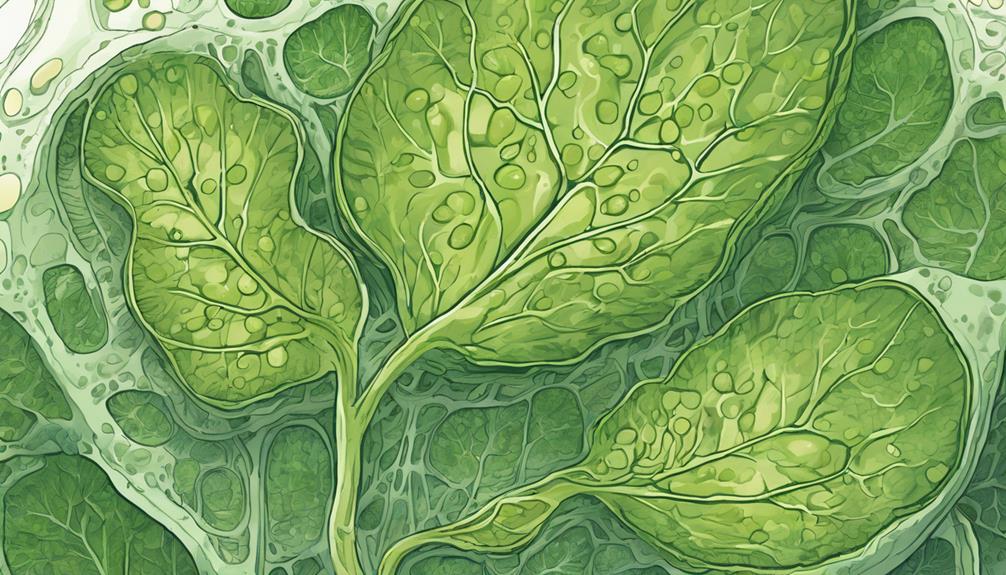
As I explore the realm of plant solar energy capture, I’m struck by the intricate structure and arrangement of leaves, which play a significant role in maximizing solar energy collection. Factors like leaf tilt, form, and thickness influence the amount of light that reaches chloroplasts. This complex interplay has a profound impact on photosynthesis.
- Optimized leaf tilts allow plants to harness sunlight at the ideal intensity, boosting energy production.
- Dense leaf configurations enable plants to absorb light from various angles, increasing energy absorption.
- Leaf patterns that maximize surface area expose more chloroplasts to sunlight, amplifying energy capture.
These intricate details are a tribute to the remarkable adaptations plants have evolved to harness the power of the sun.
Comparing Plant Species

I’m fascinated by the diverse range of adaptations that have evolved in different plant species to optimize their solar energy collection. From the dense, dark-green leaves of shade-tolerant plants to the sparse, light-green leaves of desert dwellers, each species has developed unique strategies to harness the sun’s energy.
Some plants, like succulents, have adapted to store water and reduce transpiration, allowing them to thrive in arid environments. Others, like trees, have developed complex canopies to maximize light absorption. Even the types and amounts of pigments, such as chlorophyll, vary between species, influencing their ability to capture solar energy.
Harnessing Solar Energy

As I explore the realm of plant solar energy capture, I’m intrigued by the intricate mechanisms that enable plants to harness the power of the sun. In the process of harnessing solar energy, plants have developed intricate mechanisms to convert light into chemical energy, which is then stored in the form of glucose.
Here are some astonishing facts about how plants harness solar energy:
- Lightning-fast energy transfer: Energy from light absorption is transferred to the reaction center in a matter of picoseconds, allowing plants to convert light into chemical energy at an amazing rate.
- Pigment power: Chlorophyll and other pigments work together to absorb light energy, with each pigment playing a vital role in the process.
- Efficient energy storage: Plants have evolved to store energy in the form of glucose, which is then used to fuel growth and development.
These mechanisms are a tribute to the incredible adaptability and resilience of plants.
Frequently Asked Questions
How Do Chloroplasts Respond to Changes in Light Intensity?
When light intensity changes, I adapt by adjusting the arrangement of thylakoids and grana to optimize energy absorption, ensuring efficient photosynthesis and glucose production, even in fluctuating sunlight conditions.
Can Chloroplasts Capture Energy From Other Forms of Electromagnetic Radiation?
As I bask in the radiant glow of the sun, I ponder: can chloroplasts harness energy from other forms of electromagnetic radiation? Unfortunately, they’re tailored to capture visible light, leaving other wavelengths in the dark, much like how our own potential often remains untapped.
What Is the Relationship Between Chloroplasts and Plant Growth Rates?
As I explore plant growth, I realize that chloroplasts play a vital role – they convert sunlight into energy, fueling growth and development, with more efficient chloroplasts leading to faster growth rates in plants.
Do Chloroplasts Have a Role in Plant Defense Mechanisms?
Honestly, I hadn’t thought about chloroplasts being involved in plant defense mechanisms, but it makes sense that they’d play a role in protecting plants from pathogens and environmental stresses.
Can Chloroplasts Be Engineered for More Efficient Solar Energy Capture?
“Like a master painter, I envision chloroplasts as canvases, harnessing sunlight with brushstrokes of chlorophyll. Yes, engineering them for more efficient solar energy capture is possible, by optimizing pigment ratios, membrane structure, and protein complexes to amplify energy transfer.”
How Does the Efficiency of Chloroplasts Compare to Unconnected Solar Panels in Capturing Solar Energy?
Chloroplasts are highly efficient at capturing solar energy and converting it into chemical energy for plants to use. On the other hand, unconnected solar panels waste energy because they are not able to efficiently capture and store the solar energy they receive.
Conclusion
As I conclude my journey into the world of chloroplasts, I'm left in awe of these tiny powerhouses that fuel plant life. Like master conductors, they orchestrate the symphony of photosynthesis, harmonizing light, water, and CO2 to produce energy-rich molecules.
As I reflect on the intricate mechanisms and adaptations that enable plants to thrive, I'm reminded that the true magic of chloroplasts lies in their ability to turn sunlight into life itself.
Fall yard work Picks
leaf blowers
As an affiliate, we earn on qualifying purchases.