
Effective moisture control helps you protect your building’s durability, health, and energy efficiency. By managing indoor humidity and using vapor barriers properly, you prevent mold growth, wood rot, and material damage. Keeping humidity between 30-50% reduces the risk of condensation and structural issues. Good moisture control also creates a healthier environment and minimizes repair costs. If you want to guarantee your building performs at its best over time, understanding these strategies is key.
Key Takeaways
- Moisture control prevents mold, rot, and structural damage, extending building lifespan and maintaining integrity.
- Proper humidity levels improve indoor air quality and occupant health.
- Using vapor barriers and correct installation reduces moisture infiltration and condensation risks.
- Managing environmental and material factors optimizes moisture behavior within the building envelope.
- Effective moisture strategies enhance energy efficiency and reduce costly repairs.
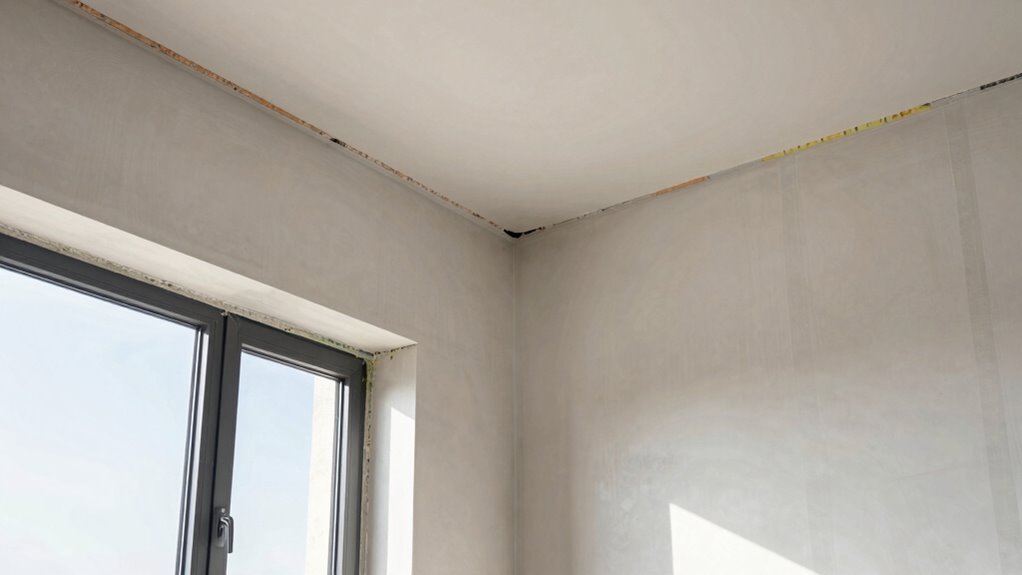
Controlling moisture is essential for maintaining a healthy and durable building. When you manage moisture effectively, you prevent issues like mold growth, wood rot, and structural deterioration. One of the key aspects of moisture control is managing indoor humidity levels. Too much humidity inside your building creates an environment conducive to mold and bacteria, which can harm both the structure and your health. On the other hand, overly dry conditions can cause materials like wood and drywall to crack or shrink. Striking the right balance in indoor humidity isn’t just about comfort — it’s about preserving the integrity of your building over time. Using a humidistat or dehumidifier helps you monitor and adjust indoor humidity levels, keeping them within the ideal range of 30-50%. This fine-tuned control minimizes moisture-related problems and promotes a healthier indoor atmosphere. Proper moisture management also involves understanding how environmental factors influence humidity and moisture migration within the building envelope. Recognizing the role of environmental factors can help in designing effective moisture control strategies tailored to specific climates and conditions. Additionally, understanding building materials is crucial, as different materials respond uniquely to moisture exposure and can affect the overall moisture dynamics of a structure.
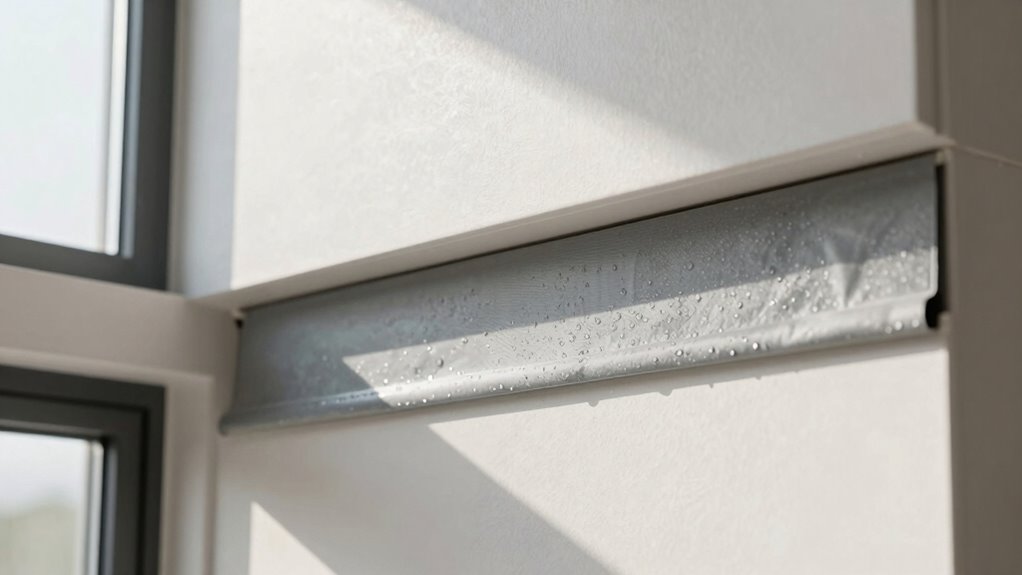
Another critical element in moisture management is the use of vapor barriers. Vapor barriers are materials installed within walls, floors, or ceilings that prevent moisture from passing through and condensing inside structural components. When you properly install vapor barriers, you create a barrier that stops water vapor from migrating into sensitive areas where it could cause damage. Proper installation techniques are essential to ensure vapor barriers function effectively, avoiding common mistakes that can compromise their performance. For example, in colder climates, vapor barriers are typically placed on the warm side of insulation to prevent warm, moist indoor air from reaching cool surfaces where it can condense and lead to mold or rot. Without vapor barriers, moisture can seep into wall cavities or beneath flooring, resulting in long-term damage that’s costly and disruptive to repair. Proper placement and selection of vapor barriers are essential; if installed incorrectly, they can trap moisture or redirect it into unintended spaces, exacerbating problems rather than preventing them.
As an affiliate, we earn on qualifying purchases.
Frequently Asked Questions
How Does Moisture Infiltration Affect Indoor Air Quality?
Moisture infiltration can considerably harm your indoor air quality by promoting indoor mold growth, which releases spores into the air you breathe. These mold spores can cause allergies, respiratory issues, and other health problems. When moisture isn’t controlled, it creates a breeding ground for mold, reducing air quality and making your indoor environment unsafe. Proper moisture control is essential to prevent indoor mold and maintain a healthy, breathable space.
What Are the Long-Term Cost Benefits of Moisture Control?
By implementing effective moisture control, you’ll see significant long-term cost benefits. It leads to cost savings through reduced energy bills and fewer repairs, as moisture-related damage diminishes. Maintenance reduction is another advantage, since controlling moisture prevents mold, rot, and structural issues that demand frequent upkeep. Over time, these benefits add up, making your building more efficient, durable, and less costly to maintain, ensuring you get the most value from your investment.
Which Materials Are Most Resistant to Moisture Damage?
Did you know that buildings with proper moisture-resistant materials last up to 30% longer? You should prioritize moisture-resistant materials like treated wood, concrete, and certain plastics. Incorporate moisture barrier solutions such as vapor barriers and sealants to protect your structure from water intrusion. These materials and solutions effectively prevent moisture damage, helping you maintain structural integrity, reduce maintenance costs, and guarantee long-term durability of your building.
How Often Should Building Moisture Levels Be Monitored?
You should monitor building moisture levels regularly, ideally once a month, especially in humid climates or during seasonal changes. Use humidity sensors to get accurate readings and guarantee the vapor barriers are functioning properly to prevent unwanted moisture intrusion. Regular checks help you catch issues early, allowing you to adjust ventilation or insulation as needed, ultimately maintaining a healthier, more energy-efficient building environment.
What Innovative Technologies Aid in Moisture Management?
You can utilize smart sensors and vapor barriers to effectively manage moisture. Smart sensors monitor humidity levels in real-time, alerting you to potential issues before they escalate. Vapor barriers prevent moisture intrusion and diffusion through walls and floors, maintaining stability. Together, these innovative technologies enable proactive moisture control, reduce damage risks, and improve overall building performance, ensuring a healthier, more durable environment for occupants.
Conclusion
Think of moisture control as the heartbeat of your building—keeping everything in sync and thriving. When you manage moisture effectively, you prevent damage, improve energy efficiency, and create a healthier indoor environment. Without it, your building is like a boat taking on water, risking sinking under the weight of unseen problems. So, stay vigilant and proactive. By controlling moisture, you’re not just protecting your investment—you’re ensuring it stands strong and resilient for years to come.