
TL;DR

Get garden gear delivered free with Prime
- Fast, free delivery on millions of items
- Prime Video, Amazon Music and more included
- Member-only deals all year
London’s trees are under increasing threat from drought conditions linked to climate change. Authorities and experts emphasize the need for immediate protective measures to prevent widespread tree loss and urban ecosystem decline.
London’s trees are experiencing increasing stress due to ongoing drought conditions, with experts warning that without immediate intervention, significant tree loss could occur. This development highlights the urgent need for strategies to protect the city’s urban canopy amid climate change-driven weather patterns.
Recent reports indicate that prolonged dry spells and rising temperatures are adversely affecting London’s trees, which are vital for air quality, urban cooling, and biodiversity. Authorities and environmental groups are now emphasizing the importance of targeted measures such as watering campaigns, soil management, and tree health monitoring to mitigate damage. While the extent of the current impact is still being assessed, preliminary observations show signs of leaf scorch, early leaf drop, and increased mortality in vulnerable species.
Experts from London’s forestry and environmental agencies warn that if drought conditions persist or worsen, the health of the urban forest could decline sharply. Some city officials have called for increased funding for green infrastructure projects and community-led tree care initiatives to bolster resilience. However, specific policy responses and resource allocations are still under discussion, and detailed assessments of the most effective protective measures are ongoing.
Why Protecting London’s Trees Is Critical During Drought
London’s trees are essential for maintaining air quality, reducing urban heat, and supporting biodiversity within the city. Their decline due to drought could exacerbate urban heat island effects, worsen air pollution, and diminish green spaces that residents rely on for recreation and mental health. Protecting the urban canopy is thus a vital component of London’s climate adaptation strategy, especially as climate models project more frequent and severe droughts in the future.
As an affiliate, we earn on qualifying purchases.
Climate Change and Urban Drought: Increasing Risks for London’s Green Spaces
London has experienced an uptick in dry weather and heatwaves over recent years, consistent with broader climate change trends. Historically, urban trees have faced threats from pollution and development, but recent droughts have added a new layer of stress. The current dry spell, which has persisted for several weeks, is part of a pattern of increasingly unpredictable weather, prompting concern among environmentalists and city planners. Past droughts have shown that without proper management, urban trees can suffer long-term damage, leading to higher costs for replacement and reduced ecosystem services.
While droughts are not new to London, the frequency and intensity appear to be rising, making proactive measures more urgent. Local authorities have begun to monitor soil moisture levels and tree health more closely, but comprehensive strategies to combat drought-related damage are still being developed.
Uncertainties About Long-Term Impact and Effective Measures
It is not yet clear how severe the drought’s impact will be on London’s entire urban forest or which specific protective measures will prove most effective. Experts caution that the duration and intensity of ongoing dry conditions will significantly influence outcomes. Additionally, the funding and policy responses are still being finalized, and there is uncertainty about the scale of community involvement and resource allocation needed to implement large-scale protection strategies.
Next Steps for London’s Tree Protection During Drought
Authorities and environmental groups are expected to increase monitoring efforts and expand watering programs in the coming weeks. Policy discussions are underway to allocate more resources for urban forestry and develop comprehensive drought resilience plans. Researchers will continue to assess tree health impacts, and public awareness campaigns may be launched to encourage community-led care. The situation remains dynamic, with further updates anticipated as data on drought severity and tree health outcomes become available.
Key Questions
What specific measures are being taken to protect London’s trees?
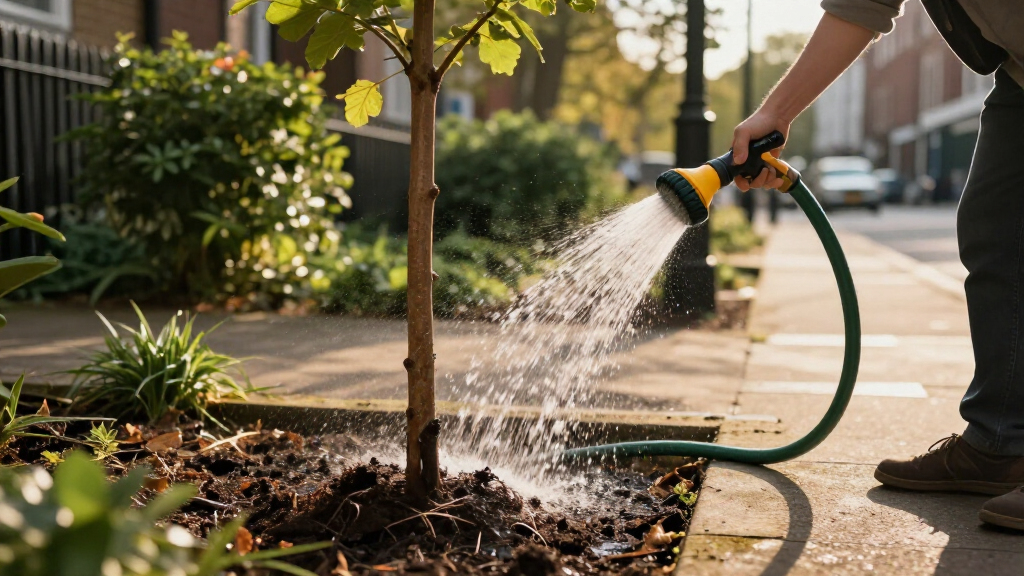
Authorities are implementing targeted watering, soil management, and health monitoring programs. Discussions are ongoing about expanding green infrastructure investments and community involvement.
How does drought threaten London’s urban trees?
Drought causes water stress, leaf scorch, early leaf drop, and increased mortality, especially among vulnerable species, reducing the city’s green cover and ecosystem services.
What long-term strategies are being considered?
Long-term plans include enhancing soil moisture retention, planting drought-resistant species, increasing green infrastructure, and developing policies for climate adaptation.
When will the full impact of the drought on London’s trees be known?
It is uncertain; ongoing assessments over the coming months will reveal the extent of damage and the effectiveness of protective measures.
Why is protecting urban trees important for London’s climate goals?
Urban trees help reduce heat, improve air quality, and support biodiversity, making them vital for London’s climate resilience and quality of life.
Source: local
Fall yard work Picks
leaf blowers
As an affiliate, we earn on qualifying purchases.