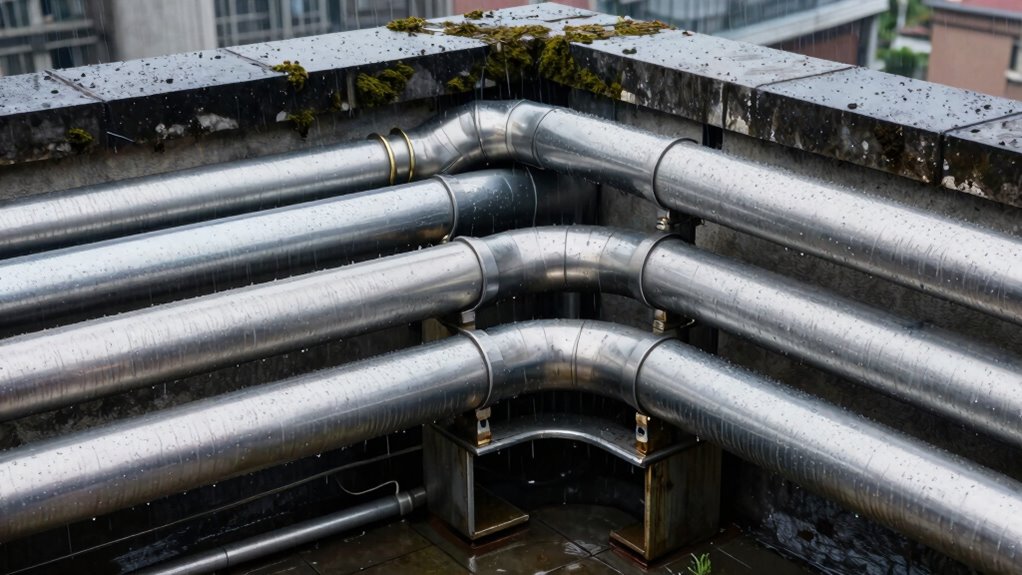

Rainwater systems often become more complex than they seem because you need to navigate crowded urban environments, fitting equipment around buildings, roads, and underground utilities. You also have to guarantee compatibility with existing infrastructure to prevent disruptions and maintain aesthetics. Weather unpredictability adds another layer of challenge, requiring adaptable designs and ongoing maintenance. If you keep exploring, you’ll discover how these factors influence effective stormwater management and system resilience in detail.

Get garden gear delivered free with Prime
- Fast, free delivery on millions of items
- Prime Video, Amazon Music and more included
- Member-only deals all year
Key Takeaways
- Urban infrastructure constraints require customized solutions to integrate rainwater systems without disrupting existing utilities.
- Managing variable rainfall and ensuring long-term performance demands adaptable, resilient system designs.
- Incorporating advanced filtration and water reuse technologies adds complexity for maintenance and compliance.
- Coordinating with city planners and stakeholders is essential to navigate aesthetic and regulatory considerations.
- Ensuring seamless integration with underground networks and drainage systems increases design and implementation challenges.
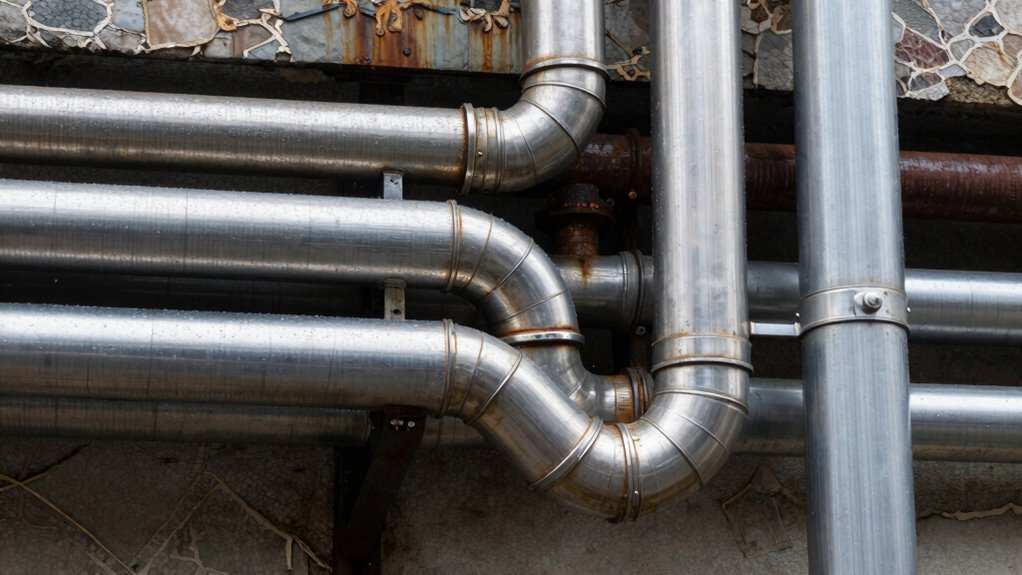
Rainwater systems often appear straightforward, but their complexity lies in the many factors that influence their design and performance. At first glance, collecting and redirecting rainwater seems simple—just a few gutters and pipes, right? But once you start examining urban integration, things get more complicated. Cities are dense, with buildings, roads, and underground infrastructure all vying for space. You need to guarantee that your rainwater system works seamlessly within this environment, which means accounting for existing utilities, underground tunnels, and the layout of streets. Urban integration isn’t just about fitting the system into a tight space; it’s about making sure it complements the city’s infrastructure, avoiding disruptions, and maintaining aesthetics. This often requires intricate planning, collaboration with city planners, and sometimes, custom solutions to adapt to the unique urban landscape. Additionally, the variability in weather patterns means that designing adaptable systems is essential to handle changing rainfall intensities effectively.
Urban rainwater systems require careful planning to integrate seamlessly with existing infrastructure and maintain city aesthetics.
Stormwater management is another layer that adds to the complexity. Managing rainfall isn’t just about preventing leaks or overflows; it’s about controlling how stormwater moves through and leaves your property or cityscape. Effective stormwater management involves understanding rainfall patterns, drainage capacities, and water flow dynamics. If you overlook any of these factors, you risk flooding, erosion, or water pollution. Modern systems often incorporate green infrastructure, like permeable pavements or rain gardens, which require careful design to be effective. These features need to integrate with existing drainage systems and urban landscapes without causing unintended consequences, such as clogging or inefficient water dispersal. Proper planning for stormwater flow is critical to ensure the long-term sustainability of urban rainwater systems. Furthermore, employing advanced materials can enhance system durability and performance, though they often demand specialized installation techniques and ongoing maintenance.
Furthermore, the materials and technology you choose influence how complex your rainwater system becomes. Advanced filtration or water reuse components can improve functionality but require maintenance, monitoring, and proper installation. You also have to contemplate environmental regulations and sustainability goals, which can impose additional standards and constraints. For example, implementing rainwater harvesting for irrigation or non-potable uses must meet local codes, adding another layer of compliance to the design process. Understanding urban infrastructure is crucial for developing integrated solutions that work harmoniously within the city’s existing systems.
urban rainwater harvesting system
As an affiliate, we earn on qualifying purchases.
As an affiliate, we earn on qualifying purchases.
Frequently Asked Questions
How Do Climate Changes Impact Rainwater System Design?
Climate changes impact rainwater system design by requiring you to focus on climate adaptation and water conservation. You need to anticipate more intense storms and unpredictable rainfall patterns, guaranteeing your system can handle heavy runoff and prevent flooding. Incorporate flexible, resilient components that adapt to changing conditions. By prioritizing water conservation and climate adaptation, you make certain your rainwater system remains effective and sustainable amid shifting climate patterns.
What Are the Common Maintenance Challenges for Complex Rainwater Systems?
Ever wondered what makes maintaining complex rainwater systems tricky? You’ll face filtration issues and clogging concerns regularly. Debris buildup can block filters, reducing efficiency and risking overflow. Regular inspections and cleaning are essential, but managing intricate piping can be intimidating. Are you prepared to troubleshoot these challenges promptly? Staying proactive with routine maintenance and understanding system intricacies helps prevent costly repairs and keeps your rainwater system running smoothly.
How Does Building Height Affect Rainwater System Complexity?
Building height greatly influences rainwater infrastructure complexity because taller structures require more extensive piping and drainage solutions to manage runoff effectively. As you go higher, you need stronger, more sophisticated systems to prevent flooding and guarantee proper water flow. You might also face challenges with increased pressure and space constraints. Therefore, taller buildings demand a more intricate rainwater system design to handle the volume and flow dynamics properly.
Are There Eco-Friendly Materials for Advanced Rainwater Systems?
Are eco-friendly materials for advanced rainwater systems really worth considering? Absolutely. You can choose sustainable innovations like recycled plastics, bamboo, or biodegradable pipes that minimize environmental impact. These eco-friendly materials not only support sustainability goals but also often enhance system durability and efficiency. By opting for greener options, you’re helping reduce waste and conserve resources, proving that advanced rainwater systems can be both innovative and environmentally responsible.
What Technological Innovations Are Improving Rainwater System Efficiency?
You’ll find that smart sensors and modular components are transforming rainwater system efficiency. Smart sensors monitor water levels, flow, and quality in real-time, allowing you to optimize usage and detect issues early. Modular components enable you to easily expand or customize your system without extensive overhaul. Together, these innovations make your rainwater system more adaptable, reliable, and efficient—helping you manage water resources smarter and more sustainably.
Conclusion
As you watch rainwater weave through gutters and pipes, you realize it’s more than just water—it’s a delicate dance of design and nature. Each twist and turn reveals layers of complexity, much like a hidden web beneath the surface. What seems simple at first glance transforms into a symphony of engineering, reminding you that even the gentlest rain can carry intricate stories, waiting to be uncovered by those who look closer.
Fall Picks
fall essentials
As an affiliate, we earn on qualifying purchases.