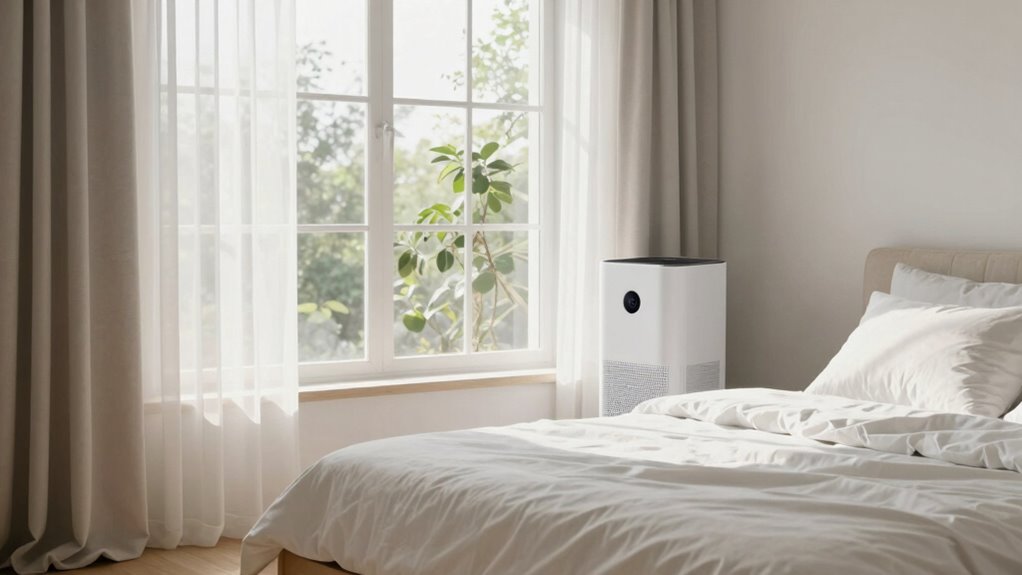

Better ventilation improves your sleep, comfort, and focus by enhancing indoor air quality and regulating temperature and humidity. Fresh airflow reduces allergens, pollutants, and excess moisture, creating a healthier environment that promotes deeper, more restful sleep. It prevents mold growth and maintains consistent comfort throughout the day. Good airflow also clears odors and carbon dioxide, helping you stay alert and focused. If you keep exploring, you’ll discover even more ways ventilation supports your well-being and daily performance.
Key Takeaways
- Improved airflow enhances indoor air quality, reducing pollutants and allergens that disrupt sleep and cause discomfort.
- Proper ventilation regulates humidity and temperature, creating a stable environment for restful sleep and comfort.
- Fresh air circulation prevents mold, bacteria, and irritants, supporting respiratory health and overall well-being.
- Good ventilation reduces indoor toxins and carbon dioxide buildup, boosting daytime focus and mental clarity.
- Maintaining optimal indoor conditions through ventilation promotes long-term health and a more comfortable living space.
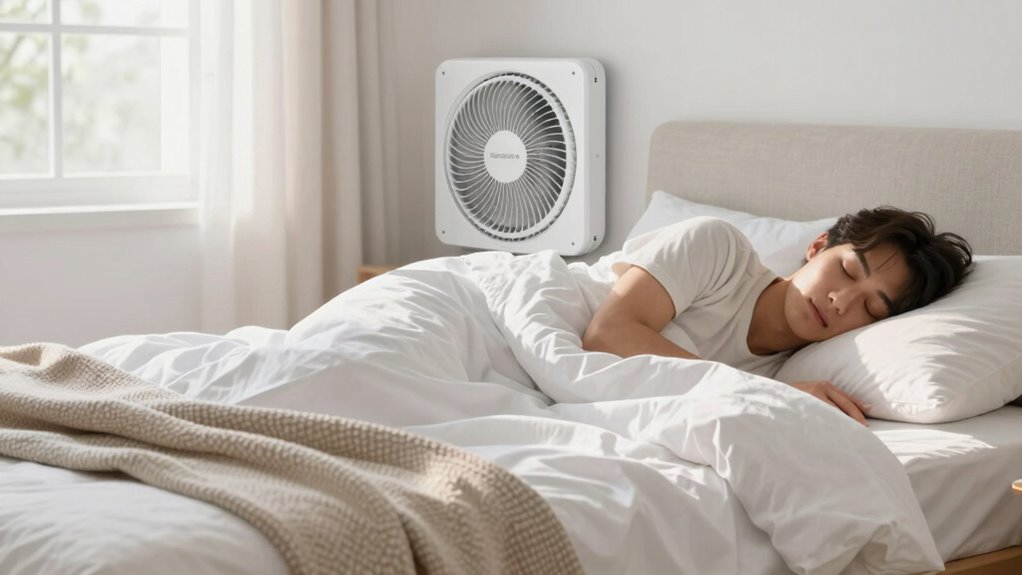
Good ventilation plays a crucial role in ensuring a restful sleep, maintaining comfort, and sharpening your focus during the day. When your indoor environment has proper airflow, the air quality improves, reducing pollutants, allergens, and excess moisture. This creates a healthier indoor climate, which directly influences how well you sleep and how alert you feel throughout the day. Poor ventilation often leads to stale air that can contain mold spores, dust, and volatile organic compounds. These contaminants can cause headaches, fatigue, and difficulty concentrating, all of which diminish your overall well-being. By increasing airflow, you can markedly improve the air quality inside your space, making it easier to breathe comfortably and sleep soundly.
A better indoor climate, achieved through effective ventilation, helps regulate temperature and humidity levels. When your room is too humid, it feels damp and uncomfortable, making it harder to relax or fall asleep. Conversely, overly dry air can cause irritation to your respiratory passages, leading to discomfort and disturbed sleep. Proper ventilation balances these elements, creating a stable environment that promotes comfort and restful nights. This balance also prevents the build-up of indoor pollutants, which can impair your respiratory health and lead to restless sleep or nighttime awakenings. Maintaining a consistent indoor climate through ventilation fosters a sense of calm and stability, helping you drift into deeper, uninterrupted sleep cycles. Additionally, air circulation plays a key role in dispersing airborne contaminants and maintaining optimal indoor air quality. Ensuring good ventilation also supports indoor air quality by reducing the concentration of potential irritants and allergens. Proper airflow can also help prevent the growth of mold and bacteria, which thrive in poorly ventilated spaces. A well-ventilated environment can also reduce the risk of indoor pollution, contributing to long-term health benefits.
During the day, good airflow keeps your environment fresh, which enhances your focus and productivity. When the indoor climate feels stuffy or stale, your brain struggles to stay alert. You might notice fatigue or difficulty concentrating, especially during long work sessions or study periods. Introducing fresh air through ventilation clears out lingering odors and reduces indoor toxins, giving your mind the clarity it needs to perform at its best. Additionally, a well-ventilated space prevents the buildup of carbon dioxide, which can cause drowsiness and sluggishness. When you prioritize improving air quality and indoor climate, you’re not just creating a more comfortable space; you’re actively supporting your cognitive function and overall health. Maintaining proper air quality is essential for sustained mental clarity and overall well-being.

MOOKA Air Purifier for Home Bedroom Large Room 2200 Ft², True HEPA Filter
- Large Coverage Area: Cleans up to 2200 ft² per hour
- Enhanced Pet Hair Intake: Larger air inlets for pet hair and odor
- Smart Air Quality Monitoring: Real-time PM2.5 display and auto mode
As an affiliate, we earn on qualifying purchases.
As an affiliate, we earn on qualifying purchases.
Frequently Asked Questions
How Does Ventilation Affect Indoor Air Quality Over Time?
Good ventilation improves indoor air quality over time by increasing air circulation and reducing pollutants. It helps remove stale air, bringing in fresh air continuously. Ventilation also aids humidity control, preventing excess moisture that can lead to mold and allergens. As you maintain proper airflow, you’ll notice cleaner, healthier indoor air, which reduces respiratory issues and enhances your comfort and focus, making your space more pleasant and conducive to well-being.
Can Poor Ventilation Increase Allergy Symptoms During Sleep?
You might notice more allergy symptoms during sleep if ventilation is poor. When airflow is limited, airborne allergens like dust mites and pet dander linger, irritating your airways. This disruption can alter your breathing patterns, making it harder to breathe freely. As a result, your sleep quality drops, and allergy symptoms worsen. Improving ventilation helps clear airborne allergens, supports healthier breathing patterns, and creates a more comfortable, allergy-friendly sleep environment.
What Types of Ventilation Systems Are Most Energy-Efficient?
You should consider energy-efficient ventilation systems like energy-saving fans and smart ventilation. Energy-saving fans use less power while providing effective airflow, reducing energy bills. Smart ventilation systems automatically adjust airflow based on indoor air quality and occupancy, optimizing energy use. These options not only improve ventilation but also help you save energy, making your home more sustainable and cost-effective while maintaining a comfortable, healthy environment.
How Quickly Can Improved Ventilation Impact Focus and Alertness?
Within minutes of improving air circulation, you’ll notice a boost in focus and alertness. For example, a study shows that increasing oxygen levels in an office led to clearer thinking and quicker decision-making within just 15 minutes. When air circulation enhances oxygen levels, your brain receives more essential oxygen, reducing fatigue and sharpening concentration rapidly. You’ll feel more energized and attentive almost immediately after ventilation improvements.
Are There Risks Associated With Excessive or Improper Ventilation?
Yes, there are risks with excessive or improper ventilation. Poor air circulation can lead to drafts, temperature swings, or low humidity, causing discomfort or respiratory issues. Over-ventilating may introduce outdoor pollutants or allergens. Following ventilation standards helps balance airflow, ensuring fresh air without compromising comfort or safety. You should regularly check your system to prevent these issues, maintaining ideal air quality and avoiding potential health risks.
Conclusion
Better ventilation isn’t just about fresh air; it’s the secret ingredient that transforms your sleep, comfort, and focus. When your space breathes freely, sleep becomes a peaceful river flowing smoothly, comfort feels like a warm hug, and focus sharpens like a well-honed blade. Think of your room as a living, breathing partner—its breath directly shaping your well-being. Embrace good airflow, and watch your days flow effortlessly, like a gentle breeze carrying away worries.