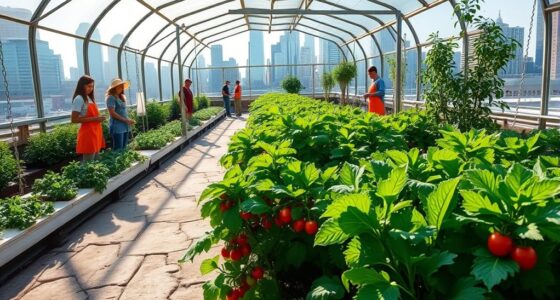

Intergenerational gardening programs create stronger outcomes because they bring together various age groups to share knowledge, build relationships, and work toward common goals. You’ll see how mentorship fosters personal growth, while collaborative activities promote community health and well-being. These programs also encourage environmental awareness and sustainable practices that last beyond the garden beds. If you keep exploring, you’ll discover more ways this approach strengthens communities and creates meaningful, lasting connections.

Get garden gear delivered free — and shop member deals
- Fast, free delivery on millions of items
- Access to Prime Big Deal Days deals on October 6–7
- Prime Video, Amazon Music and more included
Key Takeaways
- Foster collaboration across age groups, enhancing social bonds and community cohesion.
- Facilitate knowledge exchange, combining traditional wisdom and modern gardening practices.
- Promote personal growth, patience, and responsibility through shared gardening activities.
- Improve community health by increasing physical activity and reducing social isolation.
- Build sustainable communities by nurturing lasting relationships and collective environmental efforts.
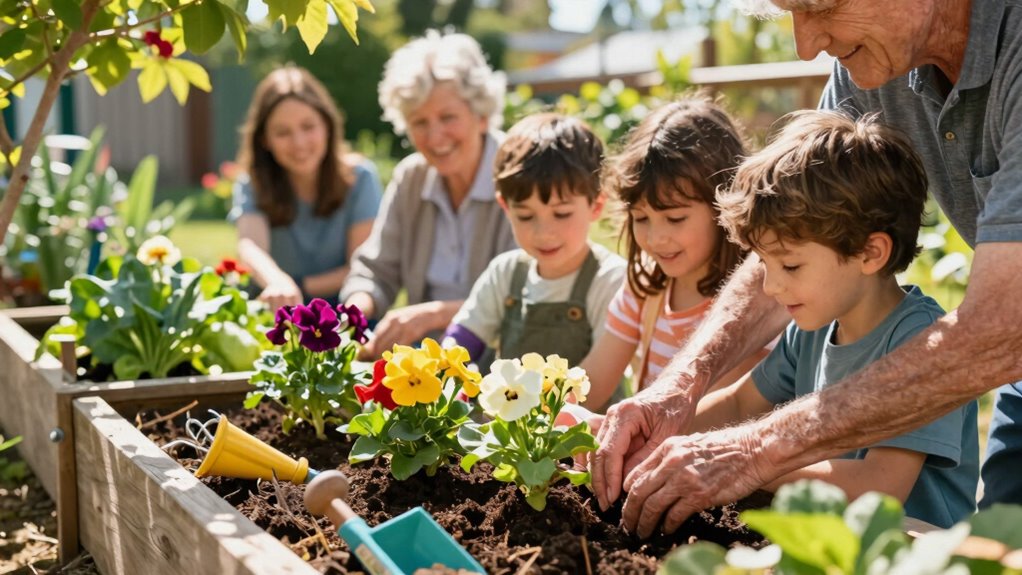
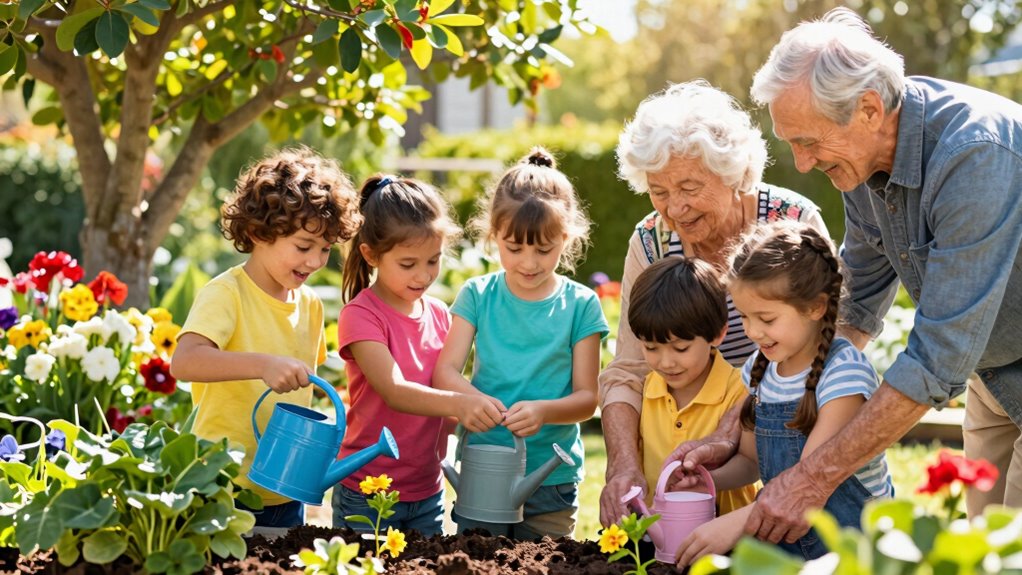
Intergenerational gardening programs bring together people of all ages to nurture plants and build stronger community bonds. When you participate in these programs, you’re not just planting seeds—you’re cultivating connections that span generations. Such initiatives foster community engagement by encouraging collaboration among children, teens, adults, and seniors. Everyone has a role, whether it’s planting, watering, or sharing stories about the plants’ growth. This collective effort creates a sense of shared purpose and belonging, which can strengthen the fabric of your community. It’s more than just gardening; it’s about building relationships that last beyond the garden beds.
Intergenerational gardening nurtures community bonds and lasting relationships through shared care and stories across all ages.
One of the powerful benefits of intergenerational gardening is its ability to serve as a platform for environmental education. As you work together in the soil, you learn about sustainable practices, native plants, and ecological systems firsthand. Older generations bring valuable knowledge about traditional gardening methods and local ecology, while younger participants often introduce new ideas and modern techniques. This exchange of expertise enhances everyone’s understanding of environmental issues, inspiring more responsible behaviors. You get to see how small actions—like composting or conserving water—can make a big difference, fostering a sense of environmental stewardship among all ages. Additionally, these programs often incorporate technology tools that help participants learn about gardening and sustainability in innovative ways. Incorporating these tools broadens access and makes learning more engaging for all participants. Recognizing the role of biodiversity in maintaining healthy ecosystems further deepens the educational impact of these programs. Furthermore, engaging with diverse plant species can also promote awareness of local ecosystems and their importance. A focus on native plants can particularly enhance understanding of regional ecological balance and conservation efforts.
Furthermore, these programs create opportunities for mentorship and skill-sharing. As you teach or learn from others, you gain a deeper appreciation for different perspectives and experiences. Children might learn patience and responsibility from elders, while seniors benefit from the energy and enthusiasm of youth. This reciprocal learning nurtures not just plants but also personal growth and mutual respect. The garden becomes a living classroom, where lessons extend beyond horticulture into life skills like teamwork, resilience, and communication.
Intergenerational gardening programs also have a tangible impact on community health and well-being. As you dig in the dirt together, physical activity increases, which benefits everyone’s health. Sharing the space outdoors can reduce feelings of isolation, especially among seniors, while fostering a sense of purpose for younger participants. The act of growing food or flowers can instill pride and accomplishment, boosting self-esteem. These programs often attract diverse community members, breaking down social barriers and creating a more inclusive environment where everyone feels valued.
In essence, when you engage in intergenerational gardening, you’re planting more than seeds—you’re sowing the foundation for stronger, more resilient communities. The combination of community engagement and environmental education makes these programs uniquely effective at creating lasting positive outcomes, enriching lives and landscapes alike. Recognizing the importance of community involvement ensures these programs continue to thrive and benefit future generations.
intergenerational gardening tools set
As an affiliate, we earn on qualifying purchases.
As an affiliate, we earn on qualifying purchases.
Frequently Asked Questions
How Are Participants Selected for Intergenerational Gardening Programs?
You participate in intergenerational gardening programs through targeted participant recruitment efforts that reach diverse community groups. Program organizers often partner with local schools, senior centers, and community organizations to guarantee diversity. They prioritize inclusivity, encouraging people of different ages, backgrounds, and abilities to join. This approach fosters a rich, engaging environment where everyone benefits, creating stronger community bonds and enriching the gardening experience for all ages involved.
What Safety Measures Are Implemented During Gardening Activities?
You guarantee safety during gardening activities by always prioritizing garden safety and equipment maintenance. You double-check tools for sharp edges or damage before use, preventing accidents. You also provide clear instructions, supervise activities closely, and encourage participants to wear gloves and protective gear. Regularly inspecting and maintaining garden equipment minimizes risks, fostering a secure environment where all ages can enjoy gardening together safely and confidently.
How Do Programs Accommodate Different Physical Abilities?
You can accommodate different physical abilities by providing adaptive tools, like ergonomic trowels or kneeling pads, to make gardening easier. Mobility accommodations are essential, so you might include raised garden beds or wheelchair-accessible pathways. These adjustments allow everyone to participate comfortably and safely, ensuring that all generations can enjoy gardening together and benefit from the program’s inclusive environment.
Are There Funding Opportunities for Starting New Programs?
Think of funding opportunities as a garden waiting to bloom; grant opportunities and sponsorship partnerships are your seeds. You can apply for local, state, or national grants designed for community projects, while sponsorships from local businesses can provide ongoing support. Reach out to organizations aligned with your mission, and you’ll find resources ready to help you cultivate a thriving intergenerational gardening program that benefits everyone involved.
How Is Program Success Measured Beyond Participant Feedback?
You measure program success beyond participant feedback by tracking participant engagement levels and observing long-term impacts. Increased engagement indicates participants find value and stay involved, while long-term impacts—like improved community health, stronger relationships, or enhanced environmental awareness—show lasting benefits. Regular assessments, surveys, and community observations help you gauge these outcomes, ensuring your program fosters meaningful, sustainable change that extends beyond immediate satisfaction.
Conclusion
Imagine a garden where young and old plant seeds together, each nourishing the other’s growth. When you participate in intergenerational gardening programs, you’re cultivating more than just flowers—you’re planting understanding and kindness that bloom over time. Studies show these programs boost community bonds and well-being. Just like a well-tended garden flourishes with care, these programs thrive on connection, creating a vibrant, resilient community where everyone’s roots intertwine and grow stronger together.
Halloween Picks
halloween
As an affiliate, we earn on qualifying purchases.