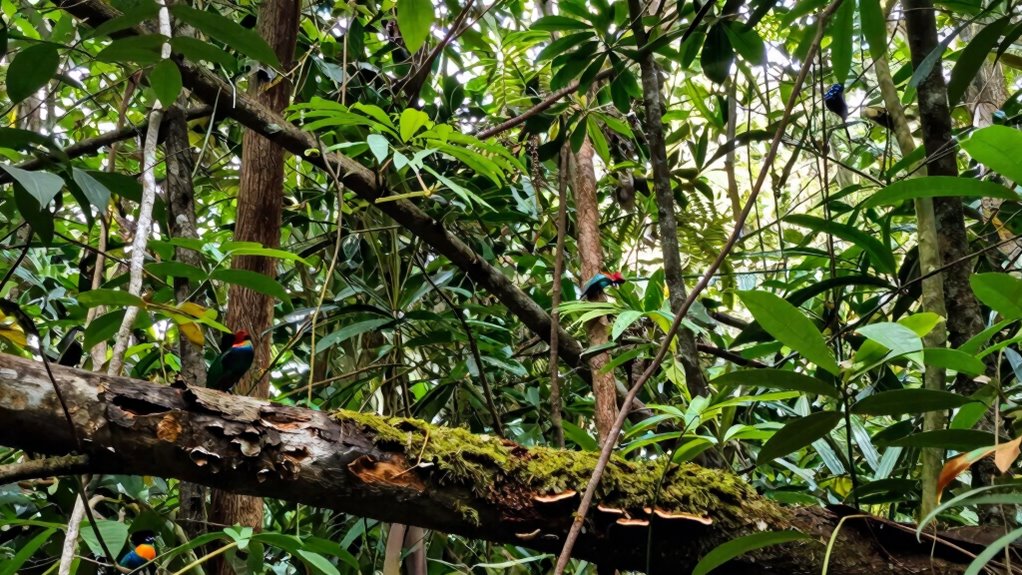

Biodiversity loss affects more than just wildlife counts because it weakens entire ecosystems, making them less resilient to changes and disturbances. When species decline, essential processes like pollination, nutrient cycling, and water purification suffer, risking the stability of resources you depend on. This loss reduces natural defenses against disasters and impairs climate regulation. Understanding how interconnected these systems are reveals why protecting biodiversity is critical for your safety and wellbeing—keep exploring to see how everything connects.
Key Takeaways
- Biodiversity loss weakens ecosystem resilience, impairing recovery and increasing vulnerability to environmental changes.
- Reduced genetic diversity limits species’ ability to adapt to climate shifts and resource fluctuations.
- Disrupting species impacts vital ecosystem functions like pollination, nutrient cycling, and water quality.
- Loss of biodiversity diminishes ecosystem services essential for human health, safety, and economic stability.
- Decline in species threatens the stability of entire systems, risking broader environmental and societal collapse.
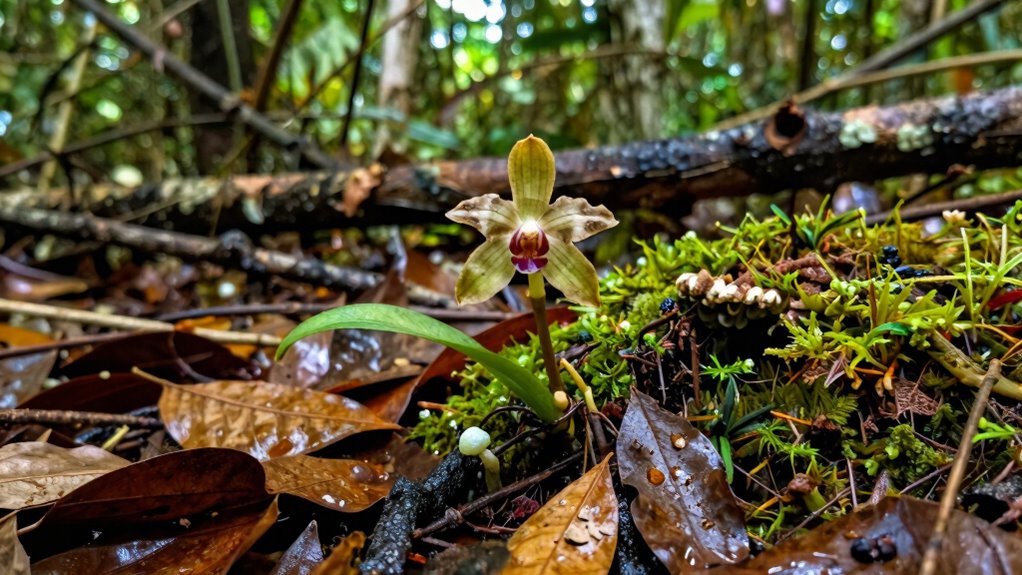
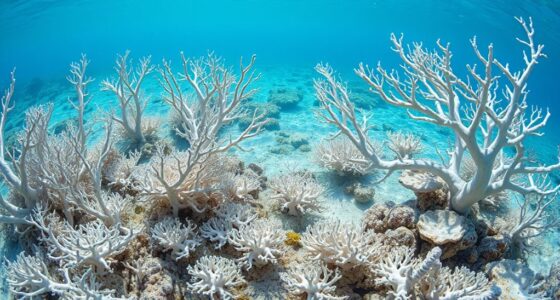
Biodiversity loss poses a significant threat to the stability of ecosystems and the well-being of humanity. When species disappear, it’s not just about losing animals or plants; it’s about weakening the entire web of life that sustains us. One of the pivotal consequences is the reduction in ecosystem resilience — your ecosystem’s ability to recover from disturbances like storms, droughts, or disease outbreaks. With fewer species and less genetic diversity, ecosystems become more fragile. You might notice that a once-lively forest or coral reef becomes more vulnerable to invasive species, pests, or environmental changes, making recovery slower or even impossible. This loss of resilience can lead to irreversible damage, impacting everything from water quality to climate regulation.
At the core of these changes is genetic diversity, which acts as a buffer against environmental stresses. When ecosystems lack genetic variation, they’re less adaptable to sudden changes, such as shifts in temperature or nutrient availability. You see, genetic diversity within species ensures that some individuals can survive and thrive under new conditions, helping the species as a whole endure. Without this diversity, entire populations become vulnerable to extinction. The decline in genetic variation also hampers the ability of species to evolve in response to threats, further weakening the ecosystem’s overall health. This means that as biodiversity diminishes, the capacity of ecosystems to adapt diminishes too, directly impacting the services you rely on—like clean air, fresh water, and fertile soil.
Furthermore, the interconnectedness of species means that the loss of even a single species can trigger a cascade of effects throughout the ecosystem. You might think that removing one species isn’t a big deal, but it often disrupts predator-prey relationships, pollination processes, or nutrient cycling. These disruptions weaken the entire system, making it less capable of withstanding future shocks. As biodiversity declines, ecosystems lose their complexity, which is essential for maintaining stability. You may also notice that genetic diversity plays a crucial role in how resilient an ecosystem remains in the face of environmental stressors. This isn’t just about wildlife; it’s about your safety, food security, and the health of the planet. Recognizing the importance of ecosystem resilience emphasizes that protecting biodiversity is vital for maintaining the natural buffers that safeguard human communities from disasters.
Understanding the interdependence of species highlights how the loss of one can lead to broader ecosystem failure. When biodiversity diminishes, the natural buffers that protect human communities also weaken, increasing the risk of disasters and reducing the ability to recover swiftly. Recognizing the role of genetic diversity in this context demonstrates how vital maintaining variation within species is for overall ecosystem health and longevity. Additionally, the loss of biodiversity can lead to a reduction in ecosystem services, which are essential for human survival and economic stability. Ultimately, understanding that biodiversity loss changes more than just wildlife counts helps you recognize its broader impact. It’s about the stability and resilience of the entire system that sustains life, including yours. Protecting biodiversity isn’t merely a matter of conservation; it’s a fundamental step toward guaranteeing a resilient future where ecosystems can adapt, recover, and continue to support human well-being.

Aquatic Biodiversity and Conservation Classes Write On Me Red 18×24 in Single Sided Yard Road Sign w/Stand
Pre printed sign with area for you to write personalized information
As an affiliate, we earn on qualifying purchases.
As an affiliate, we earn on qualifying purchases.
Frequently Asked Questions
How Does Biodiversity Loss Affect Human Health Globally?
Biodiversity loss impacts your health by disrupting ecosystem health, which can lead to increased disease transmission. As habitats shrink, you might face more zoonotic diseases jumping from animals to humans. Reduced biodiversity also weakens natural buffers against pathogens, making outbreaks more common. Overall, losing species threatens not just wildlife but your well-being, emphasizing the need to protect ecosystems to keep disease risks in check and support a healthier planet.
Can Biodiversity Recovery Efforts Reverse Ecosystem Damage?
Biodiversity recovery efforts can reverse some ecosystem damage, but success depends on addressing habitat fragmentation and boosting genetic diversity. You need to restore habitats, reconnect fragmented areas, and protect endangered species to rebuild resilient ecosystems. While not always fully reversible, these efforts can improve ecosystem functions, stabilize populations, and promote long-term health. Active intervention offers hope, but timely, sustained actions are essential to truly repair ecological damage.
What Economic Sectors Are Most Impacted by Biodiversity Decline?
Imagine the world’s economic fabric unraveling—biodiversity decline hits hardest here. You’ll see agricultural productivity suffer, as pollinators vanish and soil health declines. The tourism industry also takes a hit, losing vibrant ecosystems and wildlife attractions that draw visitors. These sectors are interconnected, and when biodiversity declines, it’s like pulling a thread that weakens the entire tapestry of our economy, demonstrating how essential biodiversity truly is to your everyday life.
How Does Biodiversity Loss Influence Climate Change?
Biodiversity loss weakens ecosystem resilience, making it harder for natural systems to adapt to climate change. You’ll find that when species decline, their role in climate regulation diminishes, leading to increased greenhouse gases and more extreme weather events. This loss destabilizes carbon storage and water cycles, accelerating climate change. Protecting biodiversity is essential because healthy ecosystems better regulate climate and help you mitigate its impacts.
Are There Successful Examples of Biodiversity Restoration?
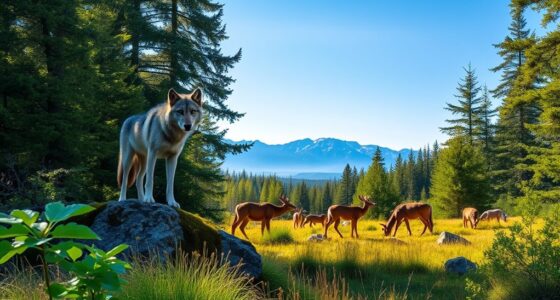
Yes, there are successful biodiversity restoration projects. You can look at efforts like reforestation in Costa Rica, which boosts ecosystem resilience and restores habitat connectivity. In addition, genetic diversity is emphasized in programs like the Yellowstone National Park wolf reintroduction, helping ecosystems adapt to changes. These initiatives demonstrate how restoring biodiversity strengthens ecosystems, making them more resilient to environmental stresses and climate impacts, ultimately benefiting both nature and communities.
INIFEIDALA Montessori Wooden Preschool Learning Educational Toys Set for Toddlers 3-6,Life Cycle Puzzle, Shape Sorting Matching Game & Ecosystem Science Center – STEM Sensory Gifts for Boys & Girls
Life Cycle & Ecosystem Food Chain Toy Set for Kids – This life game toy set includes 12…
As an affiliate, we earn on qualifying purchases.
As an affiliate, we earn on qualifying purchases.
Conclusion
You might think counting animals is enough to gauge biodiversity, but it’s just the surface. Losing species isn’t like losing items from a list; it’s like tearing out pages from a book—altering the story entirely. When biodiversity declines, ecosystems weaken, and our future becomes uncertain. So, while wildlife counts matter, remember that the true loss lies in the unseen, interconnected web of life that keeps everything thriving. It’s more than numbers—it’s about preserving our shared world.
pollination and nutrient cycling models
As an affiliate, we earn on qualifying purchases.
As an affiliate, we earn on qualifying purchases.

4M Clean Water Science – Climate Change, Global Warming, Lab – STEM Toys Educational Gift for Kids & Teens, Girls & Boys
This personal desalination kit demonstrates the scientific way to extract salt from sea water.
As an affiliate, we earn on qualifying purchases.
As an affiliate, we earn on qualifying purchases.