
When it comes to maximizing wind turbine power output for my home, I know I need to take into account a few key factors. First, wind speed and turbine efficiency are important – higher speeds and more efficient turbines mean more power generated. The size of the turbine also matters, as larger ones generally have higher capacity and generation capabilities. Additionally, regular maintenance and ideal blade structure can make a big difference. And let's not forget about location – turbines in areas with consistent high winds are more efficient. By understanding these factors, I can make informed decisions to get the most out of my wind turbine – and there's more to explore.

Get garden gear delivered free with Prime
- Fast, free delivery on millions of items
- Prime Video, Amazon Music and more included
- Member-only deals all year
Key Takeaways
- Higher wind speeds and larger turbines increase power generation, making them ideal for homes with high energy demands.
- Regular maintenance and fine-tuning of turbine design enhance efficiency, resulting in more electrical power for homes.
- Optimizing blade structure and using cutting-edge materials reduces weight and increases strength, leading to higher power output.
- Proper siting and location of turbines in areas with consistent high wind speeds maximize energy output for homes.
- Understanding the impact of turbine size, efficiency, and location on electricity generation helps homeowners make informed investment decisions.
As an affiliate, we earn on qualifying purchases.
Key Factors in Power Generation
When it comes to generating power with wind turbines, two key factors stand out as essential in determining how much electricity you can produce: wind speed and turbine efficiency. I've learned that higher wind speeds result in increased power generation, making it a vital consideration.
Turbine efficiency is also crucial, as it directly affects how much of the wind's energy is converted into electrical power. The size of the turbine is also important, as larger turbines generally have higher capacity and generation capabilities.
Optimizing Turbine Efficiency
By fine-tuning my turbine's design and maintenance, I can greatly enhance its efficiency and unlock more power from the wind.
A well-designed turbine can convert a larger percentage of wind energy into electrical power, making it an essential factor in maximizing power output.
Here are three key ways to optimize turbine efficiency:
- Regular upkeep: Regularly inspect and maintain my turbine to make sure all components are in good working condition.
- Optimal blade structure: Guarantee my turbine's blades are designed to capture the most energy from the wind, taking into consideration factors like wind speed and direction.
- Cutting-edge materials: Use cutting-edge materials that reduce weight and increase strength, allowing my turbine to operate more efficiently and reliably.
Understanding Capacity and Generation
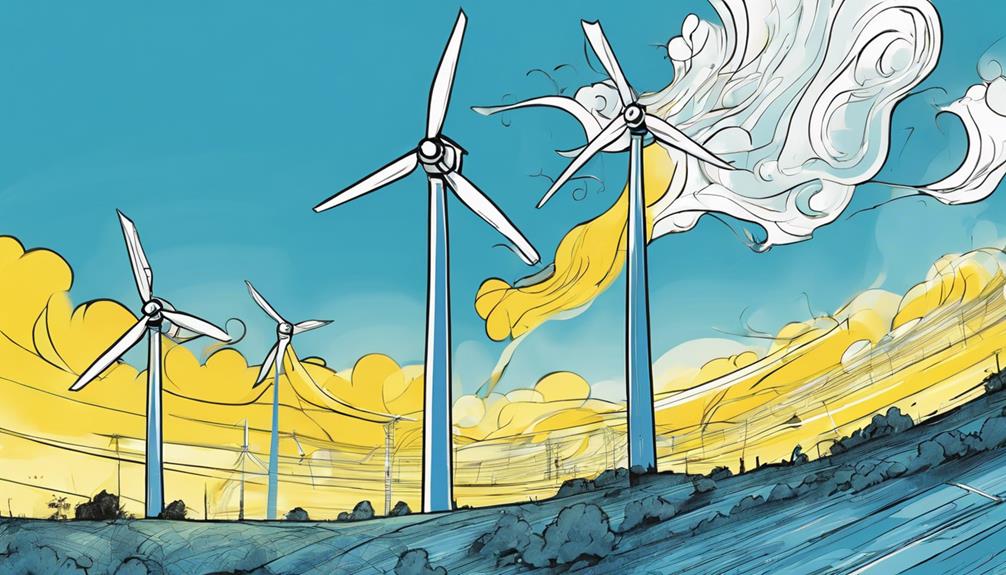
I'll get the most out of my wind turbine by understanding how its capacity and generation capabilities are affected by factors like wind speed and turbine size. As I've learned, wind speed plays a pivotal role in determining how much power my turbine can generate. Higher wind speeds result in increased power generation. Turbine size also affects the capacity and generation capabilities of my wind turbine. Larger turbines generally have higher capacity and generation capabilities, making them more efficient.
| Wind Speed | Turbine Size | Power Generation |
|---|---|---|
| Low (5-10 mph) | Small (2-5 kW) | Limited (1-2 kWh) |
| Medium (10-15 mph) | Medium (5-10 kW) | Moderate (5-10 kWh) |
| High (15-20 mph) | Large (10-20 kW) | High (10-20 kWh) |
| Very High (20-25 mph) | Extra Large (20-50 kW) | Very High (20-50 kWh) |
| Extremely High (>25 mph) | Industrial (>50 kW) | Extremely High (>50 kWh) |
Tracking Energy Consumption Patterns
Analyzing my monthly utility bills helps me track my energy consumption patterns and establish a baseline for my average energy usage. By doing so, I can identify areas where I can improve my energy efficiency and reduce my reliance on non-renewable energy sources.
To maximize the power output of my wind turbine, I need to understand my energy consumption habits.
Here are three ways I can enhance my energy efficiency:
- Upgrading appliances: Replacing old appliances with energy-efficient ones can notably reduce my energy consumption.
- Improving insulation: Proper insulation can help decrease heat loss and minimize the need for heating and cooling.
- Implementing smart home technology: Smart home devices can help me monitor and control my energy usage in real-time, making it easier to make informed decisions about my energy consumption.
Location-Based Efficiency Variations
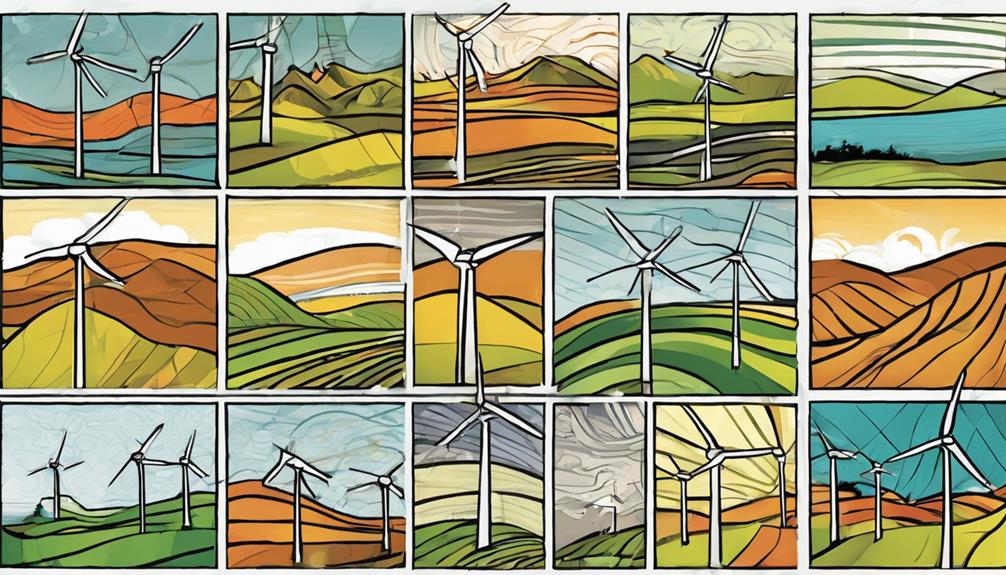
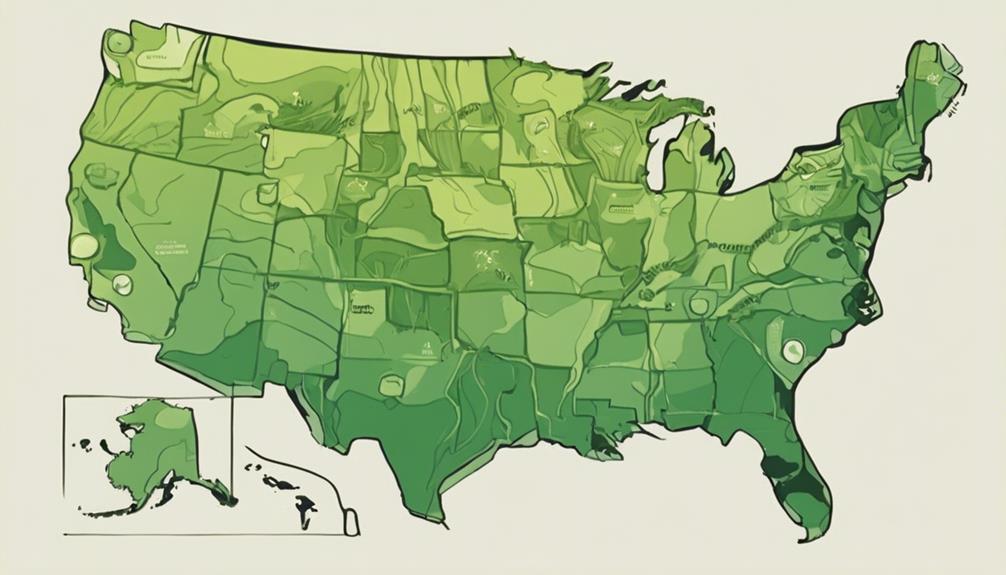
As I contemplate installing a wind turbine to power my home, I'm realizing that the location of the turbine plays a significant role in its efficiency and overall power output.
Wind turbines are more efficient in areas with consistent and high wind speeds. In fact, wind speed directly impacts the efficiency of wind turbines. Proper siting and design can maximize energy output and minimize maintenance costs.
I need to take into account noise pollution when planning my wind energy project, ensuring it doesn't disrupt my daily life. Understanding efficiency variations in different locations is essential for successful wind turbine operations.
Maximizing Economic Benefits
In order to maximize the economic benefits of wind turbine power, factors like turbine size, efficiency, and location, which directly impact the amount of electricity generated and, ultimately, your savings, are essential.
As a homeowner, understanding these factors can help me make informed decisions about my wind turbine investment.
Here are three key considerations to keep in mind:
- Bigger turbines can generate more power, but they also come with higher upfront costs.
- Effective turbines can convert more wind energy into electricity, resulting in greater savings.
- Ideal location guarantees consistent and high wind speeds, maximizing energy output and reducing maintenance costs.
Siting and Design Considerations
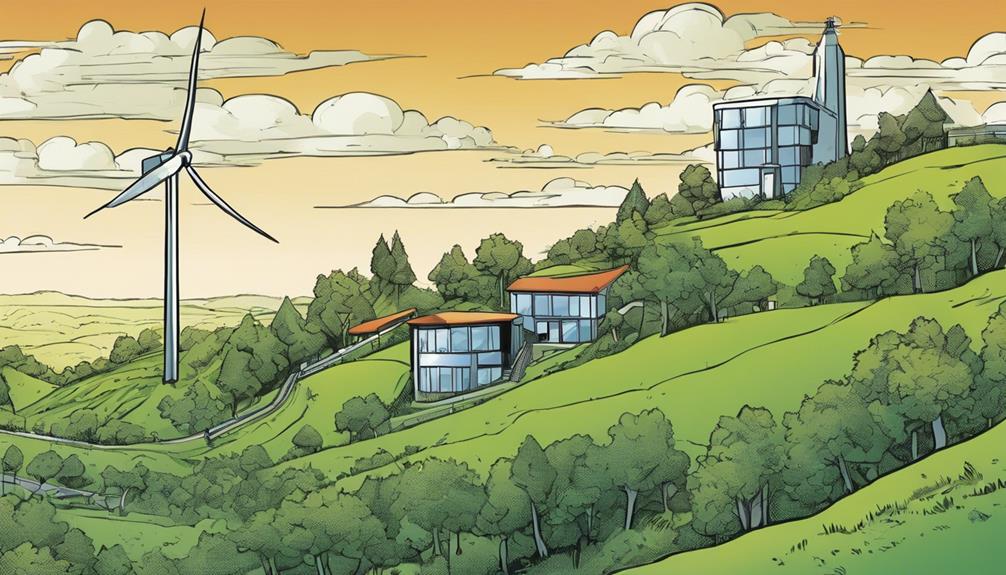
When choosing a location for my wind turbine, I need to take into account the surrounding topography and obstacles that could disrupt airflow, as well as the turbine's design features that can minimize these impacts.
For example, I'd want to avoid areas with nearby buildings or trees that could create turbulence, reducing the turbine's efficiency. Additionally, I'd consider the turbine's hub height, rotor diameter, and blade design to make sure energy capture is at its peak.
Proper siting and design can greatly enhance power output while reducing maintenance costs. By carefully evaluating these factors, I can maximize my wind turbine's potential and enjoy a reliable source of clean energy for my home.
Frequently Asked Questions
Can I Install a Wind Turbine on My Residential Property?
'I'm curious if I can install a wind turbine on my residential property. Before considering it, I need to assess local regulations, wind speeds, and space constraints to guarantee it's a viable and efficient option.'
How Do I Determine the Ideal Turbine Size for My Home?
As I envision a wind turbine as a mighty wingspan, I realize I need to contemplate my home's energy consumption and local wind speeds to determine the ideal turbine size, ensuring maximum power output and efficiency.
Are There Any Government Incentives for Residential Wind Energy?
Yeah, I've looked into it, and there are government incentives for residential wind energy. The Federal Residential Renewable Energy Credit allows homeowners to claim a tax credit of up to 30% of the turbine's cost.
Can Wind Turbines Be Used in Conjunction With Solar Panels?
Yeah, I've seen folks combine wind turbines with solar panels to create hybrid systems, increasing energy independence and reducing reliance on the grid – it's a fantastic way to diversify your renewable energy portfolio
What Is the Average Lifespan of a Residential Wind Turbine?
I've learned that the average lifespan of a residential wind turbine is around 20-25 years, depending on factors like maintenance, quality, and environmental conditions, with some turbines lasting up to 30 years or more.
Conclusion
As I gaze up at my wind turbine, I feel the rush of clean energy coursing through my home. By harnessing the wind's whispers, I've discovered a treasure trove of power.
By optimizing turbine efficiency, understanding capacity, and tracking consumption patterns, I've maximized my energy output.
Now, my home is a beacon of sustainability, shining bright in a world fueled by fossil fuels. The wind's gentle caress has become a powerful ally in my quest for a greener tomorrow.
Halloween Picks
halloween
As an affiliate, we earn on qualifying purchases.