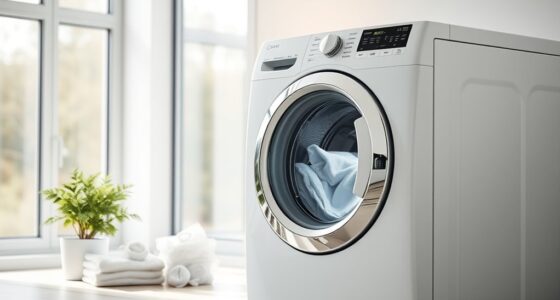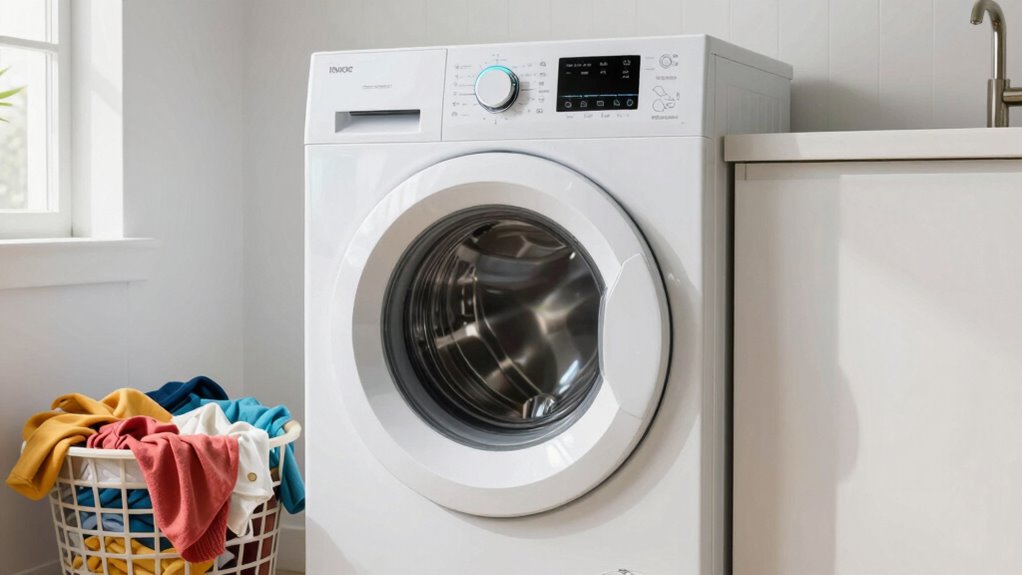

Washer-dryer combos are convenient, but keep in mind that their cycle times are typically longer than traditional separate units. These extended cycles mean you’ll need to plan ahead, especially for larger or heavily soiled loads. While they save space and simplify laundry, they’re not ideal if you want quick results. If you want to know what really influences these times and how to optimize your experience, there’s more to take into account.

Get garden gear delivered free — and shop member deals
- Fast, free delivery on millions of items
- Access to Prime Big Deal Days deals on October 6–7
- Prime Video, Amazon Music and more included
Key Takeaways
- Washer-dryer combos typically have longer cycle times than separate units, especially for large or heavily soiled loads.
- Extended cycles require advanced planning and may not suit quick laundry needs or tight schedules.
- Cycle durations vary by model, load size, and load type, impacting overall laundry efficiency.
- Proper installation and ventilation are crucial to optimize drying times and appliance performance.
- Understanding the longer cycle times helps set realistic expectations for convenience versus speed.
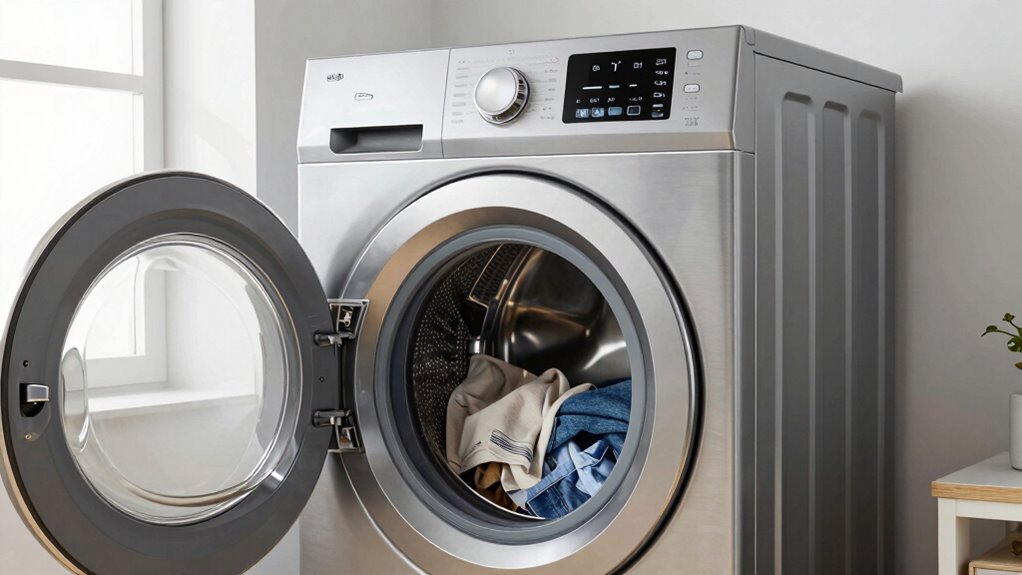
Are you tired of juggling separate laundry appliances or running out of space in your home? If so, a washer-dryer combo might seem like the perfect solution. These all-in-one units combine washing and drying in a single machine, saving space and simplifying your laundry routine. But before you make the switch, it’s important to understand the reality behind cycle times and how they can impact your day-to-day life. One key aspect to consider is energy efficiency. While washer-dryer combos often use less energy overall because they consolidate functions into one appliance, they can also have longer cycle times compared to traditional separate units. This is partly due to the appliance needing to balance washing and drying processes in one cycle, which can extend the total time required to complete a load. If you’re used to quick wash-and-dry sessions, it’s crucial to recognize that these machines might not meet your expectations for speed, especially when handling larger loads or heavily soiled items. Additionally, cycle time consistency can vary depending on the model and load size, influencing your laundry schedule. Installation considerations play a significant role in how well your washer-dryer combo performs and how smoothly it integrates into your home. These units generally require a dedicated electrical outlet and proper ventilation, particularly for the drying phase. You’ll want to make sure your space can accommodate the unit’s dimensions and that your plumbing and electrical systems are compatible. Some models need a higher voltage or specific drain connections, so it’s wise to check the manufacturer’s specifications beforehand. Proper installation not only ensures safety but also maximizes the machine’s efficiency and lifespan. Poor placement or inadequate ventilation can lead to longer drying times, increased energy consumption, and potential mechanical issues down the line. It’s also worth noting that some models have noise levels or vibration issues, which could be disruptive in smaller living spaces or open-concept homes. Ultimately, understanding these installation considerations and the impact on cycle time helps you set realistic expectations. While washer-dryer combos are excellent for saving space and reducing clutter, they may require patience during laundry cycles. Longer drying times mean you might need to plan ahead, especially if you have back-to-back laundry needs. Recognizing that these appliances are designed for convenience rather than speed allows you to choose a model that fits your lifestyle without surprises. Proper setup and awareness of their cycle times will help you enjoy the benefits of a washer-dryer combo without frustration, making laundry day a little easier and more efficient.
washer dryer combo with shortest cycle time
As an affiliate, we earn on qualifying purchases.
As an affiliate, we earn on qualifying purchases.
Frequently Asked Questions
How Do Cycle Times Vary Between Different Washer-Dryer Models?
You’ll notice cycle times vary between washer-dryer models, often influenced by energy consumption and noise levels. Faster cycles typically use more energy and generate more noise, while eco-friendly models tend to take longer but save power. When choosing, consider how important cycle duration is compared to energy efficiency and noise. Your preferred balance will determine the right model, ensuring you get ideal performance tailored to your laundry needs.
Are Longer Cycle Times More Energy-Efficient?
Think of longer cycle times as a slow river that uses more water and energy to flow. Yes, they’re often more energy-efficient because they run at lower power levels longer, reducing overall energy consumption. This can lessen environmental impact by conserving resources. So, while it takes more time, a longer cycle can be kinder to the planet, helping you save energy and reduce your carbon footprint.
Can Cycle Times Be Shortened Without Sacrificing Cleaning Quality?
Yes, you can shorten cycle times without sacrificing cleaning quality by choosing the right detergent, which helps break down dirt faster, and selecting settings that balance noise levels and wash intensity. Using powerful, high-quality detergents improves cleaning efficiency, while adjusting cycle options to fit your needs reduces duration without compromising cleanliness. Just make certain you don’t skip essential rinse or dry steps, so your laundry stays fresh and thoroughly cleaned.
How Do Load Size and Type Affect Cycle Duration?
They say “you are what you eat,” and the same goes for laundry. Load size and type directly impact cycle duration: larger or heavier loads take longer, especially if detergent effectiveness needs to be maximized. A higher spin speed can reduce drying time but may extend wash cycle duration. Adjusting these factors helps optimize cleaning without sacrificing quality, balancing efficiency with the need to get laundry done right.
What Maintenance Tips Can Optimize Cycle Times?
You can optimize cycle times by regularly checking your washer-dryer combo’s drum alignment to prevent uneven loads that slow down cycles. Use the right detergent selection to guarantee efficient cleaning without excess suds, which can prolong drying times. Keep the lint filter clean and perform periodic maintenance to improve airflow and efficiency. These simple steps help your appliance run smoothly, saving you time and energy during each cycle.
Conclusion
So, when it comes to washer-dryer combos, remember they’re like a slow but steady turtle—great for convenience but not for speed. You might save space and time by combining your laundry steps, but don’t expect lightning-fast cycle times. If you’re okay with patience and a bit of waiting, these machines can serve you well. Just keep in mind, their cycle time is a marathon, not a sprint, and plan your laundry days accordingly.
Halloween Picks
halloween
As an affiliate, we earn on qualifying purchases.