
Off-peak energy and time-of-use rates are billing strategies designed to encourage you to shift your electricity use to times when demand is lower, saving you money and easing grid stress. During these off-peak periods, rates are typically reduced, so scheduling tasks like laundry or charging your EV then can cut costs markedly. With smart home devices and utility apps, you can easily monitor and plan your energy use. Exploring further will reveal how to make these rates work best for you.
Key Takeaways
- Off-peak energy rates are lower charges applied during periods of low electricity demand to encourage usage at these times.
- Time-of-use rates vary based on specific hours designated as peak, shoulder, and off-peak periods.
- Shifting energy consumption, like running appliances at night, can significantly reduce costs with TOU pricing.
- Utilities often provide schedules and smart tools to help consumers plan usage around lower rate periods.
- Implementing off-peak and TOU rates supports grid stability, reduces environmental impact, and lowers overall energy expenses.
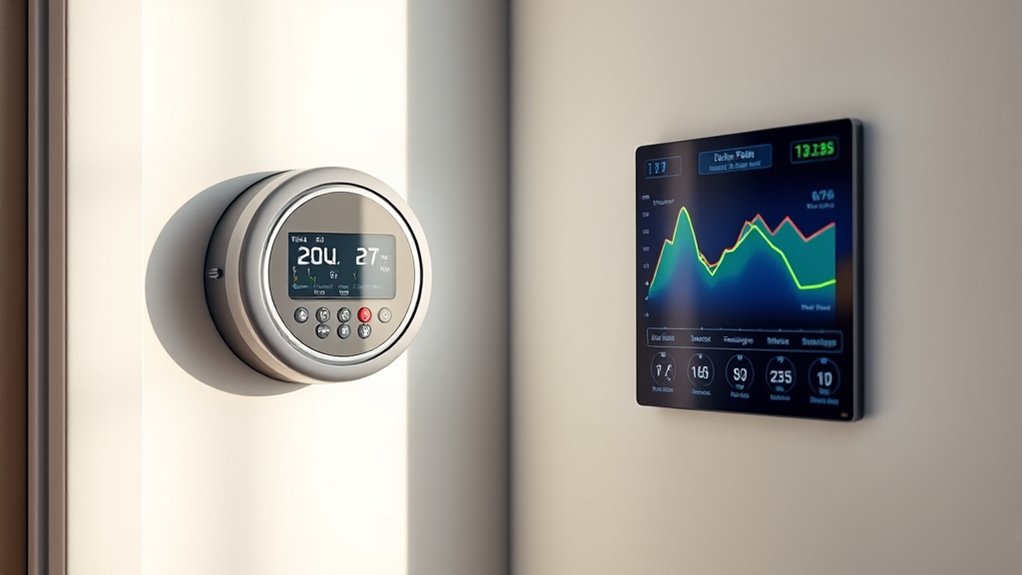
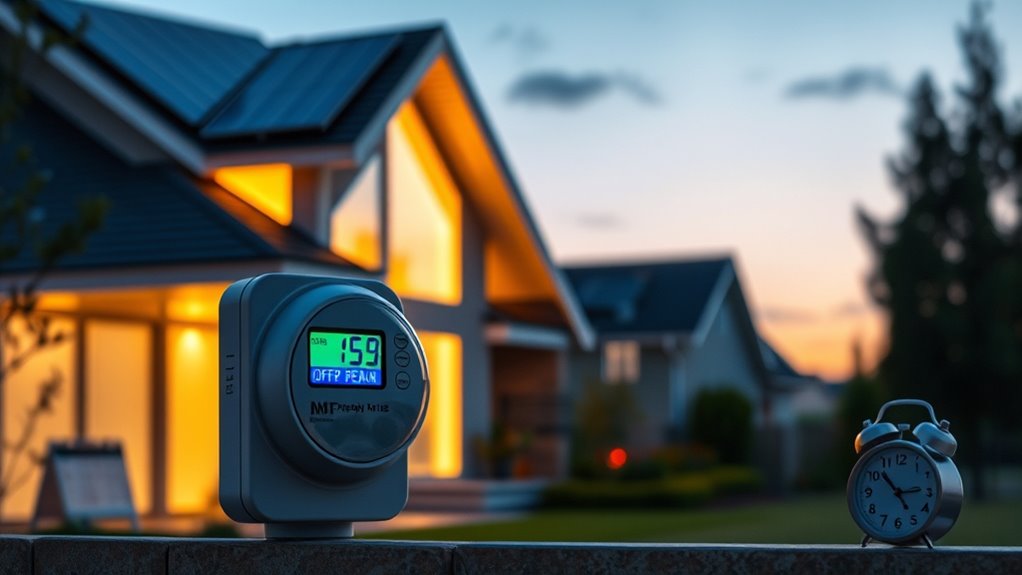
Understanding off-peak energy and time-of-use rates can help you save money on your electricity bills. Many utility companies implement these pricing models to encourage consumers to shift their energy consumption to times when demand is lower. By doing so, you not only reduce your costs but also help balance the grid and decrease overall environmental impact. Central to this system is peak pricing, which charges higher rates during periods of high demand, typically during daytime hours or early evenings. Recognizing these peak periods allows you to optimize your energy use, avoiding unnecessary expenses when rates are inflated.
Rate optimization becomes your best strategy when dealing with time-of-use rates. Instead of using heavy appliances during peak hours, you can schedule tasks such as running the dishwasher, laundry, or charging electric vehicles during off-peak times. Many smart home devices and utility apps help you monitor these rates in real time, giving you the tools needed to plan effectively. By shifting your energy-intensive activities to off-peak periods, you not only save money but also contribute to a more efficient energy system. This approach requires awareness and some planning, but the financial benefits are worth the effort.
It’s essential to understand that peak pricing isn’t arbitrary; it reflects the increased costs utility companies face when demand spikes. During these times, the grid experiences stress, and additional generation sources are brought online, often from less efficient or more expensive plants. When you reduce your consumption during these peak periods, you’re directly influencing your electricity costs. Many providers offer detailed rate schedules or apps that specify peak and off-peak hours, making it easier for you to strategize your usage. Some utilities even offer incentives or discounts for consistently shifting consumption to off-peak times, further enhancing your rate optimization efforts.
Being proactive about your energy habits can lead to notable savings over time. For example, running your water heater or appliance loads late at night or early mornings can notably cut your electricity bill. Understanding when peak pricing applies and adjusting your routines accordingly allows you to take full advantage of lower rates. It’s also worth noting that as technology advances, many smart devices and home automation systems are designed to help you manage your energy use seamlessly, ensuring you’re always making cost-effective choices. Additionally, home security systems can be integrated with smart technology to monitor and control energy use, further optimizing your consumption patterns.
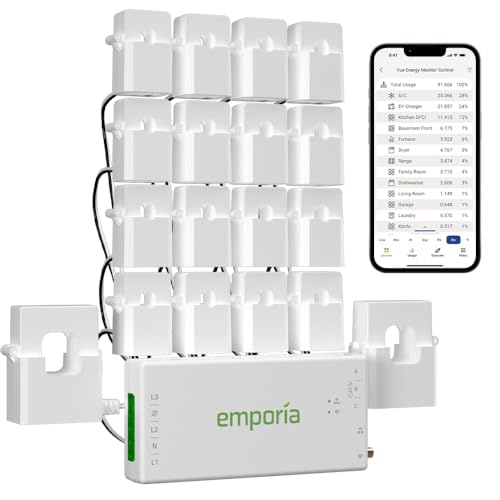
Emporia Vue 3 Home Energy Monitor – Smart Home Automation Module and Real Time Electricity Usage Monitor, Power Consumption Meter, Solar and Net Metering for UL Certified Safe Energy Monitoring
- UL Certified Safe Energy Monitoring: Certified for safety and reliability
- Easy Installation in Circuit Panel: Supports various home electrical systems
- Real-Time Energy Monitoring: 24/7 management and control of energy use
As an affiliate, we earn on qualifying purchases.
As an affiliate, we earn on qualifying purchases.
Frequently Asked Questions
How Are Off-Peak Rates Determined by Utility Companies?
Utility companies determine off-peak rates by analyzing their pricing structures and considering regulatory considerations. They examine demand patterns, generation costs, and grid load data to set lower prices during times of low usage. Regulations may also influence these rates, ensuring fairness and stability. By balancing these factors, utilities create off-peak rates that encourage consumers to shift usage, helping optimize energy distribution and reduce overall costs.
Can I Switch Between Different Rate Plans Easily?
Yes, you can switch between different rate plans easily. To do so, you should start with a rate plan comparison to understand the benefits of each option. The switching process is usually straightforward; contact your utility provider or log into your account online. They’ll guide you through the steps, which often involve a simple application or request. Just make sure to review any contract terms or fees before switching.
Do Off-Peak Rates Vary Seasonally or Regionally?
Off-peak rates do vary with seasonal changes and regional differences, but that’s often beneficial. You might pay less during winter or summer nights depending on where you live, helping you save money. While some areas offer consistent off-peak rates year-round, others adjust prices seasonally. Understanding these variations helps you plan your energy use better, so you can take advantage of lower rates whenever possible and avoid surprises on your bill.
What Appliances Benefit Most From Off-Peak Energy Use?
You’ll benefit most from off-peak energy use with appliances like your water heater, laundry machines, and electric vehicle chargers. These appliances are highly efficient when operated during off-peak hours, helping you conserve energy and lower bills. By scheduling their use during these times, you improve appliance efficiency and support energy conservation efforts, making your household more eco-friendly and cost-effective.
Are There Any Penalties for Exceeding Off-Peak Energy Limits?
You might worry about penalty fees if you exceed energy caps during off-peak hours, but most providers don’t charge penalties if you stay within your limits. However, some plans do impose fees for overuse, so it’s smart to monitor your consumption. By keeping an eye on your usage, you avoid extra costs and maximize savings. Always check your energy provider’s policy to stay informed about potential penalties.
Conclusion
Think of off-peak energy and time-of-use rates as a quiet river flowing gently at dawn, offering you a chance to save and power your life smoothly. When you shift your energy use to these calmer waters, you avoid the stormy rush of peak hours, making your energy journey more efficient and affordable. Embrace this flow, and you’ll find your home energized smarter, like a boat gliding effortlessly through peaceful waters.