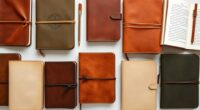
For those committed to reducing environmental impact, compostable notebook paper offers a sustainable alternative to conventional options. The Universal One Sugarcane-Based Notebook stands out as the best overall pick due to its high-quality, eco-friendly material and reliable performance. The Roaring Spring Environotes Recycled Spiral Notebook also deserves attention for its versatility and affordability, making it a popular choice for students and professionals alike. However, tradeoffs in durability, paper smoothness, and price can complicate choices—some options may sacrifice quality for lower cost, while others come with premium prices for a more refined writing experience. Continue reading for a detailed breakdown of these options and how to pick the best compostable notebook paper for your needs.

Get garden gear delivered free — and shop member deals
- Fast, free delivery on millions of items
- Access to Prime Big Deal Days deals on October 6–7
- Prime Video, Amazon Music and more included
Complete the kit


Key Takeaways
- The top-rated options combine sustainable materials with decent paper quality suitable for everyday writing.
- Price varies significantly, with some premium brands offering better durability and smoother writing surfaces.
- Most compostable papers are based on sugarcane or recycled fibers, but not all offer similar performance or cover options.
- Choosing the right size and binding style depends heavily on your specific use, whether for note-taking, journaling, or academic work.
- Durability and paper smoothness are tradeoffs; more eco-friendly papers may sometimes feel rougher or less durable than conventional counterparts.


| compostable notebook paper | Size | Material | Page Type | Cover Material |
|---|---|---|---|---|
| Universal One Sugarcane-Based | 11 x 8.5 inches | — | College Rule | Kraft |
| Roaring Spring Environotes Rec | 11 x 9 inches | Bio-based recycled paper | — | — |
| Roaring Spring Environotes Rec | 9.5 x 6 inches | Recycled sugarcane fiber | College Ruled | Cardboard |
| Roaring Spring Environotes Rec | 11 x 9 inches | Recycled paper and board | College ruled | — |
| Roaring Spring Environotes Rec | — | — | — | High-recycled content board |
| Universal One Sugarcane-Based | 11 x 8.5 inches | Sugarcane-based paper | — | — |
More Details on Our Top Picks
Universal One Sugarcane-Based Notebook, College Rule, 11 x 8.5, White, 100 Sheets
This notebook stands out for its use of renewable sugarcane waste (bagasse), making it a strong choice for eco-conscious users. Unlike the Roaring Spring Environotes Recycled Spiral Notebook, it offers a sturdy, single-wire binding and perforated pages for tidy tearing, but its weight of 1.3 pounds might make it less ideal for carrying around all day. Its inclusion of a divider with pockets enhances organization, which is absent in simpler models. Compared with others, its larger size (11 x 8.5 inches) and higher sheet count make it suitable for extensive note-taking, yet the heavier build limits portability. This pick makes the most sense for students or professionals seeking a sustainable, well-organized notebook that can withstand frequent use.
Pros:- Made from renewable sugarcane waste, reducing environmental impact
- Includes a divider with pockets for better organization
- Perforated pages allow easy, clean tearing
Cons:- Limited to college rule format only, reducing flexibility
- Weight may be heavy for those needing lightweight carrying options
Best for: Eco-conscious students or professionals who need a durable, organized notebook for extensive note-taking
Not ideal for: People who prioritize ultra-lightweight notebooks for portable use or minimalists who prefer simple, unstructured paper
- Brand:Universal
- Size:11 x 8.5 inches
- Sheet Count:100
- Page Type:College Rule
- Cover Material:Kraft
- Weight:1.3 pounds
Our verdict“This is a solid choice for eco-minded users who want an organized, durable notebook with ample pages, but it may be less portable for everyday carry.”
Roaring Spring Environotes Recycled Spiral Notebook, 3 Subject, 11″ x 9″, 120 Sheets, Assorted Earthtone Covers
This three-subject spiral notebook offers a versatile solution for students or professionals juggling multiple topics, with 120 sheets made from bio-based, recycled paper. Compared to the Roaring Spring Environotes Recycled Notebook with only 70 sheets, it provides more space, but its slightly larger size and triple-division design mean it’s bulkier and potentially less portable. Its double pockets and dividers help keep notes neatly separated, a feature missing in single-subject options. While its stylish earthtone covers add a professional touch, the recycled paper’s weight and limited color options make it less suitable for those seeking minimalist or lightweight options. This notebook is ideal for users who need multiple sections in one durable, eco-friendly package.
Pros:- Supports multiple subjects with dividers and pockets
- Made from bio-based recycled paper, eco-friendly
- Perforated sheets for easy removal
- Stylish, professional earthtone covers
Cons:- Bulkier than single-subject notebooks, less portable
- Limited color options and size choices
Best for: Students or professionals needing to organize notes across three subjects in a compact, eco-friendly format
Not ideal for: Users preferring a lightweight, single-subject notebook for quick, on-the-go notes
- Size:11 x 9 inches
- Number of Sheets:120
- Sheet Type:College ruled
- Material:Bio-based recycled paper
- Cover Colors:Assorted earthtones
- Pockets:Double pocket foldout
Our verdict“This multi-subject notebook suits users who prioritize organization and eco-friendliness over ultra-light portability.”
Roaring Spring Environotes Recycled Notebook, 70 Sheets, 9.5″ x 6″, College Ruled, Assorted Earthtone Cover Colors
This smaller, lightweight notebook offers 70 sheets made from USDA Certified BioBased recycled sugarcane fiber, ideal for those who need portability. Its 9.5 x 6-inch size makes it perfect for on-the-go use, but with fewer sheets than larger options like the Universal One Sugarcane-Based Notebook, it might require more frequent refills for heavy note-takers. Its snag-proof wire binding and durable covers in earthtone shades add to its resilience, though the single-subject focus limits versatility. The heavyweight recycled paper can be less compatible with certain pens, which might bleed or feather on thick stock. This pick makes sense for users who want a sustainable, pocket-friendly notebook for brief notes and quick sketches.
Pros:- Made from sustainable, recycled sugarcane fiber
- Snag-proof wire binding enhances durability
- Compact size for portability
- Heavyweight recycled paper resists wear
Cons:- Limited to 70 sheets, may require frequent replacements
- Single subject limits flexibility for multi-topic notes
Best for: Students or professionals seeking a portable, eco-friendly notebook for light note-taking or quick ideas
Not ideal for: Heavy note-takers or those needing multiple sections in one notebook
- Size:9.5 x 6 inches
- Sheets:70
- Page Type:College Ruled
- Material:Recycled sugarcane fiber
- Cover Material:Cardboard
- Made in:USA
Our verdict“This compact, eco-friendly notebook fits users who need a durable, portable solution for light or quick note-taking on the move.”
Roaring Spring Environotes Recycled Spiral Notebook, College Ruled, 11″ x 9″, 80 Sheets
This eco-friendly spiral notebook offers 80 sheets of recycled paper, making it suitable for students or professionals who need ample space to write. Its 11 x 9-inch size surpasses smaller options like the Roaring Spring Environotes Recycled Notebook in page count, but the heavier 20-pound paper and spiral binding can be less compatible with finer pens or lightweight paper. The durable recycled board cover with double pockets enhances organization, yet the size may be cumbersome for those with limited storage space. It’s a good choice for those who want a sturdy, eco-conscious notebook with generous writing capacity, though portability might be compromised.
Pros:- Made from recycled paper and board, eco-friendly
- Large size provides ample writing space
- Double pockets for organization
- Perforated sheets for easy tear-out
Cons:- Heavyweight paper may not suit all pens
- Size makes it less portable for on-the-go use
Best for: Students, teachers, or professionals needing a large, durable notebook for extensive notes or projects
Not ideal for: People who prefer lightweight, compact notebooks for quick or mobile note-taking
- Size:11 x 9 inches
- Sheets:80
- Page Type:College ruled
- Material:Recycled paper and board
- Made in:USA
Our verdict“This large, eco-friendly spiral notebook is ideal for users who need extensive space and durability, but less so for those prioritizing portability.”
Roaring Spring Environotes Recycled Spiral Bound 1-Subject Notebook, College Ruled, 70 Sheets, 11″ x 8.5″, Pack of 4
This pack of four notebooks offers a cost-effective way to equip multiple students or team members with eco-friendly writing supplies. Each 11 x 8.5-inch notebook features college-ruled recycled paper and a durable spiral binding with coil-locked ends. While the multi-pack provides excellent value, it limits options to the same size and page style, and lacks additional features like pockets or dividers that could enhance organization. The recycled paper, made from 30% post-consumer waste, makes it a sustainable choice, though the uniform earthtone covers and basic design may not appeal to users seeking more customization or style. Overall, this pack suits bulk buyers or organizations prioritizing affordability and environmental impact.
Pros:- Made from recycled materials, environmentally friendly
- Pack of four offers great value
- Durable spiral binding with coil-locked ends
- Assorted earthtone covers
Cons:- Limited to college-ruled pages only
- No additional organizational features
Best for: Educational institutions, teams, or budget-conscious buyers needing multiple eco-friendly notebooks
Not ideal for: Individuals seeking personalized or feature-rich notebooks with pockets or dividers
- Unit Count:4
- Sheet Count:70 per notebook
- Page Style:College ruled
- Sheet Material:Recycled paper
- Cover Material:High-recycled content board
- Binding:Spiral coil
Our verdict“This bulk pack is well-suited for organizations or families seeking affordable, eco-friendly notebooks in a uniform size for multiple users.”
Universal One Sugarcane-Based Notebook, College Rule, 11 x 8.5 inches, White, 100 Sheets
This sugarcane-based notebook stands out for its environmentally conscious material, making it an excellent alternative to traditional paper, especially when compared to the recycled options like Roaring Spring’s Environotes notebooks. The use of sugarcane fiber not only reduces reliance on wood pulp but also gives it a unique, sustainable appeal. Its college-ruled pages promote neatness, and the durable cover withstands daily handling, making it a practical choice for students and professionals alike. However, unlike some recycled notebooks that offer more features or varied formats, this model is limited to a basic design with no perforations or pockets, which could impact convenience. The limited color options may also be a drawback for those who prefer more personalized or colorful stationery. Overall, this pick is best suited for eco-conscious users who want a straightforward, sustainable notebook for regular use, but it may not appeal to those seeking extra features or visual variety.
Pros:- Made from sugarcane-based fiber, reducing environmental impact
- Standard college ruling ensures legible notes
- Durable cover suitable for frequent handling
Cons:- Limited to a single color option, restricting personalization
- Lacks features like perforated pages or pockets for added convenience
- No variant sizes or formats available for different needs
Best for: Eco-minded students and professionals seeking a simple, sustainable notebook for daily note-taking.
Not ideal for: Users who need notebooks with additional features like perforated pages, pockets, or multiple colors for organization or personalization.
- Size:11 x 8.5 inches
- Pages:100 sheets
- Rule:College
- Cover Color:White
- Material:Sugarcane-based paper
Our verdict“This notebook is a solid choice for those prioritizing sustainability in a straightforward, functional design.”

How We Picked
To evaluate these products, I focused on key factors that matter most for compostable notebook paper: material sustainability, paper quality, usability, and value. I prioritized products made from renewable or recycled fibers that are certified compostable, ensuring environmental claims hold up. Next, I considered paper performance—smoothness, thickness, and how well it handles writing instruments—since these affect everyday use. Price and variety of formats also influenced rankings, with a preference for options that balance eco-friendliness and practicality. This approach ensures the selected notebooks meet high sustainability standards while fulfilling typical writing needs, resulting in a clear ranking based on overall value and functionality.| compostable notebook paper | Page Type | Cover Material | Material |
|---|---|---|---|
| Universal One Sugarcane-Based | College Rule | Kraft | — |
| Roaring Spring Environotes Rec | — | — | Bio-based recycled paper |
| Roaring Spring Environotes Rec | College Ruled | Cardboard | Recycled sugarcane fiber |
| Roaring Spring Environotes Rec | College ruled | — | Recycled paper and board |
| Roaring Spring Environotes Rec | — | High-recycled content board | — |
| Universal One Sugarcane-Based | — | — | Sugarcane-based paper |
Factors to Consider When Choosing Compostable Notebook Paper
Choosing compostable notebook paper involves balancing environmental benefits with practical writing performance. Beyond just sustainability claims, understanding key factors can help you select a product that suits your needs without sacrificing quality or affordability. Here are the main considerations to keep in mind when shopping for eco-friendly notebooks.Material Composition and Certification
Look for papers made from certified renewable sources like sugarcane fiber or recycled paper that is explicitly labeled as compostable. Certifications such as ASTM D6400 or EN 13432 verify that the material will break down properly in composting environments. Avoid products that simply claim to be ‘biodegradable’ without certification, as their environmental impact may be less certain. The choice of material influences not only sustainability but also paper texture and durability, so consider what balance works best for your writing style.
Paper Quality and Writing Experience
Eco-friendly papers can sometimes feel rougher or less smooth than conventional options. It’s worth testing whether the paper handles your preferred pens, pencils, or markers without bleeding or feathering. Thickness (measured in GSM) impacts durability and writing feel; generally, higher GSM indicates thicker, more durable paper, but may also cost more. For frequent note-takers or artists, smoother and thicker paper can improve comfort and results, but for casual use, a lighter paper might suffice.
Size, Format, and Binding
Consider how you plan to use the notebook—size and binding style can greatly influence usability. Larger formats like 11×8.5 inches suit detailed notes, while smaller sizes are portable for on-the-go writing. Spiral binding offers ease of use, but glued or sewn bindings might last longer under frequent handling. Also, check if the paper is compatible with your pens and whether the binding allows for easy page removal if needed.
Price and Overall Value
Eco-conscious notebooks tend to cost more than standard options, reflecting their sustainable materials. However, price should be balanced against quality and durability. Buying in packs or larger sizes often reduces cost per sheet, providing better value. Be wary of very inexpensive options that may compromise on paper quality or sustainability claims, and consider whether investing a bit more yields significantly better performance or environmental benefits.
Additional Features and Practical Considerations
Additional features like ruled lines, perforations, or specific cover materials can enhance usability. For instance, spiral notebooks are more flexible for writing on the go, while hardcover options provide better protection. Also, verify the environmental certifications and the total carbon footprint of the product to ensure it aligns with your sustainability goals. Remember, eco-friendly doesn’t mean sacrificing all convenience—look for a balance that fits your lifestyle and values.
Frequently Asked Questions
Are all compostable papers suitable for everyday writing?
Not necessarily. While many compostable papers are designed for general use, some may feel rougher or less durable, which can affect your writing experience. For everyday tasks like note-taking or journaling, look for options specifically labeled as smooth or suitable for pens and pencils. Testing a sample or reading reviews can help determine if a particular product meets your performance expectations without compromising your environmental principles.
Can I use standard pens and markers on compostable paper?
Most compostable papers are compatible with standard writing instruments, but some may cause bleeding or feathering if the paper is thinner or rougher. Generally, thicker or coated compostable papers handle ink better, but it’s wise to check the product specifications or test a small area first. Using high-quality pens designed for smooth paper can also improve your writing experience while maintaining eco-friendly standards.
How long does compostable paper take to break down in a compost heap?
The breakdown time varies depending on environmental conditions and material composition, but most certified compostable papers decompose within 90 to 180 days under ideal conditions. Proper composting—maintaining moisture, aeration, and appropriate temperature—accelerates this process. Keep in mind that small, thin sheets will break down faster than thicker or coated papers, so choosing the right product can influence your composting timeline.
Is compostable paper more expensive than regular paper?
Yes, generally compostable paper tends to cost more due to the specialized materials and certification processes involved. However, the price difference can vary widely based on brand, size, and quantity purchased. Buying in bulk or selecting multi-pack options often offers better value, making eco-friendly choices more accessible without significantly inflating your budget. Consider the environmental benefits alongside the cost to determine if it’s a worthwhile investment for you.
Are there any downsides to using compostable notebook paper?
While compostable papers are environmentally friendly, some users may find that they are less durable or have a rougher texture than conventional paper. This can impact the writing feel and longevity of notes, especially if handled frequently. Additionally, availability may be limited compared to mainstream options, and some products might be pricier. Weighing these tradeoffs against the environmental gains will help you decide if compostable paper aligns with your priorities and usage needs.
Conclusion
For general use and balanced performance, the Universal One Sugarcane-Based Notebook offers the best combination of sustainability, quality, and affordability, making it ideal for most eco-conscious buyers. Those seeking maximum value without sacrificing too much eco-friendliness should consider the Roaring Spring Environotes Recycled Spiral Notebook. For premium needs, such as artists or professionals requiring smoother, thicker paper, investing in higher-end options might be justified. Beginners or casual users should prioritize simple, certified compostable options that provide decent writing quality without high costs. Ultimately, your choice depends on your specific environmental goals, budget, and how you plan to use the notebook.
Fall Picks
fall essentials
As an affiliate, we earn on qualifying purchases.