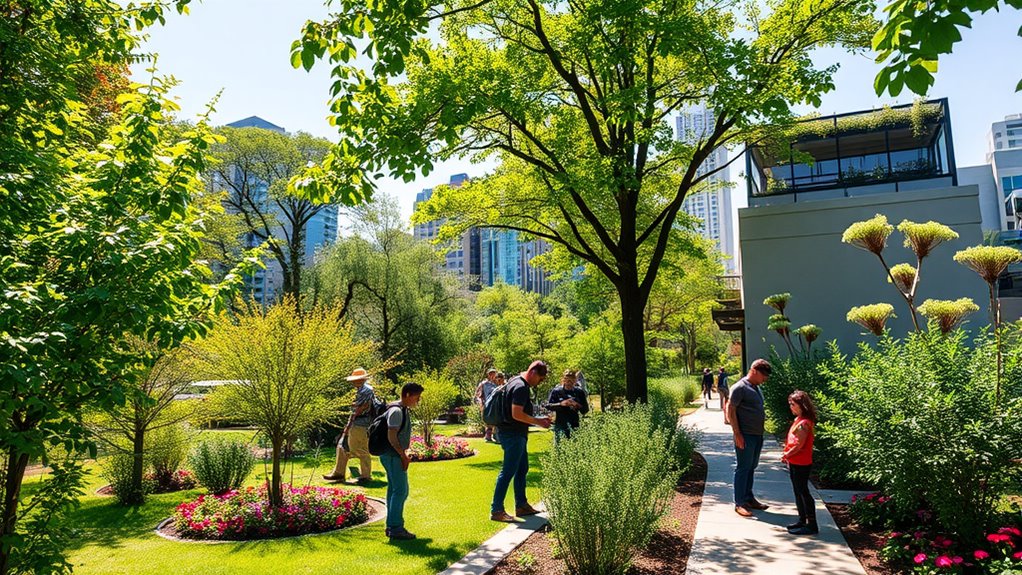

You can join urban biodiversity initiatives today by participating in native plantings in your community gardens or parks, which attract pollinators and support local wildlife. Volunteer for habitat restoration projects or help transform unused spaces into green corridors that connect fragmented habitats. Support or advocate for city planning that prioritizes wildlife-friendly infrastructure. Engaging in these actions not only benefits local ecosystems but also enhances your urban environment—keep exploring how you can make a difference now.
Key Takeaways
- Participate in local native plant planting days in community gardens, parks, or vacant lots.
- Volunteer for urban habitat restoration projects aimed at creating or enhancing wildlife corridors.
- Support or join city planning initiatives that integrate green pathways and native vegetation corridors.
- Attend educational workshops and programs focused on native plants and urban biodiversity conservation.
- Advocate for policies promoting wildlife-friendly urban development and contribute to community-led sustainability efforts.
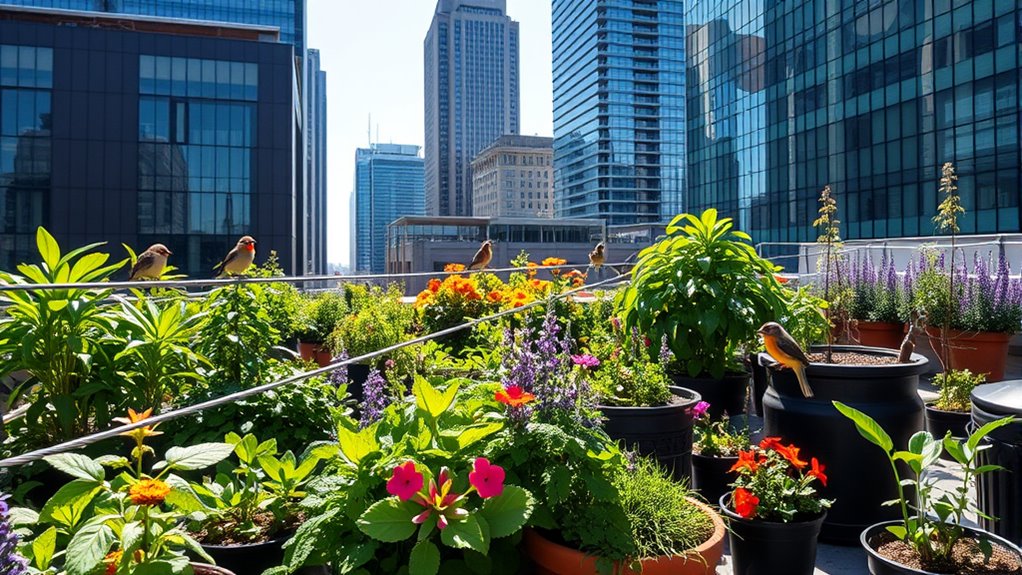
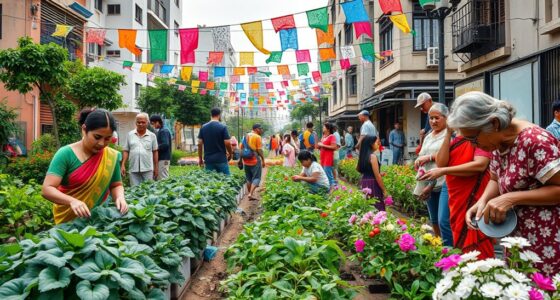
Have you ever wondered how cities can become havens for wildlife amidst concrete and steel? It’s a question that many urban dwellers ask as they notice birds, insects, and small mammals thriving in unexpected places. The answer lies in proactive efforts like native plantings and wildlife corridors, which you can support and even help create. Native plantings involve using indigenous plants in parks, gardens, and vacant lots. These plants are adapted to local conditions, requiring less water and maintenance, and they provide essential food and shelter for native species. When you choose native species for your yard or community space, you’re creating a mini-ecosystem that attracts pollinators like bees and butterflies, as well as birds. This simple step helps reconnect fragmented habitats, making it easier for wildlife to find resources and move safely across the urban landscape. Incorporating self-understanding and mindfulness practices into your involvement can deepen your connection to local ecosystems and enhance your appreciation for urban biodiversity.
Wildlife corridors are another crucial component of urban biodiversity initiatives. These are strips of natural habitat that link isolated green spaces, allowing animals to travel freely and safely between areas. Without corridors, urban development often fragments habitats, trapping wildlife in small patches where survival becomes harder. By supporting or advocating for the creation of these corridors—whether through city planning, community projects, or volunteering—you help ensure that animals can migrate, find mates, and access food sources without risking road crossings or habitat destruction. You might find yourself participating in local efforts to transform unused land or alleyways into green pathways, planting native vegetation along these routes to optimize their value for wildlife.
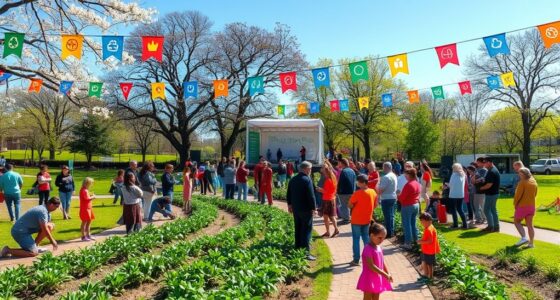
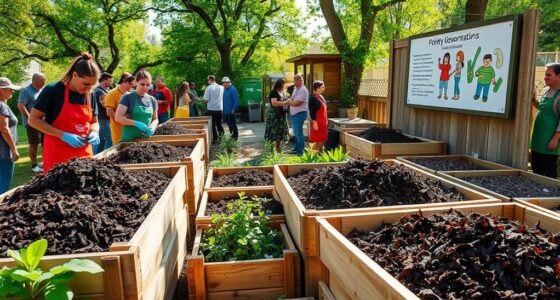
Getting involved in native plantings and wildlife corridors doesn’t require special expertise—just a willingness to contribute. You can start by planting native species in your garden, participating in community planting days, or supporting local organizations that focus on urban habitat restoration. Many cities now offer programs that provide free or subsidized native plants, and they often host workshops to teach residents how to create their own wildlife-friendly spaces. Additionally, advocating for the integration of wildlife corridors into urban planning policies can have a lasting impact on city-wide biodiversity. When you push for these initiatives, you’re helping reimagine your city as a thriving ecosystem, not just a concrete jungle. Every small effort adds up, making your urban environment more sustainable and welcoming for wildlife, and enriching your own connection to nature.

Herb Garden Kit Indoor, Non-GMO Seeds, Native Planting Soil, Gardening Gifts for Women and Men, Complete 6-Seed Starter, Kitchen Window Garden, DIY Grow Plants at Home, Gifts for Her Him
- Complete All-In-One Kit: Includes seeds, planters, soil, markers, and tools
- Fresh Herbs at Home: Grow culinary herbs indoors for easy access
- Ideal for Gardening Enthusiasts: Perfect gift for beginners and experienced gardeners
As an affiliate, we earn on qualifying purchases.
As an affiliate, we earn on qualifying purchases.
Frequently Asked Questions
How Do Urban Biodiversity Projects Impact Local Communities?
Urban biodiversity projects positively impact your local community by enhancing green spaces and promoting native plantings. When you participate in community gardens, you help create habitats for pollinators and birds, enriching the environment. These initiatives encourage community involvement, foster a sense of ownership, and improve mental well-being. By supporting native plantings and community gardens, you contribute to healthier ecosystems and stronger, more connected neighborhoods.
Can Individuals Start Their Own Urban Biodiversity Initiatives?
Yes, you can start your own urban biodiversity initiative. Begin by promoting native planting in your community, which supports local ecosystems. Engage neighbors and local groups to participate, fostering community engagement. You might organize planting events or create educational programs to raise awareness. Your efforts can transform urban spaces, attract wildlife, and build a stronger community committed to preserving biodiversity. Small actions can lead to meaningful, lasting change.
What Funding Options Are Available for New Projects?
You can find various funding options for your new projects, like grant opportunities from local governments, environmental organizations, or research institutions. Additionally, crowdfunding platforms like Kickstarter or GoFundMe can help you raise funds directly from the community. To increase your chances, prepare a compelling proposal, clearly outline your project’s impact, and promote it through social media. These strategies can provide the financial support needed to turn your urban biodiversity ideas into reality.
How Do Urban Initiatives Affect Local Wildlife Populations?
Like Pandora’s box, urban initiatives open opportunities and challenges for wildlife. By creating habitat connectivity and pollinator corridors, you help local species thrive amid city life. These efforts reduce fragmentation, allowing animals to move freely and access food, shelter, and breeding sites. Your involvement can boost populations, preserve biodiversity, and create healthier ecosystems. So, by supporting these initiatives, you directly influence and improve the resilience of urban wildlife populations.
Are There Age Restrictions for Participating in These Initiatives?
You might wonder about age restrictions and volunteer requirements for these initiatives. Usually, there are specific age limits to guarantee safety and effective participation, such as children needing adult supervision or teens volunteering independently. Volunteer requirements often include a commitment to the activities and sometimes a brief training session. Always check each program’s guidelines, as they vary, but generally, these initiatives welcome diverse age groups to help protect and promote urban biodiversity.
Conclusion
By joining these urban biodiversity initiatives, you become part of a vibrant mosaic where hummingbirds dart between blooming flowers and trees whisper stories with each breeze. Imagine city streets alive with the melodies of songbirds and the gentle rustle of leaves underfoot. Your efforts help transform concrete jungles into thriving habitats, inviting nature’s beauty into everyday life. Together, you create a sanctuary where life blooms in unexpected corners, making your city a richer, more inviting place for all its inhabitants.