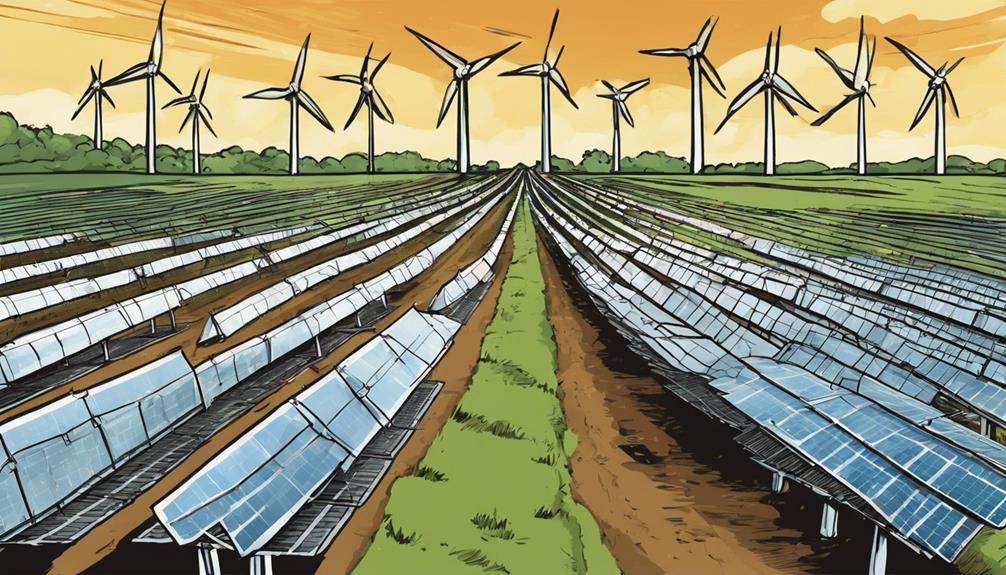
Arctic wind turbines are revolutionizing the renewable energy landscape by harnessing the consistent and intense winds of the Arctic region to generate clean and sustainable power. These turbines are specifically designed to withstand the harsh Arctic environment, with ice-resistant blades and improved lubrication systems. By capitalizing on the region's strong winds, they can provide a reliable source of energy for local communities. As technology continues to advance, the potential for Arctic wind turbines to make a significant impact on the environment and economy grows – and the possibilities are just beginning to unfold.

Get garden gear delivered free — and shop member deals
- Fast, free delivery on millions of items
- Access to Prime Big Deal Days deals on October 6–7
- Prime Video, Amazon Music and more included
Key Takeaways
- Arctic wind turbines capitalize on intense and consistent winds to generate clean and sustainable energy.
- Specialized control systems and ice-resistant blades optimize energy production in harsh Arctic environments.
- Wind turbines create job opportunities, stimulate economic growth, and reduce reliance on fossil fuels in Arctic communities.
- Advanced technologies enable faster installation times, lower maintenance costs, and increased renewable energy production in extreme climates.
- Wind turbines play a crucial role in mitigating climate change impacts and promoting sustainable living in delicate Arctic ecosystems.
As an affiliate, we earn on qualifying purchases.
Harnessing Arctic Winds Efficiently

Arctic wind turbines are designed to capitalize on the region's intense and consistent winds, leveraging advanced technologies to efficiently harness this renewable energy source.
To optimize energy production, specialized control systems are implemented to guarantee greater efficiency during low winds and winter months.
Additionally, ice-resistant blades and improved lubrication systems are developed to withstand the harsh Arctic environment.
These technological advancements enable wind turbines to operate effectively in extreme climates, making them an ideal solution for powering Arctic communities.
Economic Growth Through Renewables
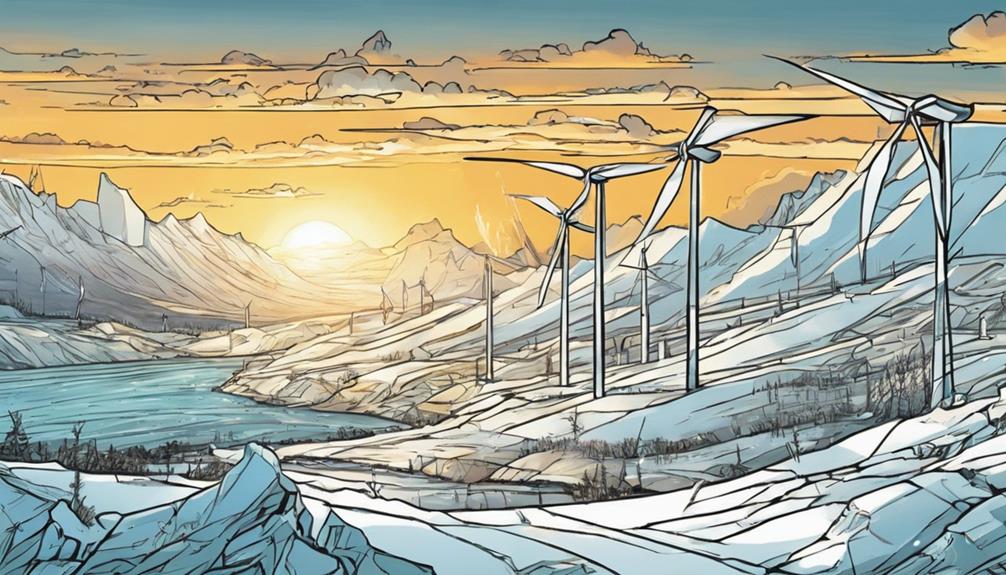
Five key economic benefits emerge when wind turbines are integrated into the Arctic energy landscape, creating a ripple effect of job opportunities, increased investment, and tax revenue growth. Construction and maintenance jobs are created, while local businesses benefit from increased investment.
Tax revenue increases from land leases and related fees, fueling economic growth. Renewable energy infrastructure investments spur economic expansion, and incentives and subsidy programs make wind turbines cost-effective.
As a result, Arctic communities experience a surge in economic activity, reducing their reliance on fossil fuels and mitigating the environmental impacts of climate change. By harnessing the power of Arctic winds, these communities can build a sustainable future.
Technological Innovations Abound

Developers are pushing the boundaries of wind turbine technology, engineering innovative solutions to overcome the unique challenges of harnessing wind energy in the harsh Arctic environment. To optimize performance in extreme conditions, they're developing advanced technologies such as ice-resistant blades and improved lubrication systems.
These innovations enable turbines to operate efficiently during low winds and winter months.
- Specialized control systems for greater efficiency during low winds and winter months
- Faster installation times and lower maintenance costs achieved with modern technologies
- Investing in technology can increase renewable energy production in extreme climates
Environmental Benefits Unlocked

Wind turbines in the Arctic region are proving to be a game-changer in the fight against climate change, offering a cleaner and more sustainable alternative to traditional fossil fuels. By harnessing the power of wind, these turbines reduce carbon emissions and contribute to sustainable living.
The Arctic environment, with its delicate ecosystems and wildlife habitats, is particularly vulnerable to climate change. Wind turbines help mitigate these effects, preserving the environment for future generations. Additionally, they produce minimal noise pollution, ensuring minimal disturbance to wildlife.
As the world shifts to renewable energy, wind turbines in the Arctic play an essential role in reducing the impacts of climate change.
Optimizing Performance Capabilities

To further enhance the environmental benefits of wind turbines in the Arctic, manufacturers are focusing on optimizing their performance capabilities through advanced technologies and innovative designs. This includes developing specialized control systems that can efficiently harness wind energy during low-wind and winter months.
Additionally, modern technologies have enabled faster installation times and lower maintenance costs, making wind turbines a more viable option for Arctic communities.
- Advanced ice-resistant blades to withstand harsh Arctic conditions
- Improved lubrication systems for reduced wear and tear
- Specialized control systems for optimized energy production during varying wind conditions
Frequently Asked Questions
How Do Wind Turbines Adapt to Arctic Temperatures and Icing Conditions?
Wind turbines adapt to arctic temperatures and icing conditions through advanced technologies like ice-resistant blades, specialized control systems, and improved lubrication systems, ensuring efficient energy production in extreme climates.
Can Wind Turbines Be Designed to Withstand Extreme Arctic Storms?
In the harsh Arctic environment, wind turbines can be designed to withstand extreme storms, as seen in the successful installation of ice-resistant turbines in Iceland, which withstood hurricane-force winds and -40°C temperatures.
What Is the Average Lifespan of a Wind Turbine in the Arctic?
Wind turbines in the Arctic typically last around 20-25 years, with some units operating for up to 30 years, depending on maintenance, quality, and extreme weather conditions.
Are There Any Government Incentives for Arctic Wind Turbine Installations?
"The curtain opens on a lucrative stage, where government incentives take center stage, offering a sweet serenade of subsidies, tax credits, and grants to entice investors and champion the Arctic wind turbine revolution."
Can Wind Turbines Be Used in Conjunction With Other Renewable Energy Sources?
Yes, wind turbines can be used in conjunction with other renewable energy sources, such as solar panels and hydroelectric power, to create a hybrid system that maximizes energy output and reduces reliance on fossil fuels.
How Do Arctic Wind Turbines Compare to Government-Backed Windmills in Terms of Renewable Energy Production?
Arctic wind turbines offer great potential for renewable energy production compared to governmentbacked wind power development. The harsh Arctic winds provide a consistent source of power, while traditional windmills may face challenges in varying conditions. Arctic turbines can significantly contribute to renewable energy goals with their strong and reliable energy production.
Conclusion
As the Arctic wind turbine revolution gains momentum, it's evident that this sustainable transformation is just beginning. With the potential to reduce carbon emissions and preserve fragile ecosystems, the importance of harnessing Arctic wind energy can't be overstated.
Notably, a single Arctic wind turbine can power up to 1,400 homes, underscoring the significant impact of this renewable revolution. As technology continues to advance, the possibilities for a sustainable future seem endless.
Fall yard work Picks
leaf blowers
As an affiliate, we earn on qualifying purchases.