
Microplastics are quietly entering your home through synthetic textiles, dust, and household items, creating hidden health risks. They become airborne or settle on surfaces, where you can inhale or ingest them without even realizing it. Using air purifiers, choosing natural fabrics, and cleaning regularly can reduce your exposure. Want to learn simple steps to keep your indoor environment safer and healthier? Keep exploring to discover more effective ways to protect yourself from these invisible pollutants.
Get ready for Prime Big Deal Days — try Prime free
Exclusive member deals on October 6–7, plus fast free delivery. Cancel anytime.
As an affiliate, we earn on qualifying purchases.
Key Takeaways
- Microplastics originate from synthetic textiles, household items, and cleaning products, releasing fibers into indoor air and dust.
- They circulate indoors through inhalation and contact, accumulating in dust and settling on surfaces.
- Inhaled microplastics can cause respiratory inflammation and health issues over time.
- Using HEPA air purifiers, choosing natural fabrics, and regular cleaning reduce indoor microplastic exposure.
- Awareness of indoor sources helps prevent health risks and limits broader environmental plastic pollution.
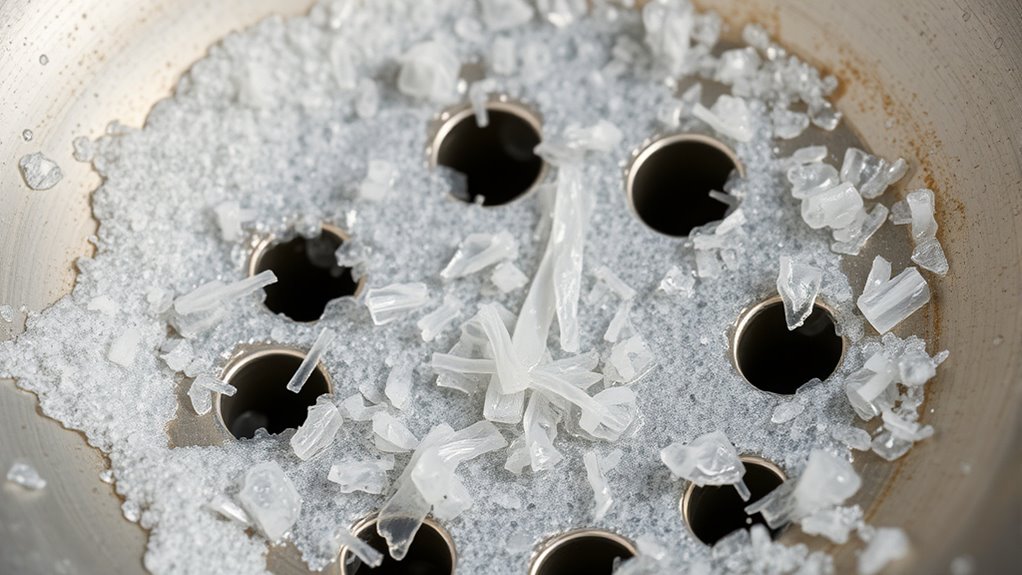
Many of us overlook how microplastics have quietly become part of our daily lives, even within our homes. These tiny plastic particles are a hidden form of plastic pollution that infiltrates our indoor environments, often without us realizing it. As you go about your daily routine, microplastics are released from various sources—from synthetic textiles to household products—and become airborne, contributing to indoor air pollution. This means that every breath you take could carry microplastic particles, which may pose health risks over time. The presence of microplastics in indoor air isn’t just a minor concern; it’s a growing issue linked to plastic pollution that affects your well-being and the environment.
Microplastics in indoor air pose hidden health risks from everyday household sources.
Your home’s fabrics, such as carpets, curtains, and upholstery, are important sources of microplastics. When you vacuum or wash these textiles, tiny fibers shed and become airborne or settle in dust. These fibers are so small that they can easily be inhaled, making it difficult for your body to filter them out. Additionally, many household cleaning products contain microbeads or other plastic components that break down over time, adding to the microplastic load in your indoor air. Even your synthetic clothing releases microfibers with each wash or wear, further contributing to this invisible threat. These particles don’t just stay in the air; they settle on surfaces, get ingested accidentally, or are inhaled deep into your lungs, where they might cause inflammation or other health issues.
Another overlooked source of indoor microplastics stems from household items like air filters, plastic containers, and packaging materials. Over time, deteriorating plastics release tiny fragments, which then circulate in the air or settle onto surfaces. The cumulative effect of these microplastics in your indoor environment can be substantial, especially if you live in a space with poor ventilation. The challenge is that microplastics are so small that they evade traditional cleaning methods, making it harder to keep your indoor air clean. This ongoing exposure adds to the larger problem of plastic pollution, which is often associated with oceans and wildlife, but is just as relevant inside your home. Incorporating air purification systems with HEPA filters can help capture these particles before they are inhaled, further reducing potential health risks.
To reduce your exposure, it’s essential to be aware of these sources and take steps to minimize plastic pollution indoors. Using HEPA filters can trap microplastic particles in the air, and choosing natural fabrics over synthetic ones helps cut down on fiber shedding. Regularly cleaning and dusting your home can also remove settled particles, while washing clothes in cooler water and using microfiber-catching laundry bags can prevent microfibers from entering the environment. Being mindful of the products you bring into your home and opting for eco-friendly alternatives can greatly reduce indoor microplastic levels, helping you breathe cleaner air and avoid the long-term health impacts of plastic pollution.
HEPA air purifier for microplastics
As an affiliate, we earn on qualifying purchases.
As an affiliate, we earn on qualifying purchases.
Frequently Asked Questions
How Do Microplastics Enter Indoor Air?
You might wonder how microplastics enter indoor air. Airborne fibers from indoor sources like synthetic textiles, carpets, and furniture release tiny particles that float in your home. When you vacuum, clean, or even move around, these fibers become airborne, making inhalation possible. Breathing in these particles can expose you to microplastics, highlighting the importance of good ventilation and choosing natural materials to reduce indoor airborne fibers.
Are Household Cleaning Products Contributing to Microplastic Pollution?
Imagine your cleaning products as tiny ships releasing plastic microbeads and synthetic fibers into your home’s air and water. These products often contain plastic microbeads and synthetic fibers that shed during use, contributing to microplastic pollution. Even if you don’t see them, they’re there, silently contaminating your environment. By choosing natural cleaning options, you can help reduce this hidden source of microplastics and protect your home’s air and water quality.
Can Microplastics Affect Indoor Plants or Pets?
Microplastics can impact your indoor plants and pets by contaminating soil and water. When microplastics enter the soil, they cause soil contamination, which can hinder plant growth and nutrient absorption. For your pets, ingesting or coming into contact with contaminated soil or dust may affect their health. To safeguard both, avoid using microplastic-based products indoors and keep an eye on soil and water quality to ensure a safe environment.
What Are the Long-Term Health Effects of Microplastic Exposure at Home?
Did you know microplastic exposure could be linked to health issues? Long-term, you might face chronic respiratory risks and immune system impacts. Repeated inhalation or contact can cause inflammation and weaken your defenses over time. Staying mindful of microplastic sources at home helps reduce these risks. Protect yourself by improving ventilation and avoiding plastic particles in everyday products, so your health stays strong in the long run.
Are There Specific Brands That Produce Fewer Microplastics?
When choosing brands, look for those with strong transparency about their manufacturing processes. Brands that prioritize eco-friendly materials often produce fewer microplastics because they avoid synthetic fibers and plastics. You can reduce your exposure by selecting products from companies committed to sustainability and clear labeling. Doing a little research helps you find brands that care about reducing microplastic pollution, so you can make healthier, more environmentally-conscious choices at home.
Conclusion
Microplastics are more than just an environmental issue—they’re hiding in your home too. Did you know that the average person ingests about 5 grams of microplastics each week, roughly equivalent to a credit card? By being mindful of your daily habits, like choosing natural fibers and avoiding plastic-packaged products, you can reduce your exposure. Staying informed and proactive helps protect your health and the planet, making small changes that really matter.
Fall Picks
fall essentials
As an affiliate, we earn on qualifying purchases.