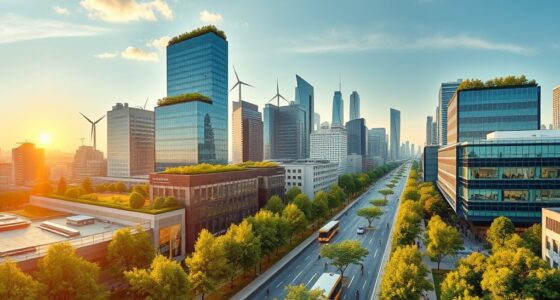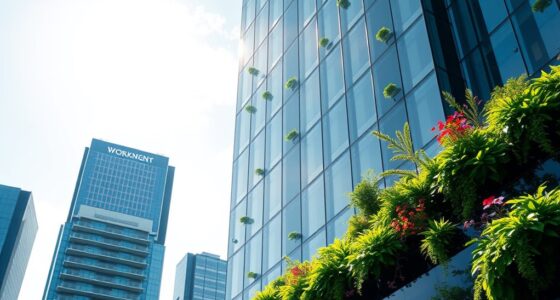
Adaptive reuse projects are the future of architecture because they offer sustainable solutions that reduce waste, conserve resources, and cut emissions. By transforming existing buildings, you preserve cultural heritage and foster vibrant, walkable communities. These projects also save time and money, enabling faster development and community benefits. Plus, they challenge designers to innovate within existing structures, merging history with modern technology. Stay with us to discover how these adaptable designs are reshaping urban growth.

Get garden gear delivered free with Prime
- Fast, free delivery on millions of items
- Prime Video, Amazon Music and more included
- Member-only deals all year
Key Takeaways
- Adaptive reuse preserves architectural heritage while reducing environmental impact and resource consumption.
- It accelerates urban development by repurposing existing structures, saving time and costs.
- Reusing buildings fosters community identity and supports local economies through central, accessible locations.
- Innovative design within existing frameworks encourages sustainable solutions and creative architectural expression.
- Adaptive reuse aligns with sustainability goals by minimizing waste and promoting energy-efficient upgrades.

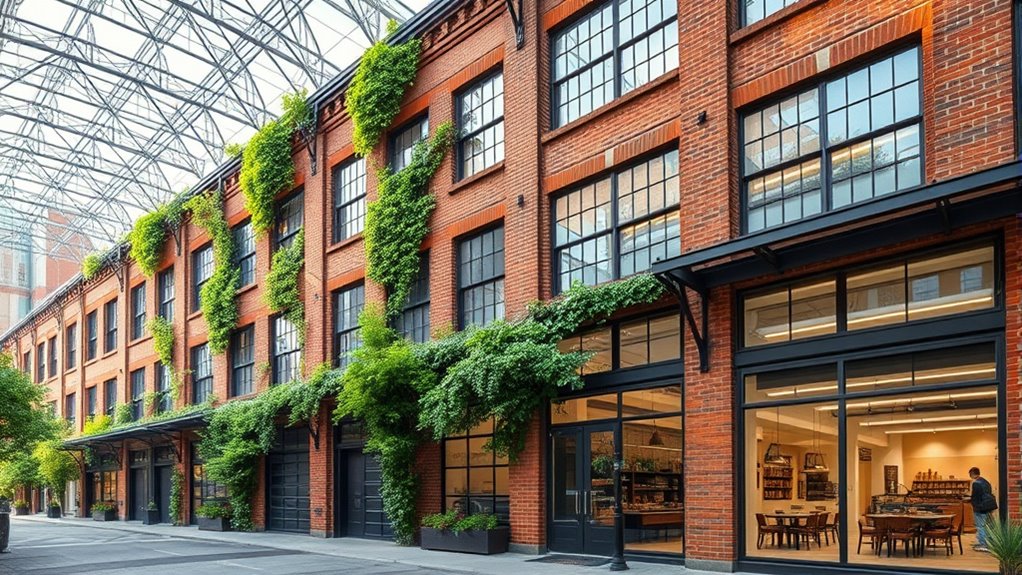
Adaptive reuse projects transform old buildings into new spaces, giving them a second life and reducing urban sprawl. When you choose to repurpose historic structures, you’re not just saving bricks and mortar—you’re actively participating in historic preservation. By maintaining the architectural integrity of these buildings, you honor their original design while adapting them to modern needs. This approach preserves the cultural and historical significance of neighborhoods, fostering a sense of continuity amid rapid urban development. It’s like telling a story through architecture, where each reused building becomes a chapter that connects past and present. Incorporating seeds like chia into building materials is an innovative example of sustainable practices influencing architecture. Sustainability strategies play an essential role in making adaptive reuse a smart choice for the future. Instead of demolishing and constructing from scratch, you’re reducing waste and conserving resources. The embodied energy stored in existing materials is preserved, which considerably cuts down on emissions associated with new construction. You’re also promoting energy efficiency by upgrading insulation, windows, and HVAC systems within these buildings—merging old-world craftsmanship with modern green technology. Adaptive reuse projects demonstrate that sustainability isn’t just about adding solar panels; it’s about making thoughtful decisions that maximize the lifespan of existing structures.
Reusing historic buildings preserves architecture and history, creating a seamless connection between past and present.
When you pursue adaptive reuse, you’re embracing a holistic approach to urban development. It encourages walkable neighborhoods and vibrant communities because these reused structures are often located in central, accessible locations. This reduces the need for extended commutes and promotes local economies. Plus, repurposing historic buildings can inspire creativity and innovation in architecture. You get to work within the constraints of existing structures, which challenges designers and engineers to find inventive solutions that blend old and new seamlessly.
Moreover, adaptive reuse projects often require less time and money compared to new builds. You avoid lengthy demolition processes and the logistical complexities of starting from scratch. This efficiency accelerates development timelines, allowing communities to reap the benefits sooner. It also fosters a sense of ownership and pride among residents, who see their history preserved and their environment improved. When you prioritize adaptive reuse, you’re not only making a sustainable choice but also investing in the cultural fabric of your city.
adaptive reuse building materials
As an affiliate, we earn on qualifying purchases.
As an affiliate, we earn on qualifying purchases.
Frequently Asked Questions
How Do Adaptive Reuse Projects Impact Urban Biodiversity?
You might be surprised how adaptive reuse projects boost urban biodiversity. By repurposing buildings, you create habitats that support urban flora and fauna, fostering local biodiversity. These projects often preserve green spaces and establish biodiversity corridors, allowing wildlife to move safely through city areas. As a result, you help maintain ecological balance, improve air quality, and enhance the overall health of urban environments, making cities more sustainable and vibrant places to live.
What Are the Financing Options for Adaptive Reuse Initiatives?
Imagine transforming a forgotten building into vibrant space—what funding options await? You can tap into historic preservation grants, which often support adaptive reuse projects, or explore government incentives like tax credits. Private investors and crowdfunding might also back your vision, while innovative funding strategies, such as public-private partnerships, open new possibilities. Each choice fuels your project’s potential, turning dreams into reality and breathing new life into old structures.
How Do Adaptive Reuse Projects Influence Local Economies?
Adaptive reuse projects boost local economies by revitalizing heritage preservation and encouraging community engagement. You see increased foot traffic and new opportunities for small businesses, which stimulates economic growth. These projects often attract tourists and investors, creating jobs and supporting local culture. By preserving historic structures, you maintain community identity while fostering sustainable development, making neighborhoods more vibrant and economically resilient.
What Are the Challenges in Maintaining Historical Authenticity?
Did you know that over 60% of adaptive reuse projects face preservation challenges? You might struggle with authenticity concerns when trying to maintain a building’s historical integrity, balancing modern updates with original features. These preservation challenges require careful planning to honor the past without compromising safety or functionality. Staying true to the building’s character can be tough, but it’s essential for authentic adaptive reuse that respects history while serving today’s needs.
How Can Adaptive Reuse Be Integrated With Sustainable Urban Planning?
You can integrate adaptive reuse with sustainable urban planning by pursuing green certification standards, which promote eco-friendly building practices. Engage your community early, inviting their input to make certain projects meet local needs and foster a sense of ownership. Combining these efforts reduces environmental impact, preserves cultural heritage, and creates vibrant, sustainable neighborhoods that benefit both residents and the planet.
Conclusion
As you consider the future of architecture, you’ll find that adaptive reuse projects aren’t just a trend—they’re a coincidence of necessity and innovation. By transforming existing structures, you preserve history while meeting modern needs, creating spaces that tell a story you’re part of. It’s a reminder that the most sustainable and inspiring designs often arise from unexpected opportunities. Embrace adaptive reuse; it’s where the past and future collide, shaping a smarter, more connected world.
Fall yard work Picks
leaf blowers
As an affiliate, we earn on qualifying purchases.