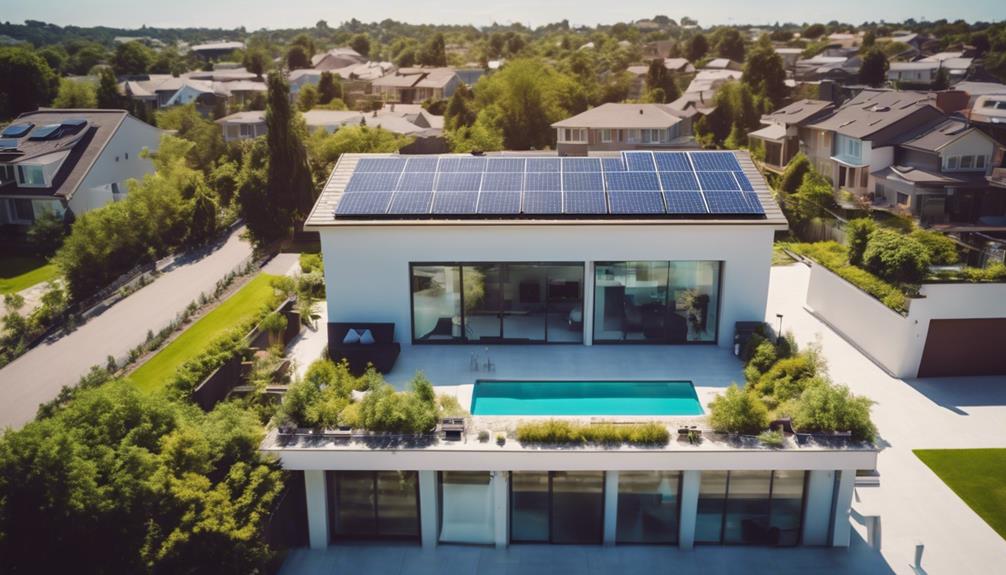

Solar deals span very different needs, so the best choice depends on whether you want a complete starter kit, panels for an existing system, or a small portable setup. My best overall pick is the AeternaSol 400W Solar Panel Kit, which pairs two high-efficiency bifacial panels with a useful combined output for a range of installations. The ECO-WORTHY 400W kit stands out for buyers who prefer four smaller panels, while the 200W TÜV-certified two-pack suits those who need a more modest panel addition. The main tradeoffs are wattage, system compatibility, panel count, and whether a charge controller or other components are included. Read on for the full breakdown and help matching a solar deal to your actual power needs.

Get garden gear delivered free with Prime
- Fast, free delivery on millions of items
- Prime Video, Amazon Music and more included
- Member-only deals all year
Complete the kit


Key Takeaways
- The AeternaSol 400W kit is my best overall pick because it combines two high-efficiency bifacial panels, giving buyers a substantial panel setup without splitting the array across four units.
- The ECO-WORTHY 400W kit offers a different kind of flexibility: four 100W panels can be easier to place around roof, vehicle, or shading constraints, though more panels mean more mounting and wiring decisions.
- Several options are panels, not complete solar systems. Buyers may need a compatible charge controller, battery, inverter, wiring, and mounts before they can use generated power.
- The 200W models serve distinct purposes. The AeternaSol bifacial panel emphasizes efficiency, while ECO-WORTHY’s 200W kit includes a 30A PWM controller for a more direct entry into a small system.
- The portable generator kit and string lights are specialist picks, not substitutes for a household array. They make more sense for small loads or outdoor lighting than for powering major appliances.


| solar deal | Efficiency |
|---|---|
| AeternaSol 400W Solar Panel Ki | 25.6% |
| Portable Solar Generator Kit w | — |
| ECO-WORTHY 400W Monocrystallin | — |
| 430W | Over 25% |
| 200W TÜV Certified Solar Panel | Up to 25.8% |
| Solar Outdoor String Lights | — |
| ECO-WORTHY 200 Watts 12V/24V S | Up to 21.5% |
| AeternaSol 200W Bifacial Solar | 25.6% |
| N-Type 16BB 400W Bifacial Sola | 25.6% |
More Details on Our Top Picks
AeternaSol 400W Solar Panel Kit (2 x 200W 12V), 25.6% High-Efficiency Bifacial Monocrystalline
For buyers comparing solar deals by usable output, this AeternaSol kit combines 400W across two panels with N-Type cells rated at 25.6% efficiency. Its bifacial design can capture reflected light for up to 15% more energy, a useful advantage where the rear side has room to receive sunlight. Compared with the ECO-WORTHY 400W Monocrystalline Solar Panel Kit, it uses two larger panels rather than four smaller ones, which may mean fewer panels to position but less flexibility on a fragmented roof. IP68 protection and MC4 connectors suit outdoor installations and future expansion. The tradeoff is physical: each panel is over 52 inches long, and mounting brackets are not included. I’d rank it first for buyers wanting a capable, expandable 12V array, but not for very tight roof layouts.
Pros:- 400W total output from two panels provides a substantial base for an off-grid system.
- N-Type cells are rated at 25.6% efficiency, helping make better use of available panel area.
- Bifacial design can add up to 15% energy from reflected light in suitable installations.
- IP68 protection and MC4 connectors support outdoor use and system expansion.
Cons:- Each panel is large, which limits fit on short or irregular roofs.
- Mounting brackets must be purchased separately.
- The stated bifacial gain depends on installation conditions and reflected light.
Best for: RV and van owners with enough clear roof space for two large panels who want a 400W array with expansion-friendly MC4 connections.
Not ideal for: Owners of compact vans or small rooftops that cannot accommodate panels over 52 inches long, or buyers who need mounting brackets included.
- Total power:400W (2 x 200W)
- Voltage:12V
- Cell type:N-Type A+ monocrystalline
- Efficiency:25.6%
- Design:Bifacial; up to 15% additional energy gain stated
- Dimensions per panel:52.76 x 26.38 x 1.18 inches
- Connectors:MC4
- Degradation:≤1% first year; ≤0.4% annually
Our verdict“Choose this kit for a high-output 12V installation with room for two large bifacial panels, but skip it if roof space or included mounting hardware is a priority.”
Portable Solar Generator Kit with 4 LED Bulbs and 15W Solar Panel
This kit is a different kind of solar deal from the panel arrays in this roundup: it is a small lighting and device-charging system, not a route to substantial household or RV power. The included four LED bulbs, two USB ports, and 12V socket make it useful for a shed, basic campsite lighting, or short outages. The stated runtime ranges from about 32 hours with one bulb to eight hours with all four, giving buyers a practical way to plan lighting use. Compared with the AeternaSol 400W Solar Panel Kit, its 15W panel and 12V 4A lead-acid battery are far more limited, but this package includes the lights and compact power unit rather than requiring a separate system build. Its constraints are meaningful: charging capacity is modest, the battery is lead-acid, and some assembly is required.
Pros:- Four included bulbs provide a ready-made lighting setup for campsites or outages.
- USB ports and a 12V socket support basic phone, tablet, or fan charging.
- Compact 8.37-pound system is easier to move than a multi-panel array.
- Panel has an IP65 rating, and the unit lists short-circuit and voltage protections.
Cons:- The 15W solar panel limits charging speed and total energy available.
- The 12V 4A lead-acid battery is less suited to buyers seeking a lighter, longer-lived storage option.
- Assembly is required, and the system is not a substitute for a high-output solar kit.
Best for: Campers, shed owners, and emergency-preparedness buyers who mainly need several low-power lights and occasional phone charging.
Not ideal for: Buyers who need to run appliances, recharge devices quickly, or build a larger RV or home-backup system.
- Solar panel:15W monocrystalline
- Battery:12V 4A lead-acid
- Peak power:15W
- Bulbs:4 x 12V LED SMD bulbs; 100+ lumens each
- Ports:2 USB, 1 x 12V socket, 4 bulb jacks, solar charging port
- Listed runtime:1 bulb: about 32 hours; 2 bulbs: about 16 hours; 4 bulbs: about 8 hours
- Weight:8.37 lbs
- Solar panel protection:IP65
Our verdict“Pick this kit for basic off-grid lighting and small-device charging, not for powering appliances or matching the output of the larger panel kits.”
ECO-WORTHY 400W Monocrystalline Solar Panel Kit (4 pcs, 100W each, 18V, N-Type, IP68 Waterproof)
The ECO-WORTHY set earns its place for buyers who value four smaller panels over two larger ones. Each 100W panel measures about 35.63 by 23.03 inches, giving RV, boat, or garden-system owners more options for arranging panels around vents and other obstacles. That makes it a more adaptable fit than the AeternaSol 400W Solar Panel Kit, whose two 200W panels are longer and offer bifacial construction. ECO-WORTHY’s stated 400W total and IP68 waterproof design suit off-grid builds, while the supplied 35-inch cable length is a detail buyers should check against their layout. The tradeoff is that four panels mean more mounting points and wiring to manage. Each weighs 23.8 pounds, so the mounting surface needs to support the load. I’d favor this set for a segmented roof, but not for buyers seeking the simplest installation.
Pros:- Four 100W panels allow more placement options than a two-panel 400W layout.
- IP68 waterproof construction is suited to outdoor installations.
- Pre-drilled holes and plug-and-play connectors simplify basic mounting and connections.
- 400W total output supports a larger off-grid array than the included small generator kit.
Cons:- Four panels require more mounting points and wiring than a two-panel kit.
- At 23.8 pounds per panel, each unit calls for sturdy support.
- The 35-inch cable length may limit placement without additional wiring.
Best for: RV, boat, and garden-system owners who need to distribute a 400W array across several available mounting areas.
Not ideal for: Buyers who want fewer panels and connections to install, or whose mounting structure cannot support the listed panel weight.
- Number of panels:4
- Power:100W per panel; 400W total
- Voltage:18V per panel
- Amperage capacity:4.96 A
- Maximum voltage:25.2V
- Dimensions per panel:35.63 x 23.03 x 1.18 inches
- Weight per panel:23.8 lbs
- Cable length:35 inches
Our verdict“Choose this kit when four-panel placement flexibility matters more than minimizing installation steps or panel count.”
430W (2x215W) 4-Module Anti-Shading Bifacial Solar Panels
For buyers weighing solar deals around shading resilience, this 430W set is the specialist pick. Its four independent modules are designed to reduce power loss when part of the array is shaded, a useful distinction for off-grid locations with nearby obstructions. The bifacial N-Type design and stated efficiency above 25% add appeal where reflected light is available. Compared with the AeternaSol 400W Solar Panel Kit, it offers 30W more rated output and an anti-shading approach, while AeternaSol provides a clearly stated 12V kit format and MC4 connectors. This product’s listed series values—34.74V Vmp and 40.82V Voc—make system compatibility a key buying check, especially for power-station owners. Its warranty terms are a plus, but the more specialized design may not be worth choosing if your setup has no shading issue.
Pros:- Four independent modules are designed to limit output loss from partial shading.
- 430W rated output is higher than the 400W kits in this group.
- Bifacial N-Type technology and stated efficiency above 25% suit output-focused installations.
- Includes a 12-year product warranty and 25-year power warranty.
Cons:- Compatibility with a power station or charge controller must be checked against the series electrical values.
- Its specialized construction may be unnecessary for sites without shading.
- The description does not provide panel dimensions, making fit planning harder.
Best for: Off-grid system owners with partial shade from trees, roof fixtures, or nearby structures who can confirm their controller or power station supports the panel specifications.
Not ideal for: Buyers with consistently unshaded sites, or those who cannot verify compatibility with the listed series voltage and current.
- Independent modules:4
- Technology:Bifacial
- Cell type:A+ N-Type 16BB
- Efficiency:Over 25%
- Vmp:34.74V (series connection)
- Voc:40.82V (series connection)
- Warranty:12-year product; 25-year power
Our verdict“This is the strongest fit for a compatible off-grid system with recurring partial shade, while buyers with simple, unshaded setups may prefer a less specialized kit.”
200W TÜV Certified Solar Panel, 2-Pack 100W N-Type Monocrystalline Panels
This two-panel set suits buyers who want a modest, configurable start rather than a ready-made 400W array. Its TÜV, IEC, and UL certifications distinguish it from the other panel kits here, while 25.8% stated efficiency gives each 100W panel a strong efficiency claim. Series or parallel wiring lets an RV or marine buyer match the setup to system needs, although the listed limit of three panels in parallel constrains that route. Compared with the ECO-WORTHY 400W Monocrystalline Solar Panel Kit, this set starts at half the total wattage and uses fewer panels, so it may suit a smaller system but leaves less capacity for higher loads. Tempered glass and corrosion-resistant aluminum frames are practical outdoor features. The tradeoff is that careful handling and routine cleaning remain part of ownership, and buyers planning a larger array may need another solution.
Pros:- TÜV, IEC 61215, IEC 61730, and UL 61730 certifications are listed.
- Two 100W panels offer a smaller starting point than the 400W kits.
- Series or parallel wiring supports different system configurations.
- Tempered glass and aluminum frames are specified for outdoor applications.
Cons:- 200W total output is lower than the 400W and 430W options in this group.
- Parallel expansion is limited to a maximum of three panels.
- Panels require careful handling and cleaning to support continued performance.
Best for: RV and boat owners building a smaller off-grid system who value listed safety certifications and the choice of series or parallel wiring.
Not ideal for: Households or off-grid users targeting 400W or more immediately, or buyers who need more than three panels in parallel.
- Power output:200W (2 x 100W)
- Cell type:N-Type monocrystalline
- Efficiency:Up to 25.8%
- Cell design:16BB busbar
- Certifications:TÜV, IEC 61215, IEC 61730, UL 61730
- Wiring options:Series or parallel
- Frame and glass:Aluminum frame; tempered glass
- Maximum panels in parallel:3
Our verdict“Choose this certified 200W set for a smaller RV or marine build with flexible wiring needs, but look elsewhere if you need high output or broad parallel expansion.”
Solar Outdoor String Lights, 33 ft, 100 Warm White LEDs, 8 Modes
For buyers looking for a small solar upgrade rather than a power system, these 33-foot string lights bring decorative lighting without a cord to an outlet. Their 100 warm white LEDs and eight modes offer more flexibility for patios or seasonal displays than a fixed-effect light set. The stated 8–10-hour runtime can cover an evening when the panel gets enough sun, but cloudy conditions or a shaded placement can reduce that window. Unlike the ECO-WORTHY 200 Watts Solar Panel Kit, this is not designed to run appliances or charge a broader off-grid setup; its purpose is simpler and more focused. The IP65 rating suits exposure to rain and splashes, while the included reel can make setup less prone to tangling. The tradeoff is that performance depends on sunlight, so placement matters more than with plug-in lights.
Pros:- Solar power avoids the need for a nearby outlet or extension cord
- Eight modes allow different decorative effects
- IP65-rated protection resists rain and splashing water
- Reel helps reduce tangling during installation and storage
Cons:- Runtime depends on receiving a full charge from available sunlight
- Shaded or overcast conditions can limit charging and evening use
- Provides decorative lighting rather than usable power for other devices
Best for: Patio, garden, or event hosts who want decorative lighting without running an extension cord to an outlet
Not ideal for: Buyers who need dependable lighting in shaded locations or want solar power for appliances rather than decoration
- Length:33 ft
- LED count:100
- Light color:Warm white
- Color temperature:3000 K
- Lighting modes:8
- Charging time:4–6 hours
- Runtime:8–10 hours
- Water resistance:IP65
Our verdict“Choose these lights for cord-free patio ambience, but pick a panel kit instead if your solar needs extend beyond decoration.”
ECO-WORTHY 200 Watts 12V/24V Solar Panel Kit with Monocrystalline Panels and 30A PWM Charge Controller
This kit earns its place for buyers who want the main pieces of a small off-grid array in one package: two 100W panels, a 30A PWM controller, brackets, and cables. That makes it a more installation-ready starting point than the AeternaSol 200W Bifacial Solar Panel, which is a single panel rather than a bundled kit. The 12V/24V compatibility supports common RV, camper, and boat setups, while the aluminum frames are described as corrosion-resistant for outdoor use. Its stated efficiency reaches 21.5%, below the AeternaSol panel’s 25.6% figure, and the total output remains 200W; buyers planning larger loads may need additional capacity. Installation still calls for some technical familiarity, and the included PWM controller is a simpler charge-control approach than a panel-only buyer may expect to pair with a separate system. The one-year warranty is also limited.
Pros:- Includes two panels, controller, mounting brackets, cables, and connectors
- 12V/24V compatibility suits common off-grid configurations
- Monocrystalline panels list efficiency up to 21.5%
- Corrosion-resistant aluminum frames support outdoor mounting
Cons:- 200W total output may be insufficient for larger loads
- Installation requires some technical knowledge
- One-year warranty is limited
Best for: RV and camper owners building a modest 12V or 24V off-grid setup who want panels, controller, and mounting parts together
Not ideal for: Buyers with high daily power demands, those seeking the highest listed panel efficiency, or anyone who wants a no-install plug-and-play system
- Power:200W
- Voltage:12V/24V
- Panel type:Monocrystalline
- Efficiency:Up to 21.5%
- Panel dimensions:35.2 x 23.1 x 1.37 inches
- Frame material:Corrosion-resistant aluminum alloy
- Wind load:2400Pa
- Included components:2 panels, mounting brackets, charge controller, cables, connectors
Our verdict“Pick this bundled kit for a modest off-grid build where included components matter more than maximum efficiency or expansion capacity.”
AeternaSol 200W Bifacial Solar Panel, 12V N-Type 18BB Monocrystalline, 25.6% High-Efficiency
The AeternaSol is aimed at buyers with limited mounting area who want a single panel with a high stated efficiency: its 200W output and 25.6% efficiency make it a more space-conscious choice than the two-panel N-Type 16BB 400W Bifacial Solar Panel 2 Pack. Its bifacial design can collect light from the rear as well, with up to 15% additional output under reflective conditions. That gain is conditional, though: a panel mounted close to a dark or opaque surface will not receive the same benefit as one with suitable reflected light. At 52.76 x 26.38 inches, it is intended for compact RV, van, or rooftop installations, but it still needs clear mounting space and a compatible charge setup. IP68 protection and MC4 connectors support outdoor use and system connections; buyers seeking a complete kit should compare it with the bundled ECO-WORTHY option.
Pros:- 25.6% stated efficiency in a single 200W panel
- Bifacial construction can add output in reflective installations
- IP68 protection and potting technology are designed to resist water and corrosion
- Pre-drilled mounting holes and MC4 connectors support installation and expansion
Cons:- Bifacial gain depends on rear-side light and suitable mounting conditions
- A single 200W panel may not meet larger system demands
- Does not include the controller and full mounting package listed with the ECO-WORTHY kit
Best for: Van and RV owners with room for one panel who can mount it above a reflective surface and want a high-efficiency 12V option
Not ideal for: Buyers who need a complete controller-and-mounting kit, a larger power array, or cannot provide conditions that benefit bifacial generation
- Power output:200W
- Voltage:12V
- Cell type:N-Type A+ monocrystalline
- Busbars:18
- Efficiency:25.6%
- Dimensions:52.76 x 26.38 x 1.18 inches
- Bifacial gain:Up to 15% more energy output under reflective conditions
- Connectors:MC4 plugs
Our verdict“Choose this panel for a space-limited RV or van installation when efficiency and potential rear-side generation matter more than a complete kit.”
N-Type 16BB 400W Bifacial Solar Panel – 2 Pack for 12V/24V Systems
With two 200W bifacial panels and 400W maximum power, this set is the lineup’s stronger fit for buyers who need more panel capacity than a single 200W option can provide. Compared with the AeternaSol 200W Bifacial Solar Panel, it doubles the listed total output and offers two modules that can be connected in series. Its N-type cells, 25.6% stated efficiency, and anti-shade design are intended to support output in more demanding off-grid, RV, van, or marine installations. But the bifacial advantage still depends on reflective light reaching the transparent backsheets; it is not automatic in every mounting position. Each panel weighs 23.8 pounds, so roof strength and secure hardware matter more than with a smaller single-panel setup. This is a better match for buyers planning an array than for anyone seeking a compact, all-in-one kit with a controller.
Pros:- Two panels provide up to 400W total maximum power
- 25.6% stated efficiency with N-type monocrystalline cells
- Bifacial design can capture reflected light from the rear
- Anti-shade design is intended to help maintain performance under partial shading
Cons:- Each 23.8-pound panel calls for secure, sturdy mounting
- Bifacial output depends on installation and reflected-light conditions
- The set does not list a charge controller or mounting hardware
Best for: RV, van, marine, or off-grid system owners who need a 400W panel set and have sturdy mounting points
Not ideal for: Buyers with limited roof space, lightweight mounting structures, or no practical way to take advantage of rear-side reflected light
- Maximum power:400W
- Panel count:2
- Efficiency:25.6%
- Amperage capacity:8.43 A
- Maximum voltage:23.74 V
- Output voltage:27.31 V
- Dimensions:51.3 x 30.3 x 1.4 inches per panel
- Weight:23.8 lbs per panel
- Materials:Tempered glass, aluminum alloy frame, N-type monocrystalline cells, transparent backsheet
Our verdict“Choose this two-panel set for a higher-output off-grid build if your roof can support the panels and your mounting layout suits bifacial generation.”

How We Picked
I ranked these solar deals by how clearly each option serves a real buyer need, not by wattage alone. I compared stated output and panel configuration, efficiency and cell technology where specified, weather-resistance details, and whether the listing includes system components such as a charge controller. I also weighed setup complexity and versatility: a panel bundle for an existing system has a different value than a kit designed to help a beginner get started.
The AeternaSol 400W kit leads because it offers a strong balance of stated efficiency, output, and straightforward two-panel configuration. The ECO-WORTHY 400W option follows for buyers who can benefit from four smaller panels, while the 200W controller-included kit earns a place for simpler small-system planning. Single panels and two-packs rank lower for broad utility because buyers must check compatibility and fill in more parts; the portable generator and string lights rank as narrower-purpose choices rather than general solar-power solutions. Product descriptions do not establish real-world energy yield, so I treat wattage and efficiency claims as specifications, not guaranteed daily output.
Factors to Consider When Choosing Solar Deals
Before choosing among these solar deals, I would start with the system you are building—not the headline wattage. A panel can be a strong match on paper and still be the wrong purchase if its voltage, controller, mounting method, or intended use does not fit your setup.
Match the panel to the system you already own
Check your battery chemistry, system voltage, charge-controller limits, and inverter requirements before buying panels. A label such as 12V or 24V is not enough on its own; the panel’s operating and open-circuit voltages must work with the controller. If you are expanding an existing array, compare the new panels’ electrical characteristics with the old ones, since mismatched panels can limit the combined system. Buyers starting from scratch should budget for the parts a panel listing may not include, including a controller, battery, wiring, fuses, and mounts. A complete bill of materials can prevent a low-cost panel purchase from turning into an incomplete project.
Treat rated wattage as a ceiling, not a daily energy promise
Panel wattage describes output under standardized conditions, not the amount of electricity you will collect each day. Sun angle, shade, temperature, roof direction, dirt, and seasonal daylight all affect production. Estimate daily energy from your loads in watt-hours, then allow room for losses in the controller, battery, and inverter. A 400W array may be a better fit than a 200W option for heavier use, but it will not solve a poor-sun installation by itself. If your energy needs are uncertain, record appliance wattage and run time before deciding how much panel capacity to buy.
Choose panel count around your mounting space and shade
Two larger panels and four smaller panels can have the same stated total wattage but fit very differently on a roof, RV, shed, or ground rack. More modules may help you work around obstructions or split an array across available spaces, but they add mounting points, connections, and cable routing. Shade can affect series-connected panels differently from parallel-connected ones, so ask how the panels will be wired rather than assuming a divided array automatically performs better. Measure the usable area and check panel dimensions before ordering. Leave access for cleaning, inspection, and repairs instead of filling every available inch.
Decide whether a bundled controller is a benefit or a constraint
A bundle with a charge controller can simplify a small system, especially for someone who does not already own compatible equipment. Yet a controller’s rating and type must suit the panel array and battery; a mismatched unit can restrict output or fail to protect the battery properly. The ECO-WORTHY 200W kit includes a 30A PWM controller, while several other panel choices do not list a controller in their names. A PWM controller may be adequate for a modest setup, but buyers should compare it with an MPPT controller when panel voltage and system design make that choice relevant. Check exactly what is included, and do not assume that “kit” means battery, inverter, mounting hardware, or every cable is supplied.
Pay for performance claims only when they fit your conditions
High-efficiency and bifacial designs can be attractive when roof or ground space is limited, but their benefit depends on installation. Bifacial panels need useful reflected light at the rear, which can depend on mounting height and the surface below; a panel mounted flush against an opaque roof may not gain much from its back side. N-type cell descriptions and high-efficiency percentages do not replace checking dimensions, electrical ratings, warranty terms, and system compatibility. A less elaborate panel can make more sense when space is ample and the system’s charge controller is the limiting factor. Compare the whole setup rather than paying extra for a feature your mounting conditions cannot use.
Separate small solar accessories from power-system purchases
The portable generator kit and outdoor string lights solve narrower problems than a panel array. The generator bundle is aimed at small loads and basic lighting, while string lights are for outdoor ambiance rather than charging batteries or running appliances. Before buying a portable kit, check the generator’s battery capacity, output ports, charging time, and the actual panel wattage; the included 15W panel signals a small-scale charging role. For outdoor lights, verify weather protection, placement, and whether the solar panel can receive direct sun during the day. Choosing a purpose-built accessory can be sensible, but it should not be compared with a 200W or 400W panel as though they provide the same kind of value.
Frequently Asked Questions
Can I add one of these panels to my existing solar system?
Possibly, but first compare the new panel’s voltage and current with your existing array and charge controller. Mixing panels with different electrical ratings can reduce output, particularly when they are wired together in series. Check the controller’s maximum input voltage, current, and supported system voltage, along with any battery limits. If the new panel will use a separate controller, confirm that both controllers can safely charge the same battery bank. When the existing system’s wiring or ratings are unclear, a qualified solar installer can help verify compatibility before you buy.
Is a 400W panel kit enough to power a home or RV?
Rated wattage alone cannot answer that; the key number is how much energy your appliances use each day and how many useful sun hours your site gets. A 400W array may help with an RV or a small off-grid setup, but it will not automatically run high-demand appliances through the day and night. You also need a suitable battery for storage, a charge controller, and an inverter for AC equipment. Make a list of each appliance’s wattage and daily run time, then account for conversion losses and cloudy conditions. Treat any kit’s output as a component of a system, not a guaranteed whole-home supply.
Should I choose bifacial panels or a standard monocrystalline panel?
Bifacial panels are most useful when their rear side can receive reflected light, such as on an elevated ground mount above a bright surface. They may offer little extra benefit when installed close to a dark or opaque roof. A standard monocrystalline panel can be the simpler fit where mounting space is available and the back side will be blocked. Compare panel dimensions and electrical ratings as well as the bifacial claim, since those details determine whether the panel fits your system. The strongest choice is the design that works with your mounting conditions, not the one with the most advanced-sounding description.
Does a solar panel kit include everything I need to generate usable power?
Not necessarily. Some kits include a charge controller, while panel bundles may leave buyers to supply a controller, battery, inverter, cables, fuses, and mounting hardware. Even when a controller is included, verify that its rating matches the array and battery you plan to use. A panel produces direct-current electricity, so AC appliances generally need an appropriately sized inverter and stored energy if they must run after sunset. Read the included-parts list before comparing bundles, and price the missing components as part of the project. That gives a clearer view of the setup’s full cost without relying on the panel name alone.
What should I choose for a small cabin or occasional outdoor use?
For occasional lighting and small electronics, a portable generator kit can be simpler than designing a full panel-and-battery system, but check its stored capacity and output limits first. A small cabin with regular daily loads may be better served by a 200W or larger panel setup paired with a properly sized battery and controller. Outdoor string lights are a separate choice for illumination and should not be treated as a power source for other devices. Estimate your actual daily energy use, including cloudy-day needs, before selecting between a self-contained accessory and a modular system. If you expect to add loads later, a system with room for expansion may save rework.
Conclusion
For the best overall balance, I recommend the AeternaSol 400W Solar Panel Kit for buyers seeking a higher-output two-panel array with bifacial construction. For value and flexible placement, the ECO-WORTHY 400W kit is the better fit when four smaller panels suit the available space. For beginners building a modest system, the ECO-WORTHY 200W kit is the clearest starting point among the panel options because it includes a 30A PWM controller, though buyers still need to check what else their setup requires. For a premium-leaning compact panel choice, consider the AeternaSol 200W bifacial panel when limited space and compatible mounting make its efficiency claims relevant. For a specific small-use need, choose the portable generator kit for basic off-grid power or the solar string lights for outdoor illumination; neither is a replacement for a full solar array. My final advice is to match the product to your loads, mounting conditions, and existing equipment before choosing by wattage alone.
Black Friday Picks

Bose QuietComfort Headphones (2nd Gen), Wireless Over-Ear Noise-Cancelling Headphones, Black
As an affiliate, we earn on qualifying purchases.