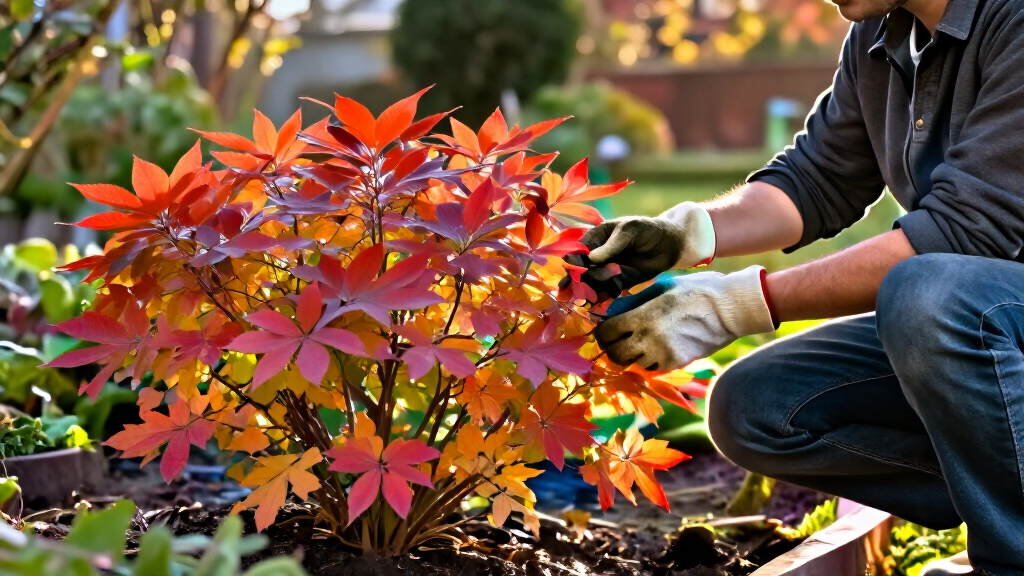
When I look for shrubs that deliver a punch of autumn color, I prioritize plants that offer intense pigmentation without demanding excessive maintenance or space. The best shrubs for fall color balance visual impact with practical gardening realities, such as hardiness zones and mature size. My top pick for most homeowners is the Dwarf Burning Bush Shrub in a 4-inch pot, which offers reliable scarlet foliage in a compact footprint suitable for foundation plantings. For those looking to establish a larger hedge or border in one go, the 5 Dwarf Burning Bush Bare-Root Plants provide a cost-effective way to fill gaps, though they require more attentive watering during establishment. If you live in a warmer climate, the Southern Living Obsession Nandina stands out as a superior alternative, offering multi-season interest that burning bush cannot match in zones 6 through 10.

Get garden gear delivered free with Prime
- Fast, free delivery on millions of items
- Prime Video, Amazon Music and more included
- Member-only deals all year
The primary tradeoff in this category often comes down to climate adaptability versus size control. Burning bush varieties are famously hardy and compact, but they can look sparse in winter. Nandina, by contrast, holds its leaves longer and provides berries, yet it struggles in extreme cold. I have evaluated these options based on their ability to deliver that specific autumnal glow while fitting into the average residential landscape. Whether you are planting a single accent near your front door or lining a driveway, the right choice depends on your local weather patterns and how much space you have to spare.
Complete the kit


Key Takeaways
- Dwarf Burning Bush delivers intense scarlet color in compact spaces, ideal for foundations.
- Bare-root packs offer value for large borders but require consistent moisture during establishment.
- Obsession Nandina provides multi-season color and berries, making it superior for warm climates.
- Soil drainage is critical for all three options, as waterlogged roots cause root rot.
- Sun exposure directly impacts the intensity of fall foliage color across all varieties.
| Dwarf Burning Bush Shrub Live Plant, 6–12 Inches Tall, 4-Inch Pot |  | Best Overall | Plant Type: Dwarf burning bush shrub | Height: 6–12 inches | Pot Size: 4 inches | VIEW LATEST PRICE | See Our Full Breakdown |
| 5 Dwarf Burning Bush Bare-Root Plants, 6–12 Inches Tall |  | Best Value | Quantity: 5 plants | Plant Type: Dwarf burning bush | Form: Bare-root live plants | VIEW LATEST PRICE | See Our Full Breakdown |
| Southern Living Obsession Nandina Shrub, 2 Gallons |  | Best For Warm Climates | Plant Type: Nandina shrub | Container Size: 2 gallons | USDA Hardiness Zones: 6–10 | VIEW LATEST PRICE | See Our Full Breakdown |
| shrubs for fall color | Plant Type | USDA Hardiness Zones | Watering |
|---|---|---|---|
| Dwarf Burning Bush Shrub Live | Dwarf burning bush shrub | — | — |
| 5 Dwarf Burning Bush Bare-Root | Dwarf burning bush | 3–9 | Regular; keep soil consistently moist |
| Southern Living Obsession Nand | Nandina shrub | 6–10 | Twice weekly until established |
More Details on Our Top Picks
Dwarf Burning Bush Shrub Live Plant, 6–12 Inches Tall, 4-Inch Pot
This option stands out for its balance of immediate utility and long-term reliability. Unlike the bare-root packs, this plant arrives in a pot, meaning you can plant it at almost any time of the year and it will establish roots quickly. The scarlet red fall foliage is its defining feature, turning a vibrant crimson that contrasts sharply with evergreen neighbors. I find this specific pot size ideal for beginners or those planting a single specimen near a porch. It is less risky than bare-root options because the root ball is intact, reducing transplant shock. However, compared to the Nandina, it offers color only in autumn, leaving the plant bare in winter. Its compact growth habit means it won’t overwhelm a small foundation bed, a significant advantage over standard burning bush varieties that can reach six feet wide.
Pros:- Intense scarlet red fall color
- Compact size fits small spaces
- Potted plant reduces transplant shock
- Adapts to various soil types
Cons:- Bare branches in winter
- Single plant may be too sparse for large areas
Best for: Homeowners planting a single accent shrub in a small garden bed or foundation.
Not ideal for: Those looking to fill a long hedge quickly or gardeners in very warm southern climates.
- Plant Type:Dwarf burning bush shrub
- Height:6–12 inches
- Pot Size:4 inches
- Fall Foliage:Scarlet red
- Growth Habit:Compact
- Care:Low maintenance
- Soil Adaptability:Adapts to various soil types
Our verdict“The most reliable and low-risk choice for adding a burst of autumn color to a small garden space.”
5 Dwarf Burning Bush Bare-Root Plants, 6–12 Inches Tall
This pack makes the most sense for gardeners who need to cover a larger area, such as a driveway border or a long fence line. Buying five plants at once is more economical than purchasing individual pots, but it comes with a steep learning curve regarding watering. Bare-root plants are dormant when they arrive, which means they look dead until they wake up in spring. This can be disheartening for new gardeners. However, once established, they offer the same brilliant scarlet red fall display as the potted version. The key difference is the establishment phase; you must keep the soil consistently moist, which is harder to manage than with a potted plant that has a soil ball. If you miss a watering during that first hot summer, you risk losing the plants. It is a high-reward option for those willing to put in the initial effort.
Pros:- Cost-effective for planting multiple shrubs
- Hardy across USDA zones 3–9
- Brilliant scarlet-red fall foliage
- Compact growth suitable for borders
Cons:- Requires regular watering to keep soil moist
- Ships dormant as bare-root plants
- Higher risk of transplant shock
Best for: Gardeners establishing a hedge or border who are comfortable with bare-root planting.
Not ideal for: Beginners who cannot commit to daily watering checks during the first growing season.
- Quantity:5 plants
- Plant Type:Dwarf burning bush
- Form:Bare-root live plants
- Plant Height:6–12 inches
- Expected Mature Height:72 inches
- Sunlight:Full sun to partial shade
- USDA Hardiness Zones:3–9
- Soil:Well-drained, moist, loamy
- Watering:Regular; keep soil consistently moist
Our verdict“A budget-friendly solution for large-scale planting projects, provided you can manage the precise watering requirements.”
Southern Living Obsession Nandina Shrub, 2 Gallons
While the burning bush varieties are kings of the northern autumn, this Nandina is the superior choice for zones 6 through 10. The Obsession Nandina does not just offer fall color; it provides visual interest throughout the year. The foliage shifts from bronze in spring to green in summer, then to fiery orange and red in fall, and often holds its color into winter if the weather is mild. Unlike the burning bush, which drops its leaves, this shrub retains its structure and often produces red berries, adding texture to the winter landscape. I prefer this option for southern gardens where the burning bush might not color up as intensely due to warmer nights. The tradeoff is size; at 2 gallons, it is larger than the dwarf burning bush pots, requiring more space and a larger hole for planting. It also demands consistent water until established, similar to the bare-root packs.
Pros:- Colorful foliage throughout the seasons
- Low maintenance once established
- Suitable for USDA zones 6–10
- Retains leaves in winter
Cons:- Requires regular watering while establishing
- Larger container size requires more space
- Not suitable for extreme cold
Best for: Gardeners in USDA zones 6–10 who want multi-season interest and winter structure.
Not ideal for: Those in extreme cold climates (zone 5 and below) or those with very small planting spaces.
- Plant Type:Nandina shrub
- Container Size:2 gallons
- USDA Hardiness Zones:6–10
- Light:Full sun to partial shade
- Watering:Twice weekly until established
- Maintenance:Low
- Foliage Color:Bronze to green to red
- Season Interest:Spring through Winter
Our verdict“The best choice for warm climates seeking a shrub that offers color and structure beyond just the autumn months.”
How We Picked
I selected these shrubs based on their reliability as fall color performers in residential settings. My primary criterion was the intensity and duration of autumn foliage change. I looked for plants that are widely recognized for turning red, orange, or purple rather than simply dropping leaves. Second, I considered size constraints. Many homeowners do not have room for ten-foot shrubs, so I prioritized compact or manageable varieties like the dwarf burning bush and nandina. Third, I evaluated ease of care. A plant that requires specialized soil amendments or constant pruning loses its appeal for the average gardener. Finally, I looked at climate versatility. I included options that span from cold-hardy zones (3) to warm southern zones (10) to ensure readers in different regions have a viable choice. I excluded plants that are invasive in many regions or those that offer poor color retention.
| shrubs for fall color | Plant Type | Watering |
|---|---|---|
| Dwarf Burning Bush Shrub Live | Dwarf burning bush shrub | — |
| 5 Dwarf Burning Bush Bare-Root | Dwarf burning bush | Regular; keep soil consistently moist |
| Southern Living Obsession Nand | Nandina shrub | Twice weekly until established |
Factors to Consider When Choosing Best Shrubs For Fall Color
Choosing the right shrub for fall color involves more than just picking the reddest leaf. You must consider how the plant behaves in the other three seasons, how it fits your specific hardiness zone, and how much care you are willing to provide during the critical first year. My guide below breaks down the key factors that separate these three options.
Hardiness Zones And Climate Fit
The burning bush varieties are exceptionally hardy, thriving in zones 3 through 9. This makes them perfect for northern and mid-latitude gardens where winters are cold. If you plant a burning bush in zone 3, it will survive the winter without protection. However, in zones 9 and above, the lack of cold nights can result in muted fall colors. Conversely, the Obsession Nandina is suited for zones 6–10. It thrives in the heat and humidity of the South but may suffer dieback in severe winters north of zone 6. Matching your plant to your zone is the single most important step to ensure survival.
Plant Form: Potted vs. Bare-Root
When deciding between the potted dwarf burning bush and the bare-root pack, consider your planting timeline and risk tolerance. Potted plants have an established root system in soil, allowing for flexible planting times and lower mortality rates. They are heavier to ship and often cost more per plant. Bare-root plants are lighter and cheaper but are sold dormant. They must be kept moist and planted immediately upon arrival. If you are planting a large group, bare-root is efficient. If you are planting a single specimen near your house, potted is safer.
Maintenance And Watering Needs
All three shrubs are considered low-maintenance once established, but their establishment phases differ. The Obsession Nandina and the bare-root burning bush require diligent watering. The Nandina needs water twice weekly until its roots spread, while bare-root plants need consistent moisture to prevent root drying. The potted burning bush is the most forgiving during the first month because the root ball retains moisture better. After the first year, all three options require minimal intervention, mostly just occasional pruning to maintain shape.
Size And Space Requirements
Space is a limiting factor in most suburban gardens. The Dwarf Burning Bush stays compact, typically reaching 3–4 feet tall and wide, making it ideal for foundation plantings where space is tight. The Obsession Nandina can grow slightly larger depending on conditions, often reaching 4–6 feet. If you have a narrow strip between a sidewalk and a house, the dwarf burning bush is the better fit. If you have a wider bed or want a screen, the Nandina or a grouped planting of bare-root bushes provides more volume and presence.
Frequently Asked Questions
Do burning bush shrubs require full sun for the best fall color?
Yes, full sun is critical for the most intense red foliage. While these shrubs tolerate partial shade, the lack of direct sunlight often results in a duller, orangey-red color rather than the vibrant scarlet you see in catalogs. If you plant them in deep shade, the leaves may simply turn brown or drop without significant color change. I recommend choosing a location that receives at least six hours of direct sunlight daily to maximize the autumn display.
Are bare-root burning bush plants harder to grow than potted ones?
Bare-root plants are not necessarily harder to grow, but they are less forgiving during the planting process. Because they arrive without soil around their roots, they must be kept moist at all times and planted immediately. If the roots dry out before planting, the plant will likely die. Potted plants have a buffer of soil that protects the roots, allowing you to wait a few days before planting if necessary. For beginners, potted plants offer a higher success rate, while bare-root packs are better for experienced gardeners planting multiple specimens.
Is the Obsession Nandina invasive in any regions?
Nandina domestica, the species to which Obsession Nandina belongs, can be invasive in parts of the southeastern United States. It produces berries that birds eat and spread, and the plant can spread via underground runners. However, many newer cultivars, including those marketed as ‘Obsession,’ are selected for sterile or non-viable berries, which reduces the risk. I recommend checking with your local extension office to confirm if Nandina is restricted in your specific county before planting.
How big do dwarf burning bush shrubs get at maturity?
Despite being sold as 6–12 inch plants, dwarf burning bush shrubs will grow significantly larger over time. At maturity, they typically reach a height and spread of 3 to 4 feet. This is considerably smaller than the standard burning bush, which can reach 6 to 8 feet. This compact size makes them suitable for foundation plantings, but you must still space them at least 3 feet apart to allow for full growth without overcrowding.
Can I prune these shrubs to keep them small?
Yes, both burning bush and Nandina respond well to pruning. For burning bush, it is best to prune in late winter or early spring to shape the plant and remove dead wood. Avoid heavy pruning in late summer, as this can remove the wood that will produce fall color. Nandina can be pruned to remove old stems or to maintain a compact shape. Regular light pruning helps keep both types within your desired size range without sacrificing their health or color potential.
Conclusion
Choosing the best shrubs for fall color comes down to matching the plant’s strengths to your specific gardening situation. If you are a beginner or planting a single accent in a small space, the Dwarf Burning Bush in a 4-inch pot is my primary recommendation for its ease of establishment and compact size. It offers a low-risk way to add vibrant scarlet tones to your landscape. For those tackling a larger project, such as lining a driveway or creating a hedge, the 5-pack of Bare-Root Burning Bushes provides excellent value, provided you are willing to manage the precise watering needs of dormant plants. Finally, if you reside in a warmer climate (zones 6–10) and want a plant that offers beauty beyond just autumn, the Southern Living Obsession Nandina is the superior choice. Its multi-season interest and winter structure make it a versatile addition that outperforms the burning bush in southern gardens. By aligning your choice with your hardiness zone and space constraints, you can enjoy reliable, stunning fall color year after year.
Columbus Day / Indigenous Peoples' Day Picks
long weekend sales
As an affiliate, we earn on qualifying purchases.