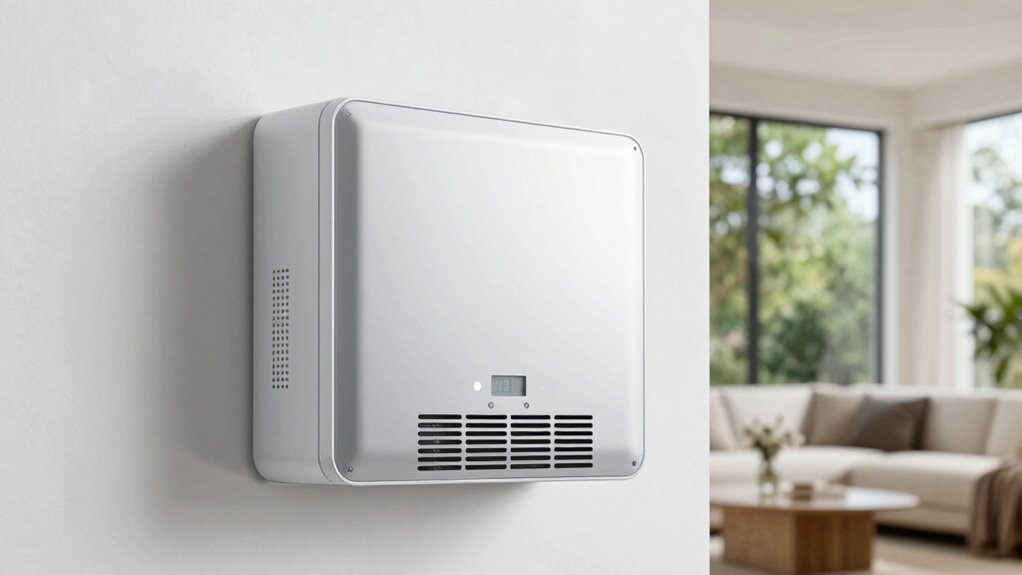
Energy recovery ventilators (ERVs) for home are essential for maintaining fresh indoor air while reducing energy costs. The Awoco 6” Vent ERV stands out as the best overall choice for balancing performance and affordability. For those seeking smart features, the Panasonic Intelli-Balance Elite offers advanced controls and superior filtration. A key tradeoff in this category is balancing upfront costs against long-term savings and ease of installation. Continue reading for a comprehensive breakdown of the best options in 2026.

Get garden gear delivered free with Prime
- Fast, free delivery on millions of items
- Prime Video, Amazon Music and more included
- Member-only deals all year
Complete the kit


Key Takeaways
- Top models combine high CFM ratings with energy-saving features, making them suitable for larger homes or energy-conscious users.
- Smart-enabled ERVs, like the Panasonic, add convenience but often come with a higher price point and complexity.
- Filtration quality varies widely; MERV 13 filters are preferable for allergy sufferers, but they may require more maintenance.
- Installation complexity ranges from plug-and-play wall units to more involved whole-house systems, influencing buyer choice.
- Price correlates with features and capacity; investing in a slightly higher-priced model can lead to better long-term performance and durability.


| energy recovery ventilator erv for home | Power Consumption | CFM |
|---|---|---|
| Awoco 6” Vent Energy Recovery | — | — |
| Panasonic Intelli-Balance Elit | — | 110 |
| VENTS-US BRIG ERV 200 Energy R | — | — |
| Broan B130E65RS AI 119 CFM Wal | — | 119 |
| VENTS-US TwinFresh Comfo RB1-5 | 4.5 watts | 30 |
| Broan B210E75RS AI 206 CFM Wal | Not specified | 206 |
| Awoco 6” Vent Energy Recovery | 60 watts | — |
| Wi-Fi-Enabled Pioneer 50 Singl | 8W | — |
| Broan B160E75RS AI 133 CFM Wal | Not specified | 133 |
| Pioneer ECOasis 150 Ductless W | 35W | — |
| NET.Pro Energy Recovery Ventil | — | 255 |
| VENTS-US Frigate ERV 120s Ener | 19 Watts at LOW speed | — |
| Aprilaire V22BEC Energy Recove | Not specified | 120 |
More Details on Our Top Picks
Awoco 6” Vent Energy Recovery Ventilator (ERV) System Various Speeds 100 CFM with Filter, Energy Saving HVI Certified
This model stands out for its straightforward approach to improving indoor air quality while maintaining heat and humidity control. Compared with the VENTS-US BRIG ERV 200, the Awoco offers a simpler, more compact design suitable for typical residential ductwork, but it trades off quieter operation and a longer warranty. Its adjustable speeds and washable filters make daily maintenance manageable, and the built-in humidity sensor adds a layer of comfort control. However, its noise level of 50dB may be noticeable in quiet spaces, and installation requires 6-inch insulated ducts, which could complicate setup for some homes.
Pros:- Effective indoor air quality improvement
- Adjustable airflow speeds for customization
- Includes washable filters for easy maintenance
- Built-in humidity sensor enhances comfort
Cons:- Requires 6-inch insulated ducts for installation
- Relatively noisy at 50dB
- Limited to a 1-year warranty
Best for: Homeowners seeking a reliable, easy-to-maintain ERV with adjustable airflow and humidity control
Not ideal for: Large households or spaces needing high airflow or ultra-quiet operation, due to noise and limited capacity
- Airflow:100 CFM
- Duct Size:6 inches
- Power:60 watts
- Noise Level:50dB
- Dimensions:23”W x 28-1/2”D x 9”H
- Weight:41 lbs
Our verdict“This pick is well-suited for homeowners wanting a straightforward, balanced ERV solution with adjustable features.”
Panasonic Intelli-Balance Elite Energy Recovery Ventilator (ERV), 110 CFM, SmartFlow ECM Motor, MERV 13 Filtration
The Panasonic Intelli-Balance Elite excels in offering high-efficiency filtration with its MERV 13 filters, making it ideal for those prioritizing cleaner indoor air. Unlike the Awoco, it features a SmartFlow ECM motor for adjustable, energy-efficient operation and flexible mounting options, including ceiling, wall, or floor placement. This flexibility and advanced controls—like Wi-Fi compatibility—make it suitable for modern smart homes, but the setup can be complex and may require additional components for full Wi-Fi functionality. Compared to the VENTS-US BRIG ERV 200, it offers better filtration but at a higher price point and slightly more challenging installation.
Pros:- Adjustable airflow for personalized ventilation
- High-efficiency MERV 13 filters for cleaner air
- Flexible installation options for various spaces
- Smart controls compatible with Wi-Fi
Cons:- Requires additional components for Wi-Fi control
- Installation may be complex for non-technical users
Best for: Tech-savvy homeowners who want efficient ventilation combined with high-grade air filtration
Not ideal for: Users seeking a simple, plug-and-play solution or with limited space for complex installation
- CFM:110
- Motor:SmartFlow ECM
- Filtration:MERV 13
- Installation:Ceiling, wall, or floor mountable
- Controls:Wi-Fi compatible, touch screen
- Power:Not specified
Our verdict“Best suited for homeowners prioritizing filtration and smart control features over simplicity.”
VENTS-US BRIG ERV 200 Energy Recovery Ventilator – Whole House Ventilation Fan with Electronic Defrost Protection, 3-Speed Control, Dual MERV 6 Filtration – Up to 213 CFM
The VENTS-US BRIG ERV 200 offers substantial airflow capacity, up to 213 CFM, making it a good choice for whole-house ventilation, especially in colder climates thanks to its electronic defrost protection. Unlike the smaller Awoco or Panasonic models, it is designed to handle larger spaces with more powerful operation. Its polymer energy recovery core and washable MERV 6 filters support efficient heat exchange and easy upkeep. Nonetheless, professional installation may be necessary, and its complexity could be overkill for small or single-room setups. It also lacks remote control, which might limit convenience for some users.
Pros:- High airflow capacity up to 213 CFM
- Electronic defrost protection for cold climates
- Efficient heat recovery with polymer core
- Includes washable filters for maintenance
Cons:- Installation can be complex and may require professionals
- No remote control included
- Bulkier size may not suit smaller spaces
Best for: Homeowners seeking a robust, whole-house ERV capable of cold weather operation and high airflow
Not ideal for: Owners with small spaces or those preferring simple, plug-and-play units without professional installation
- Airflow:Up to 213 CFM
- Static Pressure:0.1 in. w.g.
- Duct Connection:6-inch
- Control:3-Speed Side Panel
- Filters:Washable MERV 6
- Energy Recovery Core:Polymer enthalpic
Our verdict“Ideal for larger homes in cold climates needing dependable, high-capacity ventilation.”
Broan B130E65RS AI 119 CFM Wall or Ceiling Mounted Energy Recovery Ventilator with MERV 8 Filters and Side Ports
The Broan B130E65RS offers a compact solution for improving indoor air quality, with 119 CFM airflow suitable for smaller or specific areas. Compared to larger models like the VENTS-US BRIG ERV 200, it is easier to install in tight spaces and provides good ventilation with its MERV 8 filters. Its versatile mounting options add to its appeal, but limited details on its features and a lack of advanced controls may make it less appealing for users seeking high customization or integration. It’s a solid choice for targeted ventilation rather than whole-house solutions.
Pros:- Compact, versatile mounting options
- Includes MERV 8 filters for better air quality
- Effective energy recovery in small spaces
Cons:- Limited product details and features
- No advanced control options or smart features
Best for: Homeowners needing a space-efficient ERV for specific rooms or zones
Not ideal for: Large households or whole-home ventilation needs, due to its limited airflow capacity
- CFM:119
- Mounting:Wall or Ceiling
- Filters:MERV 8
- Ports:Side Ports
Our verdict“Best suited for homeowners seeking a flexible, small-scale ventilation unit for specific rooms.”
VENTS-US TwinFresh Comfo RB1-50-2 Ductless Through-the-Wall Energy Recovery Ventilation Fan with Remote Control
This unit is tailored for single rooms up to 500 sq ft, offering a ductless, through-the-wall design that simplifies installation. Its heat recovery efficiency of up to 88% makes it a cost-effective choice for maintaining fresh air without extensive ductwork, contrasting with models like the Awoco or Panasonic that require duct systems. The remote control adds convenience, and its quiet operation at as low as 0.2 sones makes it suitable for bedrooms or offices. However, its limited coverage and reliance on wall installation mean it’s not suitable for larger or multiple rooms, and it does not provide whole-house ventilation capabilities.
Pros:- Energy-efficient heat recovery up to 88%
- Quiet operation at 0.2 sones
- Easy, ductless installation
- Includes remote control and humidity sensor
Cons:- Limited to single rooms up to 500 sq ft
- Requires specific wall thickness (6-20 inches)
- No capacity for multi-room or whole-home ventilation
Best for: Individuals needing a quiet, energy-efficient ERV for single-room use, such as bedrooms or small offices
Not ideal for: Larger homes or multi-room ventilation, due to its restricted coverage and ductless design
- CFM:30
- Coverage Area:500 sq ft
- Power Consumption:4.5 watts
- Sound Level:0.2-0.5 sones
- Temperature Range:down to -4°F
- Operation:Continuous, frost- and condensate-free
Our verdict“Perfect for small spaces where quiet, continuous ventilation with minimal installation effort is desired.”
Broan B210E75RS AI 206 CFM Wall or Ceiling Mounted Energy Recovery Ventilator
This model stands out for its adaptable installation options, capable of being mounted on walls or ceilings, which provides flexibility in various home layouts. Its high-performance ERV core ensures reliable, efficient air exchange, making it suitable for improving indoor air quality across different room types. Compared with the Broan B160E75RS AI, which offers slightly lower airflow, this unit delivers greater volume, but at the cost of potentially higher energy use. The main tradeoff is the limited detailed specs available, which may leave some buyers unsure about precise performance metrics. If you need a dependable, versatile ERV that can fit into multiple spaces, this makes a strong choice. However, the lack of extensive specifications might be a concern for those who prioritize detailed performance data.
Pros:- Flexible wall or ceiling mounting options
- High-performance ERV core for reliable air exchange
- Suitable for various home layouts
Cons:- Limited detailed specifications available
- No clear information on noise levels or energy consumption
Best for: Homeowners seeking a flexible, high-capacity ERV suitable for various spaces and installation types
Not ideal for: Buyers who prefer detailed technical specs upfront or require a more budget-friendly option
- CFM:206
- Mounting options:Wall or Ceiling
- Core type:High-performance ERV
- Power consumption:Not specified
- Dimensions:Not specified
- Weight:Not specified
Our verdict“This ERV is best for homeowners who need adaptable installation with reliable ventilation performance.”
Awoco 6” Vent Energy Recovery Ventilator (ERV) System with Control Panel, 100 CFM, Filter Included
This ERV makes the most sense for those who want effective, adjustable ventilation in smaller spaces, thanks to its 100 CFM airflow and included features. Its adjustable speeds, washable filters, and built-in humidity sensor offer convenience and tailored comfort, especially compared to higher-capacity units like the VENTS-US BRIG ERV 200. However, the 100 CFM airflow limits its suitability for larger rooms or whole-house ventilation. The noise level of 50dB could be noticeable in quiet environments, and the one-year warranty might not satisfy those seeking long-term peace of mind. This pick is ideal for residential spaces needing balanced ventilation without complexity, but it isn’t designed for big or heavily occupied areas.
Pros:- Adjustable airflow speeds for tailored comfort
- Includes washable filters and control panel
- Compact size suitable for residential installation
Cons:- Limited to 100 CFM airflow
- Noise level may be noticeable in quiet spaces
- Limited warranty period of 1 year
Best for: Residents wanting a compact, easy-to-maintain ERV for small to medium rooms
Not ideal for: Buyers needing high airflow capacity or whole-house ventilation solutions
- Airflow:100 CFM
- Duct size:6 inches
- Power consumption:60 watts
- Noise level:50dB
- Dimensions:23”W x 28-1/2”D x 9”H
- Weight:41 lbs
Our verdict“This ERV offers great value for small spaces requiring adjustable, user-friendly ventilation.”
Wi-Fi-Enabled Pioneer 50 Single-Room Wall-Mounted Energy Recovery Ventilator
This unit shines for its high 97% heat recovery efficiency and Wi-Fi control, making it ideal for tech-savvy users who want to monitor and adjust ventilation remotely. Its quiet operation, with noise levels around 32.7 dB, surpasses many competitors like the Broan B160E75RS, which offers higher airflow but less advanced control features. The limited airflow capacity of 35 CFM makes it suitable for bedrooms or small living areas, but less so for larger rooms or whole-house needs. The main tradeoff is the higher cost due to its smart features and efficiency, which might be overkill for budget-conscious buyers. Overall, this makes the most sense for individuals prioritizing energy efficiency and remote control in a single space.
Pros:- High 97% heat recovery efficiency
- Wi-Fi control for remote operation
- Quiet operation at 32.7 dB
Cons:- Limited airflow (35 CFM), not suitable for large spaces
- Higher cost for advanced features
- Requires professional installation
Best for: Homeowners wanting a quiet, energy-efficient ERV with smart Wi-Fi features for small rooms
Not ideal for: Large households or spaces requiring higher airflow capacity or whole-house ventilation
- Heat recovery efficiency:97%
- Airflow:up to 35 CFM
- Power consumption:8W
- Noise level:32.7 dB
- Dimensions:9-3/8″ x 19-5/8″ x 10-1/8″
- Weight:11 lbs
Our verdict“This ERV is perfect for small rooms where energy efficiency and remote control are priorities.”
Broan B160E75RS AI 133 CFM Wall or Ceiling Mounted Energy Recovery Ventilator with Side Ports and LCD Screen
This model is well-suited for those looking for a balance between ease of use and effective ventilation, offering 133 CFM of airflow with side ports and an LCD screen for straightforward control. Its user-friendly interface makes monitoring and adjusting ventilation simple, especially compared to the more basic Awoco 6” Vent ERV. While detailed specs are scarce, its design caters to those who want a reliable, accessible ERV for multiple rooms. The absence of detailed technical data and limited customer feedback could be drawbacks for meticulous buyers. Overall, it’s a solid choice for homeowners seeking an easy-to-operate, whole-house ventilation solution, provided they can find more information on its performance.
Pros:- Easy installation on walls or ceilings
- LCD screen for simple control and monitoring
- Provides efficient energy recovery
Cons:- Limited product details and specifications
- No customer ratings available
- Potentially higher cost without detailed performance data
Best for: Homeowners who want an easy-to-control, effective whole-house ERV with user-friendly features
Not ideal for: Buyers seeking detailed technical specs or who prefer budget-friendly, basic solutions
- CFM:133
- Mounting:Wall or Ceiling
- Features:Side Ports, LCD Screen
- Power consumption:Not specified
- Dimensions:Not specified
- Weight:Not specified
Our verdict“This is an excellent choice for those prioritizing usability and straightforward control in a whole-house ERV.”
Pioneer ECOasis 150 Ductless Wall-Mounted Single-Room Wi-Fi Energy Recovery Ventilator
This unit excels for its combination of high-efficiency heat recovery (82%) and advanced air purification, including HEPA and activated charcoal filters. Its smart Wi-Fi control and real-time air quality monitoring make it ideal for bedrooms or living rooms where quiet operation and air quality are priorities. Compared to larger, whole-house units like the VENTS-US BRIG ERV 200, the Pioneer ECOasis is tailored for smaller spaces, with a noise level as low as 23 dB. The main tradeoff is its limited coverage, restricted to around 500 sq. ft., and a potentially higher price point due to its advanced features. This pick makes the most sense for individuals seeking a quiet, energy-efficient, and smart-controlled ERV for a single room.
Pros:- High 82% energy recovery efficiency
- Smart Wi-Fi control for remote operation
- Very quiet operation at 23-37.9 dB
Cons:- Limited to single-room coverage
- Requires wall-mount installation
- Higher cost due to advanced features
Best for: Homeowners wanting a smart, quiet, and efficient ERV for single-room use
Not ideal for: Large households or spaces requiring whole-house ventilation or high airflow capacity
- Coverage area:500 sq. ft.
- Power consumption:35W
- Noise level:23-37.9 dB
- Filtration system:HEPA H10, activated charcoal
- Energy recovery efficiency:82%
- Control:Wi-Fi, app, remote
Our verdict“This ERV is ideal for those seeking a quiet, smart, and efficient solution for single-room ventilation.”
NET.Pro Energy Recovery Ventilators (ERV) and Household Ventilation Fan, 255 CFM, Quiet, Easy to Install
The NET.Pro ERV stands out for its balanced approach to indoor air quality and energy efficiency. Compared to the Aprilaire V22BEC, it offers a higher airflow capacity of 255 CFM, making it suitable for larger or more air-demanding homes. Its quiet operation and durable components make it a reliable choice, though the installation process might challenge some DIYers due to its technical nature. Its heat exchange system is notably energy-efficient, providing tangible savings over less capable ventilators. However, its limited airflow capacity means it’s less ideal for very small spaces or retrofit projects with space constraints. This pick makes the most sense for homeowners seeking a robust, quiet, and easy-to-maintain solution for whole-house ventilation.
Pros:- Provides balanced ventilation and improves indoor air quality
- Energy-efficient heat exchange system
- Quiet operation with low noise levels
- Durable with high-quality components
Cons:- Installation may require some technical knowledge
- Limited to specific airflow capacity (255 CFM)
Best for: Homeowners with medium to large homes who prioritize quiet, energy-efficient ventilation with straightforward operation
Not ideal for: Small apartment dwellers or those with limited technical skills for installation
- CFM:255
- Sound level:0.75 sones
- Type:Energy Recovery Ventilator (ERV)
- Installation:Easy
- Code Compliance:Yes
Our verdict“This ERV is ideal for larger homes needing quiet, energy-efficient ventilation with a straightforward design.”
VENTS-US Frigate ERV 120s Energy Recovery Ventilator – Whole House Ventilation Fan with Freeze Protection and Dual Air Filtration
The VENTS-US Frigate ERV 120s excels in cold climates, offering reliable freeze protection and efficient heat transfer via its enthalpy core. Compared to the Aprilaire V22BEC, which is suitable for larger areas, the 120s model is more compact with an airflow of 162 CFM, fitting well into smaller or retrofit spaces. Its low power consumption at 19 Watts and adjustable speeds make it energy-conscious, though it requires regular filter maintenance and standard 5-inch ducting, which may pose installation challenges for some. Its durability and corrosion-resistant steel casing provide long-term reliability. This unit is best for homeowners in colder regions who want continuous ventilation without high energy costs, but it may not meet the demands of very large or high-traffic homes.
Pros:- Provides continuous fresh air exchange to improve indoor air quality
- Effective in cold climates with freeze protection system
- Low power consumption with adjustable speeds
- Durable corrosion-resistant steel casing
Cons:- Requires standard 5-inch duct connections, possibly needing adaptation
- Filters require regular cleaning for optimal performance
Best for: Homeowners in cold climates seeking reliable, continuous fresh air exchange and frost protection
Not ideal for: Homes with irregular duct sizes or those seeking very high airflow capacities
- Airflow:162 CFM
- Power Consumption:19 Watts at LOW speed
- Filtration:MERV 6 filters
- Core:Enthalpy core
- Mounting:Ceiling mount with brackets
- Duct Size:5-inch diameter
Our verdict“This ERV is well-suited for cold climates needing reliable, continuous ventilation with efficient energy use.”
Aprilaire V22BEC Energy Recovery Ventilator (ERV), 120 CFM for Homes up to 6,000 Sq. Ft.
The Aprilaire V22BEC is designed for larger spaces, capable of ventilating homes up to 6,000 square feet. It emphasizes reducing HVAC loads through energy-efficient air exchange, making it a strong choice for homeowners wanting to balance comfort and utility costs. Compared to the NET.Pro ERV, which has a higher capacity, the V22BEC offers a more manageable airflow rate of 120 CFM better suited for moderate-sized homes or specific zones. Its installation flexibility, with wall, ceiling, or floor mounting options, adds convenience, though the lack of detailed noise level data might concern sensitive users. This model is ideal for those wanting a scalable, energy-conscious solution for maintaining indoor air quality across large areas, but it may require professional installation skills.
Pros:- Improves indoor air quality by exchanging stale air with fresh outdoor air
- Energy-efficient design reduces heating and cooling expenses
- Suitable for various climates with balanced humidity control
- Flexible installation options
Cons:- Installation may require professional expertise
- Limited information on noise levels during operation
Best for: Large home owners needing scalable ventilation that reduces energy costs and maintains comfort
Not ideal for: Small apartments or homes requiring high airflow for multiple zones
- CFM:120
- Suitable Area:up to 6,000 sq. ft.
- Power Consumption:Not specified
- Filters:MERV 6
- Core:Enthalpy
- Mounting:Wall, ceiling, or floor
Our verdict“This ERV is best for large homes where energy savings and scalable ventilation are priorities, with professional installation recommended.”

How We Picked
To determine the best energy recovery ventilators for home, I evaluated each product based on performance metrics such as CFM output and energy efficiency. Ease of installation and operation, including filter maintenance and control options, played a significant role. Build quality and durability were assessed through available specifications and user feedback. Price was also considered to identify models that offer strong value without sacrificing essential features. The ranking reflects a balance of these factors, prioritizing models that provide reliable ventilation while being accessible for different budgets and home sizes.Factors to Consider When Choosing Energy Recovery Ventilator Erv For Home
Choosing the right ERV for your home involves understanding key factors that influence performance, cost, and usability. Beyond initial price, consider how much ventilation capacity your space needs, how easy the unit is to install and maintain, and whether advanced controls or filtration features align with your lifestyle. Avoid models that are overly complex for your technical comfort or underpowered for your home’s size, as these can lead to frustration or inefficiency. A thoughtful selection will improve indoor air quality and energy savings over time.Ventilation Capacity and Home Size
Select an ERV with the appropriate CFM (cubic feet per minute) rating for your space. Larger homes or spaces with multiple occupants typically require higher CFM units to keep air fresh, while smaller homes can get by with lower capacity models. Oversizing can waste energy and cause unnecessary noise, so match the unit to your home’s square footage for optimal efficiency.
Ease of Installation and Maintenance
Some ERVs are designed for straightforward wall mounting, ideal for DIY installation, while others require professional setup. Consider units with accessible filters and clear maintenance procedures to avoid ongoing hassle. Units with longer filter life or self-cleaning features can save time and reduce upkeep costs, especially in homes with high dust or allergen levels.
Smart Features and Controls
Smart-enabled ERVs, like Wi-Fi models, offer remote operation and more precise control over ventilation settings. These features can enhance convenience and allow for integration with home automation systems. However, they tend to come at a higher price and may require more technical know-how, so evaluate whether these features justify the extra investment for your needs.
Filtration Quality and Air Quality
High-quality filters, such as MERV 13, provide better allergen and pollutant removal but may increase pressure drop and energy use. Balance filtration needs with your home’s ventilation requirements. Regular filter replacement is essential for maintaining performance, so consider units with straightforward filter access and availability of replacement filters in your area.
Cost and Long-Term Value
While premium models offer advanced features and higher capacity, they often come with a higher initial price. Cheaper units may lack durability or necessary filtering, leading to higher maintenance costs over time. A well-chosen ERV balances upfront investment with energy savings, durability, and ease of use, ultimately delivering better long-term value.
Frequently Asked Questions
How do I determine the right size of ERV for my home?
Assess your home’s square footage and occupancy levels to estimate the necessary CFM (cubic feet per minute). Larger or multi-occupant homes generally need higher CFM ratings to maintain good air quality. Consulting with an HVAC professional can help ensure you select a unit that balances ventilation needs with energy efficiency, preventing over- or under-ventilation that could impact comfort or costs.
Are smart ERVs worth the extra cost?
Smart ERVs provide remote control, scheduling, and integration with other smart home devices, which can enhance convenience and energy management. If you prioritize automation or want more precise control over indoor air quality, these features can justify the higher price. However, if you prefer simplicity or have a limited budget, a basic model may meet your needs without the added complexity.
How often do filters need to be replaced in an ERV?
Most filters should be replaced every 6 to 12 months, depending on usage, indoor air quality, and filter type. Regular maintenance is vital for keeping the ERV functioning efficiently and maintaining good indoor air quality. Some units offer longer-lasting filters or easy access, which can reduce ongoing maintenance costs and effort.
Can I install an ERV myself?
Installation difficulty varies by model; many wall-mounted units are designed for DIY installation with clear instructions, while whole-house systems may require professional setup. Carefully review the manufacturer’s guidelines and consider your technical skills before attempting installation. Professional installation can ensure correct placement and wiring, especially for complex or integrated systems, but may add to initial costs.
Do ERVs significantly reduce energy bills?
Yes, ERVs can lower energy costs by recovering heat or coolness from exhausted air and transferring it to incoming fresh air. Properly sized and efficient models reduce the workload on your HVAC system, leading to savings over time. The actual impact depends on your home’s climate, insulation, and how often the ERV operates, but generally, they contribute to noticeable energy efficiency improvements.
Conclusion
For most homeowners, the Awoco 6” Vent ERV offers a reliable balance of performance and affordability, making it the best overall choice. Those with larger homes or specific filtration needs should consider models like the Vents-US BRIG ERV 200 or Aprilaire V22BEC for broader capacity. If you value smart features and advanced control, the Panasonic Intelli-Balance Elite stands out as the premium option. Beginners or DIY enthusiasts will find simpler units like the Broan B130E65RS easier to install and maintain. Ultimately, your choice should align with your home’s size, your budget, and your preferences for features and ease of use.
Halloween Picks
halloween
As an affiliate, we earn on qualifying purchases.