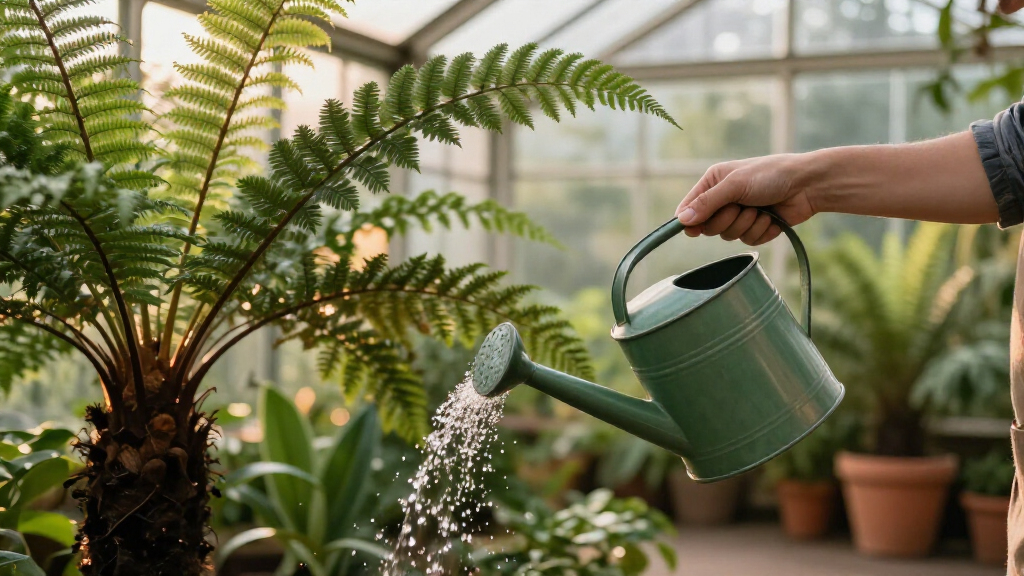
Choosing among the best tree ferns comes down to where the plant will grow and how much room and moisture you can provide. I rank the Silver Lady Tree Fern first for its compact, finely cut fronds and flexibility as a container plant; the Australian Tree Fern is my pick for a taller outdoor focal point; and the Tasmanian Tree Fern is the option for shoppers specifically seeking Dicksonia antarctica. The tradeoff is clear: Silver Lady suits smaller spaces but remains frost-sensitive, Australian Tree Fern offers faster, larger growth but needs sustained moisture and room, and the Tasmanian listing supplies little care or size information. All three favor conditions that may be harder to provide in dry, exposed, or cold locations.

Get garden gear delivered free — and shop member deals
- Fast, free delivery on millions of items
- Access to Prime Big Deal Days deals on October 6–7
- Prime Video, Amazon Music and more included
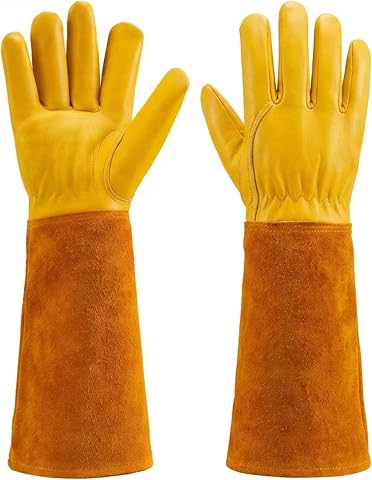
Complete the kit


Key Takeaways
- I rank Silver Lady first for buyers who want bright, finely divided foliage in a large container or protected, shaded garden spot.
- Australian Tree Fern is the strongest choice for a spacious, warm outdoor setting where regular watering and a tall, fast-growing plant are practical.
- Tasmanian Tree Fern is the direct species match for Dicksonia antarctica, but its listing gives fewer useful growing details than the other two.
- Despite inconsistent sun fields in the supplied specs, the descriptions point toward filtered light or dappled shade rather than harsh afternoon exposure.
- Cold protection and steady moisture are shared concerns; I would not choose any of these for a freezing, dry, exposed site without a workable protection plan.
| Silver Lady Tree Fern Live Plant in 6-Inch Grower Pot |  | Best Overall — the most adaptable choice for containers and protected shade | Plant type: Evergreen tree fern | Scientific name: Blechnum gibbum ‘Silver Lady’ | Pot size: 6-inch grower pot | VIEW LATEST PRICE | See Our Full Breakdown |
| Australian Tree Fern (Sphaeropteris cooperi), Live Outdoor Plant |  | Best for a Large Outdoor Focal Point — fast-growing and dramatic, with a substantial footprint | Scientific name: Sphaeropteris cooperi | Intended use: Outdoor plant | Growth rate: Fast, according to the listing | VIEW LATEST PRICE | See Our Full Breakdown |
| Tasmanian Tree Fern (Dicksonia antarctica), Live Plant |  | Best for Species-Specific Shoppers — a direct Dicksonia antarctica option with sparse care details | Plant: Tasmanian Tree Fern | Scientific name: Dicksonia antarctica | Quantity: One live plant | VIEW LATEST PRICE | See Our Full Breakdown |
| tree fern | Scientific name | Pot size | Foliage color | Light guidance |
|---|---|---|---|---|
| Silver Lady Tree Fern Live Pla | Blechnum gibbum ‘Silver Lady’ | 6-inch grower pot | Green with silver noted in the listing | Description recommends dappled shade and avoiding harsh afternoon sun |
| Australian Tree Fern | Sphaeropteris cooperi | — | — | Description recommends filtered light; full sun is also listed |
| Tasmanian Tree Fern | Dicksonia antarctica | Not provided | Green | — |
More Details on Our Top Picks
Silver Lady Tree Fern Live Plant in 6-Inch Grower Pot
The Silver Lady takes my top spot because it offers the clearest fit for a range of fern-friendly settings: the supplied description names indoor growing, large containers, and shaded gardens. Its finely cut, bright green fronds give it a more delicate look than the tall, sweeping Australian Tree Fern, while the six-inch grower pot gives buyers a defined starting format. I see it as the most practical option for someone who wants a tropical accent without immediately committing to a large outdoor specimen.
That flexibility has limits. The plant needs warm, humid conditions and evenly moist soil, so an arid room or a garden that dries quickly may be a poor match. The product specification lists full sun, but its care description says dappled shade and warns against harsh afternoon sun. I would follow the more specific shade guidance, since intense exposure is directly identified as a foliage risk. Compared with the Australian Tree Fern, Silver Lady is the better candidate for container culture; compared with the Tasmanian listing, it comes with much more usable care information.
The listing calls this an evergreen tree fern and identifies it as Blechnum gibbum ‘Silver Lady’. It does not provide a mature height, so I would not assume that the six-inch pot represents the plant’s eventual space needs. Its frost sensitivity also means outdoor use is best limited to a suitable warm climate or a container that can be moved to shelter. I recommend this one for buyers willing to manage moisture and humidity in exchange for a compact-looking tropical display, not for anyone seeking a carefree, cold-tolerant fern.
Pros:- Finely cut, bright green fronds create a distinctive tropical look.
- The listing supports container growing as well as protected indoor or shaded garden use.
- A six-inch grower pot gives buyers a clear starting container size.
- More care and placement guidance is supplied than for the Tasmanian Tree Fern.
Cons:- Frost-tender and needs protection from cold.
- Warm, humid conditions and consistently moist soil may be difficult to maintain.
- Sunlight details conflict: the spec says full sun while the description recommends dappled shade.
Best for: Plant buyers who want finely divided green foliage for a large container, humid indoor setting, or protected shaded garden and can keep the root area consistently moist.
Not ideal for: Anyone needing a frost-hardy, drought-tolerant plant, or a fern for an exposed site with strong afternoon sun.
- Plant type:Evergreen tree fern
- Scientific name:Blechnum gibbum ‘Silver Lady’
- Pot size:6-inch grower pot
- Foliage color:Green with silver noted in the listing
- Suggested setting:Indoor or shaded garden; suitable for large containers
- Light guidance:Description recommends dappled shade and avoiding harsh afternoon sun
- Moisture:Moderate watering; description calls for evenly moist soil
- Cold guidance:Protect from frost
Our verdict“I recommend Silver Lady as the most flexible pick here, provided you can offer humidity, steady moisture, and protection from frost and harsh sun.”
Australian Tree Fern (Sphaeropteris cooperi), Live Outdoor Plant
Best for a Large Outdoor Focal Point — fast-growing and dramatic, with a substantial footprint
View Latest PriceIf your aim is a tall, unmistakably tropical feature in a warm garden, the Australian Tree Fern is the lineup’s most dramatic choice. The listing names Sphaeropteris cooperi, describes flowing fronds, and gives a potential height of 20 feet. Its stated fast growth can help a suitable garden develop a stronger focal point sooner than a slower-growing specimen, though that same pace means this is not a plant to tuck into a tight patio corner and forget about.
Compared with Silver Lady, this pick is oriented toward outdoor scale rather than container flexibility. It is best matched to filtered light, moist well-drained soil, and regular watering, with room for its eventual size. The product details list full sun but also recommend filtered light in the description. I would treat that as a meaningful listing conflict and use filtered light as the safer placement cue, particularly since intense afternoon exposure can stress fern foliage. The Silver Lady listing provides a more compact starting point; the Australian Tree Fern makes more sense when height and a broad tropical effect are the priority.
The plant is described as frost-sensitive and needing protection from cold, so the hardiness of its setting deserves attention before purchase. The listing says the plant arrives USDA inspected and certified, a useful shipping detail, but that status does not indicate how it will perform after planting. Its stated spring planting period and peat-soil specification give some direction, though the description’s moist, well-drained soil guidance is more useful than treating one soil label as a complete recipe. I would skip this plant for a small indoor space or a location that cannot provide regular water and shelter from frost.
Pros:- Named species and stated potential height help clarify its large-scale role.
- Fast growth can build a substantial tropical focal point in a suitable site.
- Description identifies filtered light, moist well-drained soil, and regular watering.
- Listing states that the plant arrives USDA inspected and certified.
Cons:- Potential height of 20 feet rules it out for many small patios and indoor spaces.
- Regular moisture and frost protection add ongoing care demands.
- Sunlight information is inconsistent, with full sun listed alongside filtered-light guidance.
Best for: Buyers with a spacious, warm, sheltered garden or patio who want a fast-growing, tall tree fern and can provide filtered light and regular moisture.
Not ideal for: People with limited space, a cold or exposed garden, or a dry site where frequent watering and frost protection are impractical.
- Scientific name:Sphaeropteris cooperi
- Intended use:Outdoor plant
- Growth rate:Fast, according to the listing
- Expected plant height:20 feet, according to the listing
- Light guidance:Description recommends filtered light; full sun is also listed
- Soil and moisture:Peat soil listed; moist, well-drained soil and regular watering recommended
- Planting period:Spring
- Shipping note:USDA inspected and certified, as stated in the listing
Our verdict“I would choose the Australian Tree Fern over Silver Lady for a roomy, warm outdoor display, but only if its water, light, and cold-protection needs fit the site.”
Tasmanian Tree Fern (Dicksonia antarctica), Live Plant
Best for Species-Specific Shoppers — a direct Dicksonia antarctica option with sparse care details
View Latest PriceThe Tasmanian Tree Fern is the most straightforward choice in this group for buyers who specifically want Dicksonia antarctica. The listing confirms one live plant with green foliage, but it provides far less practical information than the Silver Lady and Australian Tree Fern listings. I can identify the species and basic product format; I cannot compare its mature size, preferred light, watering schedule, or container suitability from the supplied details. That makes it a more research-dependent purchase.
Compared with Silver Lady, this option does not offer a stated pot size or clear indoor and container guidance. Compared with the Australian Tree Fern, it also lacks a growth-rate or mature-height figure, so it is harder to judge how much space to set aside. The listing includes USDA Hardiness Zone 3, but gives no explanation of the conditions behind that claim. I would not read the zone field as a guarantee of survival in every zone 3 garden; winter exposure, local climate, and protection can all affect results. Buyers should seek clarification on growing requirements before choosing it for a cold site.
This is a reasonable shortlist pick when the species name itself matters and the buyer is comfortable researching the care needs from reliable plant-growing sources. It is not my first recommendation for someone new to tree ferns who needs clear instructions in the product listing. The Silver Lady is easier to match to a place because its description spells out humidity, moisture, and shade needs, while the Australian listing offers a more defined large-garden role. I would choose the Tasmanian only after confirming its size and site requirements for my climate.
Pros:- The listing names the specific species, Dicksonia antarctica.
- Supplied as one live plant with green foliage.
- A USDA hardiness-zone claim is included, giving buyers a point to investigate further.
Cons:- No pot size, mature height, growth rate, or planting period is supplied.
- Light, soil, and watering requirements are not described.
- The zone 3 claim is not explained and should not be treated as a climate guarantee.
Best for: Experienced plant buyers who specifically want Dicksonia antarctica and are prepared to confirm its care, size, and climate needs before planting.
Not ideal for: New tree-fern buyers who need clear placement and watering instructions, or shoppers who require a verified mature size and detailed hardiness guidance.
- Plant:Tasmanian Tree Fern
- Scientific name:Dicksonia antarctica
- Quantity:One live plant
- Foliage color:Green
- Hardiness information:USDA Hardiness Zone 3 stated in the listing; conditions are not explained
- Pot size:Not provided
- Light and moisture:Not provided
- Mature size:Not provided
Our verdict“I would choose this Tasmanian Tree Fern for its named species only after confirming its growing requirements, since the listing offers much less guidance than the other two.”
How We Picked
I compared these three live plants by the questions that matter most when choosing a tree fern: where it can grow, how much room it may need, what the supplied care notes say about light and water, and how much uncertainty remains in the listing. I gave the Silver Lady the top position because its description supports both container growing and shaded garden use, making it the most adaptable pick in this small lineup. That flexibility does not make it cold-hardy: the supplied notes warn that frost and harsh afternoon sun can damage it.
The Australian Tree Fern earns a different role. Its stated fast growth and potential height of 20 feet make it better suited to a large garden or patio display than a small room. That scale is appealing when the goal is a strong tropical focal point, but it makes site choice and regular watering more demanding. The product details also conflict, listing full sun while recommending filtered light in the description, so I put more weight on the specific care guidance to use filtered light and protect foliage from hot exposure.
I include the Tasmanian Tree Fern because the named species, Dicksonia antarctica, gives buyers a clear identity to shop for. Its listing, however, provides little beyond the plant name, quantity, color, and a hardiness-zone claim. I do not treat that zone field as a guarantee for a particular garden: cold performance depends on local conditions and protection, and the listing does not explain its claim. I ranked it behind the other two because buyers get less guidance for matching it to a site.
These are live plants, not interchangeable décor. A species name, stated pot size, growth information, and actionable care notes all help a buyer make a more grounded choice. Where the supplied specifications appear inconsistent or incomplete, I call that out rather than filling gaps with assumptions. My ranking reflects usefulness for choosing, not a promise that any plant will thrive in every climate or indoor environment.
| tree fern | Scientific name | Foliage color | Light guidance |
|---|---|---|---|
| Silver Lady Tree Fern Live Pla | Blechnum gibbum ‘Silver Lady’ | Green with silver noted in the listing | Description recommends dappled shade and avoiding harsh afternoon sun |
| Australian Tree Fern | Sphaeropteris cooperi | — | Description recommends filtered light; full sun is also listed |
| Tasmanian Tree Fern | Dicksonia antarctica | Green | — |
Factors to Consider When Choosing Best Tree Ferns
Tree ferns can create a strong tropical effect, but the right choice depends less on the label and more on site, scale, and care capacity. I would compare the growing spot with the available plant details before deciding: a shaded humid corner favors a different option from a large outdoor garden, and a product listing with missing care information calls for extra research.
Match the plant to the available space
Start with the room the fern can occupy when it is established, not just the size of its shipping pot. Silver Lady arrives in a six-inch grower pot and is described as suitable for large containers, giving it the clearest route into a compact patio or protected indoor display. Still, the listing does not give a mature height, so the pot size should not be treated as a promise that the plant will stay small.
The Australian Tree Fern is the clear choice for a larger setting, with a stated potential height of 20 feet and a fast growth rate. That can produce a bold garden focal point, but it also makes cramped spaces a poor match. The Tasmanian listing names its species but does not provide a mature size. I would check expected dimensions for the specific plant before buying rather than assume it will fit because no height is shown.
Read sunlight fields alongside the care description
Two listings contain mixed sun guidance. Silver Lady’s specification says full sun, while its description calls for dappled shade and warns that harsh afternoon sun can damage foliage. The Australian listing also says full sun in its specs but recommends filtered light in its description. For both, I would give more weight to the detailed care text and plan for filtered or dappled light, not an exposed afternoon-sun position.
Before ordering, compare the planting spot with that guidance through the day. A bright location under tree cover or a protected patio may be a better fit than a hot, open bed. The Tasmanian listing does not provide a light requirement, which makes it harder to place confidently. I would seek additional species-specific care information instead of guessing from the common name alone.
Be realistic about moisture and humidity
Both Silver Lady and Australian Tree Fern are described as needing regular access to moisture. Silver Lady’s notes call for warm, humid conditions and evenly moist soil; the Australian description specifies moist, well-drained soil and regular watering. This means buyers should think about their watering routine and how quickly their soil dries. Consistent moisture is not the same as waterlogged soil: the supplied guidance pairs moisture with drainage for the outdoor Australian plant.
Dry indoor air, windy patios, and fast-drying containers can make care harder. If you cannot monitor moisture or provide a sheltered spot, the more attractive foliage may come with an impractical maintenance burden. The Tasmanian listing says nothing about watering or humidity, so its missing guidance is a reason to research before purchase, not a reason to assume it needs less care.
Treat cold protection as a site-planning question
The Silver Lady description warns that it is frost-tender, and the Australian Tree Fern listing also calls for frost protection. If winter temperatures regularly fall below what a tree fern can tolerate, a sheltered position or movable container may help only if it suits the plant’s eventual size. A large, fast-growing outdoor specimen can be harder to protect than a smaller container plant. Plan for winter before planting, rather than waiting for the first cold spell.
The Tasmanian product includes a USDA Zone 3 claim, but no supporting detail. I would treat that as a listing field to verify with the seller or trusted growing references, not as assurance that the plant will thrive unprotected in every cold climate. Local winter lows, wind, drainage, and the amount of shelter all matter to a real planting decision.
Use listing detail as part of the decision
A clear species name helps identify what is being sold, while practical details such as pot size, mature dimensions, light, and water needs help determine whether it suits a particular buyer. Silver Lady provides a named cultivar and pot size, and the Australian listing provides a species name, growth rate, and stated height. The Tasmanian listing confirms its scientific name but omits many of those decision-making details. More information does not guarantee better growth, but it does make the purchase easier to evaluate.
Before ordering any live plant, check shipping and seasonal availability details on the current product page. For the Australian Tree Fern, the listing states that the plant arrives USDA inspected and certified; that describes its inspection status, not its future performance in your garden. When care or size fields are absent, ask questions or consult reliable horticultural guidance before choosing a permanent planting spot.
Frequently Asked Questions
Which of these tree ferns is the best choice for a container?
I would start with the Silver Lady, since its description explicitly supports large-container growing and its six-inch grower pot offers a defined starting point. The listing does not state a mature height, so I would still check the plant’s eventual space needs and be ready to repot or relocate it. The Australian Tree Fern is described as fast-growing and potentially 20 feet tall, making it a less practical fit for most small containers or compact patios.
Can I grow these tree ferns in full sun?
I would not use the full-sun specification as the only placement guide. Both Silver Lady and Australian Tree Fern have descriptions recommending dappled or filtered light, and Silver Lady’s description specifically warns against harsh afternoon sun. I would choose a sheltered spot with filtered exposure unless more specific, reliable care information for the plant says otherwise. The Tasmanian Tree Fern listing does not provide light guidance, so its needs should be checked separately.
Which option suits a small garden or patio best?
Silver Lady is the most plausible fit for a smaller setting because it is described as suitable for containers and can be grown in a protected spot. That does not mean it is a guaranteed dwarf plant: the listing provides no mature-size figure, and it still needs moisture, humidity, and frost protection. I would avoid the Australian Tree Fern in a tight space because its stated potential height is 20 feet. The Tasmanian listing does not give enough size information to make a confident space match.
Are any of these tree ferns suitable for cold climates?
The supplied descriptions flag frost protection for Silver Lady and Australian Tree Fern, so I would not choose either for an exposed freezing site without a workable shelter plan. The Tasmanian listing states USDA Hardiness Zone 3, but it does not explain that claim or provide care details. I would verify the zone information and local growing guidance before relying on it. Hardiness labels alone cannot describe every garden’s winter exposure, wind, or drainage conditions.
Which tree fern is easiest for a beginner?
Of these three, I would lean toward Silver Lady for a beginner who can meet its care needs, because its listing gives more useful direction on moisture, humidity, light, and container use than the Tasmanian listing. It is not a low-maintenance choice: frost sensitivity and consistently moist soil require attention. The Australian Tree Fern’s potential size and regular watering needs can be more demanding, while the Tasmanian listing leaves too many basic questions unanswered for an easy first purchase.
Conclusion
For the broadest mix of usable guidance and flexible placement, I recommend Silver Lady to buyers who have a humid indoor spot, a large container, or a protected shaded garden and can keep the soil moist. Choose the Australian Tree Fern if you have a warm, spacious outdoor setting and want a taller, fast-growing focal point; skip it if the site is cramped or watering and frost protection will be difficult. The Tasmanian Tree Fern is the species-specific pick for shoppers set on Dicksonia antarctica, but I would verify its size and care requirements before ordering because its listing leaves key growing questions open. My ranking favors the plant that is easiest to match to a real site, not simply the one with the most dramatic potential.
Halloween Picks
halloween
As an affiliate, we earn on qualifying purchases.