For a versatile starting point, I rate Espoma Organic Plant-Tone as the best overall organic fertilizer in this lineup: its all-purpose granular format suits many garden plants and feeds without the frequent dosing of liquids. Dr. Earth Organic Tomato, Vegetable & Herb Fertilizer is a strong fit for edible gardens, while FoxFarm Big Bloom stands out for gardeners who prefer a liquid feed. The main tradeoffs are plant-specific focus versus versatility, granular convenience versus liquid control, and concentrated formulas versus easier dosing. Read on for how all 15 options compare and which type fits your plants and routine.

Get garden gear delivered free — and shop member deals
- Fast, free delivery on millions of items
- Access to Prime Big Deal Days deals on October 6–7
- Prime Video, Amazon Music and more included
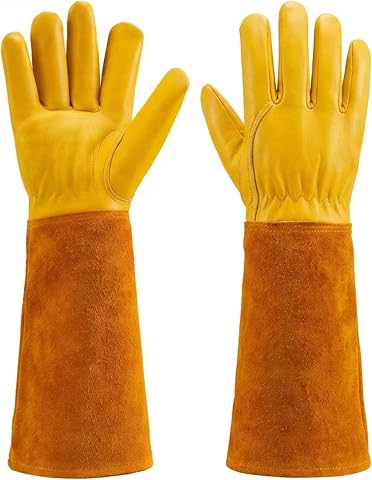
Complete the kit


Key Takeaways
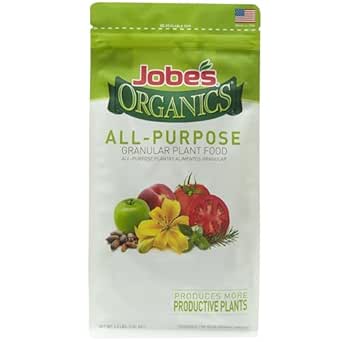
- General garden use favors granular formulas: Espoma Plant-Tone and Jobe’s all-purpose granules cover a wider range of plants than bloom, tomato, or indoor-specific feeds.
- Edible gardens have several targeted choices: Dr. Earth, Down To Earth, and Jobe’s vegetable-focused formula narrow the fit toward vegetables, while blood meal supplies a more specific nitrogen source.
- Liquids suit controlled, repeat applications: FoxFarm Big Bloom, Alaska Fish Fertilizer, and the indoor plant foods can fit watering routines, but require more attention to dilution and frequency.
- Package size changes the value equation: Jobe’s 16-pound all-purpose bag makes more sense for larger planting areas than small container gardens, where a smaller pack can reduce leftover product.
- Organic labels do not make formulas interchangeable: The lineup ranges from targeted fruit-and-bloom boosters to all-purpose foods, so matching the nutrient purpose to the plant matters more than choosing a broad label.




| organic fertilizer | Form | Weight | Brand |
|---|---|---|---|
| FoxFarm Big Bloom Organic Liqu | — | — | FoxFarm |
| Espoma Organic Plant-Tone 5-3- | Granules | 4 pounds per bag | Espoma |
| True Organic Blood Meal Fertil | Granules | 3 lb | True Organic |
| Down To Earth Organic Vegetabl | Granules | 5 lb (80 oz) | Down To Earth |
| Miracle-Gro Organic Indoor Pla | Liquid | — | Miracle-Gro |
| Jobe’s Organics Granular Garde | Granules | 4 pounds | — |
| Organic Plant Magic All-Purpos | Water-soluble powder | 8 ounces | — |
| Dr. Earth Organic Tomato | Granules | 4 pounds | — |
| Farmer’s Secret Fruit & Bloom | Liquid | 1.4 pounds | — |
| Jobe’s Organics Granular All P | Granules | 4 pounds | — |
| Jobe’s Organics All-Purpose Gr | Granules | 16 lb | Jobe’s Organics |
| Espoma Organic Indoor Plant Fo | Liquid | — | Espoma |
| Miracle-Gro Organic All Purpos | Granules | 3 lb | Miracle-Gro |
| Burpee Natural Purpose Granula | Granules | 4 lb | Burpee |
| Alaska Fish Fertilizer for Pla | — | — | — |
More Details on Our Top Picks
FoxFarm Big Bloom Organic Liquid Plant Food, 1 Pint
FoxFarm Big Bloom is the most specialized liquid option here: its low-analysis 0-0.5-0.7 formula, made with earthworm castings and bat guano, is intended to support plants across growth stages, including flowering and fruiting. Dilute it in water and apply with a watering can, sprayer, or drip system, giving gardeners several ways to fit feeding into an existing routine. Compared with Espoma Plant-Tone, which supplies slow-release nutrients across a broad mix of garden plants, Big Bloom is easier to deliver through irrigation but requires measured mixing and more frequent attention. The stated schedule is every other watering, so this is not a low-maintenance, occasional application choice. Its modest NPK numbers also make it a less direct fit for buyers seeking a nitrogen-focused boost for leafy growth.
Pros:- Made with earthworm castings and bat guano
- Can be used for plants through flowering and fruiting
- Works with watering cans, sprayers, and drip irrigation
- OMRI Listed and CDFA Organic Input Material certified
Cons:- Must be diluted before application
- The listed schedule calls for feeding every other watering
- Low NPK values make it less suited to buyers seeking a strong nitrogen source
Best for: Gardeners feeding flowering or fruiting plants who want an organic liquid concentrate compatible with watering cans, sprayers, or drip irrigation
Not ideal for: Gardeners who prefer occasional, no-mix feeding or need a high-nitrogen fertilizer for leafy growth
- Brand:FoxFarm
- Product type:Liquid fertilizer concentrate
- Volume:16 fl oz (1 pint)
- NPK ratio:0-0.5-0.7
- Ingredients:Earthworm castings and bat guano
- Application rate:4 tablespoons (60 mL) per gallon (4 L) of water every other watering
- Certifications:OMRI Listed; CDFA Organic Input Material certified
Our verdict“Choose Big Bloom if you want a mix-and-apply organic liquid for flowering and fruiting plants and do not mind feeding regularly.”
Espoma Organic Plant-Tone 5-3-3 All-Purpose Plant Food, 4 lb (Pack of 2)
Espoma Plant-Tone earns its place as the broad-coverage granular pick: its 5-3-3 analysis and 5% calcium suit flowers, vegetables, trees, and shrubs, while slow-release feeding means fewer applications than the every-other-watering routine listed for FoxFarm Big Bloom. The pack supplies two 4-pound bags, a practical format for gardeners tending several beds or a mix of established plants. Its schedule varies by planting: trees and shrubs are fed in spring and fall, while annuals, perennials, roses, and vegetable beds call for monthly applications. That flexibility is useful, but it means this is not a one-calendar-fits-everything product. Compared with Down To Earth Vegetable Garden Fertilizer, Plant-Tone is more broadly aimed at the whole garden; vegetable-only growers may prefer a fertilizer with a narrower, garden-bed focus.
Pros:- Slow-release granules feed a wide range of garden plants
- 5-3-3 analysis provides a balanced all-purpose nutrient profile
- Contains 5% calcium
- Two 4-pound bags suit gardeners feeding multiple areas
Cons:- Application frequency varies by plant type and still requires regular attention for many garden plants
- Granules need thorough watering after application
- The 4-pound bag size may be inconvenient for very large gardens
Best for: Gardeners maintaining a mix of vegetables, flowers, roses, trees, or shrubs who want slow-release granules in a two-bag pack
Not ideal for: Growers seeking a liquid feed or a single fertilizer specifically tailored to vegetable beds
- Brand:Espoma
- Model number:PT4
- Pack size:2 bags
- Total unit count:128 ounces
- Weight:4 pounds per bag
- Fertilizer analysis:5-3-3
- Calcium content:5%
- Form:Granules
Our verdict“Pick Plant-Tone for broad, slow-release feeding across a mixed garden, but choose a more targeted formula if you only grow vegetables.”
True Organic Blood Meal Fertilizer, 3 lb
When the main need is leafy growth, True Organic Blood Meal is the most focused choice in this group. Its 12-0-0 analysis supplies nitrogen without listed phosphorus or potassium, making it a better match for heavy-feeding crops such as spinach, broccoli, and corn than the balanced formulas in Down To Earth Vegetable Garden Fertilizer or Espoma Plant-Tone. It comes as granules for in-ground or container use, and the 3-pound bag is listed to cover up to 104 square feet. That focused nutrition is also its limitation: it is not an all-purpose substitute for a balanced fertilizer, particularly when plants need nutrients beyond nitrogen. The stated spring-and-fall application schedule is simple, but less adaptable for gardeners who want to make more frequent adjustments during the season.
Pros:- 12-0-0 analysis targets nitrogen-demanding vegetative growth
- Suitable for both in-ground and container plants
- One 3-pound bag covers up to 104 square feet
- Granular form can be applied in spring and fall
Cons:- Supplies nitrogen alone, rather than a balanced range of nutrients
- Recommended application is limited to spring and fall
- Less versatile for gardeners feeding a mixed ornamental and food garden
Best for: Vegetable gardeners growing nitrogen-hungry leafy crops such as spinach, broccoli, or corn in beds or containers
Not ideal for: Gardeners who need a balanced fertilizer for mixed crops, flowering plants, or ongoing in-season feeding adjustments
- Brand:True Organic
- Form:Granules
- NPK ratio:12-0-0
- Weight:3 lb
- Coverage:Up to 104 sq. ft.
- Application:Spring and fall
- Suitable for:In-ground and container plants
- Model number:R0008
Our verdict“Choose Blood Meal for nitrogen-hungry leafy crops, not as the sole fertilizer for a garden that needs balanced feeding.”
Down To Earth Organic Vegetable Garden Fertilizer, 5 lb
Down To Earth Organic Vegetable Garden Fertilizer is the clearest fit for growers who want one slow-release granular formula for vegetables, herbs, and greens. Its 4-4-4 balance avoids the nitrogen-only focus of True Organic Blood Meal, so it makes more sense for mixed vegetable beds where plants need a broader nutrient profile. Granules can be spread directly on soil or worked into the bed, giving gardeners a choice at planting or during garden preparation. Unlike Espoma Plant-Tone, this product is framed around edible garden crops rather than trees, shrubs, and ornamentals, so its narrower purpose is either a benefit or a limitation. The 5-pound weight gives buyers a defined quantity, but the product is not presented as a lawn fertilizer or a general feed for every landscape plant.
Pros:- Balanced 4-4-4 formula suits mixed vegetable plantings
- Slow-release nutrients provide gradual feeding
- Can be applied directly to soil or mixed into garden beds
- Designed for vegetables, herbs, and greens
Cons:- Not positioned as a general-purpose lawn fertilizer
- Its vegetable-garden focus is less versatile than Espoma Plant-Tone for trees and shrubs
- Granules require soil application rather than simple dosing through watering
Best for: Home vegetable growers who want a balanced, slow-release granular fertilizer for beds of vegetables, herbs, and greens
Not ideal for: People looking for one fertilizer for lawns, trees, shrubs, and a mixed ornamental landscape
- Brand:Down To Earth
- Weight:5 lb (80 oz)
- Form:Granules
- NPK ratio:4-4-4
- Suitable for:Vegetables, herbs, and greens
- Application:Apply directly to soil or mix into garden beds
- Model number:100532059
- Manufacturer:Central Garden Distribution
Our verdict“Choose this fertilizer for balanced, gradual feeding in vegetable, herb, and greens beds; look elsewhere for lawn or whole-landscape use.”
Miracle-Gro Organic Indoor Plant Food, 8 fl. oz. (2-Pack)
Miracle-Gro Organic Indoor Plant Food is the convenience-led liquid pick for people feeding houseplants and a few other container-grown plants. Its smart-dose cap lets users apply one or two squeezes based on pot size, avoiding the separate measuring step required by FoxFarm Big Bloom, while the liquid can also be mixed with water during routine watering. The formula is listed as 94% plant-based ingredients and has a 1-0.5-1 NPK ratio; its stated uses extend to flowers, vegetables, and herbs as well as houseplants. That ease comes with a recurring chore: unlike slow-release granules such as Espoma Plant-Tone, this liquid needs consistent reapplication through the growing season. The 8-ounce bottles are also a smaller-format choice, so gardeners feeding many large pots may prefer a bulk granular option.
Pros:- Made with 94% plant-based ingredients
- Smart-dose cap offers a simple one- or two-squeeze application
- Can be added directly or mixed into watering water
- Listed for houseplants, flowers, vegetables, and herbs
Cons:- Requires consistent application through the growing season
- Liquid feeding calls for more frequent reapplication than slow-release granules
- Two 8-ounce bottles may be limiting for gardeners with many large plants
Best for: Indoor gardeners with houseplants or a small selection of container-grown flowers, vegetables, and herbs who value simple dosing
Not ideal for: People feeding many large pots who want long intervals between applications or prefer slow-release granules
- Brand:Miracle-Gro
- Form:Liquid
- Volume:8 fl oz per bottle
- Pack size:2-pack
- NPK ratio:1-0.5-1
- Plant-based ingredients:94%
- Target plants:Houseplants, flowers, vegetables, and herbs
- Manufacturer:The Scotts Company LLC
Our verdict“Choose this for easy, measured feeding of indoor plants, but opt for granules if you want less frequent upkeep across a larger garden.”
Jobe’s Organics Granular Garden Fertilizer, Easy Plant Care Fertilizer for Vegetable Gardens and Tomato Plants, 4 lbs Bag
For gardeners focused on edible crops, Jobe’s Organics Garden Fertilizer offers a targeted 2-5-3 formula in easy-to-spread granules. It is OMRI listed and intended for vegetables and tomatoes, making it a more crop-specific choice than Jobe’s Organics Granular All Purpose Fertilizer, whose 4-4-4 formula suits a broader range of plants. The tradeoff is that this bag is less adaptable if your beds also hold shrubs or flowers, and the 4–6-week feeding schedule calls for repeat applications through the growing season. I’d choose it when vegetables and tomatoes are the priority and you want a defined feeding routine; for mixed plantings, the all-purpose Jobe’s option is the more flexible pick.
Pros:- OMRI listed for certified organic gardening
- 2-5-3 NPK formula is specified for vegetables and tomatoes
- Granular form is straightforward to measure and apply
- Description states it is made without synthetic chemicals and safe around children and pets
Cons:- Requires reapplication every 4–6 weeks during the growing season
- Its vegetable-and-tomato focus is less convenient for mixed ornamental gardens
- The 4-pound bag may not suit gardeners needing a larger supply
Best for: Home gardeners growing mostly tomatoes and vegetables who want an OMRI-listed granular fertilizer and can follow a recurring feeding schedule.
Not ideal for: Gardeners seeking one fertilizer for vegetables, flowers, shrubs, and trees, or anyone who would rather avoid reapplying every 4–6 weeks.
- Form:Granules
- NPK:2-5-3
- Weight:4 pounds
- Unit count:64 ounces
- Target plants:Vegetables and tomatoes
- Listed uses:Plant growth, root development, seed development, and soil conditioning
- Application interval:Every 4–6 weeks
- Organic listing:OMRI listed
Our verdict“Choose this for tomato and vegetable beds where a crop-focused organic granule and repeat feeding schedule fit your routine.”
Organic Plant Magic All-Purpose Organic Fertilizer and Plant Food, 8 oz
Organic Plant Magic stands apart for gardeners feeding a mix of houseplants and outdoor plants without keeping separate formulas for each. Its water-soluble powder is listed for everything from bonsai and herbs to vegetables and flowers, and the 8-ounce bag makes over 32 gallons when mixed as directed. Beneficial microbes, amino acids, humic acids, and trace minerals add breadth beyond a simple single-crop formula such as Jobe’s Organics Garden Fertilizer, which is aimed at tomatoes and vegetables. The convenience comes with a preparation step: you must measure the powder and mix it into water before each application. I’d favor this for varied collections and measured watering routines, but choose granular Jobe’s if you want to skip mixing.
Pros:- Suitable for a broad range of indoor and outdoor plants
- One 8-ounce bag makes over 32 gallons at the stated dilution
- Includes beneficial microbes, amino acids, humic acids, and trace minerals
- Can be applied to soil or plants after mixing
Cons:- Requires mixing with water before application
- Each batch requires measuring one tablespoon per gallon
- Powder format may be less convenient for people seeking a ready-to-spread granular product
Best for: Houseplant owners and gardeners who feed a varied collection of bonsai, herbs, flowers, and vegetables and are comfortable mixing measured doses.
Not ideal for: Buyers who want ready-to-apply granules or who prefer not to measure and mix fertilizer into water.
- Form:Water-soluble powder
- Weight:8 ounces
- Coverage:Over 32 gallons
- Mixing ratio:1 tablespoon per 1 gallon of water
- Application:Mix with water; apply to soil or plants
- Suitable plants:Bonsai, herbs, vegetables, flowers, garden beds, and indoor plants
- Pack count:1
- Listed components:Beneficial microbes, amino acids, humic acids, and trace minerals
Our verdict“Pick this for a diverse plant collection if you value broad use and high diluted yield more than ready-to-apply convenience.”
Dr. Earth Organic Tomato, Vegetable & Herb Fertilizer, 4 lb
Dr. Earth is a strong fit for edible gardens where the goal is to feed tomatoes, vegetables, and herbs with a granular organic formula that lasts several months. It also includes beneficial soil microbes and mycorrhizae, giving it a soil-biology focus not specified for Farmer’s Secret Fruit & Bloom Booster, a liquid concentrate applied every 2–4 weeks. That longer stated feeding duration may mean fewer scheduled applications, though the supplied details do not include a coverage area or application rate, so planning how much to use takes extra guesswork. The formula is deliberately aimed at garden crops rather than all-purpose plant care. I’d shortlist it for gardeners who want a longer-lasting edible-garden feed, but prefer products with clear dosing instructions if precise application guidance matters most.
Pros:- Described as feeding plants for several months
- Contains beneficial soil microbes and mycorrhizae
- Targets tomatoes, vegetables, and herbs
- Described as 100% organic and natural, with no GMOs, chicken manure, or sewage sludge
Cons:- Intended for garden crops rather than general-purpose plant feeding
- Provided product details do not specify application instructions
- Provided product details do not state coverage area
Best for: Vegetable and herb gardeners who want a granular organic fertilizer described as feeding for several months and value added soil microbes.
Not ideal for: Gardeners needing an all-purpose fertilizer or wanting a stated coverage area and application instructions before buying.
- Form:Granules
- Weight:4 pounds
- Unit count:64 ounces
- Target plants:Tomatoes, vegetables, and herbs
- Feeding duration:Several months
- Ingredients description:100% organic and natural
- Listed components:Beneficial soil microbes and mycorrhizae
- Model:704P
Our verdict“Choose Dr. Earth for edible beds when a longer stated feeding duration matters more than having application rates and coverage spelled out.”
Farmer’s Secret Fruit & Bloom Booster Fertilizer, 16 fl oz
Farmer’s Secret is the most season-specific pick here: its concentrated liquid is designed for flowering and fruit production and is recommended for late summer and early fall. The dilution is unusually light—1 teaspoon per 2 gallons of water—and the mix can be poured or sprayed, which suits gardeners already tending plants during regular watering. Unlike Dr. Earth’s Tomato, Vegetable & Herb Fertilizer, which is a granular feed described as lasting several months, this product calls for applications every 2–4 weeks. That gives it a place in a recurring late-season routine, but makes it a weaker choice for year-round, low-maintenance feeding. The description does not provide an NPK analysis, so buyers seeking a stated nutrient ratio should compare labels before choosing.
Pros:- Concentrated dilution uses 1 teaspoon per 2 gallons of water
- Suitable for fruit, vegetable, and flowering plants
- Can be poured or sprayed
- Designed to fit into regular watering
Cons:- Recommended application every 2–4 weeks requires repeat feeding
- Use is specifically framed for late summer and early fall
- No NPK ratio is provided in the product details
Best for: Gardeners with fruiting or flowering plants who want a concentrated liquid for a late-summer and early-fall feeding routine.
Not ideal for: Buyers seeking a year-round general fertilizer, a low-maintenance granular feed, or a product with an NPK ratio stated in the supplied details.
- Form:Liquid
- Volume:16 fluid ounces
- Weight:1.4 pounds
- Mixing ratio:1 teaspoon per 2 gallons of water
- Application method:Pour or spray
- Target plants:Fruit, vegetable, and flowering plants
- Application interval:Every 2–4 weeks
- Recommended season:Late summer and early fall
Our verdict“Choose this for late-season fruit and bloom support if you are comfortable mixing and repeating liquid applications.”
Jobe’s Organics Granular All Purpose Fertilizer, Easy Plant Care Fertilizer for Vegetables, Flowers, Shrubs, Trees, and Plants, 4 lbs Bag
Among the granular options in this group, Jobe’s Organics All Purpose is the broadest match for a mixed garden: its 4-4-4 formula is listed for vegetables, flowers, shrubs, trees, and other plants. That reach makes it more adaptable than the vegetable-focused Jobe’s Organics Garden Fertilizer, whose 2-5-3 formula is aimed at tomatoes and vegetables. The product is also described as fast-acting, with beneficial microorganisms intended to support soil health; granules are said to help limit runoff, mess, and odors. Its main compromise is scale: a 4-pound bag may not stretch far across larger beds, and the supplied details do not give a coverage area or feeding interval. I’d choose it for varied plantings in a modest garden, but seek a larger format for extensive landscaping.
Pros:- 4-4-4 formula is suited to a broad range of plants
- Granular format is described as fast acting
- Promotes soil health through beneficial microorganisms
- Granules are designed to reduce runoff, mess, and odors
Cons:- A 4-pound bag may require multiple bags for larger gardens
- Provided details do not state coverage area
- Provided details do not specify a feeding interval
Best for: Gardeners with a modest, mixed planting of vegetables, flowers, shrubs, and trees who want one granular organic formula.
Not ideal for: People feeding a large garden who need a stated coverage area, or gardeners looking for a crop-specific nutrient blend.
- Form:Granules
- NPK:4-4-4
- Weight:4 pounds
- Unit count:64 ounces
- Target plants:Vegetables, flowers, shrubs, trees, and other plants
- Specific use:Gardening
- Model number:09526
- GTIN:00073035095266
Our verdict“Choose this for a smaller mixed garden where versatility matters more than crop-specific formulation or bulk capacity.”
Jobe’s Organics All-Purpose Granular Fertilizer, 16 lb
For gardeners feeding several kinds of outdoor plants, Jobe’s Organics All-Purpose Granular Fertilizer is the broad-coverage pick in this group. Its balanced 4-4-4 formula suits vegetables, flowers, trees, and shrubs, while the 16-pound bag makes more sense for recurring garden use than Burpee’s 4-pound bag. It is OMRI listed for organic gardening, and its granules are straightforward to measure and spread. The tradeoff is cadence: plan on reapplying every 2–3 weeks during the growing season, unlike Miracle-Gro Organic All Purpose Plant Food, which is described as feeding for up to three months. The formula is also general-purpose rather than tailored to a particular plant or growth goal. Used as directed, it is formulated not to burn plants, but the repeat applications make it less convenient for gardeners seeking a longer feeding interval.
Pros:- Balanced 4-4-4 formula works across a broad range of garden plants.
- OMRI listed for organic gardening.
- Granular form is easy to measure and apply.
- Formulated not to burn when used as directed.
Cons:- Requires repeat applications every 2–3 weeks during the growing season.
- General-purpose formula is less tailored than a fertilizer made for a specific plant group.
Best for: Gardeners with multiple outdoor beds or a mix of vegetables, flowers, trees, and shrubs who want one OMRI-listed granular fertilizer.
Not ideal for: Small-space gardeners or anyone who wants fewer applications, since the 16-pound bag is substantial and the stated schedule calls for reapplication every 2–3 weeks.
- Brand:Jobe’s Organics
- Form:Granules
- Weight:16 lb
- NPK ratio:4-4-4
- Application frequency:Every 2–3 weeks or as needed during the growing season
- Organic listing:OMRI listed for organic gardening
Our verdict“Choose Jobe’s if you need a versatile organic granular fertilizer for a large, varied garden and do not mind frequent reapplication.”
Espoma Organic Indoor Plant Food, 8 fl oz
Indoor growers who want a fertilizer made for watering houseplants can favor Espoma Organic Indoor Plant Food over the outdoor-focused granules elsewhere in this roundup. It is intended for plants such as pothos, fiddle-leaf figs, monstera, snake plants, and palms, and the directions give a clear dilution ratio: ½ capful per quart of water. That makes it a more targeted choice for routine houseplant care than Alaska Fish Fertilizer, whose listed uses span both indoor and outdoor plants. The concentrated liquid takes little storage space, but it does require measuring and mixing before each use. Espoma recommends applying it every 2–4 weeks, so it is not a set-and-forget option. The product data also does not state an organic certification, unlike the OMRI-listed options in this group.
Pros:- Formulated for a range of common indoor plants.
- Clear dilution directions make routine feeding easy to follow.
- Liquid application fits into regular watering.
- Supports new growth and root development.
Cons:- Must be diluted before application.
- Requires repeat feeding every 2–4 weeks.
- Organic certification is not specified in the product data.
Best for: Houseplant owners who want one clearly diluted liquid feed for common foliage plants and are comfortable adding fertilizer to their watering routine.
Not ideal for: Gardeners seeking an OMRI-listed product or a fertilizer for outdoor beds, since the supplied product details focus on indoor plants and do not list an organic certification.
- Brand:Espoma
- Form:Liquid
- Volume:8 fl oz
- Item weight:9.6 oz
- Mixing ratio:½ capful per quart of water (1:128)
- Application method:Apply while watering
- Application frequency:Every 2–4 weeks
- Number of items:1
Our verdict“Pick Espoma for straightforward liquid feeding of indoor foliage plants, but choose an OMRI-listed option if organic listing is a requirement.”
Miracle-Gro Organic All Purpose Plant Food, 3 lb
Among the granular choices here, Miracle-Gro Organic All Purpose Plant Food stands out for its stated feeding period of up to three months. That interval is a clear convenience advantage over Jobe’s Organics All-Purpose Granular Fertilizer, which calls for applications every 2–3 weeks. This OMRI-listed formula suits outdoor vegetables, flowers, and other plants in garden beds or containers, so it can cover more than one outdoor planting setup. The 3-pound bag is also a smaller commitment than Jobe’s 16-pound size. There is a hands-on step, though: the granules must be mixed into soil and watered to begin feeding. Its label specifies outdoor use, making it a poor match for houseplant owners looking for a fertilizer for indoor routines.
Pros:- Feeds for up to three months, reducing application frequency.
- OMRI listed for organic use.
- Suitable for outdoor beds and containers.
- 3-pound package is more manageable than Jobe’s 16-pound bag.
Cons:- Must be mixed into soil before watering it in.
- Intended for outdoor plants rather than indoor houseplants.
Best for: Outdoor gardeners who want an OMRI-listed granular feed for beds and containers with a longer stated interval between applications.
Not ideal for: Indoor plant owners or gardeners who want a surface-applied product, since this formula is intended for outdoor use and must be worked into soil and watered.
- Brand:Miracle-Gro
- Form:Granules
- Weight:3 lb
- Coverage:About 20 sq. ft. per ¾–1 cup, or one 6-inch potted plant per tablespoon
- Feeding duration:Up to 3 months
- Use:Outdoor in-ground and container plants
- Organic listing:OMRI Listed
- Application:Mix into soil and water
Our verdict“Choose this for lower-maintenance organic feeding of outdoor beds and containers, provided you are willing to mix the granules into soil.”
Burpee Natural Purpose Granular 4‑Lb Organic Plant Food – Good for Vegetable Gardens, Flower Gardens & Seed Starting
Burpee Natural Purpose Granular Plant Food pairs broad plant coverage with a three-month feeding duration, making it a practical middle ground between Jobe’s large bag with frequent applications and Miracle-Gro Organic All Purpose Plant Food with its smaller 3-pound package. The formula is described as supplying major nutrients, calcium, minor nutrients, and beneficial microbes; that range suits gardeners feeding vegetables, flowers, herbs, trees, shrubs, and containers rather than one narrow crop. Its OMRI certification is a clear fit for organic gardening. The 4-pound bag is listed to cover 213 square feet, which is more useful for a developed garden than a few small pots. That same quantity may be excessive for a balcony gardener, and the granular-only format does not offer the quick mixing routine of a liquid feed such as Alaska Fish Fertilizer.
Pros:- OMRI certified for organic gardening.
- Suitable for vegetables, flowers, herbs, trees, shrubs, and containers.
- Feeds for up to three months.
- Listed coverage of 213 square feet per 4-pound bag.
Cons:- The 4-pound quantity may be excessive for small gardens.
- Granular-only format does not suit buyers who prefer liquid application.
Best for: Gardeners maintaining several beds or container groups who want an OMRI-certified granular product for varied plants and a longer feeding interval.
Not ideal for: People with only a few small pots or those who prefer a liquid fertilizer, since the 4-pound bag may be more than needed and the product comes only as granules.
- Brand:Burpee
- Model number:99950
- Form:Granules
- Weight:4 lb
- Unit count:64 oz
- Coverage:213 sq. ft.
- Feeding duration:Up to 3 months
- Organic certification:OMRI certified
Our verdict“Burpee is a strong fit for varied, medium-sized gardens that need broad plant coverage and do not need a liquid feeding option.”
Alaska Fish Fertilizer for Plants, OMRI Listed, 5-1-1
For gardeners who prefer a liquid feed and want to use one product across vegetables, fruits, flowers, shrubs, trees, and containers, Alaska Fish Fertilizer is the most broadly targeted liquid option in this set. Its 5-1-1 ratio differs from Jobe’s balanced 4-4-4 granules, so these are not interchangeable choices: Alaska is the pick for a fish-emulsion format, while Jobe’s offers an even NPK profile in a dry form. Alaska is OMRI listed, supports soil microbes, and is formulated not to burn when used as directed. The tradeoff is hands-on preparation: it must be mixed with water and reapplied every three weeks through the growing season. Espoma Organic Indoor Plant Food is more specifically aimed at houseplants, while Alaska has wider stated garden uses.
Pros:- OMRI listed for organic gardening.
- Suitable for vegetables, fruits, flowers, shrubs, trees, and containers.
- Supports soil microbes.
- Formulated not to burn plants when used as directed.
Cons:- Must be mixed with water before use.
- Requires repeat application every three weeks during the growing season.
- Its 5-1-1 ratio is less balanced than Jobe’s 4-4-4 formula.
Best for: Gardeners who want an OMRI-listed liquid fish emulsion for a mix of outdoor crops, ornamentals, and container plants.
Not ideal for: Buyers who want a ready-to-use product, dislike mixing fertilizer with water, or prefer a balanced 4-4-4 formula like Jobe’s granules.
- Type:Liquid fish emulsion
- NPK ratio:5-1-1
- Organic listing:OMRI Listed
- Application:Mix with water
- Recommended frequency:Every 3 weeks during the growing season
- Suitable plants:Vegetables, fruits, flowers, roses, shrubs, trees, and container plants
- Use note:Formulated not to burn when used as directed
Our verdict“Choose Alaska for a versatile, OMRI-listed liquid fish emulsion across varied plants, if regular mixing and feeding fit your routine.”
How We Picked
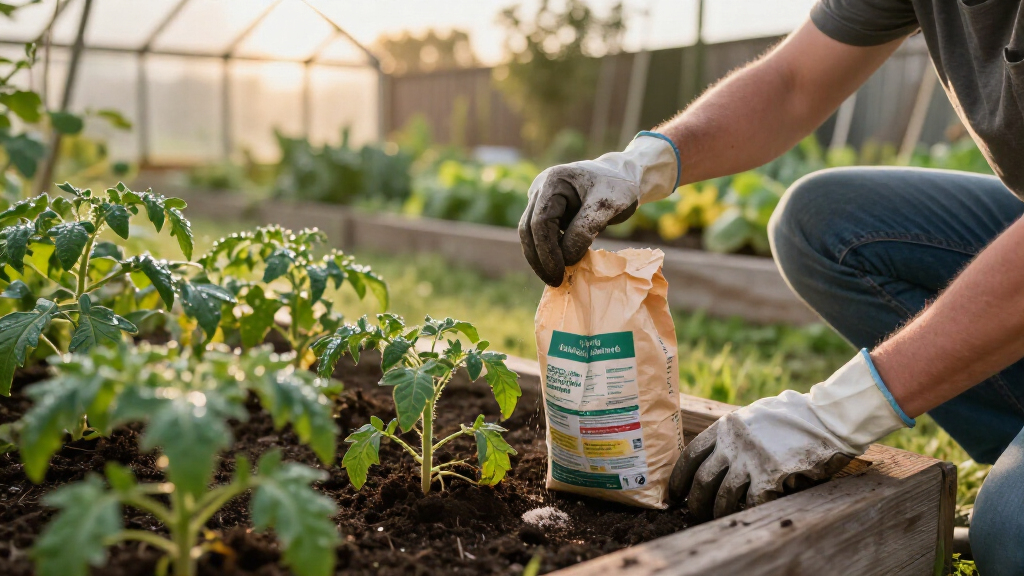
I compared these 15 products by intended use, fertilizer format, application demands, and range of suitable plants. The ranking gives preference to products with clear roles and practical usefulness for their named audience: a broadly useful garden food can serve more buyers than a specialist booster, while a targeted formula can rank well for a specific need. I also weighed whether the format fits common routines, such as feeding containers with a liquid or maintaining garden beds with granules.
Tradeoffs shape the order: package size affects how practical a product is for small versus large gardens; a narrow formula is useful when it matches the crop but less flexible across a mixed garden; and application frequency and handling affect convenience. I did not treat “organic” as proof that every formula suits every plant. Because the products span distinct uses, readers should check each label’s analysis, directions, and plant guidance before applying it.
| organic fertilizer | Form |
|---|---|
| FoxFarm Big Bloom Organic Liqu | — |
| Espoma Organic Plant-Tone 5-3- | Granules |
| True Organic Blood Meal Fertil | Granules |
| Down To Earth Organic Vegetabl | Granules |
| Miracle-Gro Organic Indoor Pla | Liquid |
| Jobe’s Organics Granular Garde | Granules |
| Organic Plant Magic All-Purpos | Water-soluble powder |
| Dr. Earth Organic Tomato | Granules |
| Farmer’s Secret Fruit & Bloom | Liquid |
| Jobe’s Organics Granular All P | Granules |
| Jobe’s Organics All-Purpose Gr | Granules |
| Espoma Organic Indoor Plant Fo | Liquid |
| Miracle-Gro Organic All Purpos | Granules |
| Burpee Natural Purpose Granula | Granules |
| Alaska Fish Fertilizer for Pla | — |
Factors to Consider When Choosing Best Organic Fertilizers
Before choosing an organic fertilizer, match the formula to your plants and growing setup rather than relying on broad labels. I’d start with these factors to avoid buying a product that is harder to apply, less suited to your garden, or more specialized than you need.
Match the Nutrient Purpose to the Plant
Different crops and growth stages can call for different nutrient emphasis, so an all-purpose product is not automatically the right choice for every bed. Check the fertilizer analysis and the label’s plant guidance before applying it, especially when choosing a targeted product such as blood meal or a fruit-and-bloom booster. A nitrogen-focused amendment may be a poor fit when your goal is flowering or fruiting, while a bloom product may not serve as a full-season garden food. Avoid stacking several fertilizers just because each has a different name; overlapping nutrients can add up. For a mixed garden, a broad formula is often simpler, with a targeted product used only when its purpose is clear.
Choose Granules or Liquid for Your Routine
Granules usually suit gardeners who want to apply fertilizer to soil and follow the package schedule rather than feed at every watering. Liquids offer more control over application timing and can fit container care, but they add a mixing step and require careful measurement. Neither format is inherently better for all plants; the useful choice is the one you can apply consistently according to the label. A common mistake is assuming liquid means instant or stronger results, or that granules never need reapplication. Check the directions for how and when to apply, and avoid making up a schedule based on the product’s format alone.
Account for Containers, Beds, and Indoor Spaces
Growing conditions change how practical a fertilizer is. Indoor containers have limited soil volume and are often watered frequently, so measured application and clear indoor-use directions matter. Outdoor beds may make a larger granular bag more convenient, particularly when treating several rows or plantings. Fish-based products and other organic inputs can have odors that are more noticeable in enclosed spaces, so check label guidance before using them indoors. Do not assume an outdoor garden formula is suitable for houseplants simply because its ingredients are organic. Start with the product’s stated use and the needs of your growing medium.
Buy a Package Size You Can Use Correctly
A large bag can be a practical choice for several beds, but it can leave a small-garden owner storing more product than needed. Smaller packages may be easier to handle and store, though they can be less convenient for repeated use across a large area. Think about how many plants you will feed, how often the label calls for application, and whether you have a dry, secure place to store the remainder. Keep products in their original packaging so directions and ingredient information stay available. Buying more than your garden can use is not good value if the product is stored poorly or applied too often just to use it up.
Read the Label Beyond the Organic Claim
Organic certification or listing can help identify products that meet particular standards, but it does not tell you whether a formula fits your crop, soil, or application method. Read the nutrient analysis, ingredient details, application rate, and precautions. Some products are intended as general plant foods; others are better understood as a targeted nutrient source or seasonal booster. Avoid judging products only by an organic claim or a long ingredient list. If you are growing edible plants, follow the label’s crop directions and any stated timing guidance rather than assuming all organic fertilizers can be used the same way.
Decide When a Specialist Formula Is Worth It
A specialty fertilizer can make sense when your garden has a clear, concentrated need, such as feeding a particular edible crop or supporting a specific growth stage. For a varied garden, a specialist product may add complexity without replacing a general-purpose feed. The tradeoff is flexibility: a narrow formula can be a better match for its intended plants but less useful elsewhere. Before paying for extra specialization, check whether the product is a complete fertilizer for your use or a supplement with a narrower role. If you cannot name the plants and purpose it will serve, start with a suitable general formula and follow its directions.
Frequently Asked Questions
Can I use the same organic fertilizer on houseplants and vegetables?
Sometimes, but the label must list both uses or give directions that clearly suit them. Houseplants grow in a limited volume of potting mix, so an outdoor application rate may be too much for a container. Vegetables also have crop-specific needs and label directions that may differ from indoor feeding guidance. Choose a product based on its stated uses, then follow the rate and schedule for that setting. If the label is unclear, pick a fertilizer made for the plants you are feeding rather than guessing.
Should I choose a granular fertilizer or a liquid one for containers?
Either can work when the product is labeled for container plants, but they suit different routines. Granules may reduce how often you need to handle fertilizer, while liquids give you more control over measured applications during watering. With containers, the smaller amount of soil makes it especially important not to exceed label directions or feed too frequently. Consider how often you water and whether you will reliably mix and measure a liquid. The best format is the one whose instructions fit your schedule and container setup.
Is a targeted vegetable or bloom formula better than an all-purpose fertilizer?
A targeted formula is a better match when its stated purpose aligns with the plants and feeding goal; it is not automatically better for an entire garden. All-purpose options can simplify care across mixed plantings, while a crop-specific fertilizer can narrow the choice for beds devoted to particular vegetables. A bloom booster should not be treated as a complete replacement for general plant nutrition unless its label says it serves that role. Compare the nutrient analysis and instructions rather than relying on product names alone. If your garden is mixed, a general formula may be the simpler base choice.
Can I combine two organic fertilizers to get better results?
Do not combine them by default. Two products can supply overlapping nutrients, and applying both at their full labeled rates may exceed what your plants need. Check each analysis and directions first, and use multiple products only when their roles and timing are clear. A targeted supplement may have a place alongside a general fertilizer, but it should not be added simply because it is organic. When uncertain, use one suitable product according to its label and reassess before adding another.
Which type makes sense if I have only a few plants?
For a few plants, a smaller package or a liquid product with clear measuring directions can be easier to manage than a large bag intended for broad garden use. Match the product to the plants first: indoor plants, vegetables, and flowering plants may need different label guidance. Avoid buying a large package solely because it covers many plant types if you will use only a small amount. Check storage instructions and package size alongside application rate. That helps reduce leftover product and makes it easier to follow directions consistently.
Conclusion
For most gardeners seeking one flexible option, I’d start with Espoma Organic Plant-Tone as the best overall pick; its all-purpose granular role is broader than the lineup’s crop-specific formulas. Jobe’s Organics Granular Garden Fertilizer is a practical value-minded choice for gardeners feeding vegetables and tomatoes, while Jobe’s 16-pound all-purpose granules better suit larger gardens than small spaces. Beginners may prefer a clearly labeled general-purpose product and a format they can apply consistently, rather than stacking specialist boosters. For edible crops, compare Dr. Earth and Down To Earth; for liquid feeding, look at FoxFarm Big Bloom or Alaska Fish Fertilizer according to the intended use. Choose the formula whose label, format, and package size match your plants—not simply the broadest organic claim.
Halloween Picks
halloween
As an affiliate, we earn on qualifying purchases.