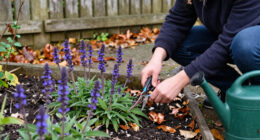

The best alternative flower bed mulch depends on whether you want soil coverage, a lightweight growing medium, or a longer-lasting decorative layer. I’d put HealthiStraw GardenStraw first for broad garden-bed use because its 3-cubic-foot volume can cover more area than the small-format options, while hemp mulch and coco chips stand out for gardeners who prefer plant-based materials. The main tradeoffs are coverage, how quickly an organic mulch breaks down, and whether you need a product suited to beds or containers. Read on for the full breakdown of all 15 options and how I’d match them to different gardens.

Get garden gear delivered free with Prime
- Fast, free delivery on millions of items
- Prime Video, Amazon Music and more included
- Member-only deals all year
Complete the kit


Key Takeaways
- Coverage changes the value equation: GardenStraw’s 3-cubic-foot package is aimed at larger areas, while several cocoa, cedar, and rubber options come in small quantities better suited to touch-ups or compact beds.
- Material matters more than appearance: Straw, hemp, bark, and wood are organic choices that break down over time; rubber is a different, persistent option for gardeners who prioritize a lasting surface.
- Coco products fill a distinct niche: Chips and compressed coco blocks are useful when a light, moisture-managing material suits the bed or container, but their package formats and preparation needs vary.
- Several listings overlap: The PlantBest Coco Mulch Compressed Block appears twice, so buyers should compare package details carefully rather than treating the duplicate listing as a different mulch.
- Small bags are not automatically easy-care: Four-quart products can work for narrow borders or patching, but covering a whole flower bed may require many packages and more frequent replenishment.
| Garden Elements Natural Cocoa Bean Shell Mulch, 2 cu ft |  | Best for a Naturally Dark Finish | Brand: Garden Elements | Material: Cocoa bean shells | Volume: 2 cu ft | VIEW LATEST PRICE | See Our Full Breakdown |
| Riare Organic Coco Coir Chips for Plants, 2-Pack |  | Best for Custom Soil-and-Mulch Blends | Brand: Riare | Pack count: 2 bricks | Total weight: 2.2 lb | VIEW LATEST PRICE | See Our Full Breakdown |
| Hemp Garden Mulch, 50 L (2 cu. ft.) |  | Best for Wind-Exposed Flower Beds | Material: 100% USA-grown plant fiber | Volume: 50 L (2 cu ft) | Dimensions: 16 × 12 × 10 in | VIEW LATEST PRICE | See Our Full Breakdown |
| PlantBest Coco Mulch Compressed Block, 9.1 lb |  | Best Overall for Large Beds | Material: 100% renewable coconut coir | Block weight: 9.1 lb (4.1 kg) | Expanded volume: Approximately 16 gallons (60 L) | VIEW LATEST PRICE | See Our Full Breakdown |
| SuperMoss Coco Mulch, 200 in³, Natural Brown |  | Best Compact Pick for Small Plantings | Material: Coconut | Color: Natural brown | Volume: 200 cubic inches | VIEW LATEST PRICE | See Our Full Breakdown |
| PlantBest Coco Mulch Compressed Block, 9.1 lb |  | Best for Compact Storage | Material: 100% coconut coir | Form: Compressed block | Weight: 9.1 lb (4.1 kg) | VIEW LATEST PRICE | See Our Full Breakdown |
| Organic Cocoa Bean Shell Mulch for Plants, 4 Quarts |  | Best for Small, Fragrant Plantings | Brand: Peppy Plant | Material: Cocoa bean shells | Volume: 4 quarts (128 ounces) | VIEW LATEST PRICE | See Our Full Breakdown |
| Black Recycled Rubber Mulch, 4 QT |  | Best for Low-Maintenance Decorative Accents | Brand: Office Roast | Material: Recycled rubber | Color: Black | VIEW LATEST PRICE | See Our Full Breakdown |
| Premium Dark Natural Shredded Wood Mulch, 30 Quart |  | Best Ready-to-Spread Wood Alternative | Material: Shredded wood and fine organic material | Color: Dark | Package volume: 30 quarts | VIEW LATEST PRICE | See Our Full Breakdown |
| Back to the Roots Organic Mulch for Landscaping and Gardens, 1 Cubic Foot |  | Best for Soil-Focused Gardeners | Brand: Back to the Roots | Package size: 1 cubic foot (25.7 quarts) | Composition: Upcycled plant matter and wood fines | VIEW LATEST PRICE | See Our Full Breakdown |
| Brut Organic Aspen Bark Mulch, 10 Quarts |  | Best for Organic Container Gardening | Material: Aspen bark | Volume: 10 quarts | Unit count: 192 ounces | VIEW LATEST PRICE | See Our Full Breakdown |
| HealthiStraw GardenStraw Wheat Straw Mulch, 3 cu ft |  | Best for Covering Larger Beds | Material: 100% non-GMO wheat straw | Volume: 3 cubic feet | Package weight: 20 lb in title; 22.8 lb in product information | VIEW LATEST PRICE | See Our Full Breakdown |
| Plantonix Coco Chips Mulch Brick, 10 lb |  | Best Bulk Coco-Chip Pick | Brand: Plantonix | Material: Recycled coconut husk chips | Weight: 10 lb (160 oz) | VIEW LATEST PRICE | See Our Full Breakdown |
| Halatool Organic Coco Husk Chips for Plants, 2-Pack, 2.2 lb |  | Best for Small Containers and Trial Beds | Brand: Halatool | Material: Coconut coir chips | Number of packs: 2 | VIEW LATEST PRICE | See Our Full Breakdown |
| Natural Cedar Chips, 4 Quarts |  | Best for Small Decorative Touch-Ups | Material: Natural cedar | Volume: 4 quarts | Weight: 0.6 kg | VIEW LATEST PRICE | See Our Full Breakdown |
| alternative flower bed mulch | Material | Volume | Weight |
|---|---|---|---|
| Garden Elements Natural Cocoa | Cocoa bean shells | 2 cu ft | 30 lb |
| Riare Organic Coco Coir Chips | Coconut coir chips and fiber | — | — |
| Hemp Garden Mulch | 100% USA-grown plant fiber | 50 L (2 cu ft) | 13 lb |
| PlantBest Coco Mulch Compresse | 100% renewable coconut coir | — | — |
| SuperMoss Coco Mulch | Coconut | 200 cubic inches | 8 oz |
| PlantBest Coco Mulch Compresse | 100% coconut coir | — | 9.1 lb (4.1 kg) |
| Organic Cocoa Bean Shell Mulch | Cocoa bean shells | 4 quarts (128 ounces) | 2 pounds |
| Black Recycled Rubber Mulch | Recycled rubber | 4 QT | 3 pounds |
| Premium Dark Natural Shredded | Shredded wood and fine organic material | — | — |
| Back to the Roots Organic Mulc | — | — | — |
| Brut Organic Aspen Bark Mulch | Aspen bark | 10 quarts | — |
| HealthiStraw GardenStraw Wheat | 100% non-GMO wheat straw | 3 cubic feet | — |
| Plantonix Coco Chips Mulch Bri | Recycled coconut husk chips | — | 10 lb (160 oz) |
| Halatool Organic Coco Husk Chi | Coconut coir chips | — | — |
| Natural Cedar Chips | Natural cedar | 4 quarts | 0.6 kg |
More Details on Our Top Picks
Garden Elements Natural Cocoa Bean Shell Mulch, 2 cu ft
Garden Elements Cocoa Bean Shell Mulch is the pick for gardeners who want a dark, natural-looking bed cover that also holds moisture and helps suppress weeds. Its 2-cubic-foot volume makes it more practical for a flower bed than SuperMoss Coco Mulch, which comes in a much smaller 200-cubic-inch pack. The shells are lightweight and contain natural nutrients, while their brown color comes without added dyes. That look and the cocoa aroma are distinctive, but the scent may not suit every garden. The key drawback is safety: cocoa shells contain theobromine and caffeine and are toxic to dogs, so I would skip this for yards where pets can reach the beds. It is a strong visual alternative to wood mulch, but not a pet-safe one.
Pros:- Natural dark brown color without added dyes or fragrances
- Helps retain soil moisture and suppress weeds
- Lightweight material is easy to spread
- Contains natural nutrients
Cons:- Toxic to dogs because it contains theobromine and caffeine
- Chocolate aroma may be unwelcome to some gardeners
Best for: Gardeners seeking a naturally dark, lightweight mulch for flower beds in areas dogs cannot access.
Not ideal for: Dog owners whose pets can reach the garden beds, because cocoa bean shells are toxic to dogs.
- Brand:Garden Elements
- Material:Cocoa bean shells
- Volume:2 cu ft
- Weight:30 lb
- Color:Brown
- NPK:2.5-1-3
- pH:5.8
- Use:Indoor and outdoor
Our verdict“Choose this for a dark, natural-looking flower bed where dogs cannot reach the cocoa shells.”
Riare Organic Coco Coir Chips for Plants, 2-Pack
Riare Coco Coir Chips suit gardeners who want one material for bed covering and growing-medium mixes rather than a ready-to-spread mulch. Each compressed brick expands to up to 7 quarts after soaking, and the coconut chips and fiber help balance moisture retention with aeration and drainage. That flexibility gives it an advantage over PlantBest Coco Mulch, which is presented mainly as an expanded bed-covering block. The tradeoff is extra preparation: I would need to soak the bricks and squeeze out excess water before use, and some planting setups may call for mixing the coir with other ingredients. Its compact, lightweight form also makes it easier to store than loose hemp mulch, though the two-brick pack provides less ready-to-apply bed coverage than a large-volume bag.
Pros:- Compressed bricks are compact to store before use
- Expands to up to 7 quarts per brick
- Supports aeration, drainage, and moisture retention
- Can be used alone or blended with other growing media
Cons:- Requires soaking and squeezing out excess water before application
- May need blending with other materials for some planting needs
Best for: Gardeners who want compact coconut coir they can use in flower beds, potting mixes, or orchid growing media.
Not ideal for: Buyers who want mulch ready to spread immediately or need a clearly stated large coverage area.
- Brand:Riare
- Pack count:2 bricks
- Total weight:2.2 lb
- Weight per brick:1.1 lb
- Brick dimensions:8 × 4 × 1.8 in
- Expansion:Up to 7 quarts per brick
- Material:Coconut coir chips and fiber
- pH:Balanced
- Electrical conductivity:Low EC
Our verdict“Pick Riare if you value a versatile, storable coir ingredient more than ready-to-spread bed coverage.”
Hemp Garden Mulch, 50 L (2 cu. ft.)
Hemp Garden Mulch stands out for beds where loose, lightweight material tends to shift. Its long, intertwined plant fibers are designed to hold together against wind, water, and foot traffic, making it a different choice from the coconut-based PlantBest Coco Mulch, which relies on hydrated coir fibers for coverage. The 50-liter volume gives it useful scale for flower beds, and the material is also suited to containers, shrubs, and trees. It helps retain moisture without artificial colors or additives. Compared with compressed coir blocks, this hemp mulch arrives as a ready-to-use product, but its 13-pound package takes up more storage space than a compact brick. The product information also does not say how long the mulch lasts, so I would not choose it when a clearly stated service life is a priority.
Pros:- Long fibers help the mulch stay in place against wind and water
- Helps retain moisture around plants
- Suitable for beds, containers, trees, and shrubs
- Made from plant fiber without artificial colors or additives
Cons:- Product information does not specify how long the mulch lasts
- The bag requires storage space before use
Best for: Gardeners covering exposed flower beds where wind, runoff, or occasional foot traffic can displace loose mulch.
Not ideal for: Buyers with little storage space or gardeners who need a stated estimate of how long the mulch will last.
- Material:100% USA-grown plant fiber
- Volume:50 L (2 cu ft)
- Dimensions:16 × 12 × 10 in
- Weight:13 lb
- Manufacturer:HempAgra
- Model:HAGM50
Our verdict“Choose this ready-to-use hemp mulch for exposed beds where staying put matters more than compact storage.”
PlantBest Coco Mulch Compressed Block, 9.1 lb
PlantBest Coco Mulch is my most practical all-around pick for buyers who want a renewable bed-covering material in a compact form. Add water to the 9.1-pound compressed block and it expands to about 16 gallons, with stated coverage of up to 17.5 square feet at a 1.5-inch depth. That makes planning a flower-bed application more straightforward than with SuperMoss Coco Mulch, whose coverage is not specified. The coir fibers retain moisture, suppress weeds, and help limit erosion; the product is also described as lasting up to two seasons. It is easier to carry and store before expansion than a loose 2-cubic-foot bag of Garden Elements cocoa shells. The tradeoff is a preparation step, and the stated coverage may be limited for larger beds.
Pros:- Compressed form is easier to carry and store than loose mulch
- Expands to approximately 16 gallons when water is added
- Helps retain moisture, suppress weeds, and limit erosion
- Described as lasting up to two seasons
Cons:- Must be hydrated and expanded before application
- Coverage is up to 17.5 sq. ft. at a 1.5-inch depth
Best for: Flower-bed owners who want a compact-to-store coir block with stated coverage and a multi-season lifespan claim.
Not ideal for: Gardeners who need mulch they can spread immediately or who are covering a bed larger than the stated coverage without buying additional blocks.
- Material:100% renewable coconut coir
- Block weight:9.1 lb (4.1 kg)
- Expanded volume:Approximately 16 gallons (60 L)
- Coverage:Up to 17.5 sq. ft. at 1.5-inch depth
- Product dimensions:12 × 5 × 12 in
- Item weight:8.95 lb
- Model number:3056B
- Stated lifespan:Up to two seasons
Our verdict“Choose PlantBest for a compact, moisture-retaining coir mulch when its stated coverage fits your bed.”
SuperMoss Coco Mulch, 200 in³, Natural Brown
SuperMoss Coco Mulch is the small-scale choice for container groupings, narrow borders, or gardeners who want a compact supply on hand. Its 200-cubic-inch volume is far below PlantBest Coco Mulch’s roughly 16-gallon expanded output, so it is a poor fit for covering a large flower bed; the smaller pack makes more sense when only a limited area needs attention. The coconut material retains water, supports aeration, and is described as resisting hardening and water rejection. It can also be stored for years before hydration, which is handy when mulch needs are occasional. Unlike the ready-to-use Hemp Garden Mulch, this product must be hydrated, and the available information does not give an application depth or coverage area. I would treat it as a targeted option, not a bulk bed solution.
Pros:- Compact pack is easy to store
- Renewable coconut material retains water and supports aeration
- Resists hardening and water rejection
- Can be stored for years before hydration
Cons:- Small volume limits how much bed area it can cover
- Application depth and coverage area are not specified
- Requires hydration before use
Best for: Container gardeners and owners of small borders who want a compact coconut mulch supply that stores dry.
Not ideal for: Anyone covering a broad flower bed, because the 200-cubic-inch volume is limited and coverage is not specified.
- Material:Coconut
- Color:Natural brown
- Volume:200 cubic inches
- Weight:8 oz
- Pack count:4
Our verdict“Choose SuperMoss for containers or small planting areas, not as the main mulch supply for a large flower bed.”
PlantBest Coco Mulch Compressed Block, 9.1 lb
PlantBest’s compressed coir block is a practical alternative to loose bark or wood mulch when storage space matters. Add water and the 9.1-pound block expands about sixfold in roughly five minutes, producing approximately 16 gallons of mulch. Its interlocking coconut fibers help retain moisture, limit weeds, and resist erosion, while the undyed, chemical-free material can last up to two seasons. Compared with Premium Dark Natural Shredded Wood Mulch, this pick stores more compactly before use and holds together through its fibers, but it requires preparation rather than being ready to spread straight from the bag. Coverage reaches only 17.5 square feet at a 1.5-inch depth, so I’d choose it for a small bed or targeted planting area, not a broad landscape project.
Pros:- Compressed block is easy to carry and store before use.
- Expands to approximately 16 gallons after water is added.
- Coir fibers retain moisture and help reduce watering frequency.
- Interlocking fibers help suppress weeds and resist erosion.
Cons:- Must be soaked and expanded before application.
- Covers only up to 17.5 square feet at the stated depth.
Best for: Gardeners with limited storage who want a compact, natural mulch block for a small flower bed, border, or tree ring.
Not ideal for: Anyone mulching a large area or wanting material they can spread immediately without adding water and waiting for expansion.
- Material:100% coconut coir
- Form:Compressed block
- Weight:9.1 lb (4.1 kg)
- Expanded volume:Approximately 16 gallons (60 L)
- Coverage:Up to 17.5 sq. ft. at 1.5-inch depth
- Expansion:Approximately sixfold in 5 minutes
- Pack count:1
Our verdict“Choose PlantBest when compact storage and moisture-retaining coir matter more than immediate application or wide coverage.”
Organic Cocoa Bean Shell Mulch for Plants, 4 Quarts
Peppy Plant cocoa shell mulch suits a small planting where a natural chocolate aroma and a modest nutrient contribution are welcome extras. Its shells help retain moisture and suppress weeds, and the listed approximate fertilizer value is 2.5-1-3. That makes it more of a soil-enriching choice than Black Recycled Rubber Mulch, which is designed for decorative, low-maintenance coverage rather than adding organic material. The tradeoff is scale: four quarts is a small amount for a flower bed, so I’d reserve it for pots, a compact border, or a few plants. Cocoa shells also pose a serious concern for households with dogs because cocoa can be harmful to them; I would skip this mulch anywhere a dog could reach or ingest it.
Pros:- Cocoa shells help retain soil moisture and suppress weeds.
- Adds nitrogen, phosphate, and potash to the soil.
- Suitable for indoor and outdoor plants.
- Natural chocolate aroma distinguishes it from coir and wood mulch.
Cons:- Cocoa bean shells can be harmful to dogs.
- Four quarts provides limited coverage for larger beds.
Best for: Gardeners tending a few indoor or outdoor pots or a small bed who want cocoa shells with moisture-retaining and soil-enriching properties and can keep dogs away.
Not ideal for: Dog owners who cannot reliably prevent access, or gardeners covering a large flower bed with one small pack.
- Brand:Peppy Plant
- Material:Cocoa bean shells
- Volume:4 quarts (128 ounces)
- Weight:2 pounds
- pH:5.8
- Approximate fertilizer value:2.5-1-3
- Pack count:1
Our verdict“Pick this for a small, dog-inaccessible planting where cocoa shell aroma and organic nutrient contribution are welcome.”
Black Recycled Rubber Mulch, 4 QT
Black recycled rubber mulch is the lineup’s decorative, low-maintenance alternative for a small area where a dark, consistent appearance matters more than adding organic matter to soil. The chips are described as weather- and fade-resistant, and the care instructions call for rinsing with water as needed. Compared with Back to the Roots Organic Mulch, this rubber option favors lasting surface coverage over soil-oriented ingredients such as upcycled plant matter, yucca extract, and gypsum. That distinction makes it a poor fit for gardeners seeking a biodegradable or soil-enriching layer. Its 4-quart volume also limits it to accents, planters, or a small tree area rather than a full flower bed. I’d choose it for appearance and reduced upkeep, not for nourishing garden soil.
Pros:- Recycled rubber chips are designed to resist fading and outdoor weather.
- Low-maintenance surface can be rinsed with water as needed.
- Black color offers a consistent decorative look.
- Suitable for small gardens, planters, pathways, and tree areas.
Cons:- Four quarts is too little for many larger landscaping projects.
- Rubber does not provide the organic soil benefits of plant-based mulch.
- Black chips may not suit natural-looking garden designs.
Best for: Gardeners seeking a dark, weather-resistant decorative layer for a small planter, pathway accent, or tree ring and who do not need organic soil benefits.
Not ideal for: Buyers covering a large flower bed or seeking mulch that adds organic matter and soil-focused ingredients.
- Brand:Office Roast
- Material:Recycled rubber
- Color:Black
- Volume:4 QT
- Weight:3 pounds
- Shape:Chips
- Care:Rinse with water as needed
Our verdict“Choose this for small decorative areas where weather resistance matters more than soil enrichment or natural wood appearance.”
Premium Dark Natural Shredded Wood Mulch, 30 Quart
Premium Dark Natural Shredded Wood Mulch makes sense when the main goal is a finished-looking bed that can be spread by hand without first expanding a compressed block. Its loose texture suits flower beds, tree rings, shrub borders, and pathways, while a suitable application depth helps retain moisture and suppress weeds. Against PlantBest Coco Mulch, this is the more immediately usable choice; PlantBest is easier to store before use and offers coir’s interlocking fibers, but it needs water and preparation. This wood mulch’s 30-quart package is still a limited amount for extensive landscaping, and coverage depends on how deeply it is applied. Natural variation in color, texture, and particle size also means the dark appearance may not be perfectly uniform from one portion to another.
Pros:- Dark shredded wood gives beds and borders a finished appearance.
- Loose texture is ready to spread by hand.
- Can help retain soil moisture and suppress weeds at an appropriate depth.
- Suitable for beds, tree rings, shrub borders, and pathways.
Cons:- Color, texture, and particle size may vary naturally.
- Weed suppression depends on applying enough material.
- A 30-quart package may not cover a large project.
Best for: Gardeners who want a hand-spread dark wood layer for a small or medium bed, tree ring, or border without a mixing step.
Not ideal for: Buyers who need uniform color and particle size or enough material to cover a large landscape at a generous depth.
- Material:Shredded wood and fine organic material
- Color:Dark
- Package volume:30 quarts
- Item weight:17 pounds
- Product dimensions:12 x 10 x 8 inches
- Model number:Wm-2cf-nat
Our verdict“Choose this for ready-to-spread dark wood coverage in a defined area, provided natural variation and limited package volume are acceptable.”
Back to the Roots Organic Mulch for Landscaping and Gardens, 1 Cubic Foot
Back to the Roots Organic Mulch is the strongest fit here for gardeners who want a plant-based mulch with ingredients aimed at soil and moisture management. It is peat-free, made from upcycled plant matter and wood fines, and includes yucca extract for moisture control, gypsum for water absorption, and dolomitic limestone to balance pH. Compared with Premium Dark Natural Shredded Wood Mulch, its appeal is less about a dark, finished appearance and more about the stated composition and garden-use range, which includes herbs, vegetables, fruits, raised beds, flower beds, and trees. The limitation is quantity: one cubic foot is a single bag, so larger beds may call for multiple bags. I’d favor this over rubber mulch when organic materials and soil-related ingredients are the priority.
Pros:- Peat-free blend uses upcycled plant matter and wood fines.
- Yucca extract is included for moisture control.
- Gypsum is included to improve water absorption.
- Dolomitic limestone is included to balance pH.
Cons:- One 1-cubic-foot bag may not cover a large project.
- Its soil-focused ingredient profile may matter less to buyers seeking a simple decorative mulch.
Best for: Gardeners tending flower beds or mixed edible and ornamental plantings who want peat-free mulch with moisture- and pH-related ingredients.
Not ideal for: Anyone covering a large landscape with one purchase or prioritizing a uniform dark decorative finish over organic composition.
- Brand:Back to the Roots
- Package size:1 cubic foot (25.7 quarts)
- Composition:Upcycled plant matter and wood fines
- Peat:Peat-free
- Additional ingredients:Yucca extract, dolomitic limestone, and gypsum
- Manufacturer part number:47025
- Model number:47025
Our verdict“Choose this for a modest bed where peat-free organic ingredients and moisture-related additions matter more than a large ready supply.”
Brut Organic Aspen Bark Mulch, 10 Quarts
OMRI-listed Aspen bark makes this a strong choice for gardeners who want a fine, easy-to-spread mulch for flower beds, planters, or pots. Its small texture sits closer to the soil than the Natural Cedar Chips, which are a better fit when a coarser, more decorative chip is the priority. Brut is also lightweight and odor-free, so it suits indoor containers and smaller planting areas where scent or bulky pieces can be unwelcome. The tradeoff is that its 10-quart volume is modest for covering a large bed, and fine bark may not give the chunky appearance or longer-lasting surface layer some gardeners prefer. I’d choose it for organic-focused, small-scale planting rather than broad landscape coverage.
Pros:- OMRI-listed for organic gardening
- Fine, lightweight texture is easy to spread around plants and in containers
- Helps retain soil moisture and support soil structure and beneficial microbes
- Odor-free for use around indoor plants
Cons:- A 10-quart bag is limited for extensive flower-bed coverage
- Fine texture may not suit gardeners who prefer coarse, decorative wood chips
Best for: Organic gardeners mulching planters, potted flowers, or small beds who prefer fine, odor-free bark and an OMRI-listed material.
Not ideal for: Gardeners covering large flower beds or seeking coarse, chunky chips, since the 10-quart quantity is limited and the texture is fine.
- Material:Aspen bark
- Volume:10 quarts
- Unit count:192 ounces
- Carbon content:30%
- Certification:OMRI-listed for organic gardening
- Texture:Fine
Our verdict“Choose Brut for organic-minded gardeners who want fine, odor-free bark for containers and small flower beds rather than a coarse mulch for a large area.”
HealthiStraw GardenStraw Wheat Straw Mulch, 3 cu ft
For gardeners who want a plant-based alternative that can cover a substantial area, HealthiStraw’s 3-cubic-foot bale has a clearer scale advantage than small-format options such as Brut Organic Aspen Bark Mulch. Applied 2–3 inches deep, it is listed to cover up to 100 square feet, while a much thinner layer can stretch across lawn seeding. Its cleaned, non-GMO wheat straw helps retain moisture and breaks down into organic matter, so it suits beds where soil improvement matters along with surface coverage. The interlocking fibers are described as resisting wind and rain without chemical binders. The tradeoffs: straw decomposes faster than bark or cedar chips, and the listed package weight differs between the title and product information. Coverage also changes sharply with layer depth.
Pros:- 3 cubic feet offers substantially more listed volume than small bags of bark or chips
- Cleaned, non-GMO straw is filtered to remove dust, dirt, and as many seeds as possible
- Helps retain moisture and reduce erosion and soil compaction
- Breaks down into organic matter and can also be used in composting
Cons:- Breaks down more quickly than bark or wood chips and may need replenishing
- Coverage varies considerably with the depth of the layer
- Package weight is listed as both 20 lb and 22.8 lb
Best for: Gardeners mulching larger raised beds or flower beds who want broad coverage, moisture retention, and straw that can break down into soil organic matter.
Not ideal for: Buyers who want a long-lasting, coarse wood-chip appearance or need a precise package weight and fixed coverage without adjusting layer depth.
- Material:100% non-GMO wheat straw
- Volume:3 cubic feet
- Package weight:20 lb in title; 22.8 lb in product information
- Dimensions:17 × 11 × 26 inches
- Coverage at 2–3 inch layer:Up to 100 sq ft
- Coverage for lawn seeding:Up to 600 sq ft at ¼ inch
- Manufacturer:HealthiStraw
- Model:HSTGARDENSTRAW
Our verdict“Pick HealthiStraw when broad, soil-enriching coverage matters more than the longer-lasting look of wood or bark chips.”
Plantonix Coco Chips Mulch Brick, 10 lb
Plantonix’s 10-pound compressed block is the most practical choice here for gardeners who want coconut husk chips in bulk without storing a loose, bulky bag. Once hydrated, it expands to a listed 15 gallons, giving it more stated volume than Halatool’s smaller two-brick pack. The lightweight chips help limit moisture loss while keeping airflow around roots, making this a versatile alternative for flower beds, raised beds, and containers. Its recycled coconut-husk material also suits buyers seeking a plant-based mulch. Unlike ready-to-spread cedar chips, though, this block needs water and preparation before use; the compressed format saves storage space but adds a step on mulching day. I’d favor it for larger planting areas or regular container use, not for someone needing an immediate, finished-looking layer.
Pros:- Compressed block expands to a listed 15 gallons
- Recycled coconut husk chips help retain moisture while allowing airflow
- Lightweight material is easy to spread after hydration
- Suitable for garden beds, raised beds, and containers
Cons:- Must be hydrated before spreading
- Requires water and preparation space before it is ready to use
- Coco chips have a different look and texture from conventional bark or cedar mulch
Best for: Gardeners with multiple containers, raised beds, or a sizeable planting area who want a space-saving block that expands into a larger volume of coco chips.
Not ideal for: Buyers who need mulch ready to spread straight from the package or prefer a conventional wood-chip appearance without preparation.
- Brand:Plantonix
- Material:Recycled coconut husk chips
- Weight:10 lb (160 oz)
- Expanded volume:15 gallons
- Number of packs:1
- Form:Compressed block
Our verdict“Choose Plantonix for a space-saving, higher-volume coco-chip mulch when you are willing to hydrate it before use.”
Halatool Organic Coco Husk Chips for Plants, 2-Pack, 2.2 lb
Halatool’s two small coco-chip bricks are a manageable way to try coconut-husk mulch in pots, herb planters, or a compact flower bed without handling Plantonix’s heavier 10-pound block. Each brick expands to about 7 quarts when soaked, and the chips can serve as mulch, a soil conditioner, or a growing medium. Low electrical conductivity and balanced pH are useful details for buyers who want to use the material around plants beyond the flower bed. The tradeoff is scale: two bricks provide less total material than the Plantonix block’s stated 15 gallons, so they are better suited to small jobs than broad landscape coverage. Preparation also takes water, a roomy soaking container, and time before the chips can be spread.
Pros:- Two compressed bricks are compact to store
- Each brick expands to up to 7 quarts when soaked
- Chips allow drainage and airflow while retaining moisture
- Can be used as mulch, a soil conditioner, or a growing medium
Cons:- Requires soaking and expansion before use
- Needs water and a large enough container for preparation
- Lower total volume than Plantonix’s 10-pound coco-chip block
Best for: Container gardeners and growers tending a few pots, flower planters, or a small herb bed who want coco chips in an easy-to-store pack.
Not ideal for: Gardeners covering long or wide flower beds, since the two-brick quantity is modest and must be soaked before use.
- Brand:Halatool
- Material:Coconut coir chips
- Number of packs:2
- Total weight:2.2 lb
- Weight per brick:About 1.1 lb
- Expanded volume per brick:Up to 7 quarts
- Dimensions per brick:7.87 × 3.93 × 1.97 inches
- Electrical conductivity:Low
- pH:Balanced
Our verdict“Pick Halatool for a few pots or a small planting area where compact storage and multi-use coco chips matter more than bulk coverage.”
Natural Cedar Chips, 4 Quarts
Natural cedar chips suit gardeners who want a ready-to-spread, recognizable wood-chip surface for a few pots or small flower-bed sections. Unlike the compressed coco products from Plantonix and Halatool, these chips need no soaking or expansion, and the subtle earthy scent may appeal to buyers who like cedar’s aroma. The small 4-quart pack is also easier to handle than HealthiStraw’s large bale, but it is not the right scale for mulching a broad bed. Cedar can help retain moisture and is listed for indoor and outdoor use, though scent may not suit every setting. I’d treat it as a small-area option rather than a bulk alternative: the listed volume is limited, and the bag’s shape may make it look unusually skinny.
Pros:- Ready-to-spread chips require no soaking or expansion
- Suitable for indoor and outdoor plants, gardens, and flower beds
- Helps retain soil moisture
- Subtle cedar scent can also be used in sachets or as an air freshener
Cons:- Four quarts is limited for covering a full-size flower bed
- Cedar scent may not suit every home, garden, or use
- The bag may appear skinny due to its shape
Best for: Gardeners refreshing a few pots or adding a small, ready-to-spread cedar layer who appreciate a subtle earthy scent.
Not ideal for: Anyone mulching a large flower bed, avoiding scented materials, or seeking a high-volume alternative to bagged straw or bulk coco chips.
- Material:Natural cedar
- Volume:4 quarts
- Weight:0.6 kg
- Unit count:148.92 ounces
- Pack quantity:1
- Made in:Florida, USA
Our verdict“Choose Natural Cedar Chips for small planting areas where a ready-to-use wood-chip look and mild cedar scent are welcome.”

How We Picked
I compared these products as alternatives to conventional flower-bed mulch, focusing on material, intended use, package quantity, and the likely effort involved in applying and maintaining them. Coverage mattered because package sizes range from a few quarts to several cubic feet; I also weighed whether a material is organic and can break down, or is a persistent decorative surface. Since the listed products include both bed-oriented mulches and coco products that may also suit pots or specialized planting setups, I gave preference to options with a clearer fit for ordinary flower beds.
The ranking reflects usefulness across common garden needs, not a claim that one material works best in every bed. Larger quantities and straightforward uses earn stronger placement for general coverage, while specialty choices rank higher for the buyers they serve. I also accounted for tradeoffs such as limited package volume, the need to prepare compressed material, and the difference between a renewable organic mulch and rubber. The two identical PlantBest listings are treated as the same product, not separate innovations.
Factors to Consider When Choosing Best Alternative Flower Bed Mulch
I’d choose a mulch by starting with the job the bed needs done, then checking how much material that job takes. These broader factors can prevent a mismatch between a product’s appearance and its real use.
Match the Material to the Bed’s Main Job
Mulch can cover exposed soil, help moderate moisture, reduce visible weeds, or add a decorative finish, but no single material excels at every task. Before choosing, identify the main problem: a newly planted border may need broad, easy coverage, while a small ornamental bed may prioritize appearance. Organic materials such as straw, bark, hemp, and wood gradually break down, so they can become part of ongoing soil care but need replenishment. Persistent materials such as rubber behave differently and do not serve the same role as decomposing organic matter. Avoid choosing by color or texture alone; a pretty surface may not be the easiest one to maintain in your specific bed.
Calculate Coverage Before Comparing Packages
Package weight and volume do not tell the whole story: the area covered depends on the bed’s dimensions and the depth you plan to apply. Measure the bed and check each product’s stated volume or coverage guidance before ordering. A small bag can be convenient for a planter or repair, yet become cumbersome and costly to repeat across a long border. Conversely, a large package may be awkward to store if you only need a narrow strip. I’d buy enough for a consistent layer in one area rather than mixing several small formats without checking how their textures and colors compare.
Decide How Much Replenishment You’ll Accept
Organic mulches change as they weather and decompose, which can be useful if you want plant-derived material returning to the soil. That same process means their appearance and depth may need attention over time. Bark and wood products can offer a different texture and pace of breakdown than softer, lighter materials, but the precise performance depends on the product and garden conditions. Rubber can reduce the need to replace a surface as often, yet it is not a biodegradable soil amendment. Consider your willingness to refresh the bed each season and whether long persistence or eventual breakdown better fits your gardening plans.
Check Whether the Product Needs Preparation
Loose mulch is generally ready to spread, while compressed coco products may need water or expansion before use. That preparation can make a compact package easier to store, but it adds a step and requires room to hydrate and handle the material. Coco chips, coir, and coco mulch are also sold in different forms, so don’t assume that every product is interchangeable. Read the package directions and confirm whether the intended use includes flower beds, containers, or both. A first-time buyer may prefer a ready-to-spread format if convenience matters more than compact storage.
Account for Plants, Pets, and Local Conditions
Mulch choices should fit the plants and conditions in the bed, not just the package description. Check any material-specific cautions, especially when choosing cocoa bean shell products or a non-organic surface, and keep mulch from piling against stems or trunks. Wind exposure, rainfall, drainage, and foot traffic can all affect whether a light or bulky material stays where it is placed. In a sloped or windy bed, a material that shifts easily may need more frequent correction. If you are uncertain about a product’s suitability for a plant or household, follow its label and seek local horticultural guidance.
Frequently Asked Questions
Which option makes the most sense for covering a large flower bed?
I’d start with package volume rather than the material name. HealthiStraw GardenStraw is the clearest large-area candidate in this lineup because it is sold in a 3-cubic-foot package, while many alternatives come in small bags or compact blocks. Measure the bed and use the package’s coverage guidance to estimate how many units you need. If you prefer a different texture, compare the available volume of hemp, wood, or bark products before deciding. A large package is only a practical choice if you can store and spread it comfortably.
Are coco chips and coco coir mulch the same thing?
They are related coconut-derived materials, but the listed products differ in form and package format. Chips are chunkier than finely textured coir, while compressed blocks need preparation before spreading; those differences affect handling and how the material sits around plants. I would check the specific product directions rather than assuming all coco products perform alike. Some are marketed for containers or general plant use, so confirm that the intended application fits a flower bed. Choose based on texture, preparation effort, and the surface you want, not the shared “coco” label alone.
Should I choose organic mulch or recycled rubber for a flower bed?
Choose organic mulch if you want a plant-derived material that can break down over time and are willing to refresh the bed. Straw, hemp, bark, and wood fall into that general category, though their textures and package sizes vary. The recycled rubber option is better suited to someone prioritizing a persistent decorative surface rather than material that decomposes into the soil. It is not a like-for-like substitute for organic mulch, so the choice depends on the job you want the layer to do. Read the product label and consider how you may want to change the bed later.
Is a small four-quart bag enough for a flower bed?
A four-quart package may be enough for a small planter, a narrow border, or a limited patch, but it is unlikely to cover a broad bed by itself. The answer depends on the area and the layer depth you plan to apply, so measure before buying. Small packages can be handy for trying a material or touching up an existing layer without storing a bulky bag. For larger projects, compare the total quantity needed against options sold in cubic feet or larger volumes. Check that the product’s texture and color match the existing mulch if you are filling gaps.
What should a beginner choose if they want the simplest application?
I’d favor a product that is clearly intended for garden-bed use, sold in a quantity that matches the project, and ready to spread. Loose straw or a standard wood mulch may be simpler to handle than a compressed coco block that needs hydration and expansion. Still, the easiest choice depends on the size of the bed and whether you are comfortable carrying a large package. Read the directions first, especially for application depth and any material-specific cautions. For a small test area, a smaller package can limit leftover material while you learn how the mulch behaves in your garden.
Conclusion
For the broadest flower-bed use, I’d choose HealthiStraw GardenStraw as the best overall, especially when coverage matters. Back to the Roots Organic Mulch is my best-value direction for buyers who want a straightforward landscaping mulch in a one-cubic-foot package, while hemp mulch is the premium-leaning pick for gardeners seeking a distinctive plant-based alternative. Beginners should start with a ready-to-spread option and a package size that matches their bed; they may prefer that simplicity over preparing a compressed coco block. For specialty needs, choose coco chips or coco mulch when their texture and format suit your planting setup, cedar or bark for a different natural surface, or recycled rubber when persistence matters more than decomposition. The right choice comes down to the bed’s purpose, the coverage you need, and how often you want to refresh it.