

When choosing durable, repairable goods, focus on products designed to last longer and be easily fixed when needed. Prioritize quality over quantity, as well-made items can save you money and reduce waste over time. Supporting brands that promote sustainability encourages eco-friendly practices and innovative design. If you want to learn how to spot these products and make smarter choices, discover more tips that can help you shop more responsibly and sustainably.
Key Takeaways
- Prioritize products made from eco-friendly, high-quality materials designed for longevity and ease of repair.
- Check for warranties and repairability ratings to ensure the item can be fixed easily over time.
- Research brand reputation for durability and commitment to sustainable manufacturing practices.
- Consider products with modular designs that allow for simple component replacements or upgrades.
- Support companies that promote responsible consumption and prioritize durability to reduce environmental impact.

When you’re shopping for goods, choosing items that are durable and repairable can save you money and reduce waste over time. This approach isn’t just about personal savings; it also ties into larger issues like sustainable manufacturing and how consumer behavior influences environmental impact. Products made with sustainability in mind are designed to last longer and be easier to repair, which means you can avoid the cycle of frequent replacements and landfill clutter. When you prioritize durable and repairable goods, you’re encouraging manufacturers to adopt sustainable manufacturing practices that focus on quality over quantity. These practices often involve using eco-friendly materials, reducing waste during production, and designing products that can be easily fixed rather than discarded.
Your buying habits have a powerful effect on the market. When you choose products that are built to last and can be repaired, you send a signal to companies that consumers value sustainability. This can motivate manufacturers to shift their focus toward creating goods that meet these criteria, fostering a shift in consumer behavior toward more responsible consumption. Instead of opting for cheap, disposable items, you’re supporting a market that values longevity and reparability, which ultimately leads to less waste and a lower environmental footprint. This kind of consumer behavior helps create a demand for products designed with sustainability in mind, encouraging brands to develop innovative solutions that are both durable and repairable. Additionally, choosing repairable products can reduce the need for frequent professional repairs, which supports the concept of product lifespan extension.
In addition, selecting long-lasting goods often means investing a little more upfront, but it pays off over time. You won’t need to replace items as frequently, saving you money and reducing the environmental costs associated with manufacturing, shipping, and disposal. When products are made with repairability in mind, you can often fix them yourself or take them to a repair professional, extending their life even further. This proactive approach to consumption not only benefits your wallet but also reduces the pressure on natural resources and minimizes landfill waste. Your choices can help accelerate a shift toward more sustainable manufacturing models, where companies prioritize creating products that can stand the test of time and be maintained easily.
Ultimately, by consciously choosing durable and repairable goods, you’re playing a vital role in promoting sustainable manufacturing and fostering a culture of responsible consumer behavior. Your decisions can influence industry standards and contribute to a healthier planet. Small changes in your shopping habits ripple outward, encouraging innovation and sustainability in the products you buy and the companies you support. The power to make a difference lies in your hands—opt for goods that last and can be fixed, and you help build a future where sustainability becomes the norm rather than the exception.
repairable durable cookware
As an affiliate, we earn on qualifying purchases.
As an affiliate, we earn on qualifying purchases.
Frequently Asked Questions
How Can I Assess a Product’s Repairability Before Purchase?
You can assess a product’s repairability by checking if it has accessible components, clear repair guides, and readily available spare parts, which extend its product lifecycle. Look for brands with good repair policies and reviews about repair experiences. This helps reduce environmental impact by encouraging repairs over replacements. Additionally, research whether the product is designed for longevity, ensuring it remains functional and sustainable over time.
What Certifications Indicate Durability and Repairability Standards?
Look for certifications like EPEAT, TCO Certified, or UL Environment labels, which indicate adherence to eco label standards focused on durability and repairability. These certifications signal that the product meets eco-friendly criteria throughout its lifecycle, ensuring long-lasting performance and easier repairs. By choosing products with these labels, you support sustainable practices and make smarter, more durable purchases that can be maintained and repaired over time.
Are Repairable Goods More Cost-Effective Long-Term?
Think of repairable goods like a trusty old bicycle—you’ll invest a bit more upfront, but they last longer and save you money over time. Repairable products made with sustainable materials and detailed repairability guides often prove more cost-effective long-term, as you can fix issues instead of replacing entire items. By choosing these, you not only save money but also reduce waste, making your purchases more environmentally friendly.
How Do Warranty Policies Differ for Repairable Versus Disposable Products?
Warranty policies often differ markedly between repairable and disposable products. For repairable goods, warranty coverage usually emphasizes repair and parts replacement, extending the product’s lifespan and protecting your investment. Disposable products often come with limited warranties or none at all, focusing on short-term use. You should always check the warranty details because repairable items typically offer better long-term value, ensuring your product stays functional longer and reducing overall costs.
What Resources Are Available for Repairing Durable Goods Myself?
You can find plenty of resources for repairing durable goods yourself, like DIY repair guides and online troubleshooting videos. Websites such as iFixit offer step-by-step instructions for a variety of repairs, and forums like Reddit or specialized repair communities provide helpful advice. Before starting, make sure to gather the right tools and parts, and always follow safety precautions. With these resources, you can often fix your items efficiently and save money.

Bomivoi 74 in 1 Magnetic Screwdriver Set, Multi Bit Ratchet Screwdriver Set with Detachable Handle, Repair Tool Kit for Furniture, Precision Electrical Appliance, Bicycle, Ring Doorbell, DIY, Watch
Multi-Function Screwdriver Kit: All-in-one multi-bit screwdriver kit with 71 pieces: 35 precision bits (H4×28 mm), 29 standard bits…
As an affiliate, we earn on qualifying purchases.
As an affiliate, we earn on qualifying purchases.
Conclusion
By choosing durable, repairable goods, you’re building a sturdy bridge between today and tomorrow, ensuring your investments stand the test of time. Think of your choices as planting seeds that grow into resilient trees, offering shade and strength for years to come. When you prioritize quality over fleeting trends, you’re crafting a legacy of sustainability and wisdom. Remember, your decisions shape a future as enduring as a mountain—solid, reliable, and built to last.

Bamboo Naturals Kitchen Sponges, Non-Abrasive Dish and Pan Scrubbers, Super Absorbent, Eco-Friendly and Long-Lasting, Great for Cleaning Stovetops and Counters, 3 Pack
CONTAINS: (3) bamboo kitchen sponges
As an affiliate, we earn on qualifying purchases.
As an affiliate, we earn on qualifying purchases.
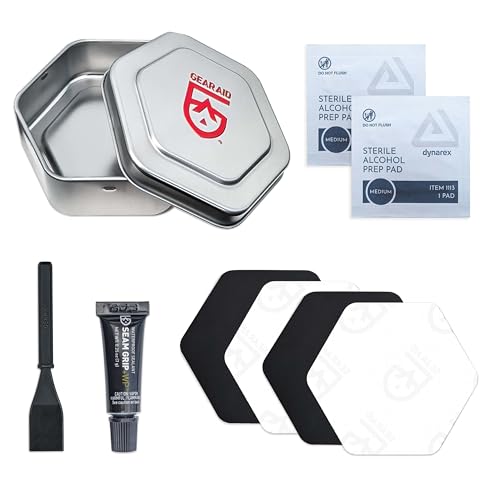
GEAR AID Seam Grip WP Camp & Trail Repair Kit – Waterproof 0.25 oz Sealant with Four Tenacious Tape Hex Patches (2.5", Black and Clear) for Fixing Holes, Seams on Tents, Sleeping Pads and Outdoor Gear
Durable Repairs – Includes Seam Grip WP (0.25 oz) sealant and four 2.5” Tenacious Tape Hex Patches (two…
As an affiliate, we earn on qualifying purchases.
As an affiliate, we earn on qualifying purchases.