
Better home systems lower daily friction by automating routine tasks and offering remote control, so you don’t have to worry about locking doors or managing appliances manually. With smart security, you get instant alerts and real-time surveillance, boosting safety and peace of mind. Energy-efficient automation reduces waste and costs, while leak detection prevents water damage. These features make your home more responsive and easier to manage, helping you stay stress-free—there’s more to discover on how these systems truly improve your everyday life.
Key Takeaways
- Smart security systems reduce manual checks by providing remote monitoring and instant alerts.
- Automated appliances streamline daily routines, minimizing time and effort spent on household tasks.
- Integrated water sensors detect leaks early, preventing water damage and related disruptions.
- Home automation optimizes energy use, reducing waste and lowering utility bills.
- Enhanced safety features increase confidence and reduce stress in managing household security.
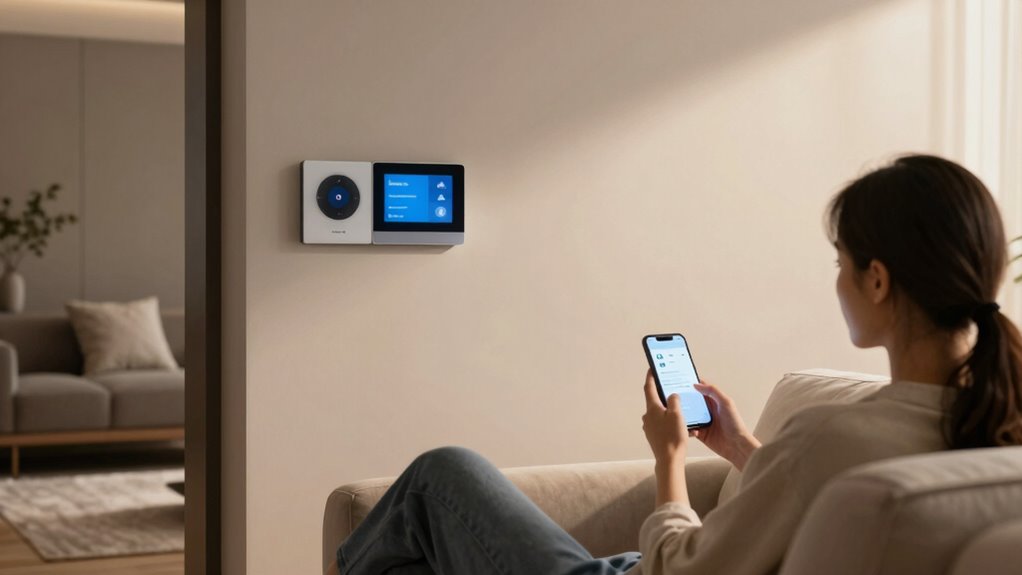
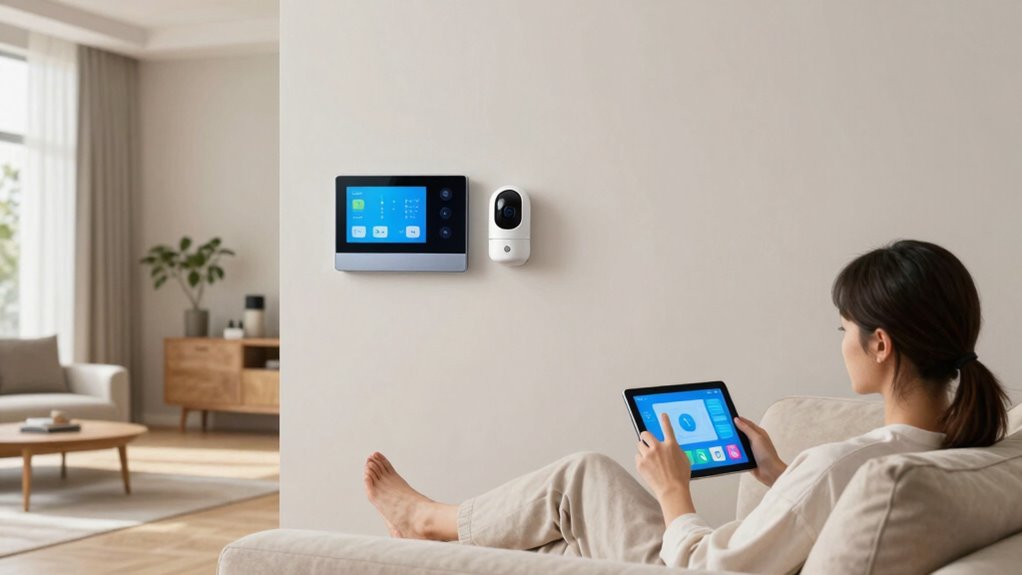
Are you looking for smarter ways to improve your home? Upgrading to better home systems can significantly reduce the daily friction you experience, making life more convenient and stress-free. One way to achieve this is through smart security systems. With smart security, you can monitor your home remotely, receive instant alerts, and control locks and cameras from your phone. This means you no longer need to worry about whether you locked the door or forgot to turn off an appliance. Instead, you get peace of mind knowing that everything is under your control, no matter where you are. Smart security also enhances safety by providing real-time surveillance and alerts for unusual activity, reducing the hassle of manual checks and giving you confidence that your home is protected around the clock. Implementing smart home appliances can further streamline your daily routines and reduce manual tasks, contributing to a more seamless living experience. Incorporating security monitoring can help prevent potential issues before they become major concerns, ensuring a safer environment for you and your loved ones. Additionally, integrating water systems can help detect leaks early and avoid costly water damage, especially when combined with smart sensors that can alert you immediately to any irregularities. Using home automation can also improve energy efficiency and simplify routine tasks, making your home truly smarter.
smart home security system with remote monitoring
As an affiliate, we earn on qualifying purchases.
As an affiliate, we earn on qualifying purchases.
Frequently Asked Questions
How Do Better Home Systems Improve Energy Efficiency Long-Term?
Better home systems improve energy efficiency long-term by optimizing energy conservation through smart technology. You’ll notice cost savings as these systems automatically adjust heating, cooling, and lighting based on your usage patterns, reducing waste. By continuously monitoring and managing energy consumption, they help you cut expenses and lower your environmental footprint. Over time, these improvements lead to significant savings and a more sustainable, efficient home environment.
Are Better Home Systems Compatible With Existing Smart Home Devices?
Yes, better home systems are designed for device integration, making them compatible with most existing smart home devices. They often feature universal standards or open platforms, reducing compatibility issues. However, some older devices might still face integration challenges. To guarantee seamless operation, you should verify compatibility beforehand and consider updates or adapters if needed. This way, you can enjoy a unified, hassle-free smart home experience.
What Is the Typical Installation Timeframe for Better Home Systems?
Ever wonder how long it takes to get your smart home running smoothly? Typically, the installation timeline for Better Home Systems spans from a few hours to a full day, depending on your setup’s complexity. The setup process is streamlined, often involving professional technicians who efficiently install and configure your devices. This quick turnaround minimizes disruptions and gets you enjoying a more connected, frictionless home environment in no time.
How Do Better Home Systems Adapt to Changing Household Needs?
Better home systems adapt to your changing household needs by allowing you to customize automated lighting and climate control settings easily. You can adjust schedules or preferences remotely via apps, ensuring comfort and efficiency. As your needs evolve—like new family members or altered routines—the systems update seamlessly, providing continuous convenience. This flexibility reduces daily friction, making your home smarter and more responsive to your lifestyle changes.
What Maintenance Is Required for Optimal Performance of Better Home Systems?
Think of your home system as the heart of your house, requiring regular checkups to keep it beating smoothly. You need to perform routine inspections and system calibration to guarantee peak performance. These simple tasks help identify issues early, prevent breakdowns, and keep everything running seamlessly. By tending to your system regularly, you maintain harmony and efficiency, making daily life easier and more comfortable for you and your family.
Conclusion
Imagine a home where everything just works seamlessly, reducing daily stress and saving you time. The truth is, smarter systems aren’t just about convenience—they can actually lower friction in your daily routines. By investing in better home technology, you’re not just upgrading your space, you’re simplifying your life. So, why settle for the chaos of old systems when innovation promises a smoother, more efficient home experience? The evidence suggests it’s worth making the switch.