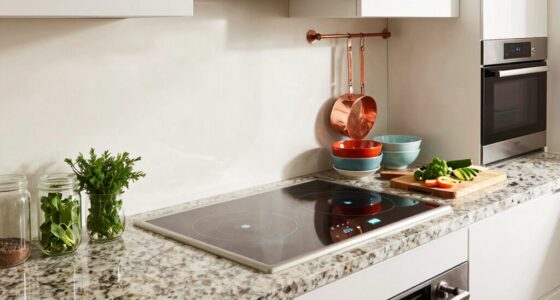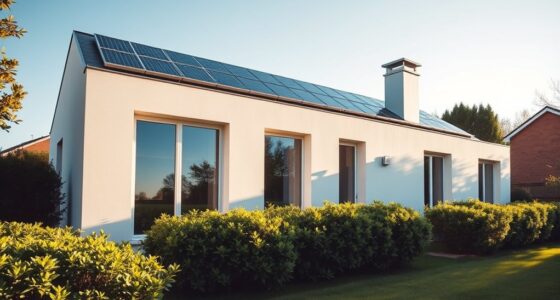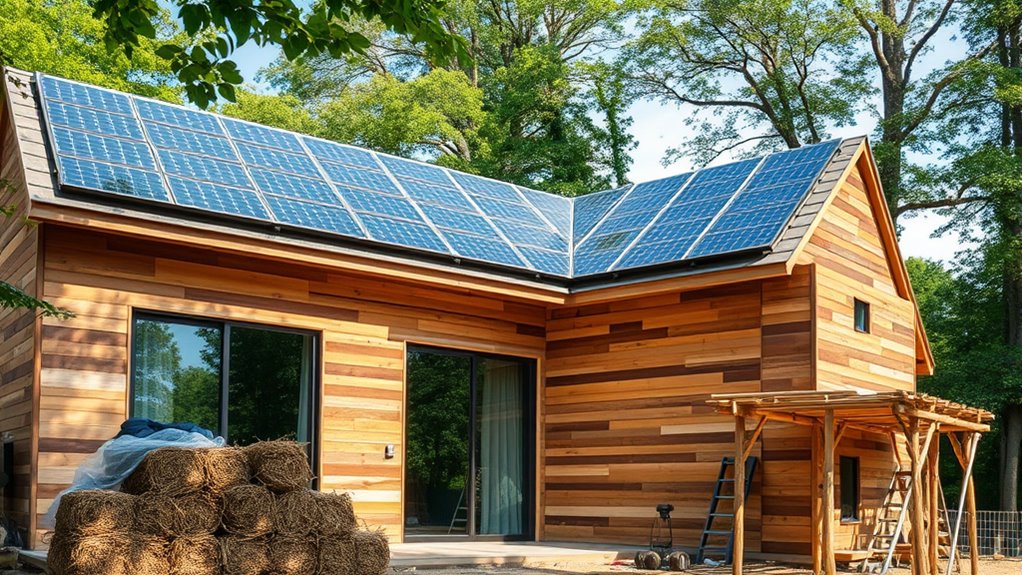

Choosing sustainable building materials allows you to reduce environmental impacts while creating durable, eco-friendly structures. Recycled plastics can be repurposed into insulation, piping, or decking, helping divert waste from landfills and lower demand for new resources. Hemp-based products like hempcrete offer natural insulation and lower carbon footprints. By integrating these innovative materials and techniques, you support green construction practices. To discover more about eco-friendly options that build smarter and greener, keep exploring the possibilities.
Key Takeaways
- Recycled plastics can be transformed into durable insulation, piping, and decking, reducing landfill waste and resource use.
- Hemp-based materials like hempcrete and fiberboards provide eco-friendly, breathable, and fire-resistant building options.
- Innovative construction techniques optimize material efficiency and promote the use of sustainable, versatile building products.
- The growing adoption of recycled plastics and hemp products supports waste reduction and lowers carbon emissions in construction.
- Utilizing eco-friendly materials helps minimize reliance on non-renewable resources and enhances building resilience and longevity.
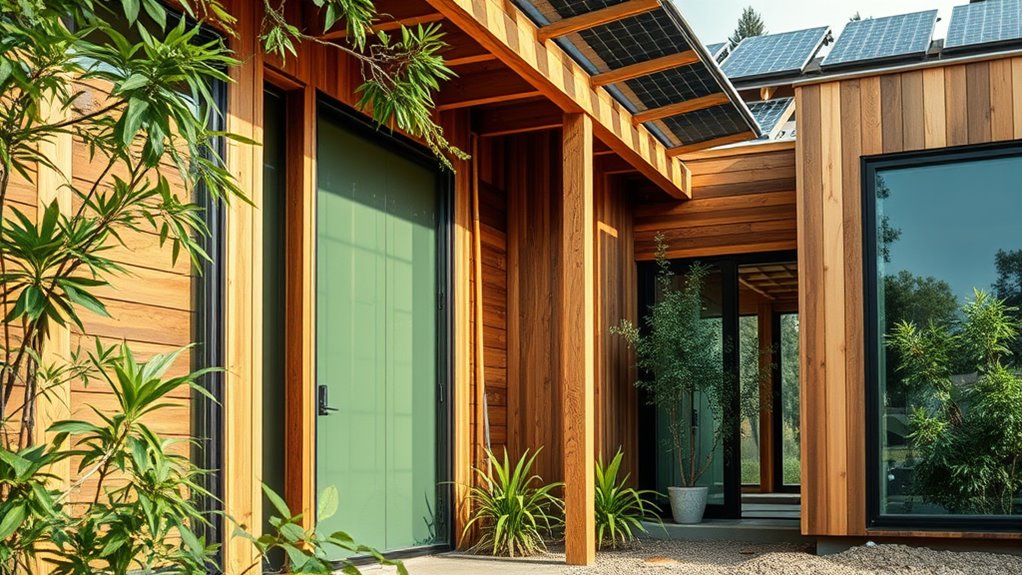
Have you ever wondered how buildings can be both durable and eco-friendly? The secret lies in choosing sustainable building materials that reduce environmental impact while providing strength and longevity. Today, options like recycled plastics and hemp-based products are transforming construction practices, offering innovative ways to build greener. Recycled plastics are gaining popularity because they divert waste from landfills and lower the demand for virgin plastic production. These materials can be repurposed into insulation, piping, decking, and even structural components. Their durability makes them suitable for long-term use, while their recycled nature minimizes resource extraction. When you opt for recycled plastics, you’re not only making a sustainable choice but also supporting a circular economy that values reuse and waste reduction. Hemp-based products are another promising solution. Hemp grows quickly, requires minimal water, and absorbs CO2 during its growth, making it a highly renewable resource. You’ll find hemp used in a variety of building materials, such as hempcrete—a lightweight, insulating material that’s breathable and fire-resistant—or hemp fiberboards, which serve as durable, eco-friendly alternatives to traditional wood panels. Hemp-based products are naturally pest-resistant and biodegradable, which adds to their appeal as sustainable options. Incorporating these materials into your building project can markedly lower the environmental footprint by reducing reliance on non-renewable resources and minimizing toxic emissions. Additionally, personal goal tracking can help project teams stay motivated and organized when adopting new sustainable materials. Using innovative building techniques that optimize material efficiency can further enhance the environmental benefits of your project. This approach encourages the adoption of eco-friendly construction practices, which are essential for sustainable development. As you consider sustainable options, it’s important to recognize that these materials are also versatile and adaptable. Recycled plastics can be molded into many forms, suitable for structural or decorative purposes, while hemp-based products can be integrated into insulation, wall panels, or flooring. Their availability continues to grow, driven by increasing environmental awareness and technological advancements. Implementing advanced manufacturing processes can further improve the quality and sustainability of these materials. Choosing these eco-friendly materials not only benefits the planet but also enhances the resilience and efficiency of your building. By prioritizing recycled plastics and hemp-based products, you’re making a conscious decision to reduce waste, lower carbon emissions, and promote sustainable development. It’s a smart move for anyone committed to creating spaces that are both durable and environmentally responsible. As the construction industry evolves, these materials will likely become standard options, helping you to build smarter, greener, and more sustainable structures for the future.

Ethical Mattress CO 10" Toxin-Free Hybrid Mattress, Made in the USA with Organic Cotton, Wool, Latex & Pocketed Coils (No Fiberglass or Polyfoams) Comfortable & Supportive Bed-in-Box - King Size
TOXIN-FREE – this mattress contains no petrochemical polyfoams, no fiberglass, no toxic flame retardants, and as of January...
As an affiliate, we earn on qualifying purchases.
Frequently Asked Questions
How Do Eco-Friendly Materials Compare in Cost to Traditional Options?
You might wonder about the cost comparison between eco-friendly materials and traditional options. Generally, eco-friendly materials can be more expensive initially, but their durability and energy savings often offset the higher upfront costs. Material availability varies, impacting prices—some sustainable options are readily accessible, while others may be limited or pricier. Ultimately, considering long-term benefits, eco-friendly choices can be cost-effective and environmentally responsible investments.
What Are the Long-Term Durability Differences Between Sustainable and Conventional Materials?
Imagine building a bridge that stands resilient through storms and time. Sustainable materials often have a longer material lifespan, reducing the need for frequent repairs. You’ll find they typically require less maintenance, much like a well-anchored ship weathering rough seas. While traditional options might seem cheaper upfront, eco-friendly choices often prove more durable over the long haul, ensuring your structure endures, saving you money and effort in the future.
Are There Specific Certifications That Validate Eco-Friendly Building Materials?
You should know that several certifications validate eco-friendly building materials through green building standards and certification processes. Certifications like LEED, BREEAM, and WELL assess a material’s environmental impact, durability, and health benefits. These standards guarantee that your construction choices meet rigorous sustainability criteria. By choosing certified materials, you demonstrate a commitment to eco-conscious building practices, helping you achieve environmental goals while ensuring quality and sustainability in your project.
How Do Sustainable Materials Influence the Overall Energy Efficiency of a Building?
You see, sustainable materials can substantially boost your building’s energy efficiency by enhancing thermal insulation and promoting passive solar strategies. They help maintain consistent indoor temperatures, reducing the need for heating and cooling. By choosing eco-friendly options, you lower your energy consumption and carbon footprint. This approach not only saves you money but also makes your building more comfortable and environmentally responsible, aligning with green construction goals.
What Are the Challenges in Sourcing and Implementing Eco-Friendly Construction Materials?
You face challenges sourcing eco-friendly construction materials due to supply chain complexities and limited material availability. These issues can delay projects and increase costs, making it tough to implement sustainable options consistently. You might struggle to find reliable suppliers or face higher prices for eco-friendly materials. Overcoming these hurdles requires planning ahead, building strong supplier relationships, and staying flexible to adapt to fluctuating availability.
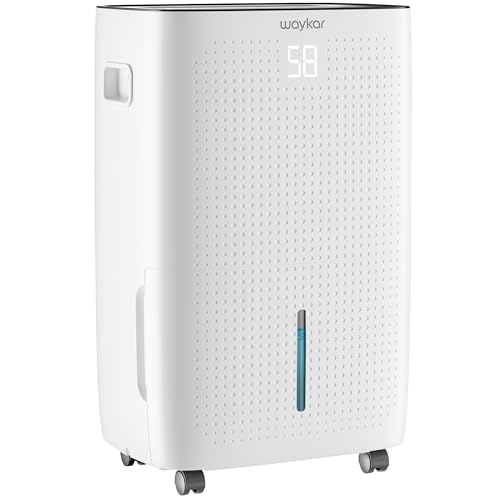
Waykar 150 Pint 7,000 Sq.Ft Dehumidifier with Pump for Basement & Home, Large Room, Smart Compressor Dehumidifier with Drain Hose & Tank for Commercial, 30–80% RH Control, 90° Auto Swing, Auto Defrost
【150 Pint High Capacity for Up to 7,000 Sq.Ft Spaces】Removes up to 150 pints of moisture per day...
As an affiliate, we earn on qualifying purchases.
Conclusion
By choosing eco-friendly building materials, you’re not only reducing your environmental impact but also creating healthier, more sustainable spaces. Every sustainable decision you make contributes to a greener future for generations to come. Isn’t it worth investing in materials that protect our planet while enhancing your projects? Embrace these eco-friendly choices and build more responsibly—because the future depends on the actions you take today. Together, we can make a lasting difference.

158 Pints Commercial Dehumidifier for Basements, Industrial Heavy Duty Commercial-grade Portable Dehumidifiers for Large Spaces Warehouse Grow Room, Water Damage Restoration
[158pint High-efficiency Dehumidification ] BLUEDEEP commercial dehumidifier can removal 158PPD at saturation, 74 pints per day at AHAM,...
As an affiliate, we earn on qualifying purchases.
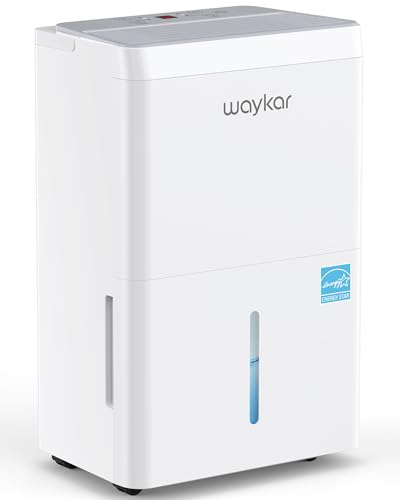
Waykar 150 Pint Energy Star Dehumidifier for Large Rooms up to 7,000 Sq. Ft. for Home, Basement, Commercial, Industrial, with Drain Hose & Tank, Auto Defrost, Ultra Quiet, Smart Auto Comfort Mode
【Waykar 150 Pinst for Spaces up to 7,000 Sq. Ft】Effectively extracts up to 150 pints of humidity per...
As an affiliate, we earn on qualifying purchases.