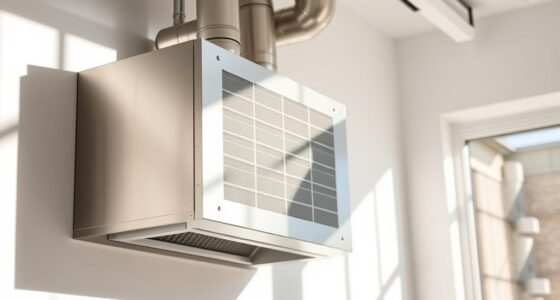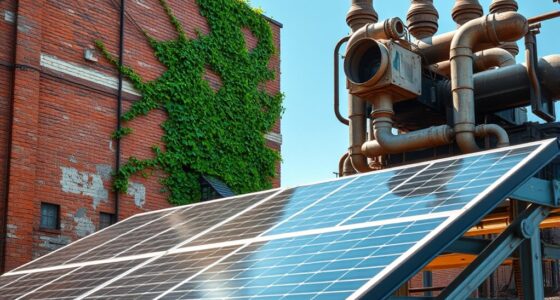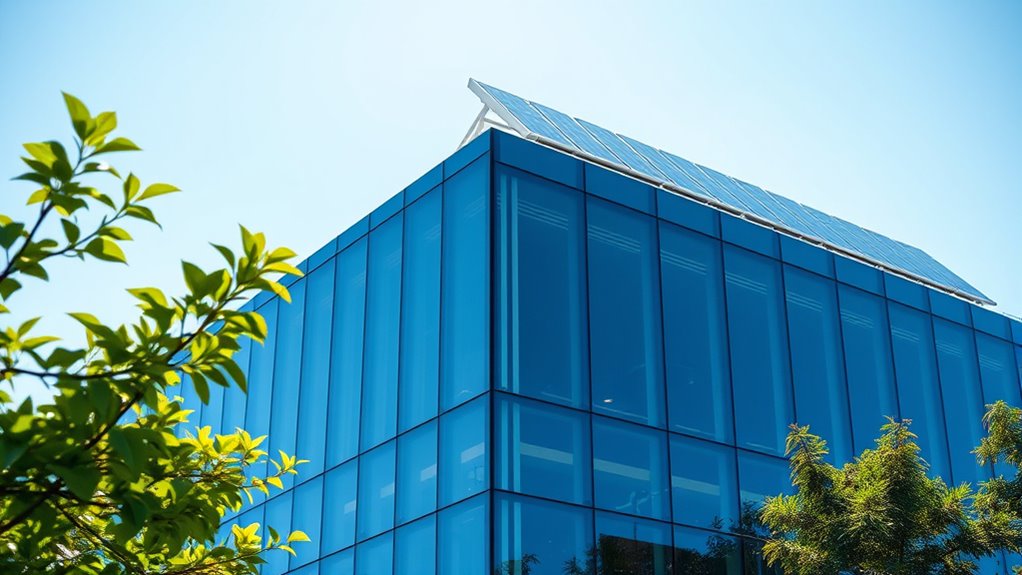

Net-zero energy buildings are truly impressive, combining advanced automation with renewable energy sources like solar and wind to create highly efficient, eco-friendly spaces. They carefully monitor and adjust energy use in real-time, storing or feeding excess power back into the grid. While complex to develop, the long-term savings and environmental benefits make them worth the effort. Keep exploring to discover how these innovative systems are shaping a sustainable future for everyone.
Key Takeaways
- Net-zero energy buildings balance energy production and consumption through renewable sources and advanced automation.
- They offer long-term cost savings and significantly reduce environmental impact.
- Achieving net-zero requires careful planning, high-quality components, and integrated control systems.
- While complex to implement, they demonstrate scalable, sustainable architecture models.
- Their effectiveness depends on seamless renewable integration, energy management, and building automation.

Have you ever wondered how buildings can operate entirely on renewable energy without increasing their carbon footprint? It’s a fascinating feat made possible through advanced concepts like renewable integration and building automation. These innovations allow structures to produce as much energy as they consume, creating a balanced, sustainable environment. Achieving net-zero energy status isn’t just about installing solar panels or wind turbines; it’s about seamlessly integrating these renewable sources into the building’s overall system. When done right, renewable integration ensures that energy generated on-site or nearby is efficiently used, stored, and managed without wastage. This process relies heavily on building automation, which acts as the brain of the structure’s energy management system.
Renewable integration and building automation enable net-zero energy buildings to operate sustainably and efficiently.
Building automation plays a vital role in optimizing energy consumption. It continuously monitors factors like lighting, temperature, occupancy, and equipment use, adjusting operations in real-time to maximize efficiency. For example, if a conference room is unoccupied, the system automatically dims lights, lowers heating or cooling, and reduces ventilation, saving energy without sacrificing comfort. Automation also coordinates renewable energy sources with energy storage systems, such as batteries, to guarantee a steady supply even when the sun isn’t shining or the wind isn’t blowing. This intelligent control reduces reliance on external energy sources and minimizes carbon emissions.
The integration of renewable energy into buildings isn’t just about technology; it’s about creating a smart ecosystem that responds to demand dynamically. As you walk through a net-zero building, you might notice how systems work harmoniously—solar panels capturing sunlight, batteries storing excess power, and sensors adjusting indoor conditions—all orchestrated by sophisticated automation. This synergy ensures the building’s energy needs are met sustainably, with surplus energy fed back into the grid or stored for later use.
While the concept sounds straightforward, implementing effective renewable integration and building automation can be complex. It requires careful planning, high-quality components, and a robust control system. Yet, when executed properly, it results in substantial long-term savings, reduced environmental impact, and a model for future sustainable architecture. These buildings showcase that renewable energy isn’t just a trend but a practical, scalable solution for reducing our carbon footprint. By harnessing automation and integrating renewable sources seamlessly, you can turn a building into a self-sufficient, eco-friendly space that demonstrates how sustainability and innovation go hand in hand. Additionally, advances in home automation technology are making these systems more accessible and easier to manage for building owners and operators.
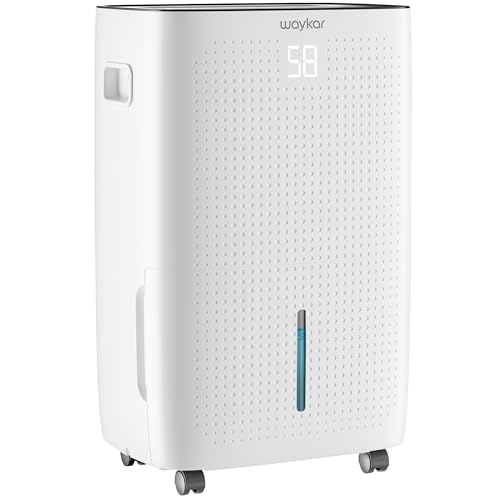
Waykar 150 Pint 7,000 Sq.Ft Dehumidifier with Pump for Basement & Home, Large Room, Smart Compressor Dehumidifier with Drain Hose & Tank for Commercial, 30–80% RH Control, 90° Auto Swing, Auto Defrost
【150 Pint High Capacity for Up to 7,000 Sq.Ft Spaces】Removes up to 150 pints of moisture per day...
As an affiliate, we earn on qualifying purchases.
Frequently Asked Questions
What Are the Economic Benefits of Net-Zero Energy Buildings?
The economic benefits of net-zero energy buildings include significant cost savings on energy bills because you generate as much energy as you use. This leads to a faster investment return, making your property more valuable over time. Additionally, these buildings often qualify for tax incentives and rebates, further boosting your savings. Overall, investing in a net-zero energy building can provide long-term financial advantages while helping you reduce your environmental impact.
How Do Net-Zero Buildings Perform in Different Climate Zones?
You’ll be amazed at how net-zero buildings outperform in various climate zones, showcasing remarkable climate adaptability. In colder regions, they maximize insulation and smart energy use, while in hot zones, they excel with efficient cooling and solar strategies. Regional energy strategies are key, tailoring designs to local conditions. This flexibility makes net-zero buildings truly versatile, proving they can thrive almost anywhere and revolutionize sustainable construction worldwide.
What Are the Common Challenges in Retrofitting Existing Buildings?
Retrofitting existing buildings presents several common challenges. You’ll face retrofitting obstacles like outdated systems and materials that complicate updates. Structural limitations can restrict your options for adding new insulation, windows, or solar panels. Additionally, you might encounter high costs and disruptions during renovation. Overcoming these hurdles requires careful planning, innovative solutions, and sometimes compromises to balance energy efficiency with the building’s original design.
How Sustainable Are the Materials Used in Net-Zero Constructions?
Think of materials as the building’s DNA—crucial for sustainability. You’ll find that sourcing eco-friendly materials often involves careful life cycle analysis to assess environmental impacts from start to finish. While many materials used in net-zero constructions are designed to be renewable and low-impact, their sustainability varies. You need to scrutinize suppliers and lifecycle data to verify these materials truly support a greener future.
What Is the Expected Lifespan of Net-Zero Energy Systems?
You might wonder about the lifespan of net-zero energy systems. With proper system maintenance, these systems can last 25 to 30 years or more, depending on components and usage. Policy incentives often support upgrades and repairs, extending their longevity. Regular maintenance ensures peak performance and efficiency, helping your system stay reliable over time. Staying updated on policies can also provide financial benefits, making your net-zero system a long-term investment.
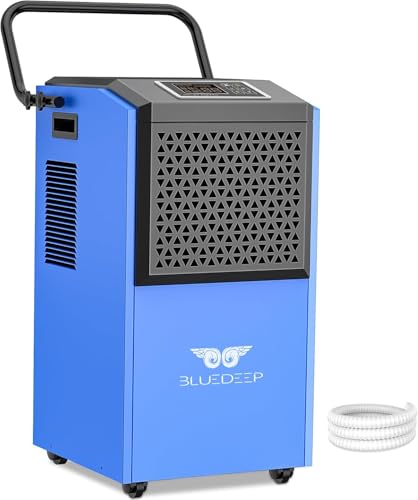
158 Pints Commercial Dehumidifier for Basements, Industrial Heavy Duty Commercial-grade Portable Dehumidifiers for Large Spaces Warehouse Grow Room, Water Damage Restoration
[158pint High-efficiency Dehumidification ] BLUEDEEP commercial dehumidifier can removal 158PPD at saturation, 74 pints per day at AHAM,...
As an affiliate, we earn on qualifying purchases.
Conclusion
So, while net-zero energy buildings may seem like shining stars in the quest for sustainability, they’re not a magic wand that solves all our energy woes. Think of them as a delicate garden—you need to nurture and balance every element to truly thrive. They’re powerful tools, but not foolproof. With careful planning and continuous effort, they can help us build a greener future. Just remember, every great journey begins with a single, mindful step.
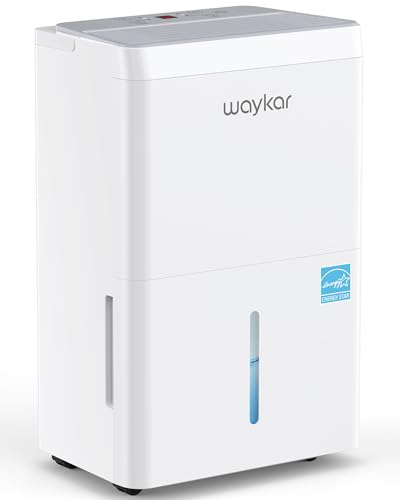
Waykar 150 Pint Energy Star Dehumidifier for Large Rooms up to 7,000 Sq. Ft. for Home, Basement, Commercial, Industrial, with Drain Hose & Tank, Auto Defrost, Ultra Quiet, Smart Auto Comfort Mode
【Waykar 150 Pinst for Spaces up to 7,000 Sq. Ft】Effectively extracts up to 150 pints of humidity per...
As an affiliate, we earn on qualifying purchases.

Waykar 150 Pint 2025 Energy Star Dehumidifier with Pump for Large Rooms up to 7,000 Sq. Ft. for Home, Basement, Commercial, Industrial, with Drain Hose & Tank, Auto Defrost, Smart Auto Comfort Mode
【Waykar 150 Pinst for Spaces up to 7,000 Sq. Ft】Effectively extracts up to 150 pints of humidity per...
As an affiliate, we earn on qualifying purchases.