
Heat pump water heaters work best in moderate climates with steady outdoor temperatures above freezing. They rely on drawing heat from the air, so cold regions, especially during winter, reduce their efficiency and increase energy use. Proper outdoor placement and ventilation are key to ideal performance. In colder areas, you might need additional heating options or climate-controlled enclosures. For more insights on where these systems excel or fall short, keep exploring the details below.
Key Takeaways
- Heat pump water heaters perform best in moderate outdoor temperatures above freezing, ensuring efficient heat transfer.
- Cold climates can reduce efficiency, requiring additional heating features or specialized installation to maintain performance.
- Adequate outdoor space with proper ventilation and airflow is essential for optimal operation.
- Limited outdoor air circulation or shaded, enclosed areas can hinder heat exchange and decrease efficiency.
- Proper installation in suitable environments minimizes energy use and enhances the system’s effectiveness.

Heat pump water heaters are an energy-efficient alternative to traditional tank water heaters, using electricity to move heat rather than generate it directly. This method makes them a smart choice for reducing energy bills and environmental impact, but their effectiveness depends heavily on where and how you install them. Geographic limitations can markedly affect their performance. These systems work best in moderate climates where outdoor temperatures stay above freezing most of the year. If you live in colder regions, the heat pump’s ability to extract heat from the air diminishes, which can lead to reduced efficiency and longer recovery times. In such environments, you might notice your heater struggling to meet household demand during winter months, leading to higher energy consumption or the need for supplemental heating sources.
Installation challenges also play a vital role in determining whether a heat pump water heater is suitable for your home. Unlike traditional water heaters, which are straightforward to install in confined spaces, heat pump units require a specific setup to operate effectively. They need adequate space around the unit for proper airflow; placing the heater in a cramped or poorly ventilated area can hinder its performance and increase energy use. Additionally, these units often come with more complex installation requirements, such as ensuring proper electrical connections and sometimes modifying existing plumbing systems. This complexity can lead to higher upfront costs and might necessitate professional installation, especially if the location isn’t ideal.
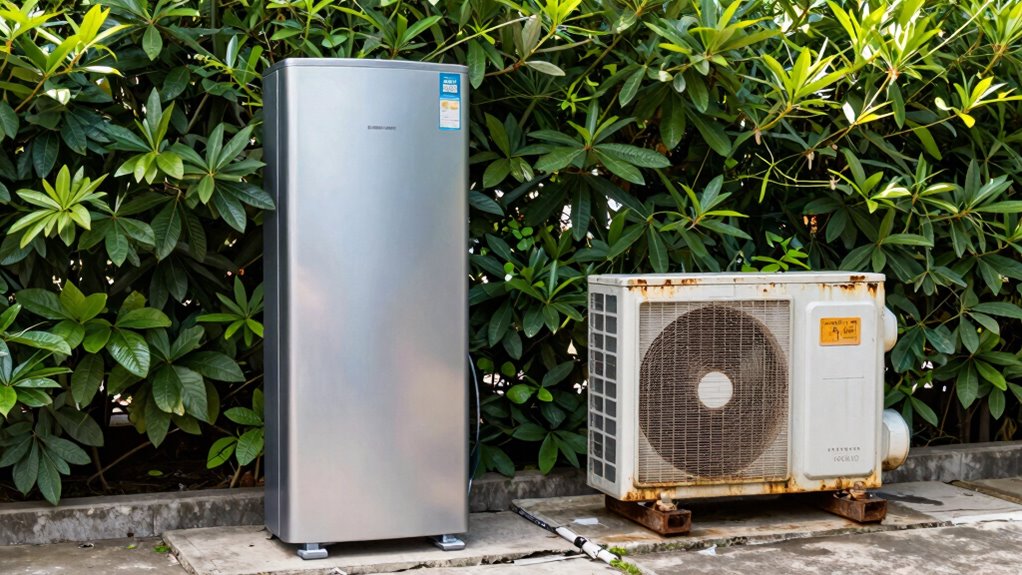
Another installation challenge involves the proximity to outdoor air. Since many heat pump water heaters are designed to draw heat from the outside, installing them in enclosed or shaded areas can limit airflow and reduce efficiency. If your home’s outdoor space isn’t suitable—say, if it’s windy, shaded, or cluttered—you may face difficulties ensuring the unit functions as intended. Moreover, in regions with extreme cold weather, the system might require additional features such as an auxiliary heating element or a climate-controlled enclosure to compensate for low outdoor temperatures. Proper location selection is crucial to maximize performance and efficiency of these systems.
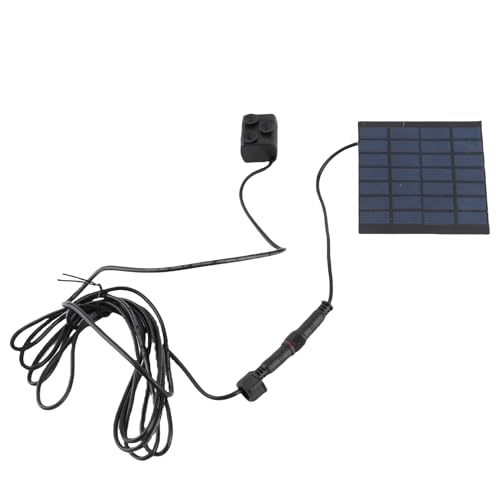
Dioche Solar Fountain Heater Mini Solar Fountain Pump Panel Kit – for Garden, Bird Bath, and Pond Decoration – 30-60cm Water Height – Easy Installation
solar fountain heater solar fountain heater solar pump Outstanding Energy Efficiency: Our Solar Fountain Pump Kit operates entirely…
As an affiliate, we earn on qualifying purchases.
As an affiliate, we earn on qualifying purchases.
Frequently Asked Questions
How Long Do Heat Pump Water Heaters Typically Last?
You can expect heat pump water heaters to last around 10 to 15 years with proper maintenance. Their longevity expectations depend on usage and climate, but they generally offer good durability. When it’s time for replacement, you’ll face moderate costs compared to traditional systems. Regularly servicing your unit helps extend its lifespan, saving you money on potential replacement costs and ensuring efficient performance throughout its years of service.
Are Heat Pump Water Heaters Noisy During Operation?
Heat pump water heaters can be surprisingly noisy, almost like a small airplane taking off. Their noise levels vary depending on the model and installation, but good sound insulation can make a huge difference. If you place yours in a well-ventilated, insulated area, the noise becomes less noticeable. However, in quiet spaces, the operational hum might be more evident, so consider soundproofing options for a peaceful environment.
Can Heat Pump Water Heaters Be Installed Outdoors?
Yes, you can install heat pump water heaters outdoors, but you need to take into account environmental factors. Outdoor installation is possible if you guarantee proper insulation and protection from extreme weather conditions. Think about environmental considerations like temperature fluctuations and moisture, which can affect performance and longevity. Make sure the unit is rated for outdoor use and install it in a sheltered spot to maximize efficiency and prevent damage.
Do Heat Pump Water Heaters Qualify for Government Rebates?
Yes, heat pump water heaters often qualify for government rebates, but eligibility criteria vary. You should check your local or federal programs to see if your unit meets specific requirements, such as efficiency standards or installation location. By doing so, you can take advantage of rebates that help offset costs, making your upgrade more affordable. Always review the program details to verify your heat pump water heater qualifies.
How Much Maintenance Is Required for Heat Pump Water Heaters?
Think of your heat pump water heater like a car—you need regular check-ups. You’ll want to schedule maintenance every 1-2 years, depending on usage. Troubleshooting tips include cleaning filters, inspecting the air intake, and ensuring proper airflow. Usually, minor upkeep keeps it running efficiently, but if you notice strange noises or reduced hot water, it’s time for a professional look. Regular care keeps your heater running smoothly.
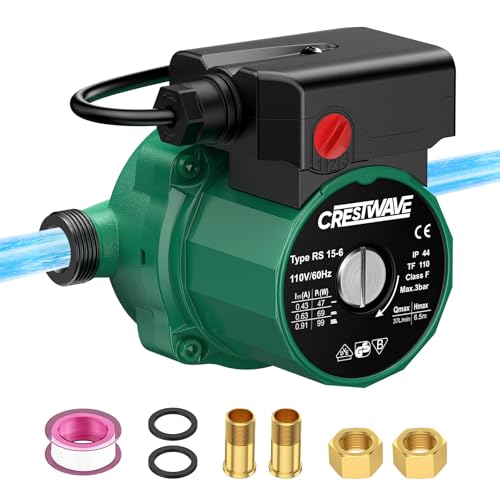
CrestWave Hot Water Recirculating Pump, 93W 110V Water Circulation Pump for Water Heater, 3-Speed-Control Durable Hot Water Pump for Domestic Electric Water Heater System
Built for top-notch efficiency and convenience: CrestWave Hot Water Recirculating Pump is constructed with premium materials, including a…
As an affiliate, we earn on qualifying purchases.
As an affiliate, we earn on qualifying purchases.
Conclusion
Heat pump water heaters are like clever chameleons, shining brightly in some environments while struggling in others. When the conditions are just right, they sip heat from the air like a gentle breeze, providing warm water with grace and efficiency. But in colder settings, they stumble like a leaf in winter winds. Knowing where they thrive helps you harness their potential, turning your home into a cozy oasis where energy savings bloom like spring flowers.
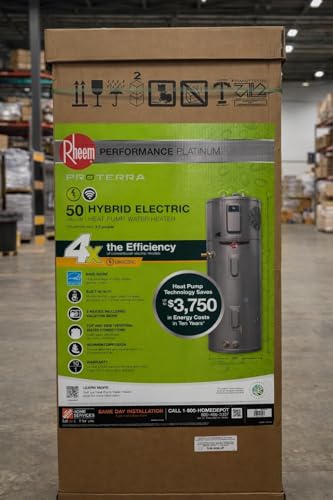
Rheem 50 Gal. Smart High Efficiency Hybrid Heat Pump Water Heater with 10-Year Warranty
It must be wired into your home’s electrical system and will typically require a dedicated electrical circuit (similar…
As an affiliate, we earn on qualifying purchases.
As an affiliate, we earn on qualifying purchases.
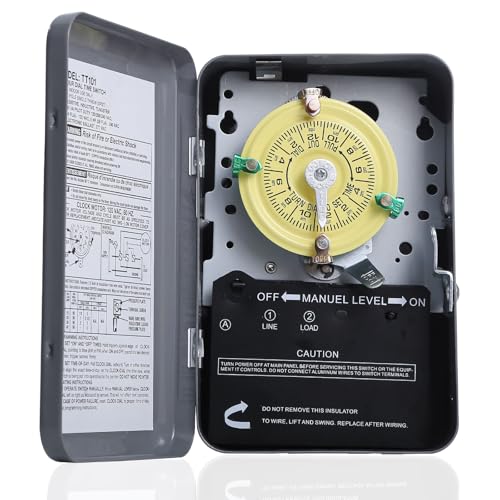
T101 Mechanical Timer Switch 24-Hour Heavy Duty 120V 40A SPST, Metal Enclosure with Manual Override & Trippers, 12 ON/Off Cycles – for Pool Pumps, Lights, Water Heaters, Fans, HVAC Systems
40A Heavy-Duty Control for Demanding Loads:The T101 timer safely powers up to 40A inductive or 2 HP motor…
As an affiliate, we earn on qualifying purchases.
As an affiliate, we earn on qualifying purchases.