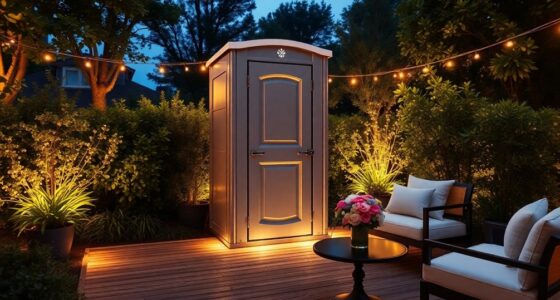
Cradle to Cradle certification measures how environmentally responsible a product is, focusing on creating positive impacts rather than just reducing harm. It emphasizes sustainable design, safe materials, and supporting a circular economy where materials can be endlessly reused or regenerated. The certification encourages you to think about the entire product lifecycle—from sourcing raw materials to disposal—ensuring health, safety, and ecological benefits. If you continue exploring, you’ll discover how this approach helps designs contribute to a healthier planet.
Key Takeaways
- Cradle to Cradle Certification verifies products are environmentally responsible and beneficial throughout their entire lifecycle.
- It emphasizes sustainable design, focusing on creating positive environmental impacts rather than just reducing harm.
- The certification assesses material health, ensuring safe, non-toxic, and recyclable or biodegradable materials are used.
- It involves thorough safety verification and collaboration with suppliers committed to sustainable practices.
- The goal is to support a circular economy by designing products that are endlessly reusable and contribute to planetary health.

Ever wondered how products can be truly sustainable from start to finish? The secret lies in understanding the principles of Cradle to Cradle certification, which emphasizes creating products that are both environmentally responsible and beneficial. At the heart of this approach is sustainable design, where every aspect of a product’s development considers its entire lifecycle. Instead of focusing solely on reducing harm, sustainable design aims to generate positive impacts, fostering a circular economy where materials can be reused endlessly. When you prioritize sustainable design, you’re ensuring that your products aren’t just less bad but actively contribute to a healthier planet.
A key component of this process is material health. This means selecting materials that are safe for human and environmental health throughout their lifecycle. It’s about moving away from toxic substances and embracing those that are non-harmful, biodegradable, or recyclable. When a product is designed with material health in mind, it reduces potential health risks for workers, consumers, and ecosystems. For instance, choosing natural fibers or non-toxic finishes helps prevent harmful chemicals from leaching into the environment or affecting people’s well-being. Material health becomes a foundational element in achieving Cradle to Cradle certification because it ensures that products don’t just meet minimal safety standards but actively promote health and safety at every stage.
In practice, this means thoroughly evaluating every material used and verifying that they meet strict safety criteria. It involves collaborating with suppliers who adhere to sustainable practices and prioritize non-toxic ingredients. This focus on material health also encourages innovation, as designers seek out new, safer materials that meet functional and aesthetic needs without compromising safety. Additionally, understanding production quantity variance can help companies optimize their processes to reduce waste and improve sustainability efforts. By integrating sustainable design principles with a focus on material health, you’re aligning your products with a holistic approach that values the planet, people, and future generations.
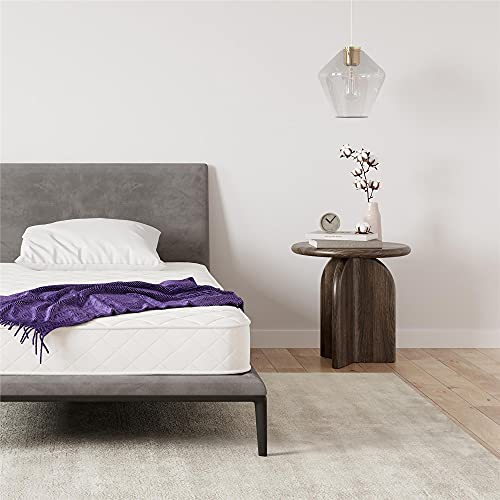
Signature Sleep 6” Coil Mattress made with CertiPUR-US® certified foam , Twin,White
General Note: Please allow 24 – 72 hours for your Mattress to regain its full shape. Any memory…
As an affiliate, we earn on qualifying purchases.
As an affiliate, we earn on qualifying purchases.
Frequently Asked Questions
How Does C2C Certification Impact Product Pricing?
C2C certification can increase your product cost because meeting its standards often requires sustainable materials and processes. However, it also boosts your product’s market value, attracting eco-conscious consumers willing to pay a premium. By investing in C2C, you differentiate your product, potentially increasing sales and brand loyalty. While initial costs rise, the long-term benefits can outweigh expenses through higher market positioning and consumer trust.
What Industries Most Commonly Pursue C2C Certification?
You’ll find that industries like furniture, fashion, and building materials most commonly pursue C2C certification. They aim to showcase their commitment to sustainable design and eco labeling practices. By obtaining this certification, they demonstrate their products meet high environmental and health standards, appealing to eco-conscious consumers. This pursuit often enhances brand reputation and encourages innovation, helping these industries stay competitive in a growing green market.
Are There Regional Differences in C2C Certification Standards?
Yes, there are regional variations and standard differences in C2C certification standards. You’ll find that different regions, like North America, Europe, and Asia, have unique requirements and emphasis areas. These differences reflect local regulations, market expectations, and environmental priorities. When pursuing certification, you should consider these regional variations to guarantee your product meets specific standards and successfully achieves certification in your target markets.
How Long Does the Certification Process Typically Take?
You might think the certification process takes ages, but typically, it spans around 6 to 12 months. The certification timeline varies depending on your product complexity and readiness, yet many find the process duration manageable with proper planning. To speed it up, guarantee all documentation is thorough and accurate. Staying proactive and organized helps you navigate the steps efficiently, making the journey toward certification smoother and quicker.
Can Small Businesses Achieve C2C Certification?
Yes, small businesses can achieve C2C certification, but they face unique certification challenges. You might find the process more demanding due to limited resources and expertise, but with careful planning and commitment, it’s doable. Focus on sustainable design, material transparency, and production practices. Overcoming certification challenges requires dedication, but earning C2C certification can boost your brand’s credibility and demonstrate your commitment to eco-friendly practices.

FEBU Gallon Compostable Food Storage Bags, 60 Count | Certified Home Compostable & Biodegradable | PFAS & BPA Free Zipper Bags | Leak-Proof & Resealable | 10.56” x 10.75”
NON-TOXIC FOOD STORAGE — Keep food fresh and your family safe with our bags made from plant-based and…
As an affiliate, we earn on qualifying purchases.
As an affiliate, we earn on qualifying purchases.
Conclusion
Now that you understand the basics of Cradle to Cradle Certification, you might think you’ve seen it all. But there’s more beneath the surface—innovations, breakthroughs, and game-changing standards waiting to be uncovered. Will your next project meet these rigorous criteria? The journey doesn’t end here. Stay curious, keep pushing boundaries, and discover what’s possible when sustainability truly becomes second nature. The future of responsible design is just around the corner—are you ready to be a part of it?
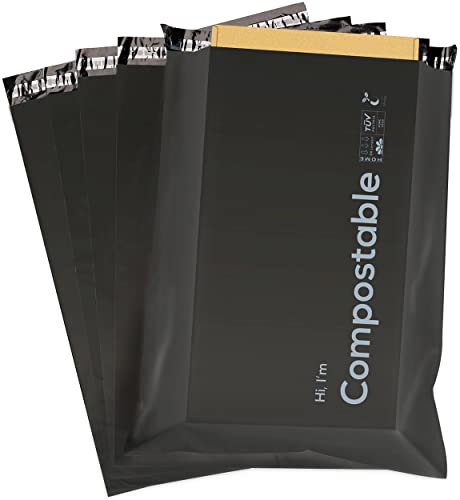
10×13 inch Biodegradable Shipping Bags,50 Count Compostable Poly Mailers with Eco Friendly Packaging Envelopes Supplies Mailing Bags
100% BIODEGRADABLE – Made of PBAT and modified corn starch in accordance with the standards of ASTM 6400,…
As an affiliate, we earn on qualifying purchases.
As an affiliate, we earn on qualifying purchases.

Organic Kapok Fiber – Natural – 5 Pounds
Eco-Friendly Stuffing, Grown in India
As an affiliate, we earn on qualifying purchases.
As an affiliate, we earn on qualifying purchases.