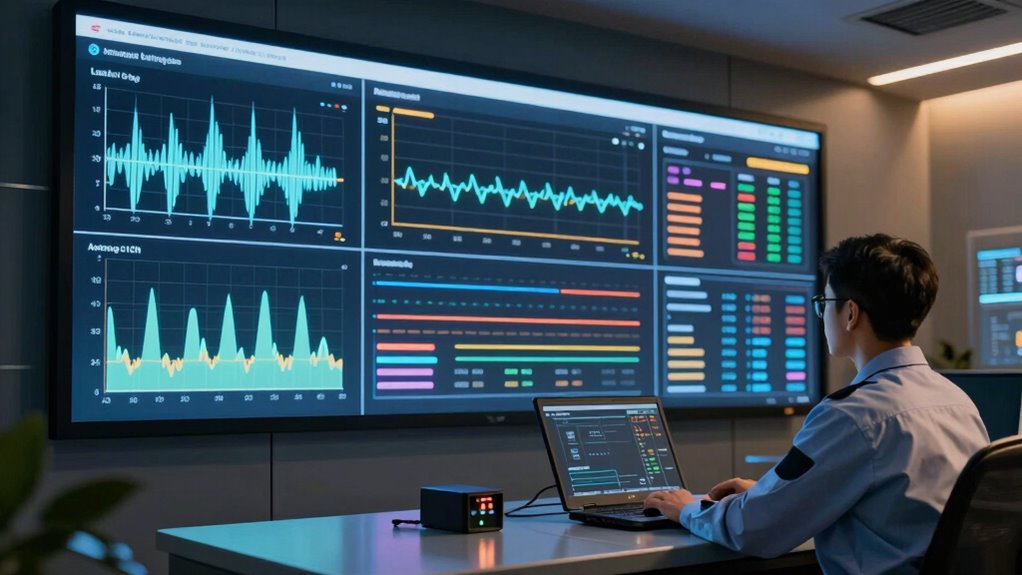

Load shifting is powerful because it helps you balance electricity use, preventing overloads on the grid and reducing costs. By moving your energy consumption from peak times to off-peak hours, you can save money and support renewable energy sources. It also improves grid stability, reducing risks of outages and the need for costly infrastructure upgrades. Keep exploring to discover how these strategies can make your energy use smarter and more sustainable.

Get garden gear delivered free — and shop member deals
- Fast, free delivery on millions of items
- Access to Prime Big Deal Days deals on October 6–7
- Prime Video, Amazon Music and more included
Key Takeaways
- Balances supply and demand, preventing grid overloads and enhancing stability.
- Facilitates higher renewable energy integration by smoothing out variability.
- Reduces energy costs by shifting consumption to off-peak, cheaper times.
- Decreases reliance on expensive, polluting peak power plants.
- Supports infrastructure longevity and resilience through demand management.

Have you ever wondered how energy demand is managed to prevent overloads and reduce costs? That’s where load shifting comes into play, acting as a powerful tool in modern energy management. By moving electricity use from peak periods to off-peak times, you can optimize the demand on the grid and avoid costly overloads. This process isn’t just about balancing supply and demand; it’s a strategic approach that enables more effective renewable integration. When you shift load, you’re helping to smooth out the fluctuations caused by variable renewable sources like wind and solar, making their contribution more predictable and reliable. This integration is essential because it allows for a higher percentage of clean energy to be utilized without destabilizing the grid, ultimately fostering a greener and more sustainable energy system.
Load shifting helps stabilize the grid and enhances renewable energy integration for a cleaner, more reliable future.
Load shifting also drives significant cost reduction. You reduce your energy expenses by taking advantage of lower rates during off-peak hours. This isn’t just beneficial for large industrial facilities; even residential users can see savings by scheduling high-energy tasks—like laundry, dishwashing, or charging electric vehicles—during cheaper, off-peak times. When many users adopt load shifting strategies, the overall demand during peak times drops, which decreases the need for expensive peaking power plants. These plants are often the most costly and polluting sources of electricity, so reducing their operation benefits both your wallet and the environment.
The beauty of load shifting lies in its ability to create a win-win situation for consumers, utilities, and the environment. For you, it means lower energy bills and more control over your consumption. For utility companies, it means a more stable grid with less stress during peak hours, reducing the risk of outages and the need for costly infrastructure upgrades. This stability encourages more investment in renewable energy sources, which tend to produce power intermittently. By coordinating demand through load shifting, you help smooth out these supply gaps, making renewable integration more seamless and efficient. Additionally, understanding the role of grid management can help you appreciate how load shifting contributes to overall energy stability and resilience. Developing smarter networking solutions can further enhance the effectiveness of load shifting by providing real-time data and better demand response capabilities. Incorporating demand response strategies can optimize energy use even further, ensuring that the grid remains balanced during fluctuations. Recognizing the importance of energy storage can also improve load shifting effectiveness by storing excess renewable energy for later use. Moreover, implementing these strategies fosters a more resilient energy infrastructure that can adapt to changing conditions and disruptions.
In essence, load shifting is a powerful strategy that maximizes the potential of renewable energy while simultaneously cutting costs. It promotes a more resilient, sustainable, and economical energy system. You become part of this movement by simply adjusting when you use electricity, helping to balance the grid and support cleaner, more affordable energy for everyone. This approach proves that small actions can lead to big changes in how we generate, use, and think about energy.
smart energy load shifting device
As an affiliate, we earn on qualifying purchases.
As an affiliate, we earn on qualifying purchases.
Frequently Asked Questions
How Does Load Shifting Impact Long-Term Energy Costs?
Load shifting substantially impacts your long-term energy costs by enabling better energy management and reducing peak demand charges. By shifting energy use to off-peak times, you cut down on costly electricity rates and avoid expensive penalties. This cost reduction helps you save money over time, making your energy expenses more predictable. In the long run, load shifting promotes efficient energy use, leading to sustained savings and a more resilient energy system for your needs.
Can Load Shifting Be Automated Effectively?
Yes, load shifting can be automated effectively. Studies show that automation potential in energy management reaches up to 70%, making it highly feasible. You’ll face implementation challenges like integrating new systems or ensuring compatibility with existing infrastructure, but these are manageable with proper planning. By automating load shifting, you can optimize energy use, reduce costs, and improve grid stability, all with minimal manual intervention.
What Are the Environmental Benefits of Load Shifting?
Load shifting benefits the environment by reducing reliance on fossil fuels, which lowers greenhouse gas emissions. By better integrating renewable energy sources, you help balance supply and demand, especially during peak times. This minimizes the need for backup power from non-renewable sources, curbing pollution and conserving resources. Overall, load shifting promotes a cleaner, more sustainable energy system, making it easier to meet environmental goals and support renewable integration effectively.
How Does Load Shifting Affect Grid Stability?
You might not realize it, but load shifting plays a vital role in grid stability. By balancing demand during peak and off-peak times, it helps keep grid frequency steady, preventing dangerous fluctuations. This, in turn, enhances infrastructure resilience, reducing the risk of blackouts. As you adopt load shifting strategies, you’re actively contributing to a more reliable and resilient energy system, safeguarding your community’s power supply.
Are There Any Industries That Benefit More From Load Shifting?
Industries like manufacturing and data centers benefit most from load shifting. You can optimize industrial automation processes by shifting energy use to off-peak times, reducing costs and easing grid demand. Additionally, industries involved in renewable integration gain stability and efficiency by aligning their energy consumption with renewable supply. This approach helps you save money, supports sustainability goals, and enhances your operational flexibility in a changing energy landscape.
Conclusion
By shifting your load, you take control, you reduce costs, and you support sustainability. You balance demand, you optimize resources, and you create a better future. Load shifting isn’t just about saving energy — it’s about empowering yourself, empowering your community, and empowering the planet. When you embrace load shifting, you’re not just making a change — you’re making a difference. So, shift wisely, shift boldly, and watch how powerful your actions can truly be.
Fall Picks
fall essentials
As an affiliate, we earn on qualifying purchases.