

Net metering lets you sell excess solar power back to the grid, turning your home into a mini power plant. When your solar panels produce more energy than you need, the utility credits you for that extra electricity, which can reduce your bills or even earn you income. Policies vary by location, so understanding your local rules is key. Keep exploring to learn how to maximize these benefits and make the most of your solar system.

Get garden gear delivered free — and shop member deals
- Fast, free delivery on millions of items
- Access to Prime Big Deal Days deals on October 6–7
- Prime Video, Amazon Music and more included
Key Takeaways
- Net metering allows homeowners to sell excess solar energy back to the utility grid, reducing electricity bills.
- Understand your local utility policies and rates to maximize earnings from excess power.
- Proper system installation and monitoring ensure accurate crediting of the energy you supply.
- Incentives like tax credits and rebates can offset installation costs and improve financial returns.
- Stay informed about regional regulations and policy updates to optimize your net metering benefits.
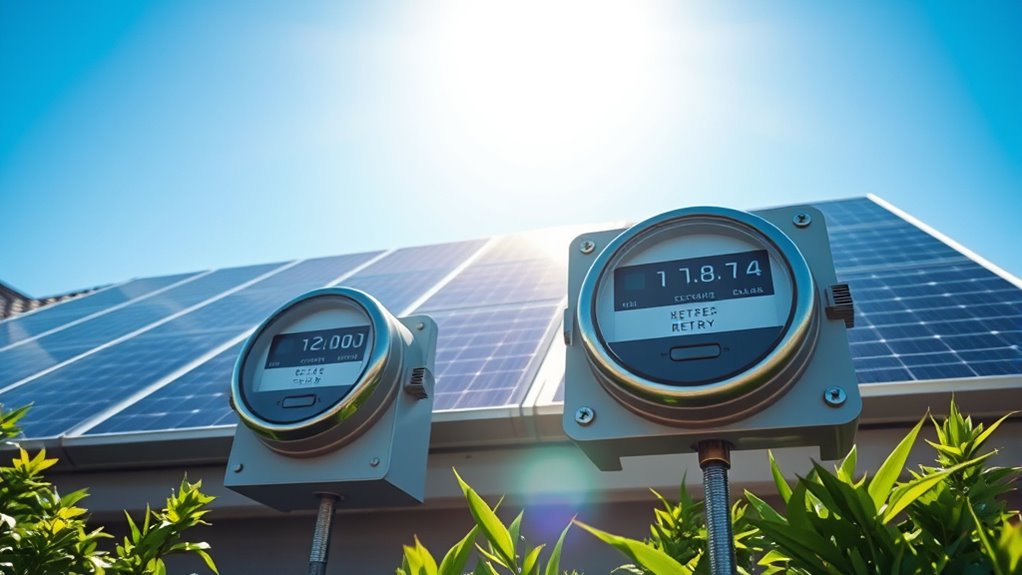
Have you ever wondered how you can save money on your electricity bill while generating your own power? If you’ve installed solar panels or are considering doing so, understanding net metering is essential. Net metering allows you to sell excess electricity your system produces back to the grid, effectively turning your home into a mini power plant. This setup can greatly reduce your energy costs and even generate income in some cases. To maximize these benefits, it’s important to be familiar with the solar incentives and utility policies that govern your area. Solar incentives, such as tax credits, rebates, and other financial perks, can make installing renewable energy systems more affordable and attractive. Many states and local governments offer these incentives to encourage clean energy adoption, which can help offset the initial investment in solar technology. Additionally, utility policies vary from one region to another, affecting how much you can earn from excess power sent back to the grid and how the process is managed. Some utility companies have straightforward programs that pay you a set rate for excess electricity, while others may have more complex arrangements or limited capacity for net metering. It’s essential to review your local utility policies before installing a solar system to understand how your excess power will be credited and what rules apply. Often, these policies are designed to promote renewable energy, but their specifics can differ, influencing your potential savings or earnings. Many states have updated or expanded their net metering policies to encourage homeowners to generate their own power, recognizing the environmental and economic benefits. Knowing what policies apply in your area helps you plan your system’s size and estimate your financial return accurately. It’s also wise to consult with local authorities or a solar installer familiar with your region’s regulations. They can help you navigate the paperwork, qualify for incentives, and ensure your system is set up correctly to take full advantage of net metering. Additionally, understanding the necessary cookies used by your utility provider can help you better comprehend how your data and power usage are monitored. In brief, understanding the intersection of solar incentives and utility policies empowers you to maximize your solar investment, reduce your energy bills, and even profit from your excess power. By staying informed and working with knowledgeable professionals, you’ll be well on your way to turning your home into a sustainable energy hub that benefits both your wallet and the environment.
solar energy monitor for net metering
As an affiliate, we earn on qualifying purchases.
As an affiliate, we earn on qualifying purchases.
Frequently Asked Questions
How Does Net Metering Impact My Electricity Bill?
Your electricity bill decreases because net metering allows you to earn credits for excess solar power you produce and send to the grid. Utility policies vary, affecting how much you benefit from these credits. Solar incentives can further reduce costs and improve your savings. By generating your own power, you not only lower your bills but also take advantage of policies that make renewable energy more affordable and accessible.
Are There Any Fees Associated With Net Metering Programs?
Imagine stepping into the future, but for now, you should know that net metering programs often come with some fees. You might pay utility fees or administrative costs, which cover maintaining the system and billing. These fees vary by utility provider and location. It’s wise to check with your utility company because understanding these costs helps you plan your solar investment wisely and avoid surprises down the road.
Can I Participate in Net Metering With a Battery Storage System?
You can participate in net metering with a battery storage system, but you need to consider battery integration and system compatibility. Make sure your battery system can work seamlessly with your solar setup and the utility’s net metering policies. Some programs might require specific configurations or equipment, so check with your utility or a solar professional. Proper integration allows you to store excess power and maximize your savings while selling power back to the grid.
What Are the Eligibility Requirements for Net Metering?
Think of your solar panel setup as a ship steering the grid. To qualify for net metering, you need a proper grid connection, a functioning solar panel system, and your utility company’s approval. You must also meet local regulations and have a system that generates excess energy for the grid. Ensuring these requirements are met allows you to sail smoothly into the benefits of selling power back to the grid.
How Does Net Metering Differ From Other Renewable Energy Incentives?
You might wonder how net metering differs from other renewable energy incentives. In a policy comparison, net metering allows you to earn credits for excess power you generate and feed back into the grid, directly reducing your bills. Other incentives, like tax credits or rebates, provide upfront financial benefits. While those focus on reducing installation costs, net metering emphasizes ongoing savings through credited energy production.
Conclusion
Understanding net metering lets you see how your solar panels can benefit both you and the grid. While it seems straightforward—selling excess power back—some argue it may shift costs to non-solar customers or impact grid stability. Nonetheless, studies suggest that, when managed properly, net metering encourages renewable energy adoption without significant drawbacks. Embracing this system can help you save money and support sustainability—just stay informed about local policies to maximize your benefits.
Fall yard work Picks
leaf blowers
As an affiliate, we earn on qualifying purchases.