
Heat pump water heaters are an energy-efficient way to warm your water by using the surrounding air instead of generating heat directly. They move heat from the environment into the water, using 50-60% less energy than traditional electric models. To work well, they need a suitable location with good airflow and ventilation. If you want to understand how they save you money and help the environment, exploring this topic further will give you valuable insights.
Key Takeaways
- Heat pump water heaters use ambient air to efficiently heat water, reducing energy consumption compared to traditional electric models.
- They transfer heat from the surrounding air rather than generating it directly, leading to significant energy savings.
- Proper installation in well-ventilated areas is essential for optimal performance and longevity.
- Many models are ENERGY STAR certified, ensuring high efficiency and environmental benefits.
- Although initial costs may be higher, long-term savings and incentives make them a cost-effective choice.
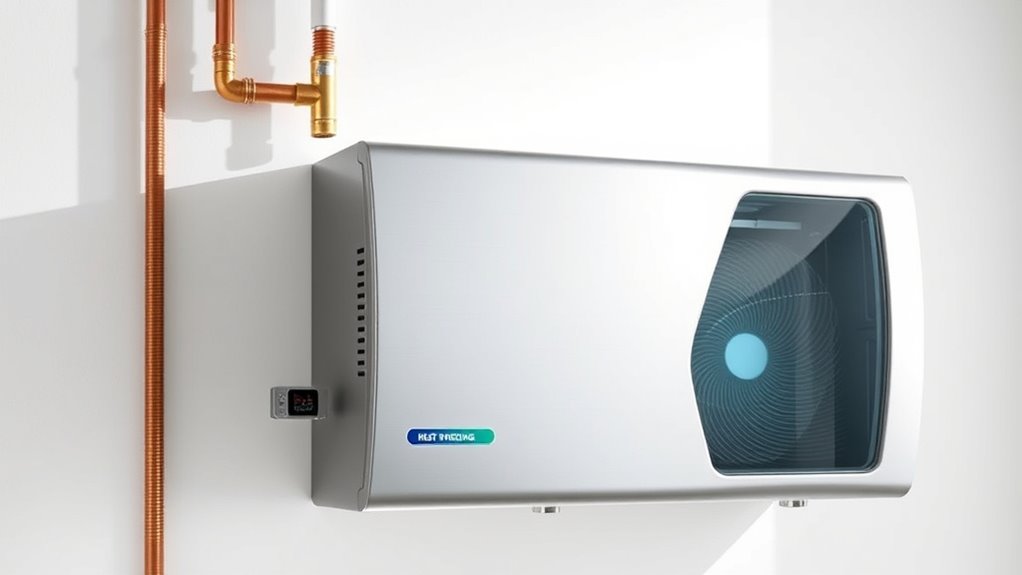
Heat pump water heaters are an energy-efficient alternative to traditional electric models, using ambient heat from the air to warm your water. This innovative technology can considerably reduce your energy bills while providing reliable hot water. These units work by extracting heat from the surrounding air and transferring it to the water in the tank. Because they rely on existing heat rather than generating it directly through electricity, they consume less energy and operate more efficiently. If you’re considering switching, understanding the energy efficiency benefits and the installation process can help you make an informed decision.
Heat pump water heaters use ambient air to provide efficient, reliable hot water while reducing energy costs.
When it comes to energy efficiency, heat pump water heaters stand out because they typically use 50% to 60% less energy than conventional electric water heaters. This efficiency stems from their ability to move heat rather than generate it, which means they require less electricity to produce the same amount of hot water. Over time, this translates into noticeable savings on your utility bills. Plus, many models are ENERGY STAR certified, ensuring they meet strict standards for energy performance. The reduced energy consumption not only benefits your wallet but also lowers your carbon footprint, making these units an environmentally friendly choice.
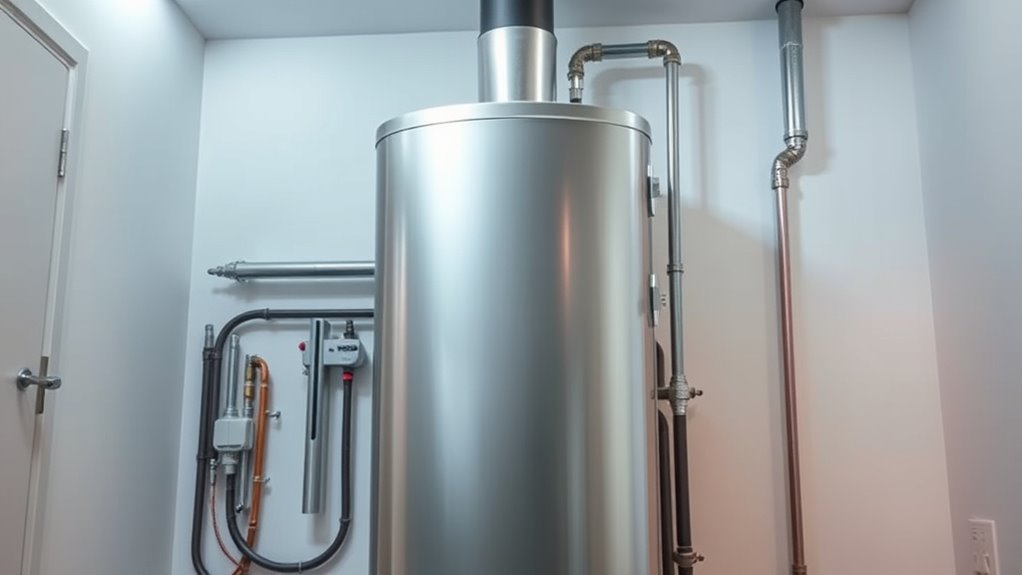
The installation process for a heat pump water heater involves several key steps, and understanding them can help you prepare for a smooth setup. First, you’ll need a suitable location — ideally a space with sufficient airflow, moderate temperature, and good ventilation, such as a utility room or basement. Unlike traditional water heaters, which can be installed almost anywhere, heat pump models require a bit more space for proper air circulation. During installation, a professional technician will connect the unit to your existing water supply and electrical system, ensuring all components are properly secured and functioning. They will also verify that the unit is level and that the airflow around the heater is unobstructed. The process may take several hours, depending on your home’s setup, but it’s generally straightforward when performed by experienced installers. Additionally, choosing a location with adequate ventilation can significantly improve the efficiency and lifespan of your heat pump water heater.
While the initial cost of a heat pump water heater might be higher than standard models, the long-term savings on energy bills usually offset this upfront expense. Plus, many manufacturers offer warranties and incentives that can make the investment more attractive. Keep in mind that proper installation and placement are vital to maximizing efficiency and ensuring the unit operates at its best. Once installed, you’ll enjoy a quieter, more energy-efficient system that provides hot water reliably and helps you reduce your environmental impact. In essence, understanding the energy efficiency advantages and the installation process can help you better appreciate why heat pump water heaters are a smart, sustainable choice for your home.

Rinnai REHP80 Electric Heat Pump Water Heater ‚ 80 Gallon, 240V, 30A, Energy Star Certified, 4.00 UEF, 91 Gallon First Hour Delivery for Residential Use
Energy-efficient performance: Energy Star Certified. Extracts heat from ambient air to deliver consistent hot water with zero emissions…
As an affiliate, we earn on qualifying purchases.
As an affiliate, we earn on qualifying purchases.
Frequently Asked Questions
How Long Do Heat Pump Water Heaters Typically Last?
Heat pump water heaters typically last around 10 to 15 years, giving you good lifespan longevity. They are known for their energy efficiency, helping you save on utility bills over time. Proper maintenance can extend their lifespan, so regular check-ups are recommended. Keep in mind that high-quality units may last a bit longer, ensuring you get the most out of your investment while enjoying efficient hot water supply.
Are Heat Pump Water Heaters Suitable for Cold Climates?
Can a heat pump water heater brave the cold? Yes, but with caveats. Cold climate challenges mean you’ll need excellent insulation requirements to keep the unit running efficiently. These heaters work best where temperatures stay above freezing, so if you live in a particularly chilly area, consider models with enhanced insulation or supplemental heating. Proper setup guarantees your heater keeps up with your hot water needs without freezing out, even in winter’s grip.
What Maintenance Is Required for Optimal Performance?
To keep your heat pump water heater running efficiently, you should regularly clean or replace the air filter to maintain proper airflow. Additionally, check the system’s components for dust or debris that could hinder performance. Keep the surrounding area clear to improve system efficiency, and schedule annual professional maintenance to inspect refrigerant levels and wiring. These steps guarantee your heater operates smoothly and saves energy over time.
Can Heat Pump Water Heaters Be Installed Outdoors?
Yes, you can install heat pump water heaters outdoors, but you need to take into account weather conditions. Outdoor installation is possible if the unit is designed for it, with weatherproofing and proper insulation. You should protect it from extreme cold, snow, and direct sunlight to ensure efficient performance and longevity. Check the manufacturer’s guidelines to confirm outdoor suitability and install it in a sheltered location if necessary.
Do Heat Pump Water Heaters Qualify for Government Rebates?
It’s a fortunate coincidence that your heat pump water heater might qualify for government rebates. Many programs are available, but eligibility requirements vary by location and model. You should check local incentives and manufacturer specifications to determine if your unit qualifies. Meeting these criteria can help you save money while enjoying energy-efficient water heating. Keep in mind, applying early improves your chances of securing these valuable rebates.
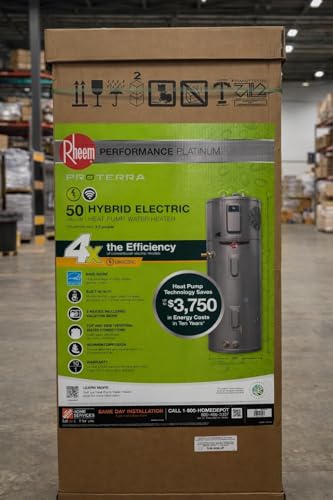
Rheem 50 Gal. Smart High Efficiency Hybrid Heat Pump Water Heater with 10-Year Warranty
It must be wired into your home’s electrical system and will typically require a dedicated electrical circuit (similar…
As an affiliate, we earn on qualifying purchases.
As an affiliate, we earn on qualifying purchases.
Conclusion
Now that you know how heat pump water heaters work, you’re ready to contemplate making the switch. Did you know they can be up to 300% more efficient than traditional models? That means you could save hundreds on your energy bills each year while reducing your carbon footprint. With their impressive efficiency and eco-friendly design, heat pump water heaters are a smart choice for your home. Take the step toward savings and sustainability today!

Tankless Water Heater Electric 110V, 3000W Instant Electric Water Heater, Under Sink Water Heater with Digital Display, On Demand Hot Water heater Electric for Kitchen Bathroom Washin
✔ ELECTRIC TANKLESS WATER HEATER – This tankless electric water heater is made of high-quality ABS material, with…
As an affiliate, we earn on qualifying purchases.
As an affiliate, we earn on qualifying purchases.

6699 Tankless Water Heater Flushing Kit Includes 1/6HP Submersible Sump Pump with Two Adapters & 3 Gallons Pail with Bucket Lid Opener & Two 1/2” Dia X 6’ PVC Hoses with Washers
【Tankless Heater Clean Kit】This cleaning kit comes with everything you need to maintain your water heating system. Helps…
As an affiliate, we earn on qualifying purchases.
As an affiliate, we earn on qualifying purchases.