
Demand response for homeowners means you can reduce or shift your electricity use during peak times, helping lower your energy bills and support a more sustainable grid. Smart devices like thermostats and energy monitors make it easy to automatically adjust your usage without hassle. By participating, you’ll contribute to a cleaner environment and enjoy savings on your energy costs. Keep exploring to see how smart technology can simplify this process and benefit you even more.
Key Takeaways
- Homeowners can adjust their energy use during peak times to save money and support grid stability.
- Smart devices automate energy adjustments, making participation easy and hassle-free.
- Demand response helps lower electricity bills through real-time usage data and off-peak scheduling.
- Participating promotes environmentally friendly habits and reduces reliance on fossil fuels.
- It empowers homeowners to control and optimize their energy consumption for cost and sustainability benefits.
Have you ever wondered how you can save money on your energy bills while helping the environment? That’s where demand response comes into play. It’s a system that encourages you, as a homeowner, to adjust your electricity usage during peak times. This isn’t just about reducing costs; it’s about actively participating in a larger effort to balance energy demand and supply. When you respond to signals from your utility, you help prevent blackouts and reduce the need for additional power plants, which often rely on fossil fuels. The result? Lower energy costs for you and a smaller carbon footprint for everyone.
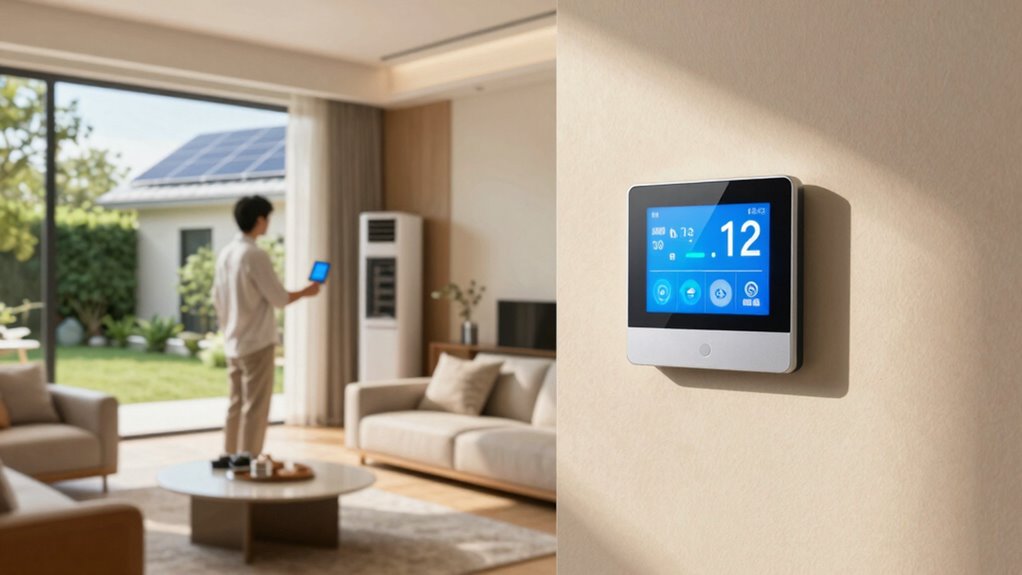
Demand response programs often leverage smart technology to make the process seamless. Smart thermostats, energy monitors, and automated controls can respond to signals from your utility without requiring you to lift a finger. For example, during times of high energy demand, your smart thermostat might slightly lower your heating or cooling settings, saving energy without sacrificing comfort. These devices can be programmed or set to respond automatically, making participation simple and convenient. This integration of smart technology ensures that you don’t have to constantly monitor or manually adjust your appliances, making energy savings effortless.
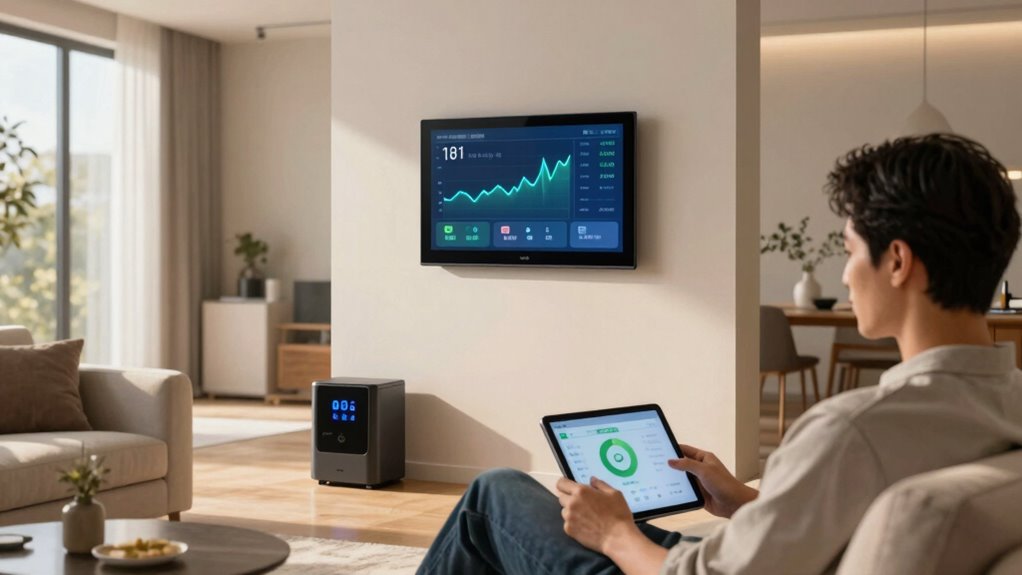
By participating in demand response, you also gain greater control over your energy consumption. Many utilities offer real-time data and alerts, so you can see how your actions impact your bills. You might choose to run energy-intensive appliances like dishwashers or laundry machines during off-peak hours, when electricity costs less. Over time, these small adjustments can lead to significant savings on your monthly bills. Plus, because these systems often include detailed usage reports, you can identify further opportunities to improve efficiency. Understanding energy demand management can help you better grasp the importance of these programs in supporting grid reliability. Recognizing how smart grid technology works can help you appreciate the role of innovations in making demand response more effective.
Furthermore, demand response encourages a shift toward smarter, more sustainable energy habits. As you become more aware of when and how you use energy, you’re likely to adopt behaviors that benefit both your wallet and the environment. The use of smart technology not only makes this easier but also more effective, as it allows for precise control and optimization of energy use. This proactive approach makes you part of a community working toward a more sustainable grid, reducing reliance on fossil fuels and promoting renewable energy sources. Additionally, understanding the broader goals of biodiversity and conservation can motivate you to make energy choices that align with protecting natural ecosystems and promoting sustainability.
In essence, demand response for homeowners isn’t just about saving a few dollars—it’s about participating in a smarter, more efficient energy system. With the help of smart technology, you can effortlessly lower your energy bills, contribute to environmental conservation, and gain a better understanding of your energy habits. It’s a win-win situation that puts you in the driver’s seat of your energy consumption while making a positive impact on the planet.

New! Honeywell Home Smart Thermostat, Conventional/Heat Pump Compatibility, WiFi Thermostat for Home, X2S, Gray
- WiFi Control: Control remotely via First Alert app
- Smart Home Compatibility: Works with Alexa, Google Assistant, Apple HomeKit
- C-Wire Required: Check compatibility; may need C-wire adapter
As an affiliate, we earn on qualifying purchases.
As an affiliate, we earn on qualifying purchases.
Frequently Asked Questions
How Much Can Homeowners Earn From Participating in Demand Response Programs?
You can earn anywhere from a few dollars to hundreds per year through demand response programs, depending on your participation level and utility incentives. Your homeowner incentives often include cash rewards or bill credits, which boost your energy savings. By adjusting your energy use during peak times, you not only save money but also contribute to a more stable grid, making demand response a win-win for your wallet and the environment.
Are There Any Risks to My Home Appliances During Demand Response Events?
During demand response events, there’s minimal risk to your appliances if you guarantee system compatibility and prioritize appliance safety. Modern systems are designed to handle adjustments safely, but it’s wise to verify that your appliances are compatible with the demand response setup. If properly configured, your appliances should operate normally without damage, and the process helps reduce energy costs without compromising your home’s safety or appliance performance.
What Types of Energy Storage Are Compatible With Demand Response?
You might think only specialized systems work with demand response, but many storage options are compatible. Battery compatibility varies; lithium-ion batteries are the most common and easily integrated, while other types like lead-acid may require additional setup. Investigating these options reveals that choosing the right storage system guarantees seamless participation in demand response events. So, yes, multiple storage options can support your home’s energy flexibility, empowering you to save and manage energy effectively.
How Quickly Can My Home Respond to Demand Response Signals?
Your home can respond to demand response signals within seconds to minutes, depending on your home automation setup. Smart devices and systems are designed for quick signal timing, enabling automatic adjustments like dimming lights or reducing HVAC usage promptly. This rapid response helps balance energy load efficiently, saving you money and supporting grid stability. The more integrated your home automation system, the faster and more seamlessly your home can react to demand response signals.
Do Demand Response Programs Impact My Home Insurance Policies?
Demand response programs generally don’t directly impact your home insurance policies, but there can be insurance implications and policy adjustments to take into account. For instance, if participating in demand response increases the risk of equipment damage or other issues, your insurer might adjust your coverage or premiums. It’s smart to check with your insurance provider to understand any potential policy adjustments related to demand response participation and make certain your coverage remains adequate.
Conclusion
Understanding demand response is like having a smart, helpful neighbor who adjusts their energy use to save everyone money and reduce strain on the grid. As a homeowner, you can benefit by participating in these programs, lowering your bills, and helping the environment. It’s an easy, proactive way to contribute—like turning down the volume on a noisy party. Embrace demand response, and you’ll see how small changes can make a big difference for your wallet and the planet.