
Plastic bans can reduce pollution effectively when supported by strong waste management systems, consumer education, and sustainable alternatives. Without these, bans often fall short, leading to illegal dumping or shifting problems elsewhere. Infrastructure, recycling efforts, and proper disposal are vital for long-term success. If you want to understand how to make bans work and the common pitfalls to avoid, explore further to learn more about creating meaningful environmental change.

Get garden gear delivered free with Prime
- Fast, free delivery on millions of items
- Prime Video, Amazon Music and more included
- Member-only deals all year
Key Takeaways
- Plastic bans targeting single-use items can reduce pollution but are most effective when paired with robust recycling and waste management systems.
- Bans alone may shift the problem, as improper disposal and lack of infrastructure often lead to continued environmental harm.
- Consumer education and promoting reusable alternatives are crucial for the success of plastic bans.
- International cooperation and improved recycling infrastructure are necessary to address global plastic waste challenges.
- Combining bans with innovation in sustainable packaging and comprehensive waste strategies yields better environmental outcomes.
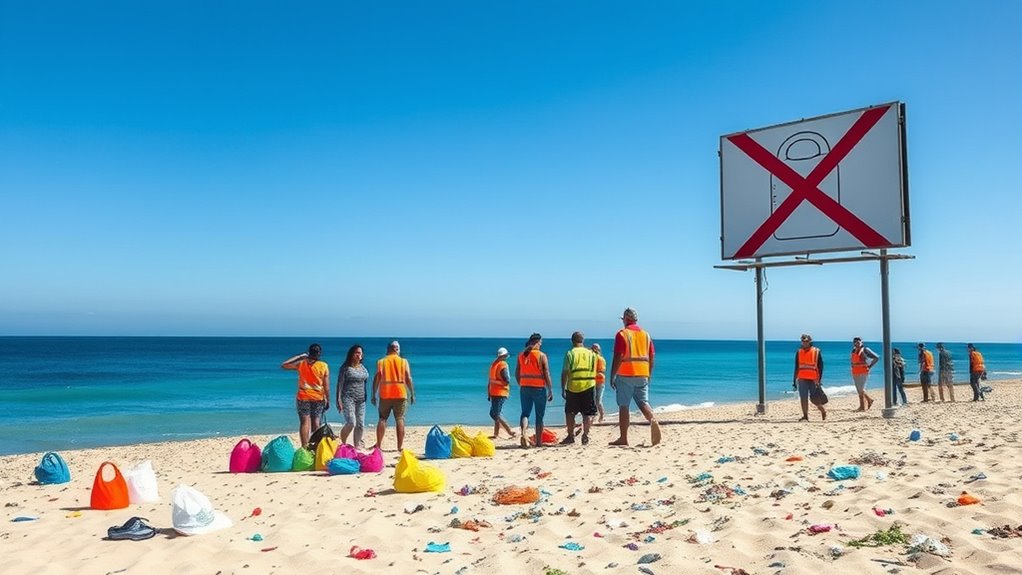
Have you ever wondered how plastic bans are transforming our environment? These regulations aim to cut down on pollution caused by single-use plastics, which are notorious for their durability and disposability. Single-use plastics, like straws, bags, and utensils, often end up in landfills or oceans, taking hundreds of years to decompose. By banning or restricting these items, governments hope to reduce waste and protect wildlife. But the reality isn’t as simple as it seems. Efforts to phase out single-use plastics face significant recycling challenges. Many plastics labeled as recyclable aren’t truly recycled due to lack of infrastructure, contamination, or economic viability. When these plastics aren’t properly processed, they still contribute to environmental harm, making bans seem less effective if not paired with improved waste management systems.
Plastic bans face recycling hurdles and require better waste management for true environmental impact.
You might notice that some regions implement plastic bans but still struggle with waste buildup. That’s because simply banning products doesn’t eliminate the underlying issues of waste management and consumer habits. For instance, when single-use plastics are restricted, people often turn to alternatives that may be equally problematic or less sustainable. Some substitutes, like biodegradable plastics or paper bags, are not always environmentally friendly if produced or disposed of improperly. This highlights a key challenge: regulations need to be extensive and supported by effective recycling programs and consumer education. Without these, plastic bans risk just shifting the problem rather than solving it. Additionally, emotional support can play a role in helping communities adapt to necessary changes and cope with frustrations related to transition.
Another obstacle lies in the global nature of plastic waste. Many countries lack the infrastructure to recycle plastics efficiently, which means that even if a country bans certain items, the waste might be exported elsewhere or dumped illegally. This underscores the importance of international cooperation and investment in waste management technologies. Additionally, recycling challenges persist because plastics are often mixed with other materials, making sorting difficult and costly. When recycling isn’t economically feasible, plastics end up in landfills or the environment, defeating the purpose of bans.
Despite these hurdles, plastic bans have shown some positive results when implemented thoughtfully. They push industries to innovate and develop sustainable packaging options. They also raise public awareness about plastic pollution, encouraging more responsible consumption. Ultimately, bans alone won’t solve the plastic crisis. They must be part of a broader strategy that includes improving recycling infrastructure, promoting reusables, and changing consumer behavior. Only then can we truly make a meaningful impact on reducing single-use plastics and overcoming recycling challenges that threaten our environment.
As an affiliate, we earn on qualifying purchases.
Frequently Asked Questions
How Do Plastic Bans Impact Local Economies?
Plastic bans can considerably impact your local economy by shifting consumer behavior and encouraging recycling incentives. You might see reduced plastic waste, but businesses could face increased costs adapting to new regulations. While some industries may struggle initially, others, like recycling and eco-friendly products, could thrive. Overall, the economic effect depends on how well the community embraces sustainable practices and adjusts to changes in consumer habits.
Are Plastic Alternatives Environmentally Sustainable?
Thinking of plastic alternatives as a double-edged sword, you might wonder if they’re truly sustainable. Biodegradable options can be better for the environment, but only if they’re used wisely. Conducting a thorough lifecycle analysis helps you understand their full impact, from production to disposal. While these alternatives can reduce plastic waste, their sustainability depends on proper materials, manufacturing processes, and end-of-life management, ensuring you make eco-friendly choices.
What Enforcement Measures Ensure Compliance?
You can guarantee compliance by implementing clear enforcement strategies like regular inspections, penalties, and public reporting systems. Educate businesses and consumers about the importance of the ban to reduce compliance challenges. You should also establish transparent monitoring processes and involve local communities to support enforcement efforts. Consistent enforcement, combined with awareness campaigns, helps create accountability and encourages everyone to follow plastic ban regulations effectively.
How Do Plastic Bans Affect Small Businesses?
Imagine your small cafe switching to biodegradable cups due to a plastic ban. You might see initial costs rise, but over time, consumer behavior shifts as eco-conscious customers appreciate your efforts. This can influence your supply chain choices, encouraging suppliers to offer sustainable products. While some small businesses face challenges adapting, many find that embracing these bans boosts their reputation and customer loyalty, ultimately benefiting their growth.
Can Plastic Bans Reduce Global Plastic Pollution Effectively?
Yes, plastic bans can effectively reduce global plastic pollution by changing consumer behavior and encouraging sustainable choices. When policies are supported by international cooperation, they create a unified effort that limits plastic waste across borders. You’ll see less plastic entering ecosystems, and industries are pushed to innovate with eco-friendly alternatives. Ultimately, collective action driven by bans and cooperation helps make a significant impact on reducing the world’s plastic pollution.
Conclusion
When it comes to plastic bans, you need to know what truly works and what doesn’t. It’s clear that not every ban hits the mark, and sometimes you have to dig deeper to find the right approach. Don’t put all your eggs in one basket; instead, explore a mix of strategies. Remember, the proof is in the pudding—successful change takes persistence and smart policies. Stay informed and keep pushing for solutions that make a real difference.
Fall yard work Picks
leaf blowers
As an affiliate, we earn on qualifying purchases.