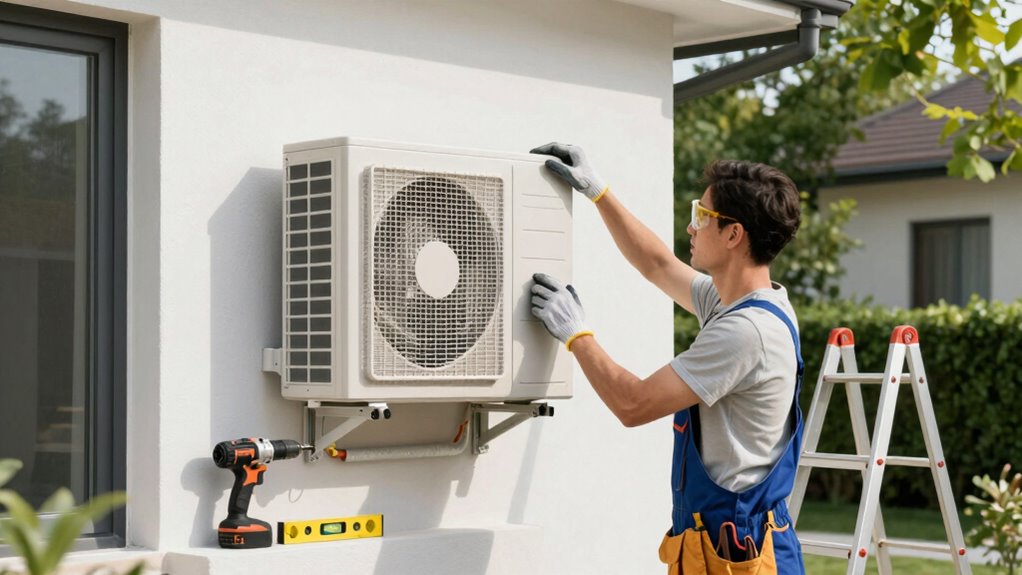
You can handle tasks like mounting the indoor unit, drilling holes, and connecting refrigerant lines if you follow the manufacturer’s instructions and use proper safety gear. However, handling refrigerants, verifying electrical wiring, and system charging are best left to licensed professionals due to safety and code requirements. Knowing which steps to do yourself and when to call in experts helps ensure your mini-split operates safely and efficiently—learn more to keep your installation smooth and safe.

Get garden gear delivered free — and shop member deals
- Fast, free delivery on millions of items
- Access to Prime Big Deal Days deals on October 6–7
- Prime Video, Amazon Music and more included
Key Takeaways
- Mounting the indoor unit and drilling holes for conduit are safe DIY tasks with proper tools and safety gear.
- Connecting refrigerant lines should be left to licensed professionals due to safety and certification requirements.
- Basic electrical wiring, such as securing power connections, can be done if you follow manufacturer instructions and local codes.
- Handling refrigerants or system charging requires professional expertise to prevent leaks and health hazards.
- Always consult a licensed technician for complex electrical work or system leak detection to ensure safety and compliance.
Installing a mini-split system yourself can be a rewarding way to save money and gain control over your home’s comfort. But before you immerse yourself in the project, it’s important to understand what’s safe to do on your own and when to call in professional assistance. While some parts of the installation are manageable with basic tools and a good instruction manual, others require specialized skills and equipment that are best handled by licensed technicians. Safety precautions should always be your top priority, especially when working with electrical components or refrigerants, which can pose serious hazards if mishandled.
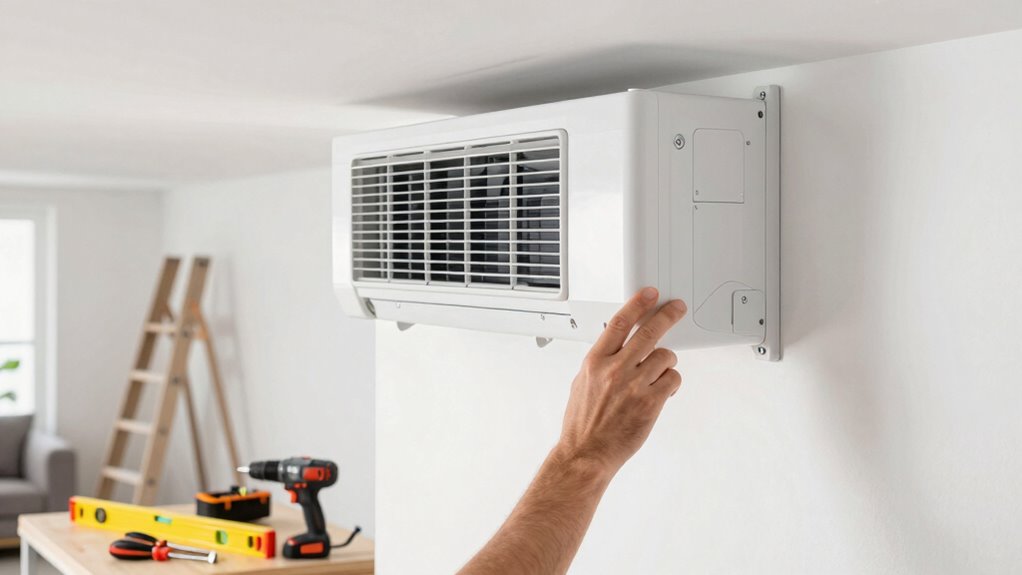
You can confidently handle tasks like mounting the indoor unit on the wall, drilling holes for the conduit, and connecting the refrigerant lines if you follow the manufacturer’s instructions carefully. These steps generally involve basic handyman skills and minimal risk, provided you use the right tools and wear safety gear like goggles and gloves. However, it’s vital to confirm your electrical connections are secure and compliant with local codes. Incorrect wiring can lead to shorts, fires, or damage to the system. If you’re unsure about electrical work, it’s wise to seek professional assistance. A licensed electrician can verify that your wiring is safe and up to code, helping you avoid costly mistakes and safety hazards down the line.
Another critical aspect of mini-split installation is handling refrigerant lines. This step can be tricky and potentially dangerous because refrigerants require special tools and knowledge to connect properly. Leaking refrigerant not only reduces system efficiency but can also be harmful to your health and the environment. Unless you’re trained in refrigerant handling, it’s best to leave this part to professionals. They have the necessary certifications and equipment to ensure a safe, leak-free connection. Additionally, understanding project planning and proper system sizing is essential for optimal performance, and these considerations are often best managed by experienced installers.
While DIY installation can be fulfilling, it’s essential to recognize your limits and prioritize safety. Carefully read all instructions, wear protective gear, and don’t rush through complex steps. If you encounter any uncertainties—such as electrical connections, refrigerant handling, or system charging—it’s wiser to consult a professional. They can perform those tasks safely and ensure your mini-split system operates efficiently and reliably. Remember, cutting corners on safety or technical expertise can lead to costly repairs or dangerous situations, so when in doubt, professional assistance isn’t just recommended—it’s essential.
As an affiliate, we earn on qualifying purchases.
Frequently Asked Questions
Can I Install a Mini-Split Without Any Electrical Knowledge?
You shouldn’t install a mini-split without electrical knowledge because electrical safety is vital. Handling wiring and connections can be dangerous if you’re not trained. It’s best to seek professional assistance for electrical work to guarantee everything’s up to code and safe. Attempting to do it yourself without proper skills risks shock, fire, or damage to your unit. Always prioritize safety and let licensed professionals handle electrical installations.
How Long Does a Typical DIY Mini-Split Installation Take?
Most DIY mini-split installations take about 4 to 8 hours, depending on your experience and the complexity of the setup. Did you know that 60% of homeowners complete their installation in a single day? Your DIY time estimate includes tasks like mounting the indoor unit, connecting refrigerant lines, and wiring. With proper tools and preparation, you can finish faster, but don’t rush—safety and accuracy come first.
What Tools Are Essential for a Safe DIY Mini-Split Setup?
You need essential tools like a voltage tester, insulated screwdrivers, a level, and a drill to guarantee electrical safety during your mini-split setup. Avoid handling refrigerant unless certified, as improper refrigerant handling can be dangerous. Use a manifold gauge set for system charging, and always turn off power before working on electrical connections. These tools help you maintain safety and proper installation standards.
Is It Legal to Install a Mini-Split Without a License?
Imagine your home’s cooling system as a delicate puzzle. Legally, installing a mini-split usually requires you to follow licensing requirements and adhere to local legal restrictions. Without proper licensing, you risk fines or voiding warranties if something goes wrong. Always check your local regulations before attempting the install yourself; it’s better to be safe than face legal trouble or costly repairs later.
How Do I Troubleshoot Common Issues After DIY Installation?
To troubleshoot common issues after your DIY mini-split installation, start by checking the power supply and remote control settings. If the unit isn’t cooling properly, consider a professional inspection to identify refrigerant leaks or low levels, which might require a refrigerant recharge. Also, ensure all connections are secure and filters are clean. Avoid handling refrigerant yourself; leave that to licensed professionals for safety and compliance.
Conclusion
While tackling a mini-split installation yourself might seem tempting, remember that some tasks are better left to the experts. Think of it like a puzzle—some pieces fit perfectly, but others can cause the whole picture to fall apart if forced. Prioritize safety and knowledge, and don’t risk a costly mistake. After all, the true measure of wisdom isn’t just doing it yourself, but knowing when to call in help before things go awry.
Halloween Picks
halloween
As an affiliate, we earn on qualifying purchases.