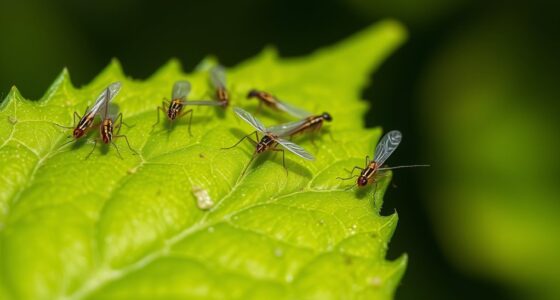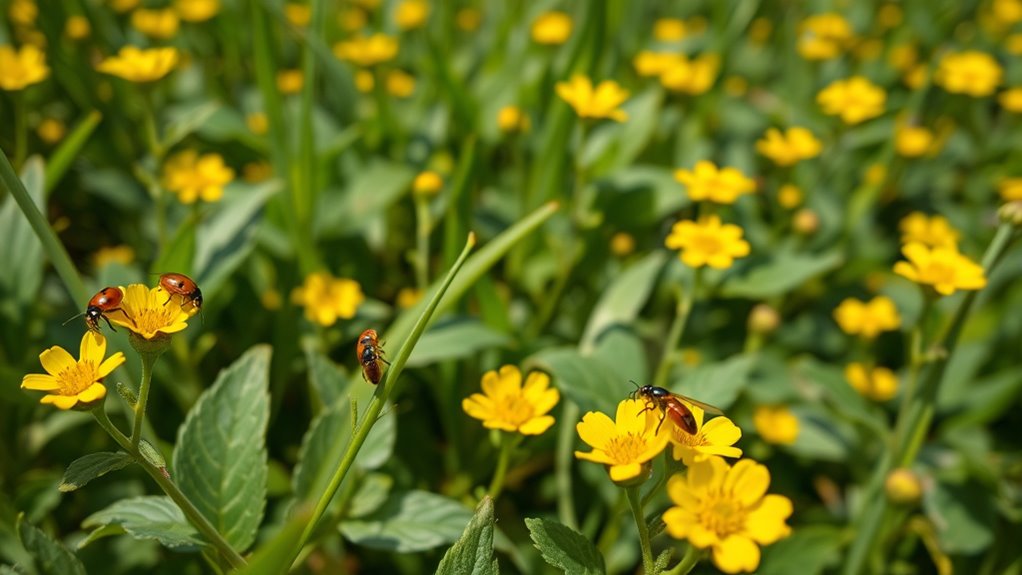

Using beneficial insects is an effective way to manage pests naturally. You can attract and support insects like ladybugs, parasitic wasps, and ground beetles that hunt harmful pests such as aphids, pest eggs, and soil-dwelling insects. By providing habitats, planting native flowers, and avoiding harmful chemicals, you encourage these natural predators to thrive. If you want to explore simple strategies for boosting beneficial insect populations and improving your pest control methods, there’s more to discover.
Listen free for 30 days with Audible
Thousands of audiobooks and originals — cancel anytime.
As an affiliate, we earn on qualifying purchases.
Key Takeaways
- Beneficial insects like ladybugs and parasitic wasps naturally control pests, reducing reliance on chemical pesticides.
- Enhancing habitats with flowering plants and shelter supports beneficial insect populations.
- Promoting insect diversity ensures effective control across various pests and life stages.
- Avoiding broad-spectrum pesticides helps preserve beneficial insect communities.
- Implementing habitat features such as insect hotels and ground cover encourages natural pest regulation.
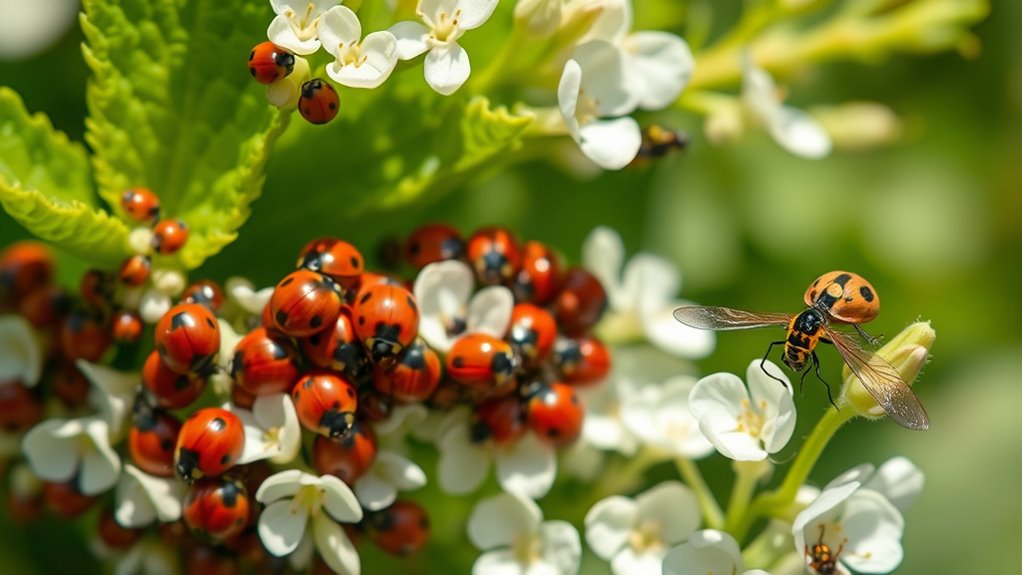
Beneficial insects play a crucial role in natural pest management by reducing the need for chemical pesticides. These tiny allies actively hunt and consume pest insects, keeping pest populations in check without harming your plants or the environment. Understanding their natural predator behaviors is key to effectively integrating them into your garden or farm. For example, ladybugs are voracious aphid predators, and their hunting instincts drive them to seek out infestations rapidly. Similarly, parasitic wasps lay their eggs inside pest eggs or larvae, ensuring their offspring develop only when prey is available. Recognizing these behaviors helps you create conditions that support their activity and encourage a sustainable balance.
One of the most effective ways to support beneficial insects is through insect habitat enhancement. You can do this by providing food, shelter, and breeding sites that mimic their natural environments. Planting a diverse range of flowering plants attracts pollinators and adult beneficial insects, which often feed on nectar. This sustains their populations, ensuring they’re available to control pests when needed. Leaving some areas undisturbed with leaf litter or dead plant material offers shelter and oviposition sites, fostering natural predator behaviors. Incorporating insect-friendly features like hedgerows or insect hotels further supports their presence, creating a thriving habitat that promotes their activity and resilience.
Enhance beneficial insects with diverse plants, shelter, and insect-friendly features for a thriving natural pest control habitat.
By understanding and facilitating natural predator behaviors, you empower beneficial insects to do their job effectively. For instance, ground beetles hunt at night, preying on soil-dwelling pests, and they flourish when you maintain ground cover and avoid excessive tilling. Predatory bugs, like green lacewings, hunt aphids and other soft-bodied pests, especially when there’s ample prey and suitable habitat. When you enhance insect habitats, you also promote insect diversity, which means a broader spectrum of pest control. This diversity prevents pest outbreaks from becoming overwhelming, as different beneficial insects target different pests or pests at various life stages.
Creating an environment that supports natural predator behaviors and insect habitat enhancement doesn’t require complex measures. Simple steps like planting native flowers, avoiding broad-spectrum pesticides, and maintaining diverse plantings can make a significant difference. These practices foster a balanced ecosystem where beneficial insects thrive and keep pest populations naturally managed. As a result, you enjoy healthier plants, reduced chemical use, and a more sustainable approach to pest control. Embracing these strategies ensures beneficial insects remain active and effective, providing an eco-friendly and long-term solution to pest management.
As an affiliate, we earn on qualifying purchases.
Frequently Asked Questions
How Do Beneficial Insects Affect Native Ecosystems?
When you consider how beneficial insects affect native ecosystems, you realize they can support native ecosystem balance by controlling pest populations naturally. However, insect predation impacts may sometimes disrupt existing relationships if these insects become invasive or outcompete native species. You should monitor their introduction carefully, ensuring they complement native biodiversity without causing unintended consequences. Proper management helps maintain a healthy, resilient native ecosystem while benefiting from pest control.
Are Beneficial Insects Safe for Children and Pets?
Did you know that over 90% of beneficial insects used in pest control are considered safe for children and pets? You might wonder about safety concerns and allergic reactions, but these insects are carefully selected and applied to minimize risks. Generally, they pose little threat, and allergic reactions are rare. Still, it’s smart to monitor your kids and pets after treatment and consult a professional if you notice any unusual symptoms.
How Long Does It Take to See Results From Their Use?
You’re probably wondering how long it takes to see results after releasing beneficial insects. Typically, you’ll notice pest reduction within a few days to a week, but it depends on factors like release timing and pest severity. Early release aligns with pest life cycles, speeding up control. Keep in mind, the pest reduction timeline varies, but patience guarantees the beneficial insects establish well and effectively manage your pests.
Can Beneficial Insects Control All Types of Pests?
Imagine a garden where helpful insects dance among plants, but they can’t sweep away every pest. While beneficial insects are great allies, they don’t control all pests due to non-target effects and insect resistance. Some pests might outsmart or avoid them, leaving gaps in protection. So, you should view beneficial insects as part of a broader strategy rather than a universal fix, ensuring you manage pests effectively without unintended consequences.
What Is the Cost Comparison With Chemical Pesticides?
When comparing cost effectiveness and price, beneficial insects often have a higher initial cost than chemical pesticides. However, they can be more economical long-term because they reduce chemical use and environmental impact. You might spend more upfront, but you’ll save on repeated purchases and cleanup. Overall, a price comparison shows beneficial insects provide a sustainable, cost-effective solution, especially when considering eco-friendly pest control and the health of your environment.
Conclusion
By incorporating beneficial insects into your pest management plan, you harness nature’s own defenses to protect your crops. These helpful creatures can reduce the need for chemical pesticides, promoting a healthier environment. Remember, “A little help from friends can go a long way”—trust in beneficial insects to work alongside you, creating a balanced and sustainable approach. Embrace these natural allies and watch your pest problems diminish, leaving your garden thriving.
Flea & tick season Picks
flea and tick prevention
As an affiliate, we earn on qualifying purchases.