Better air movement quietly protects your crops by reducing moisture buildup, which helps prevent fungi, mold, and bacterial infections. It also displaces pests like aphids and thrips, making it harder for them to settle or reproduce. Good airflow creates a balanced environment, discouraging harmful microclimates and supporting healthier, sturdier plants. By improving air circulation, you promote natural pest control and disease resistance—if you keep exploring, you’ll discover even more ways to optimize your crop protection.

Get garden gear delivered free with Prime
- Fast, free delivery on millions of items
- Prime Video, Amazon Music and more included
- Member-only deals all year
Key Takeaways
- Improved airflow reduces moisture buildup, lowering the risk of fungal, mold, and bacterial infections on crops.
- Enhanced air circulation displaces and dislodges pests, decreasing pest populations naturally.
- Consistent movement prevents microclimates that favor disease development, promoting healthier plant environments.
- Proper air flow supports uniform heat and humidity distribution, fostering vigorous plant growth.
- Gentle ventilation minimizes pest hiding spots and microclimates, quietly strengthening crop resilience without chemicals.
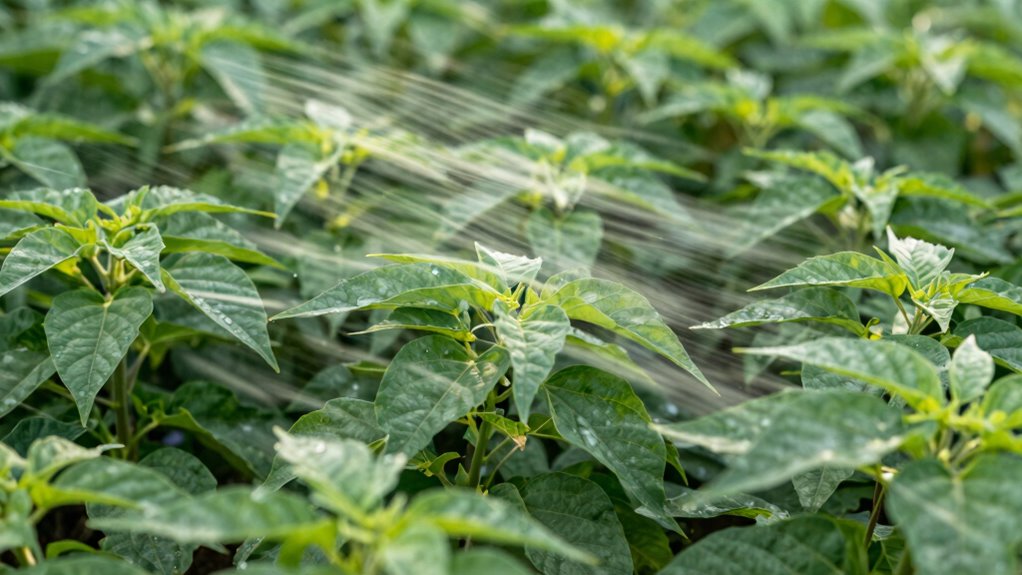
Good air movement is essential for protecting crops, especially in preventing the spread of diseases and reducing the buildup of harmful moisture. When air circulates effectively around your plants, it creates a less hospitable environment for pests and pathogens. Instead of stagnant, humid conditions that foster disease, you’ll notice your crops stay healthier and more resilient. Proper airflow helps dry out excess moisture on leaves and stems, which is critical because many plant diseases thrive in damp environments. By reducing humidity levels, you cut down on the chances that fungi, mold, or bacterial infections will take hold.
Effective air circulation prevents disease and keeps crops healthier by reducing excess moisture and humidity.
As you improve air movement, pest reduction becomes a natural byproduct. Many pests, such as aphids and thrips, prefer sheltered, still environments where they can settle and multiply without disturbance. When breezes sweep through your fields or greenhouses, these pests find it harder to establish colonies or remain hidden. The constant movement can dislodge pests from their hiding spots, making it easier for natural predators to find and control them. This constant disturbance reduces pest populations without the need for chemical interventions, promoting a healthier, more balanced ecosystem. Additionally, promoting healthy biodiversity helps maintain natural pest predators and beneficial microorganisms, creating a resilient ecosystem.
Disease prevention is another major benefit of better air movement. Many plant diseases are spread through spores or bacteria that thrive in moist, stagnant conditions. By ensuring good airflow, you minimize the chances of spores settling on plant surfaces or germinating. This reduces the frequency and severity of infections, helping your crops grow stronger and produce better yields. Additionally, improved air circulation can help to evenly distribute heat and humidity, preventing microclimates that favor disease development. This stability makes it much harder for diseases to take hold and spread rapidly. Maintaining proper air circulation is also crucial for preventing microclimates that could foster disease growth. Introducing strategic airflow methods can further enhance these benefits by creating a more uniform environment around your crops. Properly managed airflow can also support the development of a healthy microclimate, further reducing disease risk. Incorporating airflow management techniques can optimize these effects and ensure consistent crop protection.
You can achieve better air movement through strategic placement of fans, vents, or spacing of plants. Proper spacing ensures that air can flow freely between plants, preventing the buildup of moisture and heat. Using fans to create a gentle breeze mimics natural wind, continually invigorating the environment around your crops. This active approach to airflow not only curtails pests and diseases but also promotes stronger, more vigorous growth. When your crops have a steady supply of fresh, moving air, they’re less stressed and better equipped to fend off threats. Overall, investing in good air movement is a quiet yet powerful way to protect your crops, reducing the need for chemical controls and supporting sustainable farming practices.
As an affiliate, we earn on qualifying purchases.
Frequently Asked Questions
How Does Air Movement Affect Pest Populations on Crops?
Air movement influences pest populations by disrupting pest dispersal, making it harder for insects to settle and reproduce on your crops. It also modifies the microclimate, reducing humidity and creating less favorable conditions for pests and their diseases. By promoting better air circulation, you help prevent pest buildup, keep crops healthier, and minimize the need for chemical controls, all while maintaining a more stable and resilient growing environment.
Can Improved Air Circulation Reduce the Need for Chemical Pesticides?
Yes, improved air circulation benefits crop health and can reduce the need for chemical pesticides. By enhancing air movement, you help keep foliage dry, which discourages fungal diseases and pest infestations. Good air circulation also promotes stronger plant growth and overall resilience. When pests and diseases are less likely to thrive, you rely less on chemicals, creating a healthier environment for your crops and reducing chemical dependency.
What Equipment Is Best for Increasing Air Movement in Fields?
Coincidentally, wind tunnels and fan systems are your best options for increasing air movement in fields. Wind tunnels create controlled airflow, mimicking natural breezes, while large-scale fan systems distribute consistent air, reducing humidity and disease risk. Both equipment types enhance crop health by promoting better air circulation, which can lead to healthier yields. Choose the right system based on your field size and crop needs for ideal results.
Does Air Movement Influence Crop Yield Quality and Size?
Yes, air movement influences crop yield, quality, and size. It helps reduce crop disease by dispersing humidity and limiting fungal growth. Additionally, good airflow enhances nutrient absorption by preventing stagnant air and promoting even distribution of nutrients. When you improve air circulation, you create a healthier environment for your crops, leading to stronger plants, better fruit or grain development, and ultimately higher yields with improved quality and size.
How Does Air Movement Impact Soil Moisture Levels?
Better air movement directly impacts soil moisture levels by reducing soil evaporation and enhancing moisture retention. When air circulates well, it prevents the soil from drying out too quickly, helping your crops stay hydrated. This controlled airflow minimizes water loss, maintaining consistent moisture levels. As a result, your plants experience less stress, grow healthier, and produce better yields, all thanks to improved soil moisture management through ideal air movement.
Conclusion
By improving air movement around your crops, you’re giving them a fighting chance against pests, diseases, and harsh weather. Quiet, strategic airflow acts like a gentle shield that keeps your plants healthy without disturbing their growth. Remember, sometimes it’s the quietest approaches that pack the biggest punch—so don’t overlook the power of good airflow. When you prioritize proper air circulation, you’re setting yourself up for a bountiful harvest. Keep the wind in your sails and watch your crops thrive!
Fall yard work Picks
leaf blowers
As an affiliate, we earn on qualifying purchases.