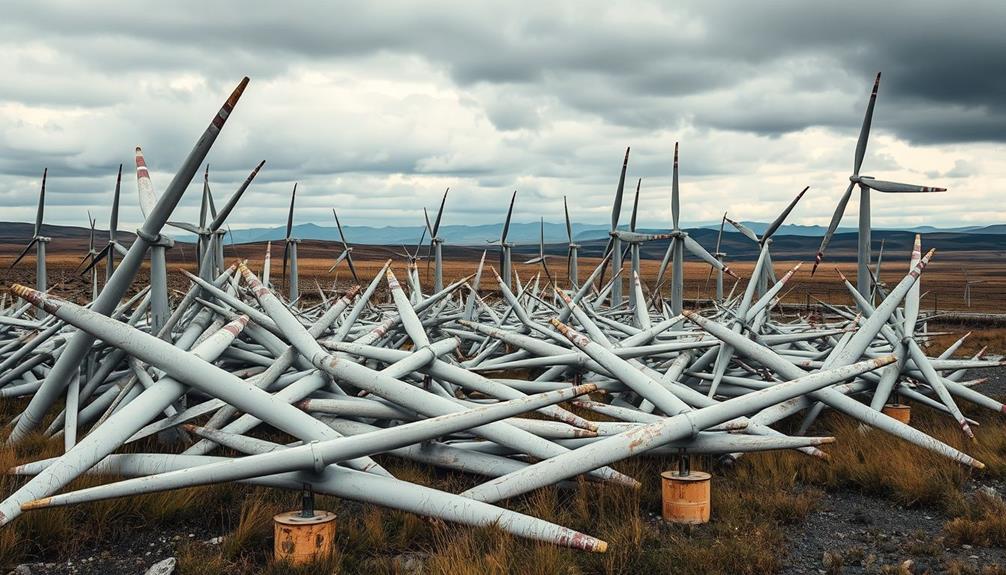
Wind turbine assembly is a complex process that demands precision and attention to detail. It involves five primary components: foundation, tower, nacelle, blades, and electrical infrastructure. The assembly process progresses in five stages, from foundation preparation to grid connection. However, it's not without challenges, including harsh weather conditions, coordination issues, and safety risks. Proper maintenance is vital to prevent downtime and guarantee maximum energy production. Stringent safety and quality control measures are also essential to prevent malfunctions. As the assembly process is revealed, the complexity and significance of each step become clear, and the importance of getting it right is shown.
Key Takeaways
- Wind turbine assembly involves five major steps: foundation preparation, tower erection, nacelle attachment, blades installation, and grid connection.
- The nacelle houses crucial components, including the gearbox and generator, which convert wind energy into electrical energy.
- Stringent safety and quality control measures are implemented to ensure high reliability and performance standards.
- Regular maintenance is crucial to reduce downtime, prevent failures, and maximize energy production over the turbine's lifespan.
- Coordinating multiple teams and components is challenging, and adapting to harsh weather conditions and logistical issues is essential.

VEVOR 500W Wind Turbine Generator, 12V Wind Turbine Kit, 5-Blade Wind Power Generator with MPPT Controller, Adjustable Windward Direction & 2.5m/s Start Wind Speed, Suitable for Home, Farm, RVs, Boats
500W High-Efficiency Output: VEVOR 500W high-power wind turbine generator delivers exceptional wind energy utilization and efficiency, making it…
As an affiliate, we earn on qualifying purchases.
As an affiliate, we earn on qualifying purchases.
Understanding Wind Turbine Components

Engineers typically begin the wind turbine assembly process by familiarizing themselves with the various components, including the foundation, tower, nacelle, blades, and electrical infrastructure.
Each component plays an essential role in the turbine's operation. The foundation provides stability, while the tower supports the nacelle, which houses the gearbox and generator. The blades, typically between two and five, convert wind energy into mechanical energy. The electrical infrastructure, including power conditioning and protection systems, guarantees efficient energy transmission to the grid.
Understanding these components is vital for efficient assembly, as misalignment or faulty installation can lead to reduced performance, increased maintenance, and even safety risks.

Wind Turbine Wheel Hub Accessories For 3/5 Blades Kit For DIY Wind Turbine Generator Horizontal Wind Turbine Hub(3 Blades)
【Sturdy and Practical】Made of sturdy material, this wheel hub is designed to be long-lasting and practical for use…
As an affiliate, we earn on qualifying purchases.
As an affiliate, we earn on qualifying purchases.
The Assembly Process Unfolded
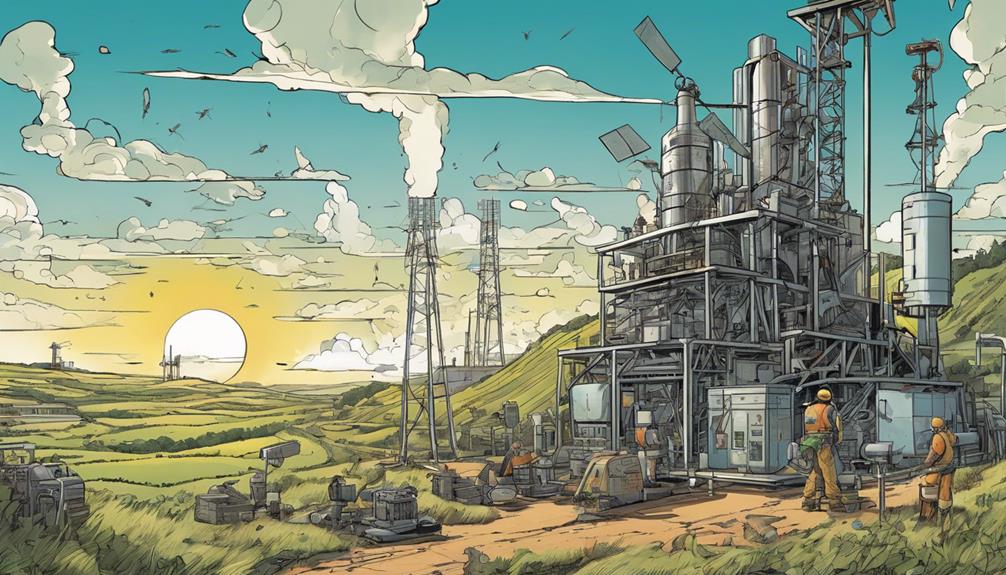
Typically, the wind turbine assembly process begins with foundation preparation, an essential step that lays the groundwork for the entire structure. This involves excavation, concrete pouring, and ensuring stability.
Next, the tower is erected, requiring precise measurements, crane operations, and alignment. The nacelle is then attached, involving inspections, lifting, and securing it to the tower.
After that, blades are installed, positioned, attached, and aligned. Finally, the turbine is connected to the grid, establishing connection points, power conditioning, and protection systems.
Each step requires precision, efficiency, and safety protocols to guarantee a fully functional wind turbine.

Jieotwice Ship Crane Tower Wind Speed Monitor Wind Speed and Direction Transmitter Sensor RS485/4-20mA/0-5V/0-10V/Pulse Signal (4-20mA)
Moisture-proof and corrosion-resistant shell
As an affiliate, we earn on qualifying purchases.
As an affiliate, we earn on qualifying purchases.
Overcoming Challenges and Risks

As wind turbine assembly teams navigate the complex process, they must also contend with a host of challenges and risks that can impact the project's timeline, budget, and overall success. From inclement weather conditions to logistical nightmares, assembly teams must be prepared to adapt and overcome.
Here are just a few of the challenges they face:
- Weathering the storm: Harsh weather conditions, such as strong winds, lightning, and extreme temperatures, can hinder progress and pose safety risks.
- Coordinating the puzzle: Managing multiple teams, components, and timelines can be a challenging task, requiring precise coordination to avoid delays and errors.
- Safety first: Ensuring the safety of workers, nearby communities, and the environment is a top priority, requiring meticulous planning and execution.

Small Wind Turbine Generator Micro DC Motor Power Wind Turbines Electricity Fan Blades Model Bicycle LED Light DIY Kits for Teaching Physical Power Generation Science Experiment
NOTE before Purchase: This wind turbine needs to be driven by a fan or blower at a right…
As an affiliate, we earn on qualifying purchases.
As an affiliate, we earn on qualifying purchases.
Importance of Proper Maintenance
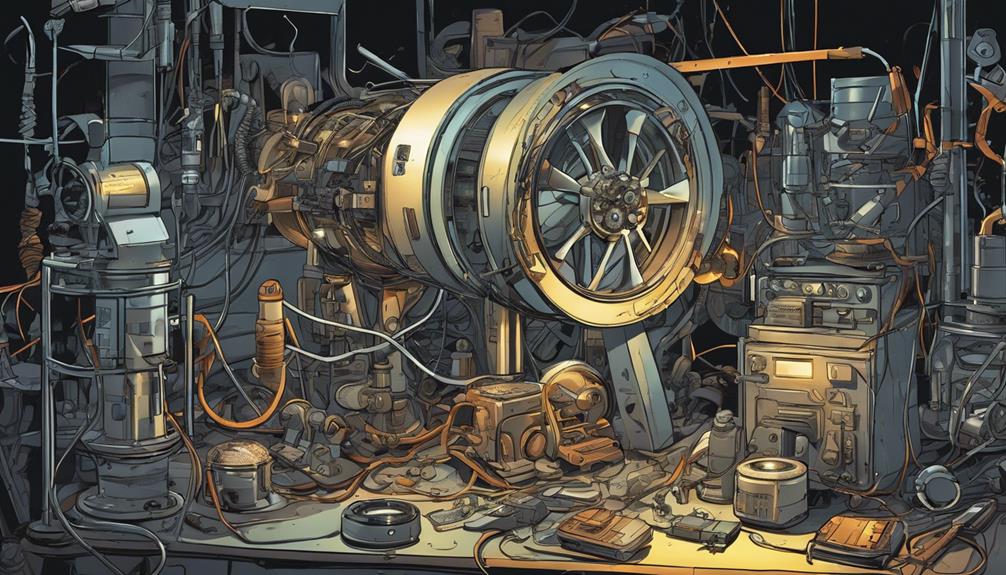
Regular maintenance checks and repairs play a critical role in guaranteeing wind turbines operate at peak levels, reducing downtime and maximizing energy production over their 20-25 year lifespan. Proper maintenance involves routine inspections, component replacements, and repairs to prevent mechanical failures.
This not only secures the turbine's efficiency but also prevents unexpected breakdowns, reducing the risk of accidents and environmental damage. In addition, maintenance teams can identify and address potential issues before they become major problems, saving time and resources in the long run.
Ensuring Safety and Quality Control

Engineers and technicians meticulously implement safety protocols and quality control measures to guarantee that every wind turbine assembly meets the highest standards of reliability and performance. This attention to detail is important, as even the slightest malfunction can have devastating consequences.
To make sure a secure and efficient assembly process, they prioritize the following:
- Stringent inspections: Regular checks are conducted to identify and address potential issues before they become major problems.
- Thorough training: Engineers and technicians undergo extensive training to make certain they're equipped to handle complex components and unexpected challenges.
- Adherence to industry standards: Rigorous adherence to industry standards and regulations ensures that every wind turbine assembly meets the highest safety and quality benchmarks.
Frequently Asked Questions
What Is the Average Lifespan of a Wind Turbine Blade?
They wonder about the average lifespan of a wind turbine blade. Typically, it's around 20-25 years, depending on environmental factors and regular maintenance, ensuring peak performance and energy generation.
Can Wind Turbines Be Installed in Urban Areas?
"Surprisingly, wind turbines can thrive in urban areas, but it's not a common sight. Due to noise and visual concerns, most turbines are installed in rural or coastal regions, where space and wind conditions are more favorable."
How Do Wind Turbines Adapt to Changing Weather Conditions?
Wind turbines adapt to changing weather conditions through advanced technology, such as sensors and control systems, which adjust blade pitch and yaw to optimize energy production and mitigate extreme weather impacts.
Are Wind Turbines Noisy and Disruptive to Local Wildlife?
As the 19th-century steam engine whistles in the distance, he explores the query: wind turbines, surprisingly, produce minimal noise, around 45 decibels, and, with careful placement, minimally disrupt local wildlife habitats, ensuring harmony between nature and renewable energy.
Can Wind Turbines Be Recycled at the End of Their Life Cycle?
Yes, wind turbines can be recycled at the end of their life cycle. Manufacturers are developing sustainable decommissioning processes to recover valuable materials like copper, steel, and rare earth magnets, reducing waste and environmental impact.
What Safety Precautions are Taken When Assembling Wind Turbines Near Airports?
When considering wind turbine proximity to airport, safety precautions are crucial. To minimize potential hazards, turbines must adhere to height restrictions to avoid interfering with flight paths. Additionally, proper lighting and marking on the turbines are required to ensure visibility for pilots, ultimately promoting safe air travel.
Conclusion
As the winds of change blow strong, the intricate dance of wind turbine assembly comes full circle. Like a symphony conductor, each component harmonizes with the next, orchestrating a masterpiece of sustainable energy.
Behind the scenes, the unsung heroes of engineering and maintenance work in perfect harmony, ensuring the sweet serenade of renewable power resonates loud and clear.