

When it comes to nighttime wind turbine watch, safety is paramount. Guaranteeing turbine visibility with high-intensity lighting and reflective materials is key. Radar and tracking systems help prevent collisions, while slower rotation speeds and careful placement reduce risks. Clear guidelines for approach and emergency response plans are also essential. However, turbine lighting can disrupt nocturnal habitats and affect pilot navigation. By understanding these factors, wind turbine operators can minimize risks and guarantee safe operation – and there's more to explore on this critical topic.
Key Takeaways
- High-intensity lighting systems and reflective materials enhance turbine visibility at night, preventing accidents and delays.
- Radar and tracking systems detect approaching aircraft, reducing collision risks and ensuring safe nighttime operation.
- Standardized communication protocols and clear marking of turbine locations and approach routes avoid confusion or intrusion.
- Regular training and drills prepare personnel for effective emergency response, minimizing risks and incident severity.
- Incorrect lighting installations can create hazardous conditions for maintenance personnel, emphasizing the need for proper installation and maintenance.

VEVOR 500W Wind Turbine Generator, 12V Wind Turbine Kit, 5-Blade Wind Power Generator with MPPT Controller, Adjustable Windward Direction & 2.5m/s Start Wind Speed, Suitable for Home, Farm, RVs, Boats
500W High-Efficiency Output: VEVOR 500W high-power wind turbine generator delivers exceptional wind energy utilization and efficiency, making it…
As an affiliate, we earn on qualifying purchases.
As an affiliate, we earn on qualifying purchases.
Turbine Visibility at Night

During nighttime operations, wind turbines can become nearly invisible, making it crucial to implement effective visibility measures to guarantee safe and efficient maintenance. Turbine visibility at night is crucial, as poor visibility can lead to accidents and delays.
One solution is to install high-intensity lighting systems that illuminate the turbine's components, securing that maintenance personnel can navigate the area safely. Additionally, using reflective materials on turbine blades and towers can improve visibility.
Another approach is to utilize advanced technologies like thermal imaging or night vision cameras to monitor turbine performance and detect potential issues. By implementing these measures, wind farm operators can secure a safe and efficient nighttime operation.

Trenton Gifts Silver Reflective Holographic Polyester Film Bird Scarer Windsock. Hanging Decoration for Patio Yard. Durable & Weather Resistant
Highly Effective Bird Deterrent: The Bird Scarer Windsock is a proven and highly effective solution for keeping birds…
As an affiliate, we earn on qualifying purchases.
As an affiliate, we earn on qualifying purchases.
Avoiding Collision Hazards

Wind turbines, especially those with larger rotors, pose a significant collision hazard to aircraft, birds, and bats. It is crucial to implement effective detection and warning systems to prevent accidents. To mitigate this risk, wind farms can utilize advanced radar and tracking systems to detect approaching aircraft and trigger warning lights or alarms.
Additionally, turbines can be designed with features like slower rotation speeds or feathering blades to reduce the risk of collision. Careful placement of turbines in areas with low aviation traffic and minimal wildlife habitats can also help minimize the risk of accidents.

TOPDON TC004 Mini Thermal Imaging Camera, 240 x 240 TISR Resolution, 15-Hour Battery Life, 128 x 128 IR Resolution, 25Hz Handheld Infrared Camera with High/Low Temp Alerts, Auto Shutdown- Blue
【Enhanced Thermal Clarity】Start with 128×128 thermal imaging and enhance to 240×240 resolution with TISR technology for greater details….
As an affiliate, we earn on qualifying purchases.
As an affiliate, we earn on qualifying purchases.
Safe Approach Guidelines

To secure the safe operation of wind turbines, particularly in areas with high aviation traffic or wildlife habitats, guidelines for safe approach distances and protocols must be established and strictly adhered to. This ensures that maintenance personnel, aircraft, and wildlife can coexist without incident.
A safe approach involves more than just physical distance; it also requires careful planning and communication.
- Clearly mark turbine locations and approach routes to avoid confusion or accidental intrusion.
- Establish a standardized communication protocol for maintenance teams and aircraft in the vicinity.
- Implement a system for tracking and recording approach activities to identify potential hazards.
- Provide regular training and updates for personnel to stay informed of changing guidelines and best practices.
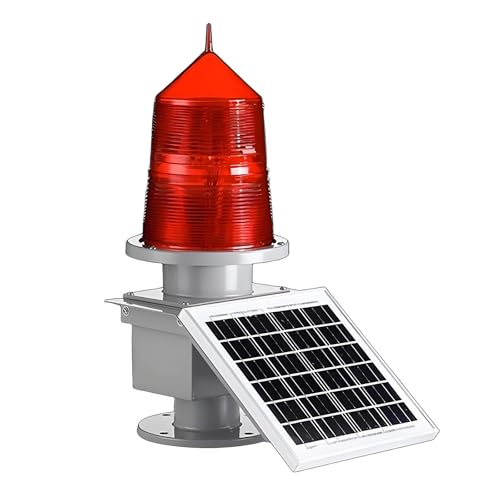
15W Solar LED Strobe Obstacle Beacon Light – Low Intensity Aviation Warning Light for Towers, High-Rise Buildings, Wind Turbines, Bridges – GZ155
Introducing our T-Grade Obstruct Light, perfect for marking high-altitude hazards such as Airports, High-Voltage Power Lines, Chimneys, Wind…
As an affiliate, we earn on qualifying purchases.
As an affiliate, we earn on qualifying purchases.
Turbine Lighting Concerns
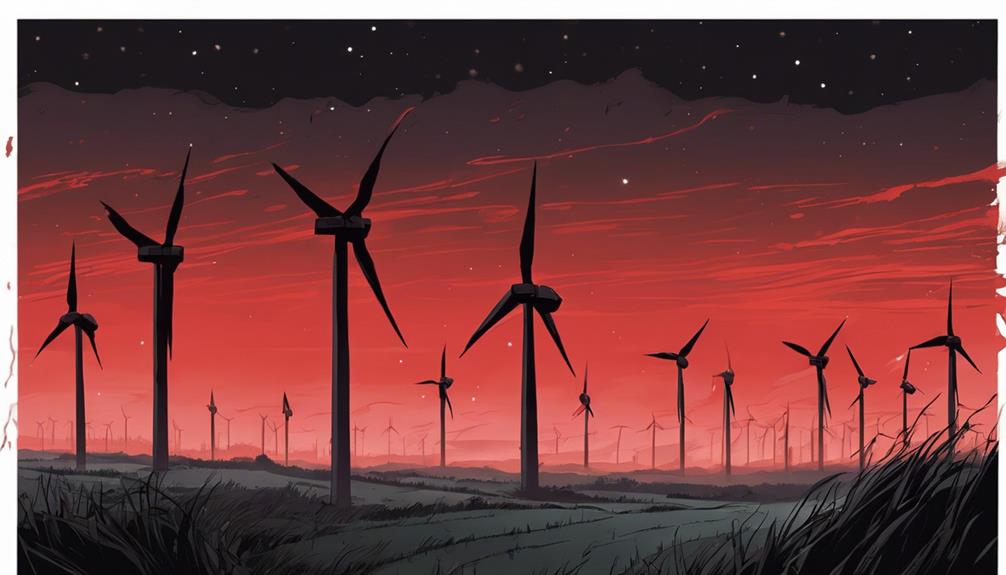
Five different lighting issues surrounding wind turbines have surfaced, necessitating careful consideration to guarantee secure and environmentally responsible operation.
The first issue revolves around the potential disruption of nocturnal wildlife habitats.
Turbine lighting can also interfere with pilot navigation, posing a risk to aviation safety.
Moreover, excessive lighting can lead to light pollution, negatively impacting local ecosystems.
Additionally, incorrect lighting installations can result in hazardous working conditions for maintenance personnel.
Lastly, the visibility of turbine lighting can be impacted by weather conditions, such as fog or heavy snowfall, reducing its effectiveness.
Emergency Response Planning
Effective emergency response planning is crucial for minimizing downtime and guaranteeing the safety of personnel and the general public in the event of a wind turbine malfunction or accident. A well-planned response strategy can help mitigate risks and reduce the severity of incidents.
Here are some key considerations for emergency response planning:
- Identify potential hazards and risks associated with wind turbine operations
- Develop a communication plan for emergency situations, including notification procedures and emergency contact information
- Establish a clear chain of command and decision-making process for emergency response
- Conduct regular training and drills to make certain personnel are prepared to respond quickly and effectively in the event of an emergency
Frequently Asked Questions
What Is the Impact of Five-Blade Turbines on Noise Reduction?
Five-blade turbines have a significant impact on noise reduction, producing lower noise levels compared to traditional three-blade turbines, making them a quieter and more environmentally friendly option for wind energy generation.
Do Four-Blade Turbines Perform Better in High Wind Conditions?
Surprisingly, four-blade turbines don't necessarily excel in high wind conditions. Instead, they shine in low wind scenarios, offering enhanced performance and stability during gusty winds, making them a great choice for specific site conditions.
How Does the Lift-To-Drag Ratio Affect Turbine Maintenance?
She explains that a higher lift-to-drag ratio in six-blade turbines leads to smoother operation, reducing wear and tear on components, resulting in lower maintenance costs and increased turbine lifespan.
Are Six-Blade Turbines Suitable for Residential Areas?
She considers six-blade turbines for residential areas, weighing their higher lift-to-drag ratio and improved efficiency against potential issues with balancing aerodynamic forces across all blades and increased complexity.
Can Two-Blade Turbines Be Used in Areas With Inconsistent Winds?
They find that two-blade turbines can be used in areas with inconsistent winds, but their efficiency may vary; three-blade turbines generally perform better in such conditions, offering more stability and consistent power output.
How Does the Rotation Frequency of Wind Turbines Affect Safety at Night?
The wind turbine rotation frequency factors can affect safety at night by impacting the visibility of the turbines. A higher rotation frequency can create more visible blinking lights, increasing awareness for aircraft. However, excessive rotation speed may lead to structural stress, potentially compromising the safety of the turbines.
Conclusion
As the night winds down, will you be watching the turbines with confidence, or will the darkness leave you in the dark?
By following these safety tips, you'll be well-equipped to navigate the unique challenges of nighttime wind turbine watching.
Remember, safety always comes first, so take the necessary precautions to guarantee a thrilling and incident-free experience under the stars.