Switching to low-waste lunchboxes and meal prep can help you cut down on plastic waste while organizing healthy, delicious meals. Use reusable containers, beeswax wraps, and eco-friendly utensils to keep food fresh and minimize disposable packaging. Planning your meals ahead of time also reduces impulse buying and food waste. Making these simple swaps supports sustainability and keeps your eco-conscious habits on track. Keep exploring to discover more eco-friendly tips you can easily incorporate.

Get garden gear delivered free with Prime
- Fast, free delivery on millions of items
- Prime Video, Amazon Music and more included
- Member-only deals all year
Key Takeaways
- Choose reusable containers in various sizes and materials like glass or BPA-free plastic to reduce single-use packaging.
- Incorporate eco-friendly utensils made from sustainable materials such as bamboo or stainless steel for minimal waste.
- Plan and prep meals in advance using reusable containers to control portions and cut down on impulse buying and food waste.
- Replace plastic wraps and foil with beeswax wraps or silicone lids to keep food fresh sustainably.
- Adopt low-waste habits that support sustainability, like organizing meals with eco-friendly tools and reducing reliance on disposable packaging.
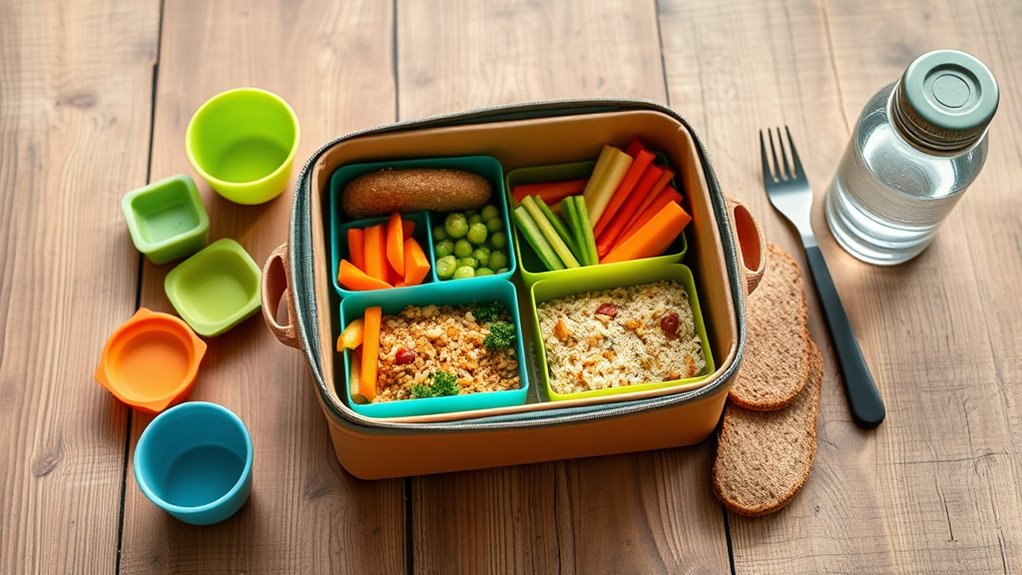
Choosing low-waste lunchboxes and meal prep strategies can markedly reduce your environmental impact while making your daily routine more efficient. Instead of relying on disposable packaging, you can opt for durable, reusable containers that keep your food fresh and minimize waste. These containers come in various sizes and materials, such as glass or BPA-free plastic, allowing you to pack different types of meals without the need for single-use plastics or paper wraps. When you use reusable containers, you cut down on the amount of trash that ends up in landfills, which is a simple yet impactful way to live more sustainably.
In addition to choosing eco-friendly containers, switching to eco friendly utensils makes a significant difference. Wooden, bamboo, or stainless steel utensils are sturdy, long-lasting, and easy to clean. Carrying your own utensils reduces the need for single-use plastic forks, knives, and spoons that often come with takeout or pre-packaged meals. By making this small switch, you’re not only preventing unnecessary plastic waste but also supporting environmentally conscious manufacturing practices. These utensils are often dishwasher safe, so they require minimal effort to maintain, making them an easy addition to your daily routine.
Meal prepping is another key aspect of low-waste living. When you prepare your meals in advance, you gain control over portion sizes, avoid impulse purchases, and reduce food waste. Planning your weekly menu allows you to buy only what you need, minimizing excess produce or ingredients that may spoil before you use them. You can portion your meals into your reusable containers, ensuring they stay organized and fresh until mealtime. This approach saves you time during busy mornings and prevents the temptation to buy takeout, which often involves packaging waste.
Furthermore, incorporating eco-friendly tools like beeswax wraps or silicone lids in your meal prep can eliminate the need for plastic wraps and aluminum foil. These reusable alternatives are versatile and easy to clean, helping you keep your food secure without creating unnecessary waste. When combined with reusable containers and utensils, your meal prep becomes a holistic sustainable system that supports your environmental goals while simplifying your daily routine.
Additionally, choosing reliable storage options that ensure your food stays fresh and safe can further enhance your low-waste meal prep efforts. Ultimately, by making mindful choices—such as using reusable containers, eco friendly utensils, and preparing your meals—you not only reduce your ecological footprint but also foster a habit of sustainability. These small changes contribute to a cleaner planet and set an example for others. With a little planning and commitment, your low-waste lunch routine can become a simple, effective part of your lifestyle, proving that sustainable living is both practical and rewarding.
As an affiliate, we earn on qualifying purchases.
Frequently Asked Questions
Are Low-Waste Lunchboxes Suitable for All Ages?
Yes, low-waste lunchboxes are suitable for all ages. You can choose reusable containers that fit different needs and preferences, making them perfect for kids and adults alike. They’re eco-friendly accessories that promote sustainability and reduce waste. Whether for school, work, or outings, these lunchboxes are versatile, durable, and easy to clean, helping everyone adopt eco-conscious habits without sacrificing convenience or style.
How Do I Clean and Maintain Eco-Friendly Lunchboxes?
You’ll find that cleaning routines and caring for material longevity keep your eco-friendly lunchboxes in top shape. Start by hand washing with mild soap and warm water, avoiding harsh chemicals. Regularly inspect for wear and tear, replacing parts if needed. Dry thoroughly to prevent mold. By following these simple steps, you extend your lunchbox’s lifespan, ensuring it remains a sustainable choice for many meals to come.
Can Meal Prep Help Reduce Overall Food Waste Effectively?
Yes, meal prep can effectively reduce food waste by helping you control portions and improve food storage. When you plan meals ahead, you avoid overbuying and leftovers that go bad, saving money and reducing waste. Proper food storage keeps ingredients fresh longer, and portion control ensures you’re not preparing more than you need. This organized approach makes it easier to use everything you buy and minimizes unnecessary waste.
What Are the Best Materials for Sustainable Lunch Containers?
Imagine your lunchbox as a tiny island of sustainability. You should choose containers made from recycled plastics, giving plastics a second chance at life. Compostable packaging is like planting a seed for the future, breaking down naturally without harm. These materials blend practicality with eco-friendliness, helping you reduce waste and protect our planet, one meal at a time. Your choices can turn everyday habits into a greener lifestyle.
How Can I Involve Children in Eco-Friendly Lunch Packing?
You can involve children in eco-friendly lunch packing by encouraging their participation in choosing sustainable containers and packing their own meals. Teach them about eco-conscious choices, like using reusable utensils and avoiding single-use plastics. Make it fun by letting them select their favorite eco-friendly lunchboxes and snacks, fostering responsibility and awareness. This hands-on approach helps children understand the importance of caring for the environment while making lunch packing an engaging activity.
Conclusion
Switching to low-waste lunchboxes and meal prep isn’t just a small change; it’s like turning your lunch into a superhero saving the planet one sandwich at a time! Imagine your reusable containers fighting plastic pollution faster than a speeding bullet. Not only will you be a hero for Earth, but you’ll also become the envy of lunchtime rebels everywhere. So, grab those eco-friendly boxes and prep like a pro—your planet will thank you more than you can imagine!
Halloween Picks
halloween
As an affiliate, we earn on qualifying purchases.