
When choosing a central air conditioning system, we consider several key factors to guarantee we get the right one for our needs. First, we think about space requirements and how they impact energy efficiency – a higher SEER rating is a must. We also look at noise levels, as excessive noise can be a real problem. Installation costs are another important consideration, including whether we need new ductwork. Finally, we think about how the system will perform in our climate. By considering these factors, we can find a system that saves us money and reduces our carbon footprint. Now, let's dive deeper into each of these key factors.

Get garden gear delivered free — and shop member deals
- Fast, free delivery on millions of items
- Access to Prime Big Deal Days deals on October 6–7
- Prime Video, Amazon Music and more included
Key Takeaways
- Consider space requirements based on the area to be cooled to ensure energy efficiency and potential tax credits.
- Look for a high SEER rating, with a minimum of 14 for new systems, to reduce energy bills and environmental impact.
- Check the noise level of the system, aiming for below 35 decibels, and research local noise regulations to minimize disturbance.
- Evaluate the cost of installation, considering factors like existing ductwork and quality of the unit, to ensure a cost-effective solution.
- Research reputable installation companies to find a tailored system that suits your climate and energy efficiency needs.
As an affiliate, we earn on qualifying purchases.
Space Requirements and Energy Efficiency
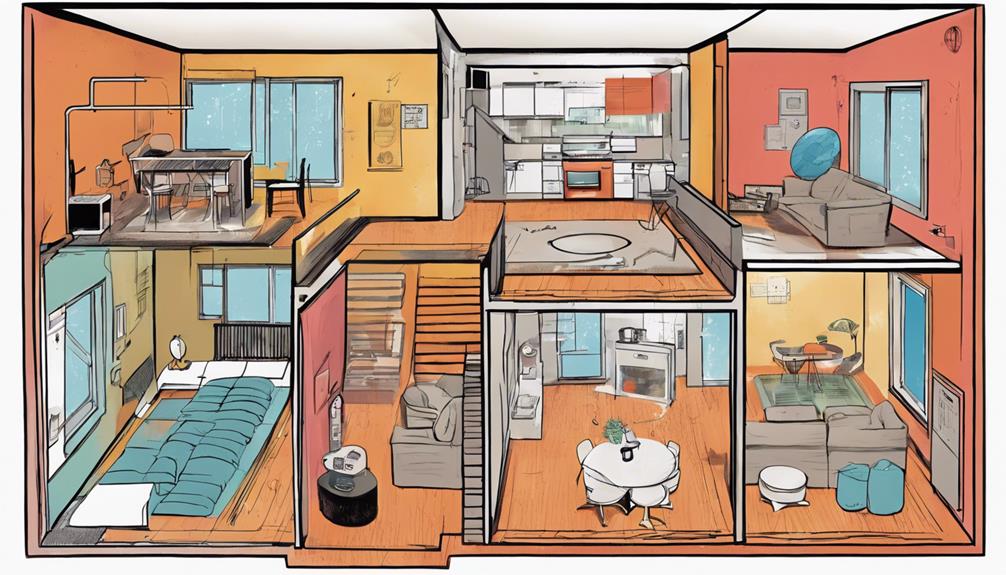
When selecting a central air conditioner, we must consider the space requirements based on the area to be cooled, as this directly impacts the unit's energy efficiency and our potential to qualify for tax credits.
We should guarantee the SEER rating is high, with a minimum of 14 for new systems. Higher ratings lead to lower energy bills and a reduced carbon footprint.
Regular maintenance is vital to maintain efficiency, as older models tend to be less efficient due to wear and tear.
We should also obtain necessary permits and inspections for wiring and ductwork installation, and be present during inspections to ensure compliance with regulations.
Energy Efficiency and SEER Ratings

We'll want to take a closer look at the SEER rating, a key factor in determining the energy efficiency of our central air conditioner. This rating measures how efficiently the system cools our home while keeping energy costs low.
Here's what we need to know about SEER ratings:
- The minimum SEER rating for new systems is 14, but top models exceed 26.
- A higher SEER rating means lower energy bills and a reduced carbon footprint.
Regular maintenance impacts the efficiency of our air conditioner. Technological advancements have notably improved efficiency in recent years. Older models are less efficient due to wear and tear and lack of maintenance.
Noise Problems and Regulations

Excessive noise from central air conditioners can have a significant impact on our health and stress levels, making it vital to take noise levels into account when choosing a unit.
We need to be aware that decibel levels above 100 can harm our hearing, while 50-90 dB can affect our daily life. To minimize noise, we should look for units with dB levels below 35.
Fortunately, manufacturers provide noise level information on their websites, making it easier for us to make an informed decision. Additionally, laws in many cities regulate noise levels of air conditioning units, so it's important to check local regulations before installation.
Cost of Installing Heat Pumps
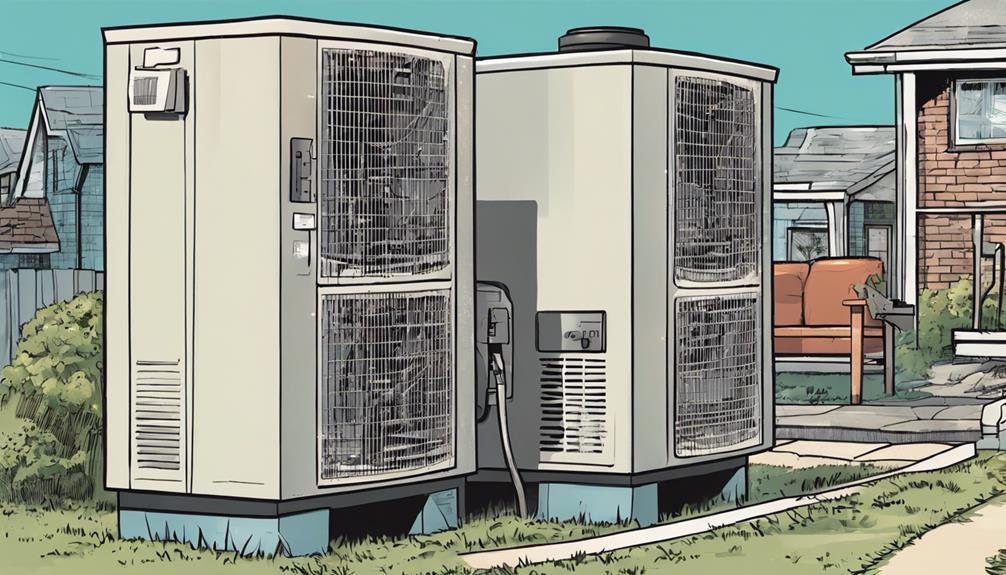
Considering a heat pump system for our home can be a cost-effective and environmentally friendly option, but understanding the installation costs involved is essential. We need to factor in several expenses to get an accurate estimate. Here are some key considerations:
- Heat pumps can save us money and improve energy efficiency.
- Existing ductwork may be sufficient for installation, but new ductwork may be required, adding to the cost.
- Higher quality units cost more but offer better performance.
- Shopping around and obtaining estimates from multiple contractors is advisable.
- The cost of installation can vary depending on the size and complexity of the system.
Benefits of Heat Pumps in Climates

Heat pumps prove to be a game-changer in warm climates, where they can reduce our energy bills by up to 50% while helping to lower our carbon footprint and promote an environmentally friendly lifestyle.
In these regions, heat pumps can efficiently cool our homes without breaking the bank. However, it's important to note that in colder climates, a supplementary heater may be necessary to maintain a comfortable temperature.
The efficiency of heat pumps largely depends on the climate, so it's vital to research and read reviews to find reputable installation companies that can tailor a system to our specific needs. By doing so, we can reap the benefits of heat pumps and enjoy a cost-effective, eco-friendly cooling solution.
Frequently Asked Questions
What Is the Average Lifespan of a Central Air Conditioning System?
"We're often asked about the average lifespan of a central air conditioning system. Typically, it lasts around 15-20 years, but proper maintenance and regular tune-ups can extend its life up to 25 years or more."
Can I Install a Central Air Conditioner Myself to Save Money?
We don't recommend installing a central air conditioner ourselves to save money, as it requires specialized skills, permits, and inspections, and improper installation can lead to safety hazards, inefficiency, and voided warranties.
How Often Should I Clean My Air Conditioner's Filters for Optimal Performance?
'We should clean our air conditioner's filters every 1-3 months, depending on usage and manufacturer's instructions, to guarantee peak performance, energy efficiency, and reduced energy bills.'
Are There Any Specific Air Conditioning System Brands That Are More Reliable?
"Just like a conductor leading an orchestra, reliability harmonizes with performance. We've found that brands like Trane, Carrier, and Lennox are symphonies of reliability, with fewer breakdowns and higher customer satisfaction, making them top picks for a hassle-free cooling experience."
Do I Need to Upgrade My Electrical Panel for a New Air Conditioner?
'We'll need to check our electrical panel's capacity to handle the new air conditioner's power requirements. If it's outdated or undersized, an upgrade might be necessary to guarantee safe and efficient operation.'
How does the demand for wind turbine technicians affect the central air conditioning industry?
The increasing demand for wind turbine technicians has led to a shortage of skilled workers in the central air conditioning industry. As wind turbine technician earnings soar, more individuals are pursuing this career, leaving a gap in the HVAC field. This could potentially impact the service and maintenance of central air conditioning systems.
Conclusion
As we close the door on our quest for the ideal central air conditioning system, we're left with a sense of clarity, like a invigorating breeze on a scorching summer day.
By considering the key factors – space requirements, energy efficiency, noise levels, and cost – we've opened the door to a cooler, more sustainable future.
With our newfound knowledge, we can now step into a cozy, eco-friendly haven, where our wallets and the planet can breathe a sigh of relief.
Fall yard work Picks
leaf blowers
As an affiliate, we earn on qualifying purchases.