
TL;DR

Get garden gear delivered free — and shop member deals
- Fast, free delivery on millions of items
- Access to Prime Big Deal Days deals on October 6–7
- Prime Video, Amazon Music and more included
Gardeners often confuse June bugs with Japanese beetles, risking damage to plants. This article explains how to tell them apart and why accurate identification matters.
Gardeners and homeowners are increasingly concerned about pest damage this summer, as **June bugs and Japanese beetles** are active and often mistaken for each other. Accurate identification is crucial to prevent plant damage and implement effective control measures, but many people are unsure how to tell these insects apart.
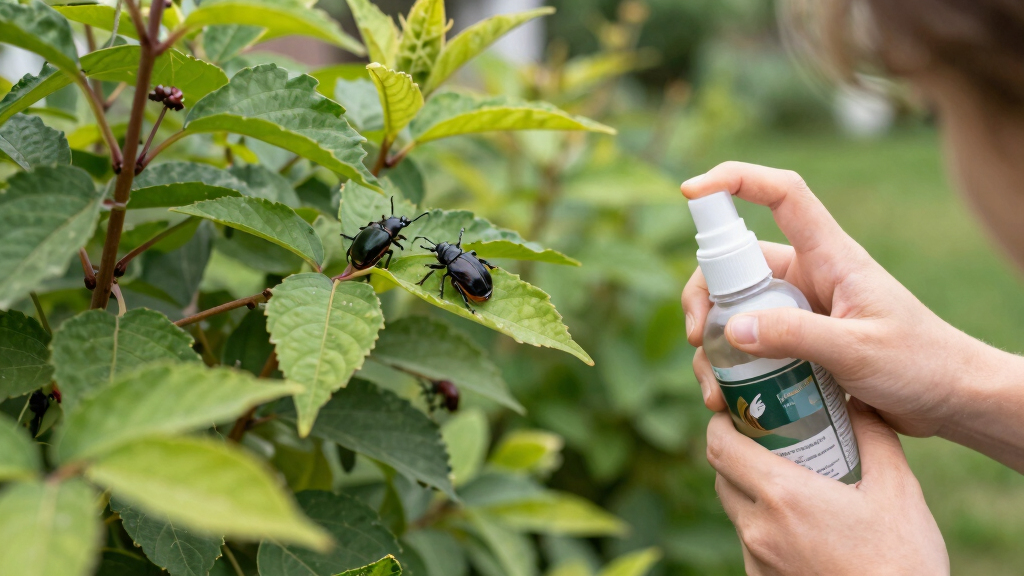
Experts confirm that **June bugs** and **Japanese beetles** are distinct species with different behaviors and physical features. June bugs, also known as June beetles, are generally larger, with a robust, brownish body and a less metallic appearance. In contrast, Japanese beetles are smaller, about half an inch long, with a shiny, metallic green body and copper-colored wings. Their damage patterns also differ: June bugs primarily feed on roots and decaying organic matter, while Japanese beetles are notorious for skeletonizing leaves by feeding on the foliage, flowers, and fruit.
According to entomologist Dr. Lisa Chen of the University of Georgia, “Proper identification is key for effective pest management. Misidentifying a June bug as a Japanese beetle could lead to unnecessary pesticide use or missed control opportunities.”
Impacts of Misidentification on Garden Pest Control
Correctly distinguishing these insects helps gardeners target the right pests with appropriate interventions, reducing unnecessary chemical use and protecting plant health. Misidentification can lead to ineffective treatments, increased costs, and ongoing damage to crops and ornamental plants. Understanding these differences is especially important as Japanese beetle populations increase in many regions, posing a significant threat to diverse plant species.As an affiliate, we earn on qualifying purchases.
Seasonal Activity and Common Confusions
Both June bugs and Japanese beetles emerge during late spring and summer, coinciding with peak gardening season. June bugs typically appear in early June, with adults active for several weeks, while Japanese beetles tend to peak later in the summer, from July through August. Historically, June bugs have been considered less damaging, but recent reports indicate that their populations are rising in some areas, leading to increased confusion among gardeners.
Prior efforts to control Japanese beetles have focused on physical barriers, traps, and targeted insecticides, but improper identification can compromise these strategies. Experts recommend familiarizing oneself with physical and behavioral differences before deploying control measures.
“Identifying whether you have June bugs or Japanese beetles is essential for choosing the right pest control method. Their appearance and feeding habits are quite different, and mistaking one for the other can undermine your efforts.”
— Dr. Lisa Chen, Entomologist, University of Georgia
Uncertainties in Identification and Control Methods
It is still unclear how widespread misidentification is among casual gardeners, and whether current identification guides are sufficient for non-experts. Additionally, the effectiveness of various control methods tailored specifically to each insect remains under review, with ongoing research into environmentally friendly solutions.Next Steps for Gardeners and Pest Researchers
Experts recommend that gardeners familiarize themselves with visual guides and participate in local extension programs for identification assistance. Researchers are studying the efficacy of new, targeted control options, including biological agents, to reduce reliance on chemical pesticides. Further public education campaigns are expected to increase awareness of these pests and improve management strategies.
Key Questions
How can I tell a June bug from a Japanese beetle?
June bugs are larger, brownish, and less metallic, while Japanese beetles are smaller, shiny green with copper-colored wings. Their feeding patterns also differ: June bugs mainly feed on roots, whereas Japanese beetles skeletonize leaves.
When are these insects most active?
June bugs are typically active in early summer, around June, while Japanese beetles peak from July through August.
What damage do these insects cause?
June bugs can damage turf and roots, especially in larval stages, while Japanese beetles cause significant leaf skeletonizing, affecting plant health and aesthetics.
Are there safe ways to control these pests?
Yes, physical barriers, handpicking, and biological controls are recommended. Proper identification ensures the right method is used, minimizing chemical reliance.
Can I prevent these insects from appearing in my garden?
Maintaining healthy soil, removing organic debris, and using traps can reduce their populations, but complete prevention is challenging once they are established.
Source: rss
Fall yard work Picks
leaf blowers
As an affiliate, we earn on qualifying purchases.