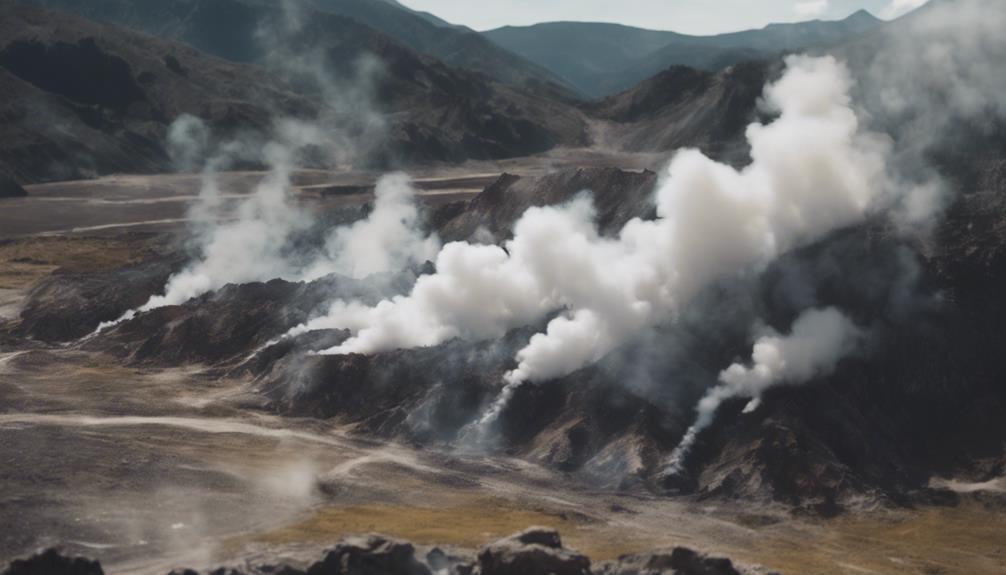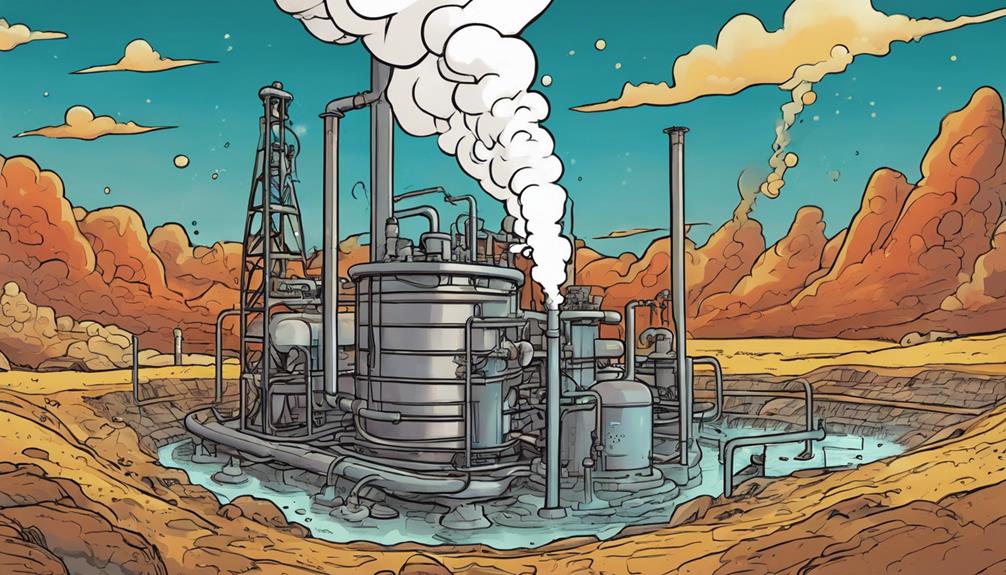

As we delve into the intricacies of geothermal energy, we're reminded of the pivotal role of hydrogen sulfide, a highly toxic and corrosive gas that poses significant risks to both human health and the environment. Found in geothermal reservoirs, volcanic activity, and organic matter decomposition, hydrogen sulfide can cause respiratory issues, eye irritation, and neurological effects, even at low concentrations. Its presence in geothermal power plants reduces efficiency and safety, while its emission contributes to acid rain and air pollution. Understanding its sources and impacts is essential for developing effective mitigation strategies, which we'll discuss further.
Key Takeaways
- Hydrogen sulfide is a highly toxic gas emanating from geothermal reservoirs, posing health risks to workers and nearby residents.
- Effective mitigation strategies, such as scrubbers and catalytic converters, are crucial for safe and efficient geothermal power plant operation.
- Hydrogen sulfide presence in geothermal reservoirs can corrode equipment, reducing plant efficiency and requiring specialized materials.
- Understanding hydrogen sulfide sources, including geothermal reservoirs and organic matter decomposition, is vital for developing effective mitigation strategies.
- Minimizing hydrogen sulfide emissions is essential to reduce environmental implications, including acid rain and air pollution, and protect human health.
As an affiliate, we earn on qualifying purchases.
Properties of Hydrogen Sulfide

Hydrogen sulfide, a colorless gas with a pungent smell reminiscent of rotten eggs, is a highly toxic substance that poses significant health risks when inhaled, even at low concentrations. We've seen how exposure to high levels can lead to respiratory issues, eye irritation, and neurological effects.
Prolonged exposure can be fatal, making it important for workers in geothermal energy plants to be aware of the risks and use appropriate personal protective equipment. As we explore further into the role of hydrogen sulfide in geothermal energy, understanding its properties and the potential hazards it poses is vital.
Sources of Hydrogen Sulfide
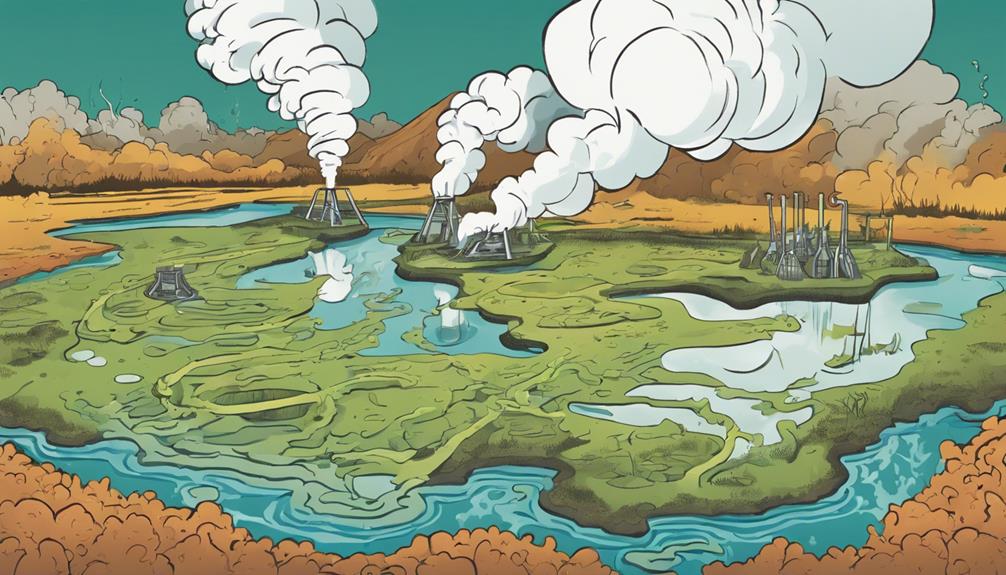
What're the primary sources of hydrogen sulfide in geothermal energy production, and how do they contribute to the overall emissions of this toxic gas?
As we explore the world of geothermal energy, we discover that hydrogen sulfide can emanate from three main sources: geothermal reservoirs, volcanic activity, and organic matter decomposition.
Geothermal reservoirs and volcanic activity release significant amounts of hydrogen sulfide into the atmosphere. Meanwhile, the decomposition of organic matter in geothermal environments also generates this harmful gas.
It's essential to understand these sources to develop effective mitigation strategies and minimize the environmental implications of hydrogen sulfide emissions. By recognizing these sources, we can work towards responsible and sustainable geothermal energy utilization.
Impact on Geothermal Power Plants

As we explore the operational aspects of geothermal power plants, it becomes clear that the presence of hydrogen sulfide in geothermal reservoirs poses significant challenges to the efficiency and safety of these facilities.
We're dealing with a toxic gas that can cause respiratory issues, eye irritation, and neurological effects, making it a major concern for plant workers. The emission of hydrogen sulfide also leads to an unpleasant odor, affecting the quality of life for nearby residents.
Additionally, high concentrations of this gas can corrode equipment, reducing the plant's overall efficiency. It's essential that we implement effective mitigation strategies to minimize the impact of hydrogen sulfide on geothermal power plants, ensuring a safe and efficient operation.
Health and Environmental Effects

We're faced with a twofold challenge when it comes to hydrogen sulfide in geothermal energy production: not only can it wreak havoc on our health, but it also has devastating environmental implications. Exposure to high levels of hydrogen sulfide can cause respiratory issues, eye irritation, and neurological effects, which can be fatal if prolonged.
Meanwhile, the release of hydrogen sulfide into the atmosphere contributes to acid rain and air pollution, harming local ecosystems and communities. It's vital we address these risks head-on by implementing effective mitigation strategies and monitoring systems to minimize the impact of hydrogen sulfide on both human health and the environment.
Mitigation Strategies Overview
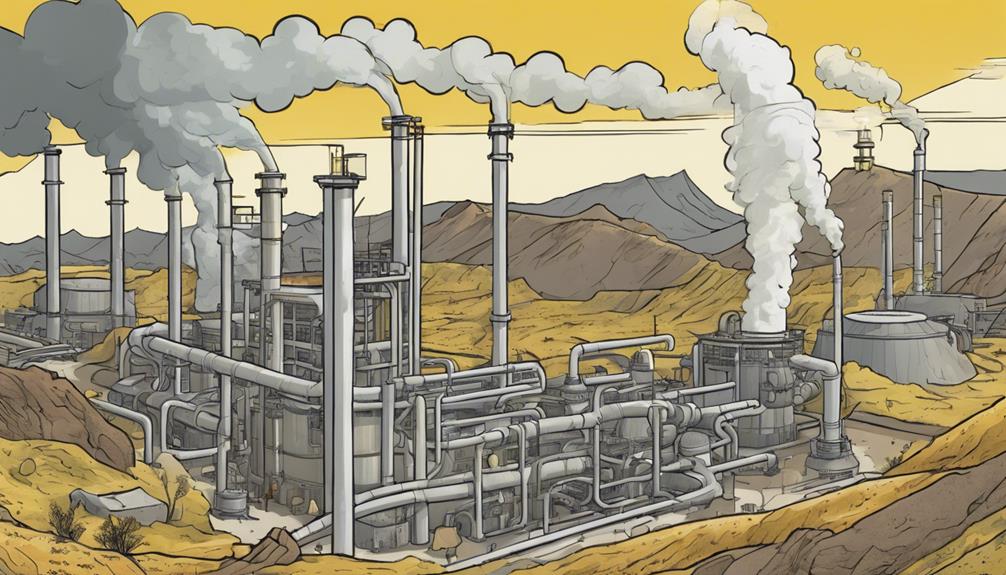
As we explore the world of geothermal energy, addressing the pressing issue of hydrogen sulfide emissions is vital. To minimize the harmful effects of hydrogen sulfide in geothermal energy production, several mitigation strategies must be implemented, including the use of scrubbers, catalytic converters, and appropriate ventilation systems. These strategies are fundamental in reducing the impact of hydrogen sulfide on both human health and the environment.
| Mitigation Strategy | Description | Effectiveness |
|---|---|---|
| Scrubbers | Eliminate H2S from gas streams through chemical reactions | High |
| Catalytic Converters | Decompose H2S into harmless compounds | Medium |
| Ventilation Systems | Dilute H2S concentrations to safe levels | Low-Moderate |
Reducing Emissions and Risks

Implementing effective mitigation strategies is essential to reducing hydrogen sulfide emissions and associated health risks in geothermal energy production.
We need to prioritize the use of scrubbers, catalytic converters, and proper ventilation systems to minimize the release of hydrogen sulfide into the atmosphere.
In addition, monitoring systems should be put in place to detect and respond to any potential leaks or spills.
By taking these measures, we can significantly decrease the risks of respiratory problems, eye irritation, and neurological effects associated with hydrogen sulfide exposure.
Reducing emissions will also help to alleviate the unpleasant odor that affects nearby communities, ultimately ensuring a safer and more sustainable geothermal energy production process.
Future Prospects and Challenges

Looking ahead, the development of more efficient and cost-effective mitigation technologies will be vital in addressing the ongoing challenges posed by hydrogen sulfide in geothermal energy production.
We need to invest in research and development to enhance the performance of existing mitigation strategies, such as scrubbers and catalytic converters.
Additionally, we must explore new and innovative solutions to minimize hydrogen sulfide emissions.
As we move forward, it's essential to consider the environmental and social implications of geothermal energy production and make sure that our mitigation strategies are sustainable and responsible.
Frequently Asked Questions
How Does Hydrogen Sulfide Affect the Efficiency of Geothermal Power Plants?
We find that hydrogen sulfide's presence in geothermal fluids reduces power plant efficiency by corroding equipment, causing maintenance issues, and requiring costly mitigation measures, ultimately increasing operational expenses and downtime.
Can Hydrogen Sulfide Be Used as a Fuel Source in Geothermal Energy Production?
"While sipping on a medieval mead, we ponder: can hydrogen sulfide be harnessed as a fuel source? Unfortunately, its corrosive nature and toxic properties make it unsuitable for direct use as a geothermal energy fuel."
What Are the Economic Costs of Implementing Hydrogen Sulfide Mitigation Strategies?
We're aware that implementing hydrogen sulfide mitigation strategies comes with significant economic costs, including equipment installation, maintenance, and operational expenses, which can increase the overall cost of geothermal energy production.
How Does Hydrogen Sulfide Impact the Local Ecosystem Around Geothermal Plants?
"We're aware that hydrogen sulfide emissions from geothermal plants can alter soil chemistry, affect plant growth, and contaminate water sources, ultimately impacting local biodiversity and ecosystem balance around these facilities."
Are There Any Alternative Technologies to Reduce Hydrogen Sulfide Emissions in Geothermal Energy?
We're exploring alternatives to reduce hydrogen sulfide emissions in geothermal energy; considering technologies like gas absorption, biofiltration, and membrane separation, which could potentially minimize environmental impacts and health risks.
How Does Magma Convection Affect the Role of Hydrogen Sulfide in Geothermal Energy?
Magma convection in geothermal energy plays a crucial role in the distribution of hydrogen sulfide. This natural process helps transport the hydrogen sulfide-rich fluids to the surface, where they can be harnessed for geothermal energy production. Understanding magma convection is essential for effectively utilizing hydrogen sulfide as a renewable energy source.
Conclusion
As we conclude our journey into the world of hydrogen sulfide in geothermal energy, we're left wondering: can we truly harness the power of the earth without compromising our health and the environment?
The answer lies in our commitment to mitigation strategies and responsible practices. By acknowledging the risks and taking proactive steps, we can access the full potential of geothermal energy while minimizing its detrimental effects.
The future of sustainable energy depends on it.