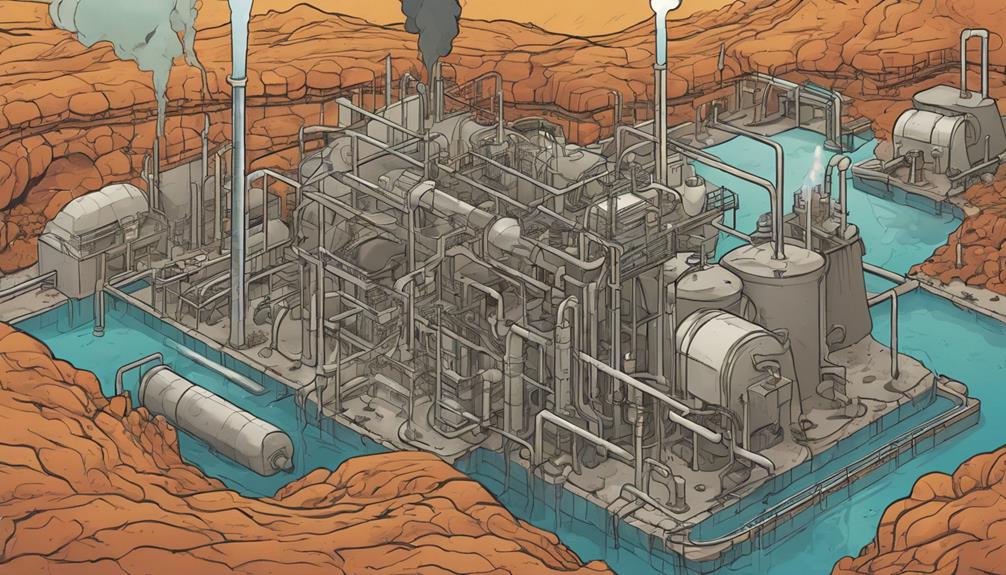

Geothermal energy plants dispose of waste through composting, recycling, and expert handling of hazardous materials. By utilizing these methods, they responsibly manage waste to minimize environmental impact. Explore the innovative practices geothermal plants use to maintain sustainability and reduce solid waste production further.
Key Takeaways
- Geothermal plants compost organic waste.
- Solid waste is managed through recycling.
- Hazardous waste is carefully handled.
- Brine is reinjected into reservoirs.
- Minerals extracted are used in industries.
geothermal waste disposal equipment
As an affiliate, we earn on qualifying purchases.
As an affiliate, we earn on qualifying purchases.
Waste Management Practices in Geothermal Plants
Implementing effective waste management practices is vital for geothermal plants to handle various types of waste generated during their operations. Geothermal energy plants manage solid waste through methods such as composting, recycling, and hazardous waste disposal. Solid waste in geothermal facilities primarily includes drill cuttings, scale, and domestic waste.
Organic waste is often composted to reduce the environmental impact within geothermal fields. Hazardous waste resulting from geothermal activities is carefully managed with the assistance of third parties and is transported to designated disposal sites to guarantee proper handling.
The implementation of innovative programs and waste management practices is essential for reducing the amount of solid waste produced by geothermal plants and ensuring that waste is disposed of in a safe and environmentally friendly manner. By prioritizing sustainable waste management strategies, geothermal energy plants can minimize their ecological footprint and contribute to a cleaner energy production process.
Disposal of Brine in Geothermal Facilities
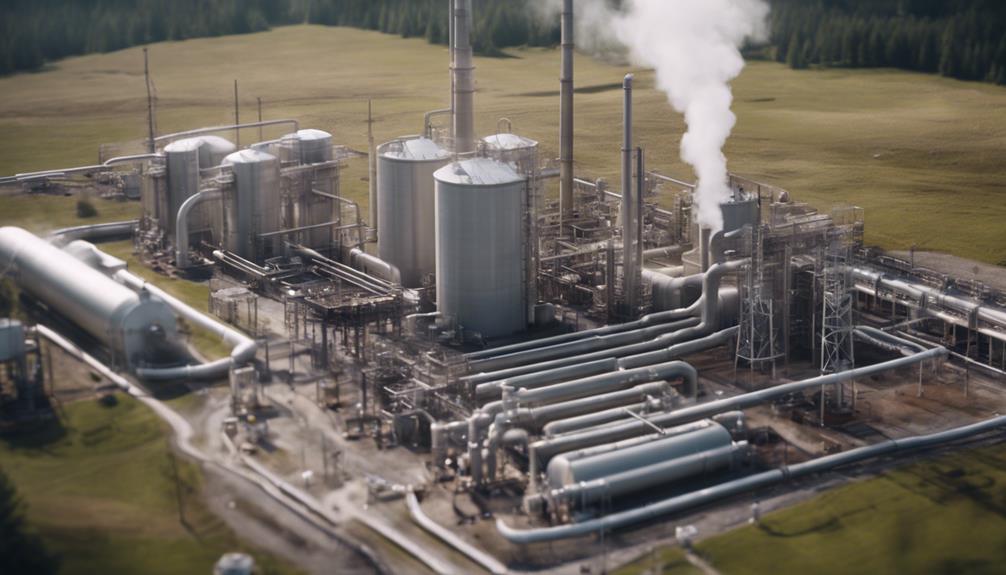
Geothermal energy plants effectively manage brine disposal by reinjecting it back into the geothermal reservoir to maintain operational sustainability. This environmentally friendly practice guarantees that geothermal brines, which are considered waste, are handled responsibly to minimize impact on the environment. By reinjecting brine, geothermal facilities maintain the balance of the geothermal system while preventing the migration of harmful substances. The table below highlights the key points of brine disposal in geothermal plants:
| Brine Disposal in Geothermal Facilities | |
|---|---|
| Method | Reinjection into geothermal reservoirs |
| Purpose | Maintain operational sustainability |
| Benefits | Environmentally friendly waste management |
| Significance | Ensures long-term efficiency of operations |
| Impact | Minimizes environmental contamination |
Reinjecting brine back into the reservoir is an essential aspect of geothermal operations, ensuring the proper management of geothermal brines as waste in a sustainable and responsible manner.
Utilization of Extracted Minerals From Geothermal Fluid
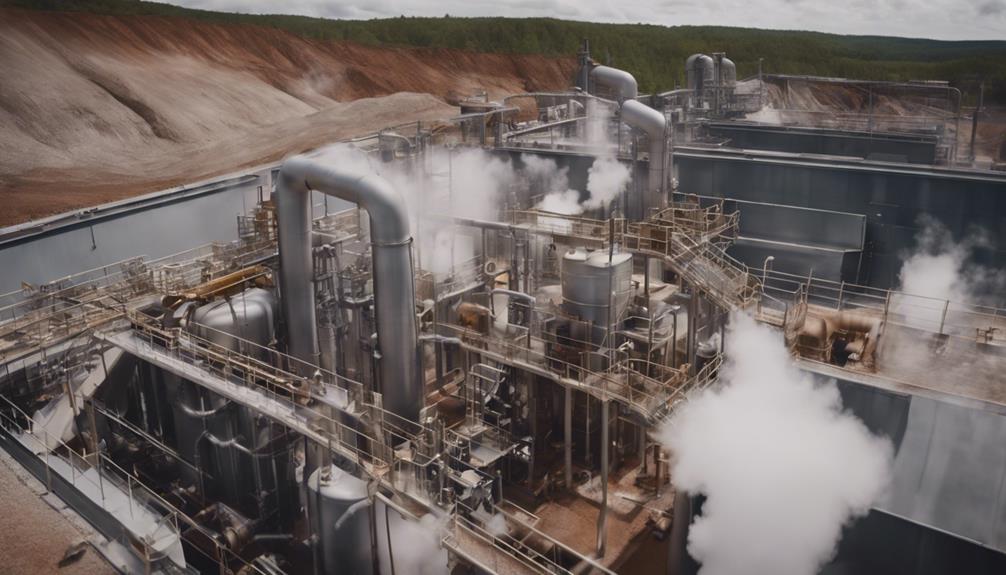
Extracting minerals such as lithium, silica, and zinc from geothermal fluid presents significant opportunities for enhancing resource efficiency across various industries. Geothermal energy plants can harness these extracted minerals for industrial applications, reducing waste and promoting sustainability.
Lithium, an essential component in battery production and energy storage technologies, is a key mineral derived from geothermal fluid. Silica, another valuable mineral, finds diverse uses in industries like glass manufacturing. Additionally, zinc extracted from geothermal fluid serves purposes such as galvanizing processes and acting as a nutrient supplement in agriculture.
Environmental Impact of Geothermal Waste Disposal
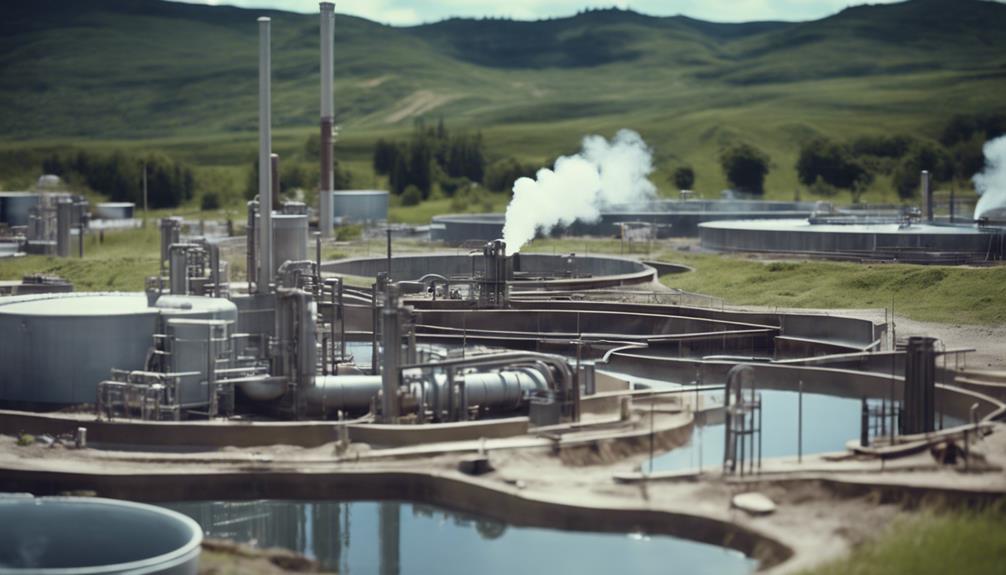
Managing solid waste from geothermal energy plants involves various methods such as composting, recycling, and proper disposal. Geothermal facilities generate solid waste like drill cuttings, cooling water scale, maintenance scale, and domestic and hazardous waste. This waste can have environmental implications if not managed correctly.
Here are some key points regarding the environmental impact of geothermal waste disposal:
- Geothermal waste disposal methods play an essential role in reducing the environmental footprint of geothermal facilities.
- Proper solid waste management practices can help minimize soil and water contamination risks near geothermal sites.
- Recycling non-hazardous waste from geothermal operations contributes to sustainability efforts and reduces overall waste generation.
- Careful disposal of hazardous waste from geothermal facilities is vital to prevent harm to the environment and surrounding communities.
- Geothermal waste management strategies focus on sustainability by prioritizing waste reduction, recycling, and safe disposal practices to mitigate environmental impact.
Sustainable Practices in Geothermal Waste Management
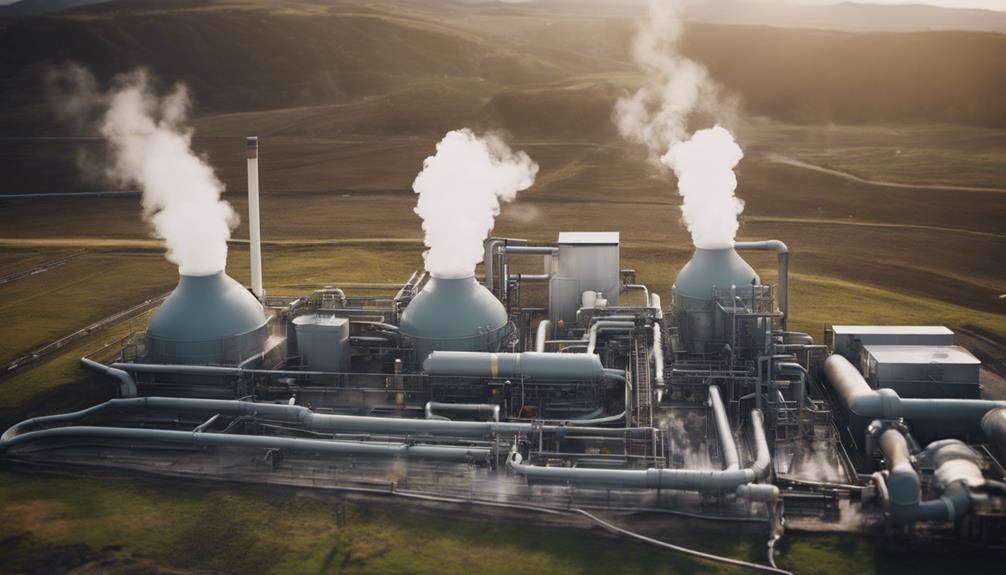
To enhance the sustainability of waste management practices in geothermal energy facilities, implementing eco-friendly methods like recycling and composting is necessary. In the geothermal field, sustainable practices play a pivotal role in minimizing environmental impact.
Organic waste is commonly managed through composting, reducing waste sent to landfills. Non-hazardous waste from geothermal operations often undergoes recycling at waste banks or environmental communities, promoting a circular economy.
Hazardous waste, a significant concern in geothermal energy plants, is meticulously handled with third-party assistance and disposed of at designated sites to prevent harm to the environment.
Innovative programs and efficient waste management strategies are essential in reducing solid waste generation in geothermal fields, showcasing the industry's commitment to sustainable practices.
Frequently Asked Questions
How Is Geothermal Energy Waste Dealt With?
Geothermal energy waste is managed through composting, recycling, and proper disposal methods. Hazardous waste from machinery and domestic sources is handled carefully. Organic waste is composted, and non-hazardous waste is recycled. Innovative programs promote sustainable waste disposal practices.
What Do They Do With the Waste Water From the Geothermal Plants?
You manage waste water from geothermal plants by reinjecting it into the reservoir or treating it to remove impurities. This safeguards environmental protection and sustains water quality standards, complying with regulations for the long-term sustainability of energy production.
Is Geothermal Power Plant Environmentally Friendly?
Geothermal power plants are indeed environmentally friendly. They emit low greenhouse gases, use closed-loop systems for water circulation, and have a small physical footprint. By reducing reliance on fossil fuels, they contribute to a cleaner energy mix.
What Are the Negatives of Geothermal Energy?
When considering the negatives of geothermal energy, you must weigh potential environmental impacts from waste disposal. Geothermal plants manage solid and hazardous waste meticulously to minimize harm. Adhering to regulations is essential for safety and environmental compliance.
Are Geothermal Energy Plants Environmental Friendly like Hydrogen Fuel Stations?
Geothermal energy plants are considered to be more environmentally friendly compared to hydrogen fuel stations uk. Geothermal energy is renewable and emits low levels of greenhouse gases, making it a cleaner energy source. On the other hand, hydrogen fuel stations UK require a lot of electricity and produce carbon emissions during the production process.
Conclusion
To sum up, geothermal energy plants dispose of waste through various methods such as:
- Reinjection of brine
- Utilization of extracted minerals
- Sustainable practices
For instance, the Hellisheidi geothermal plant in Iceland treats its wastewater and reinjects it underground, minimizing environmental impact.
By implementing effective waste management practices, geothermal energy facilities can continue to harness the power of the Earth's heat in an environmentally responsible way.