
Eco-friendly commuting options like electric bikes and carpooling can help you cut your carbon footprint while making your daily travel easier and more sustainable. E-bikes let you cover longer distances with less effort, supporting health and reducing emissions. Carpooling decreases traffic and saves money, all while fostering community connections. Combining these methods enhances convenience and environmental benefits. Keep exploring to discover how these options can transform your commute and support a greener future.
Key Takeaways
- Electric bikes offer an efficient, low-impact way to cover urban distances while reducing emissions and promoting physical activity.
- Carpooling decreases the number of vehicles on the road, lowering emissions and traffic congestion.
- Combining biking and carpooling maximizes convenience and sustainability for various commute lengths.
- Supporting eco-friendly options improves air quality, reduces noise pollution, and fosters healthier communities.
- Promoting these practices contributes to sustainable urban development and a cleaner environment.

As more people seek sustainable ways to get around, eco-friendly commuting options are gaining popularity. You might find electric bikes to be an excellent choice, especially if you’re looking for an efficient, low-impact way to navigate your daily route. Electric bikes allow you to cover longer distances with less effort, making commuting less tiring and more enjoyable. They’re perfect for avoiding traffic, reducing your carbon footprint, and saving money on gas. Plus, with the quiet operation and ease of use, electric bikes make it simple to incorporate environmentally friendly transportation into your routine. Many cities are expanding bike lanes and infrastructure to support e-bike riders, making this option even more accessible and safe. Additionally, choosing the right projector technology can greatly enhance your home viewing experience, making your space more enjoyable for relaxation and entertainment.
Another effective way to lower your environmental impact is through carpooling. Carpooling benefits go beyond reducing emissions; it also saves you money on fuel and vehicle maintenance. When you share a ride with colleagues or neighbors, you cut down on the number of cars on the road, which decreases traffic congestion and emissions. Carpooling fosters community connections and can turn daily commutes into social opportunities, making the journey more pleasant. Additionally, many workplaces and organizations now support carpooling programs, offering designated parking spots or incentives to encourage participation. This not only benefits the environment but also helps you save time and money, especially during peak travel hours when traffic is heaviest.
Both electric bikes and carpooling are practical solutions that align with a commitment to sustainability. Electric bikes are ideal for short to moderate distances, especially in urban settings, where their agility and ease of parking can save you time. They’re also a great way to stay active without sacrificing convenience. Conversely, carpooling works well for longer commutes or when public transportation isn’t readily available. It’s a flexible option that can complement other eco-friendly transportation methods, like biking or transit, depending on your needs. Combining these options, such as biking to a carpool meeting point or using an e-bike for part of your trip, can maximize your savings and reduce your carbon footprint even further.
Ultimately, embracing eco-friendly commuting options like electric bikes and carpooling benefits both the environment and your daily life. You’ll enjoy a cleaner, quieter, and more cost-effective way to get around, all while contributing to a healthier planet. As more people adopt these sustainable practices, we can collectively make a significant impact, transforming our roads into safer, greener spaces. So, consider giving these options a try — your wallet, your community, and the planet will thank you.

Elecby 1200W Peak Folding Electric Bike for Adults, 28MPH 48V 10.4Ah Removable Battery, 55-Mile Range, 20"x3" Fat Tire, Step-Thru Ebike with Basket 7-Speed – Commuter E-Bike Grey
Powerful 1200W Motor with Intelligent Pedal Assist: Experience dynamic acceleration and hill-climbing capability with the robust 1200W peak…
As an affiliate, we earn on qualifying purchases.
As an affiliate, we earn on qualifying purchases.
Frequently Asked Questions
How Can Workplaces Encourage Eco-Friendly Commuting?
You can encourage eco-friendly commuting by promoting corporate sustainability initiatives, like offering incentives for bike-to-work programs or public transit subsidies. Implementing urban planning strategies, such as creating bike lanes and carpool hubs near your workplace, makes sustainable options more accessible. Encourage employees to choose greener travel methods by highlighting environmental benefits and providing convenient infrastructure, ultimately fostering a culture of sustainability that benefits both your company and the planet.
What Incentives Exist for Using Green Transportation?
You can take advantage of incentives like discounts or tax credits for electric vehicles, making eco-friendly transportation more affordable. Many workplaces also offer carpool incentives, encouraging you to share rides and reduce your carbon footprint. Some cities provide free or discounted parking for electric cars or access to HOV lanes. These incentives motivate you to choose greener options, saving money and helping the environment simultaneously.
Are There Any Safety Concerns With Biking or Walking?
Like a fragile glass bridge, biking and walking pose safety concerns. You should watch out for traffic safety hazards and guarantee high pedestrian visibility. Stay alert for vehicles, wear bright clothing, and use lights or reflectors at night. By taking these precautions, you can navigate your eco-friendly journey safely, turning your commute into a symbol of mindful movement that protects both you and the environment.
How Does Eco-Commuting Impact Overall Health Benefits?
Eco-commuting boosts your overall health by increasing physical activity, which strengthens your heart and muscles. Plus, it improves air quality by reducing vehicle emissions, helping you breathe cleaner air. Regular walking or biking can lower stress levels and enhance mental well-being. Overall, eco-friendly commuting not only benefits the environment but also promotes a healthier, more active lifestyle for you.
What Are the Cost Differences Between Options?
Think of choosing your commute as picking between a gentle stream and a rushing river. Your cost comparison shows that walking or biking often costs nothing, while public transit fares vary, sometimes matching or slightly exceeding the expense of driving. Fare differences depend on distance and transit type, but overall, eco-friendly options tend to save you money in the long run. You gain both savings and a cleaner conscience with each mindful step.
carpooling organizer app
As an affiliate, we earn on qualifying purchases.
As an affiliate, we earn on qualifying purchases.
Conclusion
By choosing eco-friendly commuting options, you’re taking a big step toward protecting the environment and reducing your carbon footprint. Whether you bike, walk, or use public transit, every small effort adds up. Think of it as planting seeds for a greener future—you’re watering the roots of change with each eco-conscious trip. So, get on board and make sustainable choices; after all, Rome wasn’t built in a day, but every journey counts.
Elecby 1200W Peak Folding Electric Bike for Adults, 28MPH 48V 10.4Ah Removable Battery, 55-Mile Range, 20"x3" Fat Tire, Step-Thru Ebike with Basket 7-Speed – Commuter E-Bike Grey
Powerful 1200W Motor with Intelligent Pedal Assist: Experience dynamic acceleration and hill-climbing capability with the robust 1200W peak…
As an affiliate, we earn on qualifying purchases.
As an affiliate, we earn on qualifying purchases.
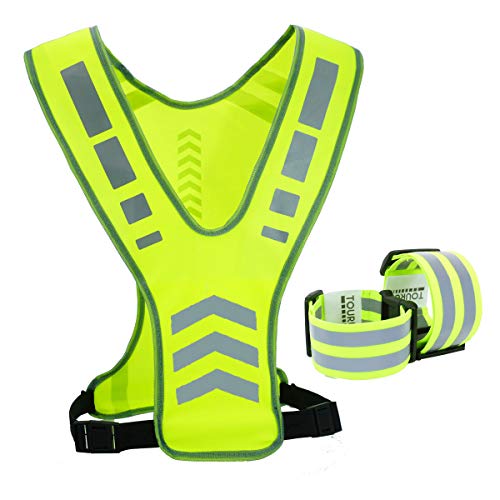
TOURUN Reflective Running Vest Gear with Pocket for Women Men Kids, Safety Reflective Vest Bands for Night Cycling Walking Bicycle Jogging
Highly Visible for Your Safety – Safety reflective running vest with yellow elasticated reflective bands providing 360-degree visibility…
As an affiliate, we earn on qualifying purchases.
As an affiliate, we earn on qualifying purchases.