
AIThis post was created with the assistance of artificial intelligence (AI).
TL;DR

Before you orderOffer from Amazon
Get garden gear delivered free with Prime
- Fast, free delivery on millions of items
- Prime Video, Amazon Music and more included
- Member-only deals all year
Start your free Prime trial Free trial for eligible customers · Cancel anytime
As an affiliate, we earn on qualifying purchases.
Gardeners often wonder if they need to reapply mulch in midsummer. Experts recommend inspecting mulch layers for signs of compaction or thinning and topping up as needed to protect plants and conserve moisture.
At a glance
reportWhen: ongoing, seasonal advice for midsummer…
The developmentThis article provides guidance on whether gardeners should reapply mulch during midsummer and how to determine when top-up is necessary.
Why Proper Mulch Maintenance in Midsummer Matters for Garden Health
Maintaining appropriate mulch levels during midsummer is crucial for protecting plants from heat stress, reducing water evaporation, and preventing weed growth. Proper mulch management can lead to healthier plants, lower water bills, and less maintenance. Conversely, neglecting mulch can cause soil temperatures to rise excessively and expose roots, potentially harming plant health. This guidance helps gardeners make informed decisions, ensuring their gardens remain resilient during peak summer heat.Amazon
As an affiliate, we earn on qualifying purchases.
Midsummer Mulch Care: Seasonal Gardening Practices
Mulch is a common gardening practice used to conserve soil moisture, suppress weeds, and regulate soil temperature. Typically applied in early spring or fall, mulch can degrade over time due to weather and natural decomposition. In midsummer, gardeners often wonder whether to reapply mulch to maintain its benefits. While some experts advise topping up if mulch has thinned or decomposed significantly, others suggest that a well-maintained layer can last through the season if properly applied initially. Weather patterns, mulch material, and garden conditions influence the need for reapplication. The decision to re-mulch should be based on visual inspection rather than a fixed schedule.“Inspect your mulch regularly during midsummer. If you notice it’s thin or has decomposed, adding a fresh layer can help protect your plants from the intense heat and conserve moisture.”
— Jane Smith, horticulturist at GreenGrow Gardens
Uncertainties About Optimal Reapplication Timing and Methods
While experts agree on inspecting mulch for signs of degradation, the specific threshold for when to reapply varies depending on local climate, mulch type, and garden conditions. It is not yet clear whether a standard depth or time interval universally applies, and individual garden needs may differ. Further research is needed to establish precise guidelines for different mulch materials and regional climates.Next Steps for Gardeners Planning Midsummer Mulch Maintenance
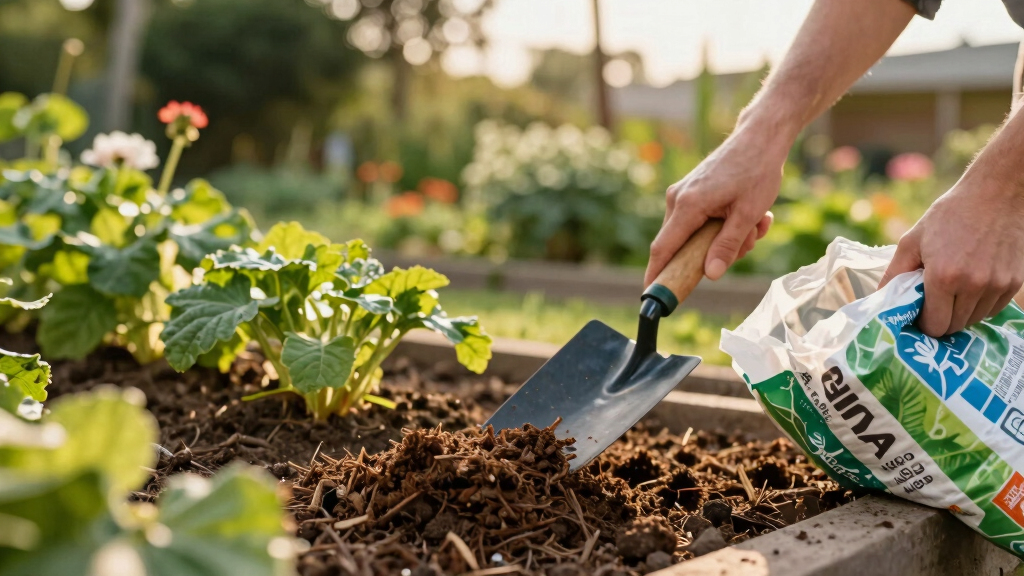
Gardeners should conduct a visual inspection of mulch layers in their gardens, looking for signs of thinning or decomposition. If necessary, they can top up mulch with a 1-3 inch layer of appropriate material, ensuring it is not piled against stems. Monitoring weather patterns and soil moisture levels will help determine ongoing mulch needs. Experts recommend re-evaluating mulch conditions every few weeks during midsummer to maintain optimal garden health.Key Questions
Do I need to reapply mulch every summer?
Not necessarily. Reapplication depends on the condition of your existing mulch. Inspect it regularly; if it has decomposed or thinned significantly, a top-up is advisable.How do I know if my mulch needs replenishing?
Check if the mulch layer is thin, uneven, or has exposed soil. If mulch has decomposed to less than 1 inch or has been displaced by weather, consider adding more.What type of mulch is best for reapplication in midsummer?
Organic mulches like wood chips, straw, or shredded bark are suitable. Apply a 1-3 inch layer, ensuring it is not piled against plant stems.Can I re-mulch during very hot weather?
Yes, but it’s best to do so early in the day or during cooler periods to avoid stressing plants. Properly applied mulch can help protect plants from heat stress.How often should I check my mulch during summer?
Inspect your mulch every few weeks to assess its condition and determine if a top-up is needed based on weather and garden health.Source: rss
Halloween Picks
halloween
halloween
As an affiliate, we earn on qualifying purchases.