
TL;DR

Get garden gear delivered free with Prime
- Fast, free delivery on millions of items
- Prime Video, Amazon Music and more included
- Member-only deals all year
Three patio features—repellent plants, decorative fans, and lighting—have been identified as effective ways to deter flying pests while adding aesthetic appeal. These solutions are supported by experts and are gaining popularity among homeowners.
Recent studies and homeowner reports confirm that incorporating certain features into patio design can effectively deter flying pests while maintaining visual appeal. These developments offer homeowners practical, attractive solutions to pest problems outdoors, enhancing comfort and usability of outdoor spaces.
Experts highlight three key patio features that help repel flying pests: the strategic use of pest-repellent plants, decorative fans, and specialized lighting. These features are supported by recent research and are increasingly adopted by homeowners seeking natural pest control methods.
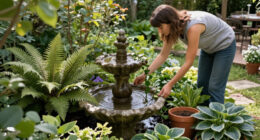
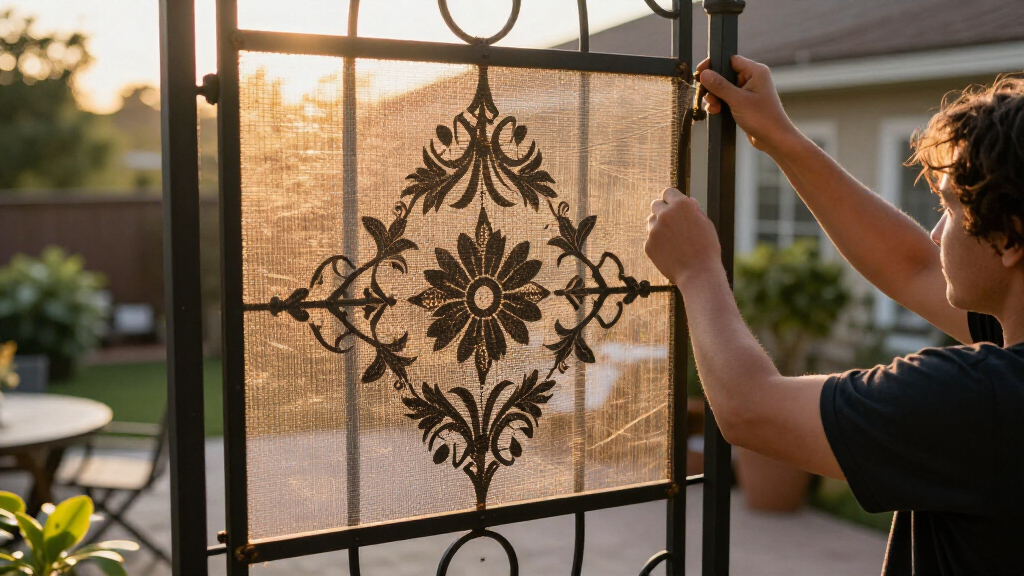
For example, plants such as citronella, lavender, and marigolds are known for their pest-repelling properties and can be integrated into patio landscaping for both beauty and function. Decorative fans, which create airflow, disrupt the flight patterns of pests like mosquitoes and flies, making outdoor areas less inviting for them. Specialized lighting, such as yellow or amber LED lights, is less attractive to flying insects compared to standard white or blue lights, reducing their presence during evening hours.
According to pest control expert Dr. Lisa Monroe, “These features not only help keep pests at bay but also add aesthetic value to outdoor spaces, making them more enjoyable without the need for chemical repellents.”
Why Natural, Stylish Pest Deterrents Are a Game-Changer
This development matters because it offers homeowners practical, eco-friendly alternatives to chemical pest control, which can be harmful to the environment and human health. The combination of beauty and function encourages more outdoor use and enhances property value. As outdoor living becomes increasingly popular, these features provide sustainable ways to enjoy patios without the nuisance of flying pests.
As an affiliate, we earn on qualifying purchases.
Recent Trends in Pest-Resistant Outdoor Design
Over the past few years, there has been a growing interest in integrating pest-repellent plants into landscaping, driven by environmental concerns and health considerations. Simultaneously, advancements in outdoor lighting and fan technology have made it easier to incorporate pest deterrents seamlessly into patio design. This shift reflects a broader trend toward sustainable, chemical-free pest management in residential outdoor spaces.
While traditional methods relied heavily on sprays and chemical repellents, recent innovations emphasize natural solutions that are visually appealing. Homeowners and designers are increasingly prioritizing features that serve dual purposes—beauty and pest control—aligning with eco-conscious lifestyles.
“Integrating pest-repellent plants, airflow, and appropriate lighting creates an effective, chemical-free barrier against flying pests, all while enhancing outdoor aesthetics.”
— Pest control specialist Dr. Lisa Monroe
What Details About Effectiveness and Implementation Are Still Unclear?
While there is evidence supporting the effectiveness of these features, the precise level of pest reduction can vary based on climate, pest species, and design execution. Long-term studies are limited, and homeowner experiences may differ. It is also unclear how these features perform in highly infested areas or with different pest populations.
Next Steps for Homeowners and Designers Considering These Features
Further research and field testing are expected to refine guidelines for optimal placement and combination of these features. Homeowners interested in adopting these solutions should consult with landscape professionals to tailor designs to their specific pest issues and aesthetic preferences. Manufacturers may also develop new products to enhance the effectiveness and visual appeal of pest-repelling outdoor features.
Key Questions
Are these pest-repelling features safe for children and pets?
Yes, most plants like lavender, marigolds, and citronella are safe for children and pets when used appropriately. Decorative fans and LED lighting are also safe, provided they are installed correctly and used as intended.
Can these features completely eliminate flying pests?
While they significantly reduce pest presence, these features may not eliminate all flying pests, especially in heavily infested areas. They work best as part of an integrated pest management approach.
How much do these patio features typically cost to install?
Costs vary depending on the size of the patio and the specific features chosen. Plants are generally inexpensive, while decorative fans and specialized lighting may range from moderate to higher investment levels. Consulting a landscape professional can provide tailored estimates.
Do these features require ongoing maintenance?
Plants need regular watering and care, while fans and lighting require occasional cleaning and bulb replacement. Overall, maintenance is minimal compared to chemical pest control methods.
Are there any environmental concerns associated with these pest deterrents?
These features are considered environmentally friendly, especially compared to chemical repellents, and promote sustainable outdoor living. Proper use and placement further minimize any potential impact.
Source: rss
Fall yard work Picks
leaf blowers
As an affiliate, we earn on qualifying purchases.