TL;DR

Get garden gear delivered free — and shop member deals
- Fast, free delivery on millions of items
- Access to Prime Big Deal Days deals on October 6–7
- Prime Video, Amazon Music and more included
A Country Living guide by Master Gardener Rhonda Fleming Hayes identifies seven easy plants — rosemary, lavender, geraniums, fuchsia, basil, mint, and coleus — that home gardeners can propagate from fall cuttings at no cost. Woody-stemmed plants root in a perlite-based growing mix with rooting hormone, while soft-stemmed plants root in a jar of water.
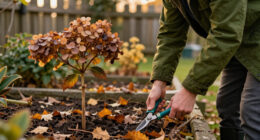
A new seasonal guide from Country Living lays out seven garden plants that home gardeners can propagate for free from fall cuttings, turning end-of-season garden trimmings into next year’s plants. The guide draws on advice from Rhonda Fleming Hayes, a Master Gardener and author of Garden for Life, who says autumn garden cleanup is the ideal moment to take cuttings. The seven plants named are rosemary, lavender, geraniums, fuchsia, basil, mint, and coleus.
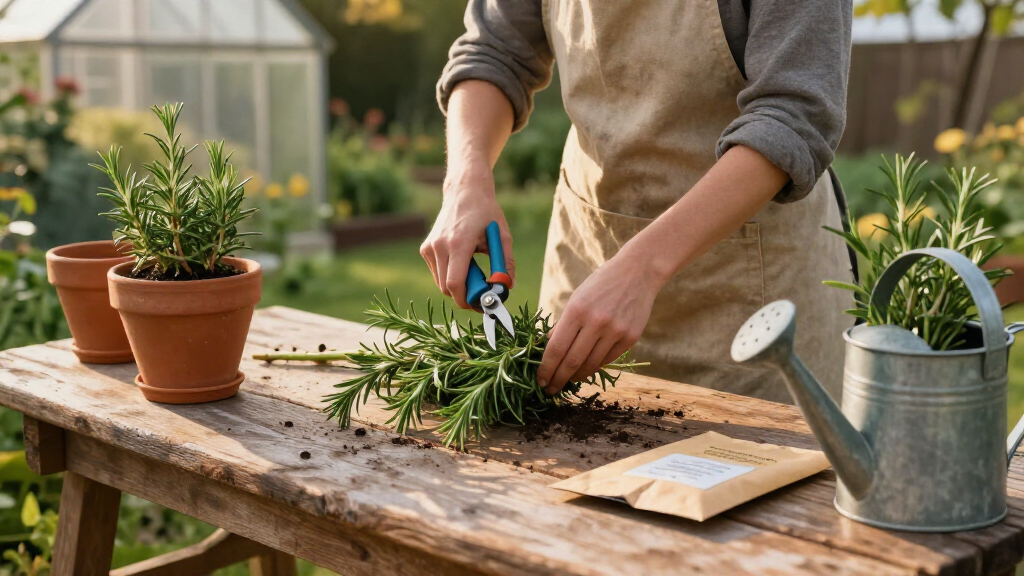
Hayes divides the seven plants into two groups based on stem type. Woody and semi-woody plants — rosemary, lavender, geraniums, and fuchsia — are propagated in pots using rooting hormone and a fast-draining growing mix. Soft-stemmed plants — basil, mint, and coleus — root directly in a glass of water and need no hormone treatment.
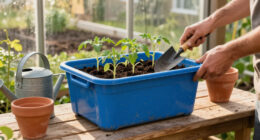
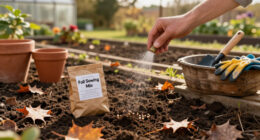
For soil propagation, the guide instructs gardeners to fill small plastic or terra-cotta nursery pots with a mix that drains quickly — Hayes recommends avoiding standard potting soil, which she says is too dense, and suggests an 80/20 blend of perlite and materials such as sand or compost. Gardeners should cut nonflowering stems 3 to 5 inches long, remove lower leaves, trim most top foliage, dip the cut end in water and then rooting hormone, and insert the stems into pencil-made holes along the pot’s edge. Covering the pots with a plastic bag keeps the environment moist; the cover comes off after about a week. Roots form when gentle resistance meets a light tug, typically after a few weeks.
For water propagation, gardeners place stemmed cuttings in a jar of water, removing any leaves below the water line. Once sufficient roots form, the plants move to containers of potting mix kept consistently moist and placed near bright, indirect light. In both methods, new plants stay indoors in colder climates and go outside only after the threat of frost has passed in spring — a great way to expand your garden for free.
Why Free Fall Cuttings Matter Now
Fall propagation lets gardeners preserve plants they would otherwise lose to frost or discard during cleanup, at essentially no cost beyond pots and a container of rooting hormone. Hayes frames it as a budget tool: “Think of it as free plants!” she says. For gardeners who bought basil, coleus, or geraniums as annuals, cuttings convert one season’s purchases into repeat plants. The timing also matters — according to Hayes, early fall is when plants such as lavender are still healthy and active, which improves rooting success before winter dormancy sets in.
The guide also lowers the barrier to entry for beginners. Hayes states that no special skills are required, and two of the seven plants — basil and mint — root in nothing more than a jar of water on a windowsill, making propagation accessible without equipment.
How the Two Propagation Methods Differ
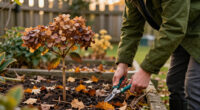
The Country Living guide sits within a broader seasonal rhythm: as gardeners cut back faded flowers and prepare beds and containers in fall, the same trimmings can double as propagation material. Hayes writes the Substack The Garden Buzz and is the author of Garden for Life: Strategies for Easier, Greener, More Joyful Gardening as We Age.
The guide pairs each plant with a reason to propagate it. Rosemary is a culinary herb used often enough that Hayes suggests keeping separate plants for the garden and the kitchen. Geraniums often look leggy by fall, so a trim serves two purposes. Mint, which Hayes says “will root easily in water,” is famously vigorous, and coleus offers varied leaf colors that can be multiplied from just a few cuttings. Fuchsia is described as easy to propagate despite its ornate pink-and-purple flowers.
“The garden may be winding down, but now’s the time to think about taking cuttings.”
— Rhonda Fleming Hayes, Master Gardener, to Country Living
Success Rates and Regional Variations
The guide does not publish specific success rates for any of the seven plants, so rooting outcomes will vary by gardener, cutting quality, and indoor conditions. It also does not specify exact rooting timelines beyond “a few weeks” for soil-grown cuttings, and water-rooted plants’ readiness is judged by visible root development rather than a fixed date. Timing guidance is general: early fall is recommended for lavender, but precise local cutoff dates will depend on climate and first-frost timing, which the guide does not address. Whether water-rooted cuttings transplant as robustly as soil-rooted ones is not discussed.
From Windowsill to Spring Planting
Gardeners who take cuttings now will overwinter them indoors — soil-rooted cuttings in a sheltered setting moved inside when temperatures dip below freezing, and water-rooted plants in containers near a bright window or in a sunroom. The defined endpoint is spring planting after the last frost, when rooted cuttings move into garden beds and containers. Gardeners can check progress by lightly tugging soil-grown stems for resistance, a signal that roots have formed and the plants are on track for spring transplanting.
Key Questions
Which plants root in just a glass of water?
According to the guide, soft-stemmed plants — basil, mint, and coleus — root quickly in a jar of water with no rooting hormone needed.
Do I need rooting hormone?
Yes, for woody and semi-woody plants such as rosemary, lavender, geraniums, and fuchsia. Cut ends are dipped in water and then coated in rooting hormone before being placed in a fast-draining growing mix.
Why shouldn’t I use regular potting soil for cuttings?
Hayes says potting soil is too dense for cuttings. She recommends a sharply draining mix, such as an 80/20 blend of perlite with sand or compost.
How do I know if a cutting has rooted?
After a few weeks, gently tug the stem. Light resistance indicates roots have formed, according to the guide.
When can the new plants go outside?
After the threat of frost has passed in spring. Until then, cuttings should stay indoors in bright, indirect light or in a sheltered setting protected from freezing temperatures.
Source: rss
Fall yard work Picks
leaf blowers
As an affiliate, we earn on qualifying purchases.