TL;DR
An October care guide recommends preparing Thanksgiving cactus plants for seasonal blooming by bringing them indoors before cold weather, providing bright indirect light and uninterrupted darkness, and avoiding overwatering or major changes once buds form. The advice is seasonal gardening guidance, not a report of a new study or event.
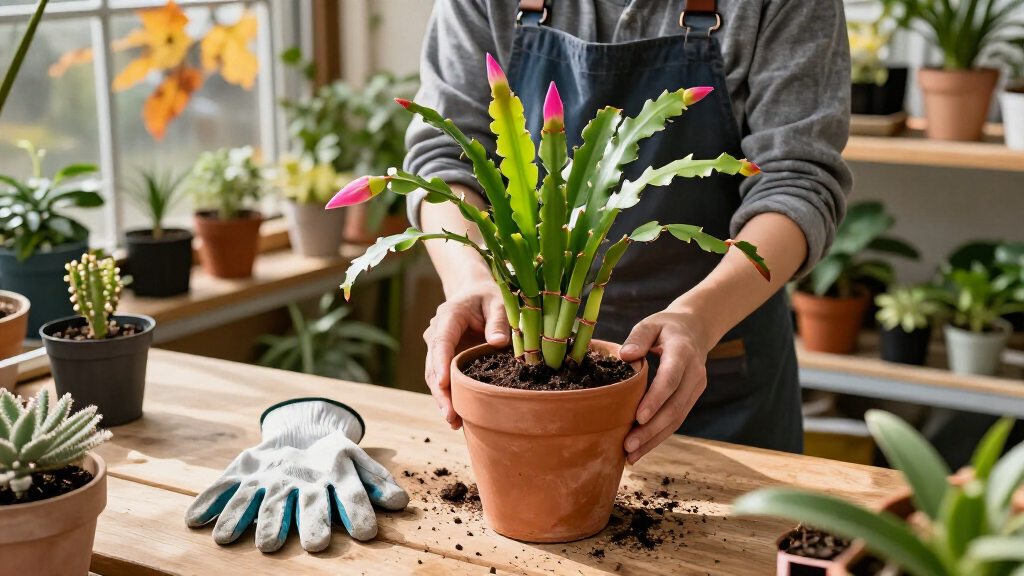
A Homes and Gardens report advises Thanksgiving cactus owners to adjust care in October as cooler nights and longer darkness can help prepare the plants for flowering. Its recommendations include bringing outdoor plants inside before cold temperatures, providing bright, indirect light, limiting watering to when the potting mix begins to dry, and avoiding major pruning or unnecessary movement after buds appear.

Get garden gear delivered free with Prime
- Fast, free delivery on millions of items
- Prime Video, Amazon Music and more included
- Member-only deals all year
For plants that spent summer outdoors, the report says to bring them inside before nights become too cold rather than waiting for frost. It recommends checking stems and soil for aphids, mealybugs and spider mites before placing the plant near other houseplants. Any insecticidal product should be used according to its label, and a treated plant should be kept apart from other plants until pests are no longer present.
Indoors, the suggested location is bright but protected from harsh afternoon sun. The report describes an east-facing window as a suitable option and says strong light from south- or west-facing windows can be filtered. It also recommends providing at least 12 hours of uninterrupted darkness each night for several weeks, keeping the plant away from artificial light during that period.
Watering should respond to the soil rather than a fixed calendar. Water thoroughly when the surface of the mix has begun to dry, allow excess water to drain, and empty the saucer. The report also advises against substantial October pruning and says routine feeding can be stopped after the spring and summer growing period. Once buds are visible, its guidance is to avoid moving the plant, since changes in conditions may contribute to bud drop.
October Care Can Protect Buds
The advice matters to people hoping for flowers around the holiday season because fall conditions and household care can affect whether buds form and remain on the plant. Cold exposure can harm a tropical Thanksgiving cactus, while wet soil and changes in its surroundings can create problems as the plant prepares to bloom.
The practical takeaway is restraint as well as preparation: move an outdoor plant indoors before cold nights, then keep its light and location steady. These steps may support flowering, but they do not guarantee a particular number of blooms. Results can vary with the plant’s health, its growing conditions and the timing of bud formation.
Popular right now

Ninja Foodi 10-Qt DualZone XL Air Fryer, 6-in-1, Grey (DZ401)

Dyson V9 Motorbar Cordless Vacuum

Bose QuietComfort Ultra Headphones Gen 1, Lunar Blue
As an affiliate, we earn on qualifying purchases.
Seasonal Cues Trigger Flowering
Thanksgiving cactus is a tropical houseplant, not a desert cactus, and the report says it responds to seasonal shifts in light and temperature. In October, shorter days and cooler nights can signal the approach of its flowering period. Plants kept outside over summer may need to be brought indoors as local nighttime temperatures fall.
The report’s recommendations center on seven tasks: move the plant indoors before cold weather; choose bright, indirect light; provide long, uninterrupted nights; check soil before watering; avoid heavy pruning and continued feeding; leave the plant in place once buds appear; and maintain steady care while it develops flowers. The supplied source text ends during its discussion of the sixth task, so it does not provide the full wording or details of the seventh.
““the soil, not the calendar, should tell you when it’s time””
— Homes and Gardens report
Bloom Timing Varies by Plant
The source provides general care guidance, not controlled evidence that the steps will produce a specific number of flowers. It does not establish how many buds an individual plant will form or when they will open. Plant condition, local temperatures, light exposure and household routines can differ, so results may vary.
The supplied source text is incomplete: it stops partway through the section advising owners to leave the plant alone after buds appear. The full details of that recommendation and the seventh item in the headline’s list are therefore not available in the provided material.
Watch Conditions as Buds Form
For now, owners can check the forecast if their plant is outdoors, inspect it for pests before bringing it inside, and settle it in a suitable bright location. Over the following weeks, they can provide consistent dark nights, check soil moisture before watering and avoid moving the plant once buds become visible.
The next milestone is the appearance and development of flower buds. The report does not give a precise flowering date or a follow-up timetable, so owners should continue to respond to the plant’s conditions rather than assume every cactus will bloom on the same schedule.
Key Questions
When should I bring a Thanksgiving cactus indoors?
Bring it inside before nighttime temperatures become too cold; do not wait for the first frost. Check local forecasts, since cold snaps can arrive at different times.
How much darkness does it need to form buds?
The report recommends at least 12 uninterrupted hours of darkness each night for several weeks. Keep the plant away from lamps and other artificial light during that period.
How often should I water it in October?
Do not follow a fixed number of days. Check the potting mix and water thoroughly when its surface has begun to dry, then let excess water drain and empty the saucer.
Should I prune or fertilize it before flowering?
The report advises against substantial pruning in October and says routine feeding is generally unnecessary after spring and summer. Remove dead, damaged or diseased sections as needed, and save major pruning for after flowering.
Should I move the plant after buds appear?
The report advises leaving it in place once buds appear. It says unnecessary changes in location can contribute to bud drop, though individual results depend on growing conditions.
Source: rss