TL;DR
A Homes & Gardens report highlights camassia, checkered lily and summer snowflake as spring-flowering bulbs suited to damp garden areas. Their tolerance differs: summer snowflake can handle winter waterlogging, while the other two need soil that is moist rather than persistently flooded.
A Homes & Gardens report identifies camassia, checkered lily and summer snowflake as spring-flowering bulbs that can suit gardens with damp winter soil, where many common bulbs risk rotting. The recommendations come with an important distinction: summer snowflake can cope with winter waterlogging, but camassia and checkered lily are not suited to soil that stays flooded for long periods.

Get garden gear delivered free with Prime
- Fast, free delivery on millions of items
- Prime Video, Amazon Music and more included
- Member-only deals all year
Camassia, native to damp prairies in the US Northwest, produces upright spikes of star-shaped flowers in blue, white or cream in late spring. The report says the plants can grow in poor, wet soils and reach up to three feet. It recommends planting them in fall in full sun or partial shade, including in beds, pond margins, rain gardens and meadows. Although they tolerate wet winters, camassias prefer soil to dry out in summer.
Checkered lily (Fritillaria meleagris), also called snake’s head fritillary, has hanging bell-shaped flowers in pink, purple or white, often with a checkerboard pattern. It flowers in mid to late spring and can grow in damp borders or near ponds, according to the report. The plant tolerates wet conditions but should not sit in standing water for extended periods. It grows in sun or light shade; afternoon shade may help in hotter climates. The report gives a hardiness range of zones 4–9.
Summer snowflake (Leucojum aestivum) is the strongest candidate of the three for persistently damp ground. The report says it actively prefers moist soil and can cope with winter waterlogging, making it a possible choice for bog and rain gardens. It distinguishes this species from spring snowflake, which tolerates damp soil but is less suited to wet conditions. Summer snowflake grows in zones 4–8; the source advises planting bulbs 6–8 inches apart and 4–6 inches deep, pointed end upward. Clumps can spread over time.
Bulb Choices for Damp Gardens
The recommendations offer gardeners with soggy winter beds alternatives to bulbs that are more vulnerable to rot in waterlogged ground. Matching plants to the conditions may let a pond edge, rain garden or damp border support spring flowers rather than leaving those areas unused. The distinction between damp soil and prolonged standing water matters: choosing the wrong plant for a site’s drainage can still lead to poor results.
The report does not claim that these bulbs thrive in every wet garden. Camassia needs a drier summer period, and checkered lily dislikes sustained flooding. Summer snowflake is described as the best fit for winter waterlogging, but gardeners should still consider their local climate, soil and planting conditions.
Popular right now

Roborock Q10 S5+ Robot Vacuum and Mop with Self-Emptying Station, 10,000 Pa Suction

Apple AirPods Pro with Wireless Charging Case

Hisense 75-Inch E6SR Series Hi-QLED 4K UHD Smart Roku TV (2026 Model)
As an affiliate, we earn on qualifying purchases.
Why These Bulbs Suit Wet Sites
Many familiar spring bulbs, including tulips, daffodils and alliums, can rot when left in waterlogged soil for long periods, the source report says. The three featured plants have different natural associations with wet places: camassia comes from damp prairie habitat, checkered lily is associated with European wet meadows and waterside gardens, and summer snowflake is recommended for moist ground.
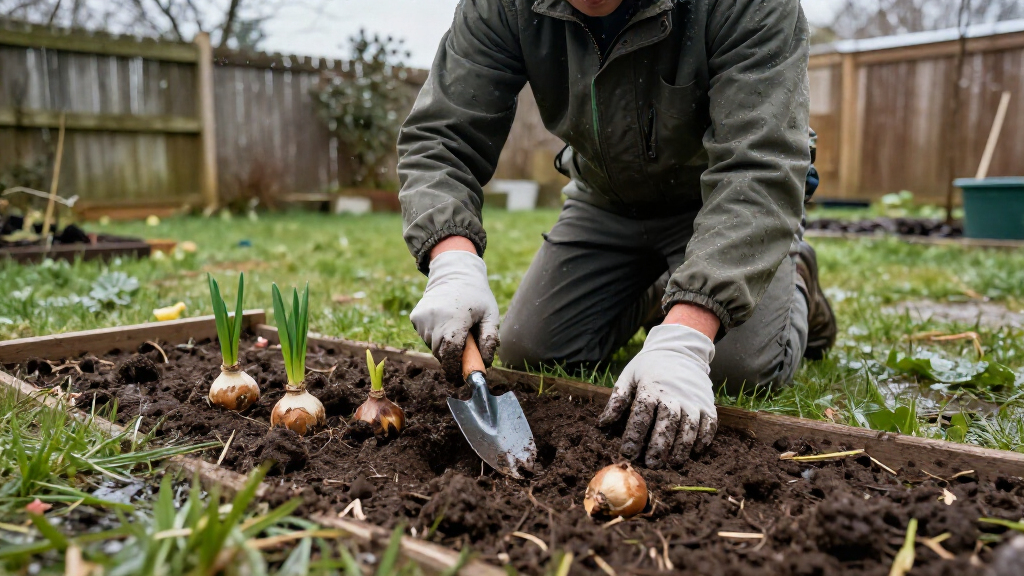
The article frames its guidance for people planting bulbs during the current planting period. It says bulbs can still be planted if they remain healthy and the soil is neither frozen nor waterlogged, while noting that late-planted bulbs may flower later than those planted in fall. It offers no universal deadline, since timing depends on the bulb and local conditions.
“Damp soil is good; long periods of standing water are bad.”
— Homes & Gardens report
Limits of Wet-Soil Advice
The source provides general gardening guidance, not results from a comparative trial, and it does not specify a publication date or the climate conditions behind its planting advice. It also does not establish how each bulb will perform in a particular garden; drainage, soil composition and local weather can differ. Wet soil is not the same as permanent flooding, and only summer snowflake is specifically described as able to cope with winter waterlogging.
The report’s planting guidance is seasonal rather than a fixed calendar deadline. Whether it is still suitable to plant will depend on whether the bulbs are healthy and whether the ground is workable, unfrozen and not waterlogged.
Check Soil Before Planting
Gardeners considering these bulbs should first identify how wet the site gets and whether it remains flooded beyond winter. The report’s guidance points to summer snowflake for wetter ground, while camassia and checkered lily are better matched to soil that drains or dries at least part of the year. Planting depth and spacing recommendations are supplied for summer snowflake; the source does not give equivalent measurements for the other two.
For bulbs being planted late, check that they are still healthy and that the soil is neither frozen nor waterlogged, as the report advises. Any resulting display may arrive later than flowers from bulbs planted in fall. The source offers no further timetable for bloom dates beyond the broad seasonal descriptions.
Key Questions
Which bulb in the report handles winter waterlogging best?
The report identifies summer snowflake (Leucojum aestivum) as the strongest choice for wet ground, saying it actively prefers moist soil and can cope with winter waterlogging.
Can camassia grow in wet soil all year?
No. Camassia tolerates wet winter conditions, but the report says it prefers soil to dry out in summer rather than remain waterlogged year-round.
Does checkered lily tolerate standing water?
It tolerates damp soil, but the report cautions that long periods of standing water are unsuitable. It recommends sun or light shade and afternoon shade in hotter climates.
Is it too late to plant spring bulbs?
The report says planting may still be possible if bulbs are healthy and the soil is not frozen or waterlogged. Timing depends on the bulb, and later planting may mean later flowering than fall planting.
How deep should summer snowflake bulbs be planted?
The source recommends planting summer snowflake bulbs 4–6 inches deep and 6–8 inches apart, with the pointed end facing upward.
Source: homesandgardens.com