
TL;DR

Get garden gear delivered free with Prime
- Fast, free delivery on millions of items
- Prime Video, Amazon Music and more included
- Member-only deals all year
Grow Organic’s guide explains how gardeners can add a low PVC hoop structure to a raised bed and select a cover for insect protection, shade or seasonal weather buffering. It stresses that the cover, anchoring and regular ventilation determine how the setup performs; a lightweight PVC tunnel is not a substitute for a reinforced greenhouse.
Grow Organic has published a guide to building a low PVC hoop house over a raised garden bed, outlining how to install the hoops, select a protective cover and secure the structure. The guidance matters to gardeners seeking a flexible way to shield crops from insects, sun or cool weather, while stressing that the frame alone provides no protection and that conditions under covers require monitoring.
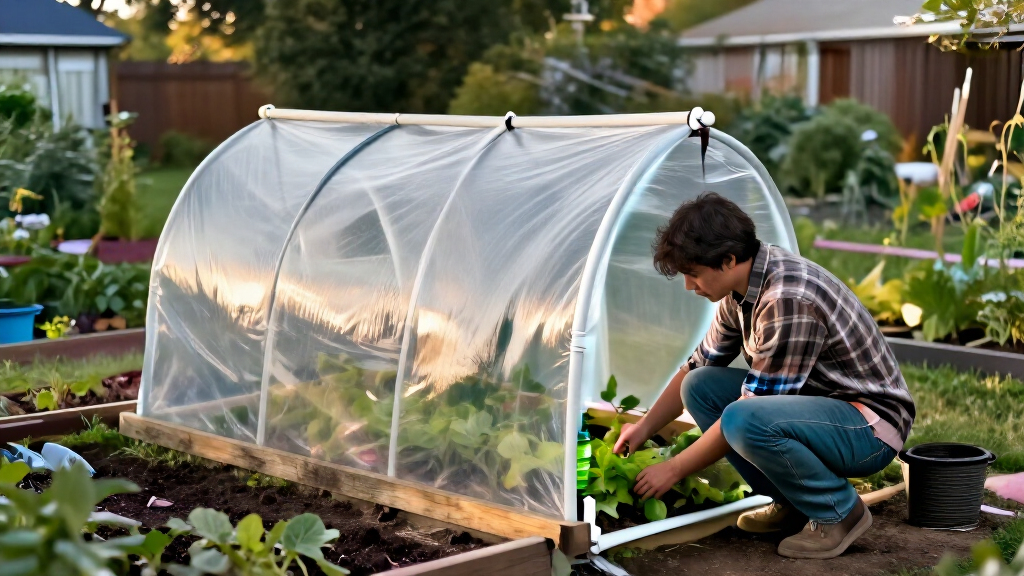
Grow Organic describes a hoop house as a low tunnel over a raised bed, rather than a walk-in greenhouse. The guide says gardeners can bend flexible PVC pipe across the bed, with pipe ends held by brackets attached to a wooden bed or by suitable stakes. It identifies half-inch PVC as a common home-garden option, while noting that pipe length and hoop height depend on bed width and mature crops. Grow Organic does not prescribe universal spacing or dimensions.
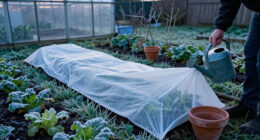
According to the guide, cover selection should follow the intended use. Insect netting or floating row cover can help exclude some pests when edges are secured; greenhouse-grade plastic can retain some heat and shed rain; and shade cloth can reduce intense sunlight. Grow Organic says floating row cover may provide some cold protection depending on its weight, but cautions that product ratings are not guarantees of crop survival. The guide also notes that plastic blocks rainfall, so plants beneath it may need other watering.
After fitting a cover, Grow Organic advises anchoring its edges and securing it to the hoops. The guide warns that wind can lift loose material, tear it or shift the frame, and notes that repeated rubbing can wear greenhouse film. It recommends checking that the structure remains easy to open for watering, weeding, ventilation, pollination and harvest. On sunny days, the guide says clear plastic can heat quickly, so sides or ends may need opening as temperatures rise.
Choosing Covers for Crop Protection
Grow Organic’s guide indicates that the practical value of a raised-bed hoop house depends less on the PVC itself than on matching the cover to the crop and conditions. It describes netting as an option for pest exclusion, shade fabric as a way to address strong sun, and plastic as a means to buffer some cool weather and keep rain off. The guide cautions that selecting the wrong cover, or leaving it closed during warm weather, may work against the gardener’s goal.
The guide presents the setup as a relatively simple alternative to a permanent greenhouse, not as a structure suited to every climate or hazard. It cautions that lightweight PVC tunnels should not be assumed to withstand severe winds or heavy snow without suitable engineering and support. This distinction helps readers avoid treating a small seasonal frame as a sturdier, walk-in growing structure.
PVC hoop house kit for raised beds
As an affiliate, we earn on qualifying purchases.
As an affiliate, we earn on qualifying purchases.
A Low Tunnel, Not a Greenhouse
Grow Organic presents the design as a way to make a raised bed more adaptable across spring and fall. The guide’s central distinction is that the hoop frame supports a cover; it does not itself block insects, retain heat or shade crops. Those effects depend on the material fitted over it and how the covering is managed.
The guide also distinguishes a protective hoop from a PVC trellis, which supports climbing plants rather than a covering. It lists metal conduit, heavy wire and purpose-made greenhouse hoops as alternatives, describing metal as potentially more appropriate when greater strength is needed. The article points readers toward other protected-growing methods, including cold frames and high tunnels, but does not provide a comparative test of their costs or performance.
Limits and Missing Specifications
The supplied Grow Organic guide does not state its publication date or provide test results, prices, a complete materials list or a single set of measurements. Hoop spacing, PVC length and frame height are left dependent on the bed, crops, cover and local exposure; the source does not specify how much wind or cold a particular build can withstand.
The guide also does not identify which specific cover products or ratings will suit a particular garden. It says cold protection varies by row-cover weight and conditions, and that ratings do not guarantee survival. Gardeners will need to check product instructions and local forecasts rather than treating a cover as a promise of a particular temperature outcome.
Plan, Build and Monitor the Tunnel
Grow Organic advises gardeners to measure the bed before construction, account for crop height and allow enough cover to reach both sides. They can then choose supports and hoop spacing suited to their site, install the hoops, fit the selected cover and anchor its edges. The guide says wind exposure and the intended cover should inform how closely hoops are spaced and how firmly the covering is attached.
Once built, the tunnel needs routine checks rather than being left unattended. The guide recommends opening it for ventilation when temperatures rise, keeping access available for care and harvesting, and inspecting the cover and anchors for abrasion or loosening. The source does not announce a new product or follow-up milestone; the next steps depend on each gardener’s bed, crop and weather.
Key Questions
What does a PVC hoop house do for a raised bed?
Grow Organic’s guide says it creates a frame above crops so a chosen cover can provide pest exclusion, shade or some weather buffering. The PVC hoops alone do not provide those protections.
Which cover should I use?
According to Grow Organic, choose according to the goal: insect netting or row cover for pest exclusion, greenhouse-grade plastic to retain some heat and shed rain, or shade cloth to reduce intense sun. Suitability depends on the crop and local conditions.
Can a PVC hoop house protect plants from frost?
Grow Organic says a suitable cover may offer some cold protection, but performance depends on the cover and conditions. Ratings are not survival guarantees, and a small tunnel is not a heated greenhouse.
How do I keep the cover from blowing away?
The guide advises securing the cover to compatible hoops and anchoring the edges. It warns that loose material can flap, tear or pull the frame out of position, particularly in wind.
Does the tunnel need ventilation?
Yes. Grow Organic notes that clear plastic can warm quickly in direct sun, so gardeners should open the ends or raise the sides when temperatures climb. Keep the structure accessible for watering, pollination and harvest.
Source: rss
Halloween Picks
halloween
As an affiliate, we earn on qualifying purchases.